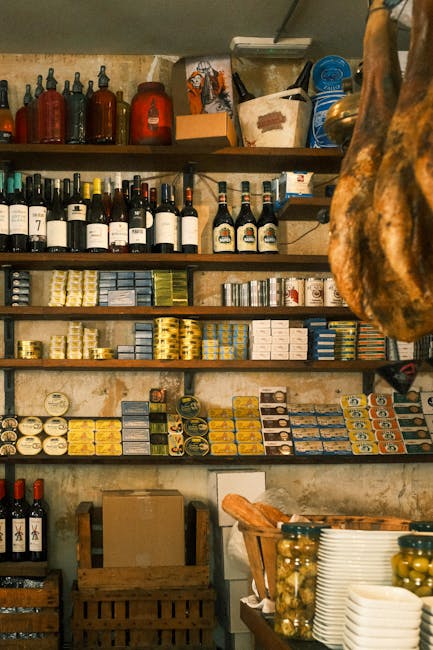
Have you ever wondered if you can store your wine in the refrigerator? Maybe you grabbed a bottle for dinner, but now you’re unsure if chilling it this way is okay.
You want to keep your wine tasting its best, but you don’t want to ruin it either. You’ll discover exactly when and how to use your fridge for wine storage. By the end, you’ll know how to protect your favorite bottles and enjoy every sip just as it was meant to be.
Keep reading—you won’t want to miss these simple tips that can save your wine and your wallet.
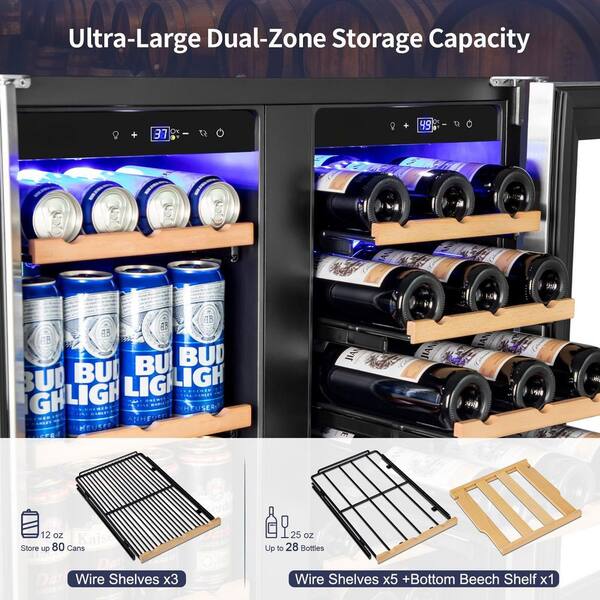
Credit: www.homedepot.com
Storing Wine Basics
Storing wine properly is key to preserving its taste and quality over time. Many people wonder if a regular refrigerator is suitable for wine storage. Understanding the basics helps you decide how to keep your bottles safe and delicious.
Ideal Temperature Range
Wine needs a steady temperature to stay fresh. Red wines do best between 55°F and 65°F, while whites prefer a cooler range of 45°F to 55°F. Temperatures outside these ranges can spoil the flavor or age the wine too quickly.
Have you noticed how a warm bottle of red wine tastes different after sitting in a hot room? That’s why maintaining the right temperature is crucial. Your kitchen fridge is often too cold and fluctuates too much, which can hurt your wine’s quality.
Humidity Importance
Humidity plays a silent but vital role in wine storage. Ideally, humidity should be around 70%, which keeps corks moist and prevents them from drying out. Dry corks shrink and let air in, which can spoil the wine.
Most home refrigerators have low humidity, which isn’t ideal for long-term wine storage. You can place a small bowl of water inside the fridge to add moisture, but it’s not a perfect fix. Have you ever opened a bottle with a crumbly cork? That’s a sign humidity was too low.
Light And Vibration Effects
Light, especially sunlight and fluorescent bulbs, can damage wine by breaking down its chemical compounds. That’s why many wine bottles use dark glass to protect the contents. Your fridge light, though not as intense, still exposes wine to frequent light every time you open the door.
Vibrations from appliances can disturb the sediment in wine and interrupt the aging process. Refrigerators often vibrate due to compressors and fans. This constant movement might not ruin your wine immediately but can affect its development over time.
Refrigerator Storage Pros
Storing wine in the refrigerator offers several clear benefits. It keeps the wine at a steady temperature, which is important for preserving flavor. The fridge is also handy for opened bottles. It helps slow down the aging process of wine, maintaining its quality longer. These advantages make the refrigerator a practical option for many wine lovers.
Consistent Cooling
The refrigerator keeps wine at a stable temperature all the time. This prevents the wine from heating up or cooling down too fast. Sudden temperature changes can harm the wine’s taste and aroma. A consistent cool environment protects the wine’s delicate balance.
Convenience For Opened Bottles
Once a bottle is opened, the wine starts to change quickly. The fridge helps slow this process. It keeps the wine fresh for several days after opening. This means less waste and more enjoyment from each bottle.
Slowing Wine Aging
Wine ages faster in warm conditions. The fridge’s low temperature slows down chemical reactions in the wine. This helps the wine keep its flavor and freshness longer. It is especially useful for wines you want to drink later.
Refrigerator Storage Cons
Storing wine in a refrigerator can harm its flavor and aroma over time. Cold temperatures may slow aging but cause corks to dry out and flavors to dull. Frequent door openings also expose wine to light and vibrations, which can spoil it.
Storing wine in the refrigerator might seem convenient, especially if you’re short on space or want your wine chilled and ready to pour. However, there are several drawbacks to consider before committing your prized bottles to the fridge. Refrigerators are designed to keep food cold, not wine, and this can lead to unintended consequences for your treasured vintages.Dry Air Impact
Refrigerators are notorious for their dry environments. This dry air can cause corks to shrink over time, which may allow air to seep into the bottle. Once air gets in, your wine could oxidize and lose its intended flavor profile. Imagine uncorking a bottle of your favorite wine only to find it has turned sour and flat. To prevent this, consider storing your wine in a more humid environment or using a wine fridge designed specifically for maintaining optimal humidity levels.Strong Odor Risks
Have you ever opened your fridge to a pungent mix of last night’s leftovers and ripe fruits? These strong odors can penetrate wine bottles, especially if the cork is compromised. Wines with delicate flavors are particularly susceptible to absorbing these unwanted aromas. This could result in a glass of chardonnay that tastes like yesterday’s garlic pasta. To avoid this, try using a separate storage space for your wines where they won’t be exposed to strong odors.Temperature Fluctuations
Refrigerators often experience temperature fluctuations as you open and close the door throughout the day. Each time the door opens, the temperature rises slightly, which can be detrimental to the stability of your wine. Consistent temperature is key to preserving wine’s character. If the idea of fluctuating temperatures worries you, investing in a wine cooler with a stable, dedicated temperature setting might be worth considering. Is it worth sacrificing the integrity of your wine for the convenience of fridge storage? If you truly value the taste and quality of your wine, thinking about these factors can save you from potential disappointment.Best Practices For Refrigeration
Storing wine in the refrigerator can be tricky if you want to keep its flavor and quality intact. Understanding the best refrigeration practices helps you avoid common mistakes that might spoil your wine. Let’s look at some key ways to handle wine storage inside your fridge.
Using Wine Fridges Vs Regular Refrigerators
Wine fridges are specially designed to maintain ideal temperatures and humidity for wine preservation. Unlike regular refrigerators, they avoid strong vibrations and keep a consistent climate, which protects wine from damage.
If you only have a regular fridge, try to use the warmest spot, usually near the door, to prevent chilling your wine too much. Have you noticed how your fridge’s temperature fluctuates when it cycles? That can harm your wine’s aging process.
Proper Bottle Positioning
Keeping your wine bottles horizontal helps keep the cork moist, preventing air from seeping in. This small step can make a big difference in how long your wine stays fresh.
If you store bottles upright, the cork can dry out and shrink, letting oxygen in and spoiling your wine faster. Do you have a wine rack or a shelf that lets you store bottles sideways? It’s worth arranging one if you don’t.
Sealing Opened Bottles
Once a bottle is opened, oxygen starts to change the wine’s flavor. Using a vacuum wine stopper or re-corking tightly slows down this process.
Alternatively, you can pour leftover wine into smaller bottles to reduce air exposure. Have you ever tried this? It’s a simple trick that keeps your wine tasting better for longer.
Alternatives To Refrigerator Storage
Storing wine properly preserves its taste and quality. Refrigerators often cause problems like dry corks or bad odors. Many wine lovers prefer other storage options. These alternatives keep wine at the right temperature and humidity without risks.
Cellar And Wine Cabinets
A cellar offers a cool, dark, and stable environment for wine. Ideal temperature stays between 50-59°F (10-15°C). Humidity is also controlled to prevent corks from drying.
Wine cabinets provide similar conditions but in a smaller space. They come with temperature controls and UV-protected glass doors. These cabinets fit well in homes without a cellar.
Cool Dark Closets
Closets away from sunlight and heat can store wine well. Choose a spot with low temperature changes. Avoid places near ovens or heating vents.
Use a thermometer to check the temperature. Add a small humidifier if the air is too dry. This simple option protects wine without extra cost.
Wine Preservation Systems
These systems keep opened wine fresh longer. They remove air or add inert gas to stop oxidation. Perfect for those who drink wine slowly.
Some systems cool wine too, matching ideal storage temperatures. This helps maintain flavor after opening. They come in various sizes and prices.

Credit: www.amazon.ca
Tips For Long-term Wine Storage
Proper long-term wine storage preserves flavor and aroma. Careful attention to storage conditions keeps wine enjoyable over time. Small steps ensure your wine matures well.
Selecting The Right Environment
Choose a cool place with a stable temperature between 45-65°F (7-18°C). Avoid places with direct sunlight or heat sources. Humidity should be around 60-70% to keep corks moist. Store bottles horizontally to keep corks wet and air out.
Monitoring Conditions Regularly
Check temperature and humidity often using a thermometer and hygrometer. Keep a log to spot changes quickly. Avoid frequent opening of storage to maintain stable conditions. Use a wine fridge if natural conditions are hard to control.
Avoiding Common Mistakes
- Do not store wine in a kitchen or near appliances.
- Avoid vibrations that disturb wine aging.
- Do not store bottles upright for long periods.
- Avoid sudden temperature changes.
- Keep wine away from strong smells that corks can absorb.
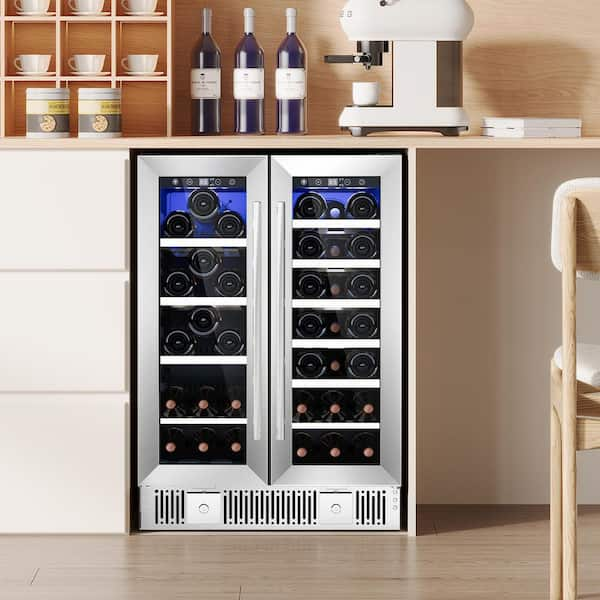
Credit: www.homedepot.com
Frequently Asked Questions
Can You Store All Wine Types In The Refrigerator?
Not all wines should be refrigerated. White and sparkling wines benefit from refrigeration. Red wines are best stored at slightly cooler room temperatures to preserve flavor and aroma.
How Long Can Wine Stay In The Refrigerator?
Opened wine can last 3-5 days in the fridge with a proper seal. Unopened bottles can be refrigerated for several months, depending on wine type.
Does Refrigeration Affect Wine Taste Or Quality?
Refrigeration slows aging and preserves wine freshness. However, extended refrigeration may dull complex flavors, especially in red wines, altering their quality and aroma.
Should Wine Be Refrigerated Before Serving?
Chilling white and sparkling wines enhances taste and refreshes the palate. Red wines can be lightly chilled but should warm slightly before drinking.
Conclusion
Storing wine in the refrigerator works well for short times. Cold slows down aging and keeps wine fresh. Red wines need warmer spots than whites or sparkling. Avoid long storage in the fridge to keep flavors true. Always seal bottles tightly to stop air damage.
Remember, proper temperature and humidity matter most. A small fridge or wine cooler can help. This keeps your wine tasty and ready to enjoy anytime. Choose storage that fits your wine type and drinking habits. Easy steps make a big difference in wine quality.