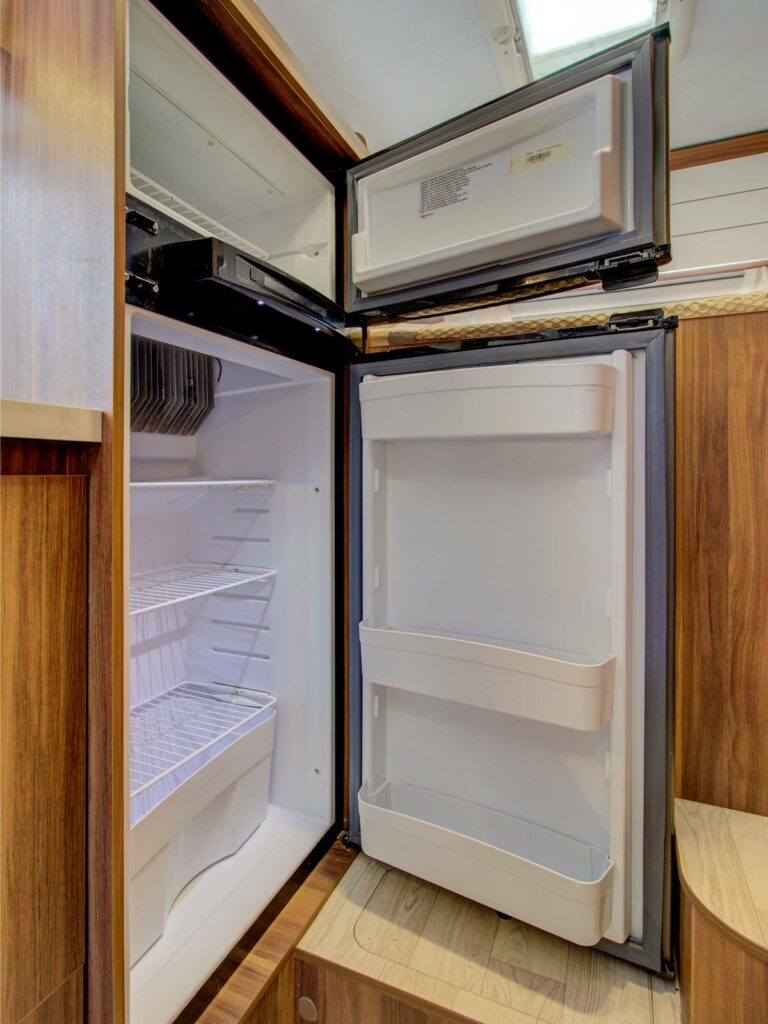
Have you ever wondered how your camper refrigerator keeps your food fresh while you’re on the road? Understanding how these cool little machines work can make your camping trips more enjoyable and hassle-free.
Whether you’re a seasoned traveler or just starting out, knowing how your camper fridge operates helps you use it better and avoid unexpected problems. You’ll discover the simple science behind camper refrigerators and get practical tips to keep your food perfectly chilled every time you hit the road.
Keep reading—you’ll be surprised how easy it is to master your camper fridge!
Types Of Camper Refrigerators
Choosing the right camper refrigerator can make a huge difference in your travel comfort. Different types use different technologies to keep your food fresh and drinks cold. Understanding how each type works helps you pick the one that fits your lifestyle and power setup.
Compressor Refrigerators
Compressor refrigerators work like the ones you have at home. They use a compressor to circulate refrigerant, which cools the inside of the fridge. These models are very efficient and cool quickly, even in hot weather.
If you camp in places without electricity, these might need a good battery or generator. But if you have a steady 12V power source from your vehicle, they perform excellently. Think about the power supply you have before choosing this type.
Absorption Refrigerators
Absorption refrigerators use a heat source to create a cooling effect, often powered by gas, electricity, or even propane. They have no moving parts, which means they’re silent and reliable. This makes them great for quiet camping spots or long trips.
However, they cool slower and can be less efficient in very hot climates. If you enjoy off-grid camping with gas, these fridges might be perfect for you. Have you considered how much noise your fridge makes when you camp?
Thermoelectric Refrigerators
Thermoelectric refrigerators use electricity to create a temperature difference through a solid-state device. They are lightweight, compact, and ideal for small spaces like camper vans or tents. These fridges work best in cooler environments since they don’t get very cold.
If you only need to keep drinks cool rather than frozen, this type can be very handy. Consider your storage needs and the typical climate of your camping spots before opting for thermoelectric models. Are you looking for a fridge mainly to chill or to freeze items?

Credit: www.smadappliances.co.uk
Cooling Mechanisms Explained
Understanding how camper refrigerators keep your food fresh during your adventures can help you choose the right one for your needs. These fridges use different cooling mechanisms that work quietly and efficiently, even off the grid. Let’s break down the main cooling technologies so you can see how they function and what makes each unique.
How Compressor Refrigerators Cool
Compressor refrigerators work similarly to the ones you have at home. They use a motorized compressor to compress a refrigerant gas, which then cycles through coils inside the fridge. This process removes heat from the interior, keeping your food cold.
These fridges are powerful and cool quickly. They perform well in warm climates and when you open the door frequently. However, they do require electricity, so you’ll need a reliable power source on your trip.
Absorption Cooling Process
Absorption refrigerators use a different approach. They rely on heat to drive the cooling process instead of a compressor. This heat can come from propane, electricity, or even solar power, making them versatile for campers without steady electric access.
The key components include a heat source, a refrigerant, and an absorber. As the refrigerant evaporates and condenses, it absorbs heat from inside the fridge, lowering the temperature. This silent system has no moving parts, so it’s very quiet but can be slower to cool.
Thermoelectric Cooling Basics
Thermoelectric fridges use electricity to create a temperature difference with the help of the Peltier effect. When electric current passes through two different materials, heat moves from one side to the other, cooling the fridge compartment.
These units are lightweight, compact, and ideal for short trips or small spaces. They don’t require refrigerants, which makes them eco-friendly. However, they usually don’t get as cold as compressor or absorption types, so think about what you plan to store.
Power Sources And Efficiency
Camper refrigerators run on different power sources like electricity, gas, or solar energy. Efficiency depends on the power type and insulation quality. These fridges keep food cool by using energy to remove heat inside.
Power sources and efficiency play a crucial role in camper refrigerators. Understanding how these appliances receive power helps in choosing the best model. Different power options affect the fridge’s performance and energy consumption.12v Dc And 110v Ac Power Options
Camper refrigerators often use 12V DC power from the vehicle’s battery. This option suits while driving. It ensures the fridge stays cold during travel. Some models also connect to 110V AC power. This option is suitable at campsites with electrical hookups. Switching between these power modes is simple. It offers flexibility depending on the situation.Propane Usage In Absorption Models
Absorption refrigerators can run on propane gas. Propane is useful in areas without electricity. It allows the fridge to maintain a cool temperature using gas. This option is efficient for off-grid camping. It requires a steady propane supply but offers freedom from electrical hookups.Energy Consumption Comparison
Different power sources affect energy consumption. 12V DC power may drain the vehicle’s battery if used long. 110V AC power is more efficient when available. Propane is an economical choice for longer trips. Each option has its benefits depending on usage needs. Understanding these can help in making an informed decision.Installation Tips For Optimal Performance
Installing your camper refrigerator correctly is key to keeping your food fresh and your unit running smoothly. Small adjustments during installation can make a big difference in performance and energy efficiency. Let’s dive into some practical tips that will help you get the most out of your camper fridge.
Ventilation Requirements
Proper airflow around your refrigerator is crucial. Without enough ventilation, heat can build up, forcing the fridge to work harder and use more energy.
Make sure there is space behind and around the fridge for air to circulate. A good rule is to leave at least 2-3 inches of clearance on all sides, especially at the back.
Check if your camper refrigerator has a vent or exhaust fan; keep these areas clear from dust and debris. Have you ever noticed your fridge running constantly? Poor ventilation could be the culprit.
Proper Leveling And Placement
Your fridge needs to be level to operate efficiently, especially absorption models. If it’s tilted, the cooling chemicals inside won’t flow correctly, reducing cooling power.
Use a bubble level to check the fridge after installation. Adjust your camper’s support or fridge feet until it sits perfectly flat.
Also, place the fridge away from direct sunlight or heat sources like the stove. This reduces the workload on the cooling system and helps maintain a steady temperature inside.
Insulation Benefits
Adding insulation around your fridge can keep it cooler for longer and reduce energy use. Even a thin layer of foam board behind the fridge can make a difference.
Insulation also helps protect the fridge from outdoor temperature changes, especially when camping in extreme weather.
Think about your last camping trip—did your fridge struggle on hot days? Adding insulation might be a simple fix you haven’t tried yet.
Maintenance And Troubleshooting
Keeping your camper refrigerator in top shape is essential for a smooth camping experience. Proper maintenance prevents unexpected breakdowns and keeps your food fresh longer. Troubleshooting common issues yourself can save time and money on the road.
Cleaning And Defrosting
Regular cleaning helps avoid bad smells and bacterial growth inside your camper refrigerator. Use a mild soap solution and a soft cloth to wipe down the interior every few weeks. Avoid harsh chemicals that can damage the fridge’s lining.
Defrosting is crucial if you notice ice buildup. Excess ice reduces cooling efficiency and wastes energy. Turn off the fridge, remove all items, and let the ice melt naturally or use a bowl of hot water to speed up the process. Never use sharp objects to chip away ice, as this can harm the cooling elements.
Common Issues And Fixes
Is your camper fridge not cooling properly? Check the power source first—loose connections or a drained battery are frequent culprits. Also, ensure your vents are clear to allow proper airflow.
If the fridge runs constantly without cooling, the thermostat might be faulty or the door seal could be leaking cold air. Test the door gasket by closing the door on a piece of paper; if it slips out easily, replace the seal. A malfunctioning thermostat may need professional repair or replacement.
Maximizing Refrigerator Lifespan
Think about how you load your fridge. Avoid overpacking, which blocks air circulation and forces the compressor to work harder. Keep the fridge level to ensure coolant flows correctly.
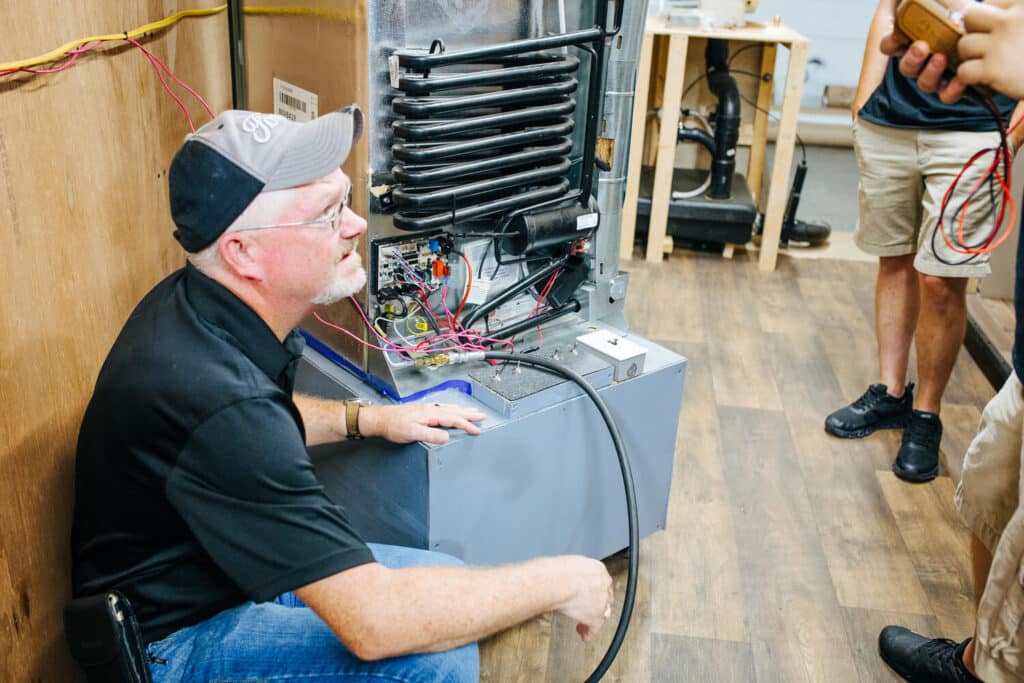
Regularly inspect and clean condenser coils if your model has them; dust buildup can cause overheating. Also, minimize how often you open the door to maintain a steady temperature inside. How often do you check your camper fridge? A little attention now can prevent costly repairs later.
Credit: blog.campingworld.com
Choosing The Right Camper Refrigerator
Choosing the right camper refrigerator can make a big difference in your travel comfort and food storage efficiency. The perfect fridge balances your needs with your camper’s space and power options. Think about what you usually carry, how long you camp, and how often you want to restock.
Capacity Considerations
Start by estimating how much food and drink you typically store. A small fridge might work if you’re solo or on quick trips, but families or longer stays need more space. Remember, bigger isn’t always better—too large a fridge can waste power and space.
Consider how you pack too. If you like fresh veggies, meat, or frozen goods, you’ll want a fridge with a separate freezer compartment. If you mostly carry canned or bottled drinks, a simpler fridge might suffice.
Budget Vs. Features
Your budget will influence the fridge’s size, type, and extra features. Basic models keep costs low but may lack advanced temperature controls or energy-saving modes. Higher-end fridges offer better insulation, digital controls, and sometimes dual power options (gas and electric).
Ask yourself: which features matter most? Is quiet operation a must? Do you need quick cooling or remote monitoring? Prioritize features that improve your camping experience without breaking your budget.
Brand And Model Recommendations
Reliable brands often provide better durability and customer support. Dometic and Engel are popular names known for their robust camper fridges. They offer models that range from compact to large, catering to different camper types.
Think about reading user reviews and checking warranty terms before deciding. Sometimes, lesser-known brands offer great value but research is key to avoid surprises. What have other campers said about performance in the field?

Credit: www.youtube.com
Frequently Asked Questions
How Do Camper Refrigerators Keep Food Cold?
Camper refrigerators use absorption or compressor cooling systems to remove heat. They circulate refrigerant or use gas flame heat to maintain low temperatures. This process keeps food fresh and safe during travel or camping.
What Power Sources Do Camper Refrigerators Use?
Camper refrigerators typically run on 12V DC, 120V AC, or propane gas. Many models support dual or triple power modes for flexibility. This allows campers to use electricity or gas depending on availability.
Are Camper Refrigerators Energy Efficient?
Yes, modern camper refrigerators are designed for energy efficiency. They use advanced insulation and optimized cooling cycles. This reduces power consumption, extending battery life and minimizing fuel use in propane models.
How Do Absorption And Compressor Camper Fridges Differ?
Absorption fridges use heat to create cooling, while compressors use a motorized pump. Absorption models run quietly and on propane but are less efficient. Compressor fridges cool faster and work well on battery power.
Conclusion
Camper refrigerators keep food cold using simple, efficient methods. They use electricity or gas to cool the inside. This helps preserve food and drinks during trips. Knowing how they work helps you use them better. Choose the right type for your camper’s power source.
Regular cleaning keeps them running smoothly. Enjoy fresh food wherever you travel. Camping becomes easier and more fun with a good fridge. Understanding these basics helps you stay prepared on the road.