Imagine opening your refrigerator during a power outage and finding your food still fresh and cool. It’s a relief you want to experience, especially when the lights go out unexpectedly.
You might wonder how to keep your fridge cold without electricity and prevent your groceries from spoiling. You’ll discover simple, practical tips that anyone can use to maintain the chill inside your refrigerator when the power is down. Keep reading to protect your food and save money—you won’t want to miss these easy strategies!

Credit: x.com
Prepare Before The Outage
Preparing your refrigerator before a power outage helps keep food fresh longer. Small actions can make a big difference during the outage. Staying ready prevents food spoilage and saves money. Follow simple tips to maintain cold temperatures without power.
Freeze Water Bottles
Fill plastic bottles with water and freeze them. Place these frozen bottles in your fridge and freezer. They act as ice packs to keep the temperature low. Frozen bottles also provide extra cold mass inside the fridge. This slows down warming when the power goes out.
Adjust Thermostat Settings
Set your refrigerator thermostat to the coldest safe setting before the outage. This lowers the internal temperature in advance. Avoid turning it too cold to save energy once power returns. Proper thermostat adjustment helps maintain cold longer without power.
Organize Food Efficiently
Group similar foods together in the fridge. Keep raw meats separate to prevent cross-contamination. Store items in the coldest parts, usually near the back or bottom. Avoid opening the fridge door often to keep cold air inside. Well-organized food stays fresh longer during outages.
Limit Refrigerator Access
Keeping your refrigerator cold during a power outage starts with limiting how often you open the door. Every time you open it, cold air escapes and warm air rushes in, causing the temperature inside to rise quickly. This simple habit can make a big difference in preserving your food until power returns.
Keep The Door Closed
Resist the urge to check inside your fridge frequently. Even a quick peek lets out cold air and lets warm air in, speeding up spoilage.
Try to plan ahead so you know exactly what you need before opening the door. If you must open it, do so swiftly and close it tightly afterward.
Think about how often you open your fridge during normal days. Could you cut that number in half during an outage? It’s a small change that can save your groceries.
Plan Meals In Advance
Knowing what you’ll eat ahead of time helps reduce fridge visits. When power is out, meal planning becomes more than convenience—it’s a necessity.
Organize your meals by grouping ingredients from the fridge so you can grab everything at once. This saves time and keeps the door closed longer.
Have you ever noticed how much time you spend deciding what to cook right before eating? Eliminating that guesswork during a power outage protects your food and lowers stress.
Use Ice And Cooling Alternatives
Keeping your refrigerator cold during a power outage can feel urgent and stressful. Using ice and cooling alternatives is a smart way to maintain the low temperature inside your fridge without electricity. These options are practical, easy to source, and can buy you valuable time until power returns.
Add Ice Packs
Ice packs are a reliable way to keep your fridge cool without electricity. Place several ice packs directly inside the refrigerator compartments to lower the temperature quickly. If you don’t have ice packs, you can fill plastic bags with water and freeze them in advance for the same effect.
Remember to keep the fridge door closed as much as possible. Each time you open it, cold air escapes, and your ice packs lose their cooling power faster. Have you ever noticed how a few well-placed ice packs can keep leftovers fresh during unexpected outages?
Utilize Dry Ice
Dry ice is an excellent cooling alternative that can last longer than regular ice. It keeps your fridge cold by releasing carbon dioxide gas, which is much colder than water ice. You can place dry ice on top of your food items or on the fridge shelves for maximum cooling.
Be sure to handle dry ice with gloves to avoid burns, and ventilate the area well since carbon dioxide can build up in enclosed spaces. Are you prepared to buy dry ice quickly when a storm warning hits your area? It’s often available at grocery stores or ice suppliers.
Use Frozen Gel Packs
Frozen gel packs are similar to ice packs but tend to stay cold longer and won’t create messy water when they thaw. You can freeze these packs ahead of time and keep them in your freezer for emergency use. Once the power goes out, transfer the gel packs to the fridge to keep your food chilled.
This method works well for keeping dairy, meats, and other perishables safe. Plus, gel packs are reusable and easy to store. How many frozen gel packs do you think you need to keep your fridge cool for 24 hours?

Credit: www.youtube.com
Create Cold Zones
Create cold zones inside the fridge by grouping frozen items together. This helps keep the temperature low longer during a power outage. Use ice packs or blocks of ice to maintain these cold areas effectively.
Creating cold zones in your refrigerator can help keep food safe. This is crucial during a power outage. Strategic placement of items ensures cold air circulation. It also minimizes the risk of spoilage. Below are effective ways to create these zones.Group Similar Items
Position similar items together. This helps to retain their temperature longer. Grouping items like fruits and vegetables slows temperature change. It also minimizes heat transfer. Use clear containers to keep items organized. Clear containers allow quick access without searching. This reduces the time the fridge door stays open.Store Meat And Dairy Together
Place meat and dairy products close to each other. These items are sensitive to temperature changes. Storing them together maintains a consistent cold zone. Keep them in the coldest part of the fridge. Usually, this is near the back. Use separate containers to prevent cross-contamination. This simple step ensures safety and freshness.Consider Power Backup Options
Power outages can strike unexpectedly, leaving your refrigerator at risk of warming up and spoiling your food. To keep your fridge cold during these times, having a reliable power backup option is crucial. Let’s look at some practical ways you can maintain that cold environment without electricity from the grid.
Use A Generator
A generator is a powerful way to keep your refrigerator running during an outage. They come in various sizes, from small portable models to larger standby units that automatically kick in when power fails.
Choosing the right generator means matching its wattage to your fridge’s power needs. Many refrigerators require about 600 to 800 watts to run, but the starting wattage can be higher. It’s smart to select a generator with a little extra capacity to handle these surges.
Keep in mind, running a generator safely requires proper ventilation and fuel storage. Have you thought about where you would place a generator at your home? Planning this in advance can save you stress during an outage.
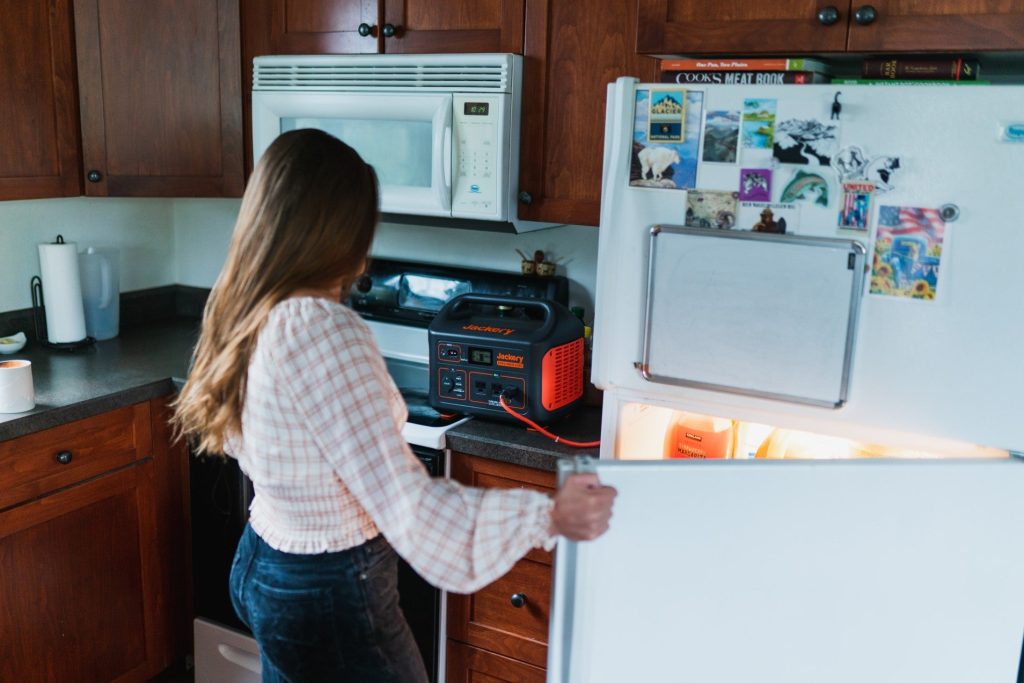
Try Portable Power Stations
Portable power stations are compact, rechargeable battery packs that can power small appliances like your refrigerator. They operate quietly and don’t emit fumes, making them suitable for indoor or outdoor use.
These stations usually provide clean energy and are easy to connect to your fridge. Depending on the model, they can keep your refrigerator cold for several hours, enough to cover short outages.
If you don’t want the hassle of gasoline or propane, a portable power station might be your best choice. Have you checked the battery capacity and output ports to ensure they meet your refrigerator’s requirements?
Monitor Food Safety
Keeping your food safe during a power outage is crucial. Even if your refrigerator stays cold for a while, you need to monitor the situation closely. Knowing how to check the temperature and spot spoiled food can prevent health risks and wasted groceries.
Check Temperature Regularly
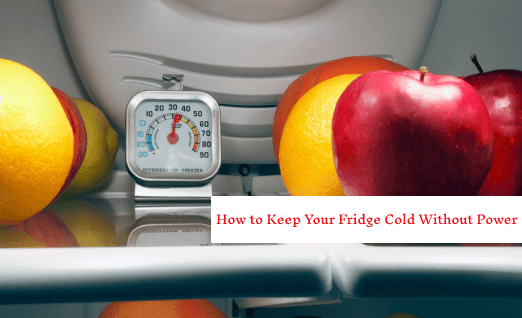
Keep a thermometer inside your fridge to track the temperature. Ideally, your refrigerator should stay below 40°F (4°C) to keep food safe. Check the reading every hour if the power is out for an extended period.
If you don’t have a thermometer, how will you know if your food is still safe? It’s better to be cautious than to risk eating spoiled items. Remember, even if the fridge feels cold to the touch, the internal temperature could be rising.
Identify Spoiled Items
Look closely at your food for signs of spoilage like bad smells, discoloration, or a slimy texture. Trust your senses—if something looks or smells off, don’t take a chance. Some foods, like dairy and meat, are more prone to spoilage and should be checked more frequently.
Have you ever eaten food that seemed okay but made you feel sick later? It’s a harsh reminder that spoiled food isn’t always obvious. When in doubt, throw it out to avoid foodborne illnesses.
After Power Restores
The power is back. The refrigerator starts running again. What to do next? Acting wisely helps keep food safe and fresh.
Allow Refrigerator To Stabilize
Open the fridge door as little as possible. This keeps the cold air inside. Let the temperature return to normal. It usually takes a few hours. Avoid adding warm food until the fridge is cool again. This helps maintain the right temperature quickly.
Inspect Food Quality
Check all food items carefully. Look for signs of spoilage like bad smell, color change, or mold. Discard any food that seems unsafe. Some items, like dairy and meat, spoil faster. When in doubt, throw it out. Keeping bad food risks health problems.
Credit: www.renogy.com
Frequently Asked Questions
How Long Does A Fridge Stay Cold Without Power?
A refrigerator can stay cold for about 4 hours if unopened. A full freezer can keep food frozen for 48 hours. Keeping doors closed preserves cold air and extends freshness during power outages.
Can Ice Packs Keep My Fridge Cold Longer?
Yes, placing ice packs or bags of ice in the fridge helps maintain low temperatures. Ice absorbs heat and slows warming. Replace ice packs as they melt to keep the fridge cold longer.
Should I Open The Fridge During A Power Outage?
Avoid opening the fridge to keep cold air inside. Each time you open the door, warm air enters, raising the temperature. Limit access to essential items only during power outages.
How Can I Prepare My Fridge For A Power Cut?
Before a power outage, freeze water bottles or ice packs. Group foods together to retain cold. Set fridge temperature to the coldest setting to maximize cooling before power loss.
Conclusion
Keeping your refrigerator cold during a power outage is possible. Close the door often to keep the cold air inside. Use ice packs or frozen bottles to help maintain temperature. Store perishable food together to keep it colder longer. Avoid opening the fridge until power returns.
Prepare ahead by having coolers or dry ice ready. These simple steps protect your food and save money. Stay calm and act quickly to keep things fresh. Small actions make a big difference during outages.