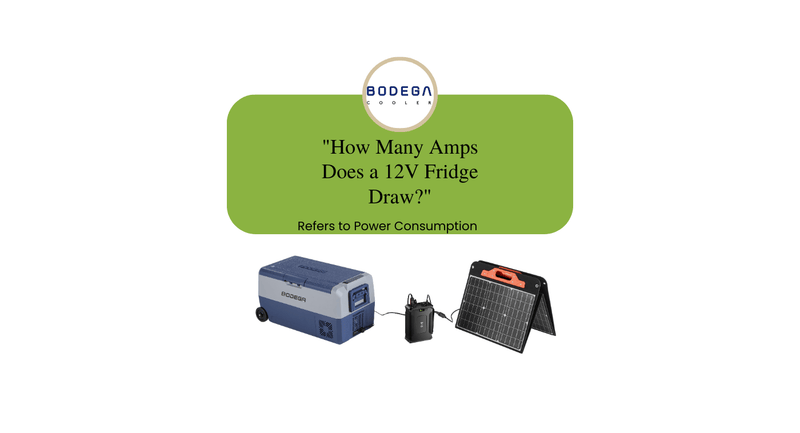
Have you ever wondered how many amps your refrigerator uses? Knowing this simple number can help you save money on your electricity bill and avoid overloading your circuits.
Whether you’re planning to install a new fridge or just curious about your home’s energy use, understanding your refrigerator’s amperage is key. Keep reading, and you’ll discover everything you need to know to make smarter decisions for your kitchen and your wallet.

Credit: joca-cable.com
Refrigerator Power Basics
Understanding the power requirements of your refrigerator is essential for managing your home’s electrical load and ensuring energy efficiency. Knowing how many amps your fridge uses helps you avoid tripping breakers and can guide you in selecting the right extension cords or surge protectors. Let’s break down the basics of refrigerator power to give you clear, practical insights.
Voltage And Current
Most refrigerators in the U.S. operate on a standard voltage of 120 volts. The current, measured in amps, indicates how much electrical flow the fridge draws during operation. Typically, a household refrigerator uses between 3 to 6 amps, but this can vary based on size and model.
Think about the last time your fridge kicked on with that familiar hum. That surge means the compressor is drawing more amps temporarily. This startup current can be two to three times higher than the running current, so it’s important to factor that in when sizing your electrical components.
Wattage And Amps Relationship
Wattage shows how much power your refrigerator consumes, and it’s closely tied to amps and voltage through a simple formula:
| Formula | Meaning |
|---|---|
| Amps = Watts ÷ Volts | This calculates the current from power and voltage. |
If your fridge uses 600 watts and operates at 120 volts, dividing 600 by 120 gives you 5 amps. This means the fridge draws 5 amps during regular operation. Knowing this helps you choose the right circuit breaker and understand your energy use better.
- Check your fridge’s wattage on the label or manual.
- Divide that wattage by your home voltage (usually 120V).
- This gives you the amp rating you need to know.
Have you ever noticed how some refrigerators run more quietly and use less power? That’s usually because they have more efficient compressors that draw fewer amps. Would knowing your fridge’s amps change how you manage your home’s electricity?

Credit: www.jackery.com
Typical Amps For Refrigerators
Understanding the typical amps for refrigerators helps manage electricity use well. Amps measure electrical current, showing how much power the fridge uses. Different types of refrigerators draw different amounts of current. Knowing these values helps with selecting the right electrical setup and avoiding overloads.
Standard Home Refrigerators
Most standard home refrigerators use between 3 and 6 amps while running. They usually require a 120-volt outlet. The starting surge can be higher, around 7 to 10 amps. Running amps vary with size and age of the fridge. Modern energy-efficient models use fewer amps compared to older ones.
Mini And Compact Models
Mini and compact refrigerators typically draw less current, about 1 to 2.5 amps. These are common in dorm rooms or offices. They often use the same 120-volt outlets. These fridges consume less power but still keep food cool effectively. Their smaller compressors need less electricity to run.
Commercial Refrigerators
Commercial refrigerators demand more power, often between 7 and 15 amps. They run on higher voltage circuits, sometimes 208 or 240 volts. Larger compressors and more frequent use increase their power needs. Proper wiring and breakers are essential for these heavy-duty units. They are designed for constant operation in busy environments.
Factors Affecting Refrigerator Amps
Refrigerator amps depend on size, model, and compressor type. Starting amps are higher than running amps, affecting power use. Temperature settings and door openings also influence the current draw.
Understanding how many amps a refrigerator uses can help you better manage your home’s energy consumption. But did you know that several factors influence this number? Whether you’re trying to lower your electricity bill or considering a new refrigerator purchase, knowing these factors can be incredibly beneficial. Let’s explore the key aspects that determine the amps a refrigerator uses.Size And Capacity
The size and capacity of your refrigerator are directly linked to how many amps it draws. Larger refrigerators generally use more power because they have more space to cool. If your household often struggles with fitting everything into the fridge, it might be tempting to go for a larger model, but remember this could mean higher energy use. Consider how much storage you really need.Compressor Type
The type of compressor in your refrigerator can also impact its amp usage. Traditional compressors turn on and off to maintain temperature, leading to higher energy consumption. Modern inverter compressors adjust their speed based on cooling needs, making them more efficient. If you’re shopping for a new fridge, it might be worth investing in a model with an inverter compressor for potential savings on your electricity bill.Energy Efficiency Ratings
Energy efficiency ratings can provide insights into how much power a refrigerator uses. Models with higher ratings typically consume less power, even if they’re larger in size. Check for Energy Star labels or similar certifications to ensure you’re choosing an efficient appliance. Have you ever noticed how two fridges of the same size can have different energy ratings? This could be the deciding factor in your purchase. By considering these factors, you can make informed decisions about your refrigerator and its impact on your energy usage. What changes can you make to ensure your refrigerator is running as efficiently as possible?Measuring Refrigerator Current Draw
Measuring the current draw of a refrigerator helps understand its energy use. This information is important for managing electricity costs and ensuring electrical safety. The current draw tells how many amps the refrigerator uses while running. Two common ways to measure this are using a clamp meter and reading the appliance label. Both methods provide useful insights into the fridge’s power needs.
Using A Clamp Meter
A clamp meter measures current without disconnecting wires. Place the clamp around one power wire going to the refrigerator. The meter shows the amps flowing through that wire. This tool reads real-time current draw, including start-up surges and steady operation. It is safe and quick for checking actual power use. To use it:
- Turn on the clamp meter and set it to measure AC amps.
- Clamp around one of the refrigerator’s power wires.
- Note the reading on the display.
This method gives an accurate amp measurement during normal fridge operation.
Reading The Appliance Label
The appliance label provides electrical data from the manufacturer. It usually appears on the back or inside the fridge door. The label lists voltage, wattage, and sometimes current in amps. Use the amps value directly if listed. Otherwise, calculate amps by dividing watts by voltage. For example:
| Power (Watts) | Voltage (Volts) | Current (Amps) |
|---|---|---|
| 150 | 120 | 150 ÷ 120 = 1.25 |
Reading the label is simple and requires no tools. It shows typical current but not start-up spikes.
Impact On Household Electrical System
The refrigerator draws a steady current to keep food cold. This current affects the home’s electrical system. Knowing the amps a refrigerator uses helps prevent electrical issues. It also guides the proper setup of circuits and breakers. Proper planning protects appliances and maintains safety.
Circuit Breaker Requirements
Most refrigerators need a dedicated circuit breaker. The typical current draw ranges from 3 to 6 amps. The breaker should support at least 15 amps to handle startup surges. Using a breaker with the right rating prevents trips and power loss. A dedicated circuit reduces interference with other devices.
Avoiding Overloads
Refrigerators can cause overloads if circuits carry too many devices. Overloads lead to breaker trips and possible damage. Keep the refrigerator on a separate circuit to avoid this. Check the total amps of all devices on one circuit. Ensure the combined load stays below the breaker’s rating.
Reducing Refrigerator Power Consumption
Cutting down your refrigerator’s power use doesn’t just lower your electric bill—it also helps your appliance last longer. Small changes can make a big difference in the amps your refrigerator draws daily. Let’s look at some practical ways to reduce energy consumption while keeping your food fresh and your wallet happy.
Proper Maintenance Tips
Keeping your refrigerator clean and well-maintained can reduce its power consumption significantly. Dust and dirt on coils force the compressor to work harder, which increases amps drawn. Try to clean the coils every six months using a vacuum or a brush.
Check door seals regularly. If the seal is loose or cracked, cold air escapes and your fridge uses more power to stay cool. Simply replacing worn seals can save you noticeable energy.
Optimizing Temperature Settings
Setting your refrigerator and freezer to the right temperatures is a simple way to save power. Aim for 37-40°F (3-4°C) in the fridge and 0°F (-18°C) in the freezer. Colder settings don’t always mean better preservation but do increase electricity use.
Have you noticed your fridge running constantly? It might be too cold. Adjusting temperature controls can lower amps without risking food safety. Use a fridge thermometer to check and fine-tune settings for balance.
Upgrading To Energy-efficient Models
Older refrigerators can draw up to three times more amps than newer, energy-efficient models. If your fridge is over 10 years old, it might be worth considering a replacement. Look for ENERGY STAR certified models that use advanced insulation and compressors to cut power use.
Energy-efficient fridges often have features like variable speed compressors that adjust power based on cooling needs. This means lower amps during off-peak times. Investing in a newer model can pay off quickly through lower electric bills.
Common Misconceptions About Refrigerator Amps
Many people misunderstand how a refrigerator uses electricity, especially when it comes to amps. It’s easy to think that the current stays the same the whole time, but that’s not true. Knowing the difference between startup and running amps can save you from confusion and help you pick the right circuit or fuse for your fridge.
Startup Vs. Running Current
When your refrigerator first turns on, it needs a burst of power to start the compressor. This initial surge is called the startup current, and it can be two to three times higher than the running current. For example, a fridge that runs at 2 amps might draw 6 amps or more at startup.
This means your circuit breaker or fuse should handle the higher startup current to avoid tripping. If you only look at the running amps, you might underestimate the power needed and face unexpected power cuts. Have you ever noticed your lights flicker when your fridge kicks on? That’s the startup current in action.
Effect Of Frequent Door Openings
Opening your fridge door often makes the compressor work harder and longer. Each time warm air enters, the refrigerator uses more amps to cool back down to the set temperature. This can raise the average running current and increase your electricity bill without you realizing it.
Think about how many times you open your fridge daily. Could reducing door openings lower your power use? Keeping the door closed as much as possible helps keep the amp draw steady and your fridge running efficiently.

Credit: www.renogy.com
Frequently Asked Questions
How Many Amps Does A Typical Refrigerator Use?
A typical refrigerator uses between 3 to 6 amps during normal operation. Startup amps can be higher, around 7 to 15 amps. The exact current depends on the model, size, and efficiency of the fridge.
What Affects The Refrigerator’s Amp Consumption?
Amp consumption depends on the refrigerator’s size, compressor type, and energy efficiency. Larger fridges with powerful compressors draw more amps. Energy-efficient models use less current to maintain cooling.
Can I Use A Standard Circuit For My Refrigerator?
Most refrigerators require a 15-20 amp dedicated circuit. Using a standard circuit prevents overloads and ensures stable operation. Always check the manufacturer’s specifications for exact amp requirements.
Why Does My Refrigerator Draw More Amps Sometimes?
Refrigerators draw more amps during startup or defrost cycles. The compressor needs extra power to start cooling. Additionally, older or malfunctioning fridges may consume higher amps due to inefficiency.
Conclusion
Knowing how many amps a refrigerator uses helps you plan electrical needs. Most fridges draw between 3 and 6 amps while running. Starting amps can be higher but only last a moment. This info keeps your home safe from overloads and saves energy.
Always check your refrigerator’s label or manual for exact numbers. Simple steps like this protect your appliances and your wallet. Understanding amps makes managing your electricity easier and smarter.