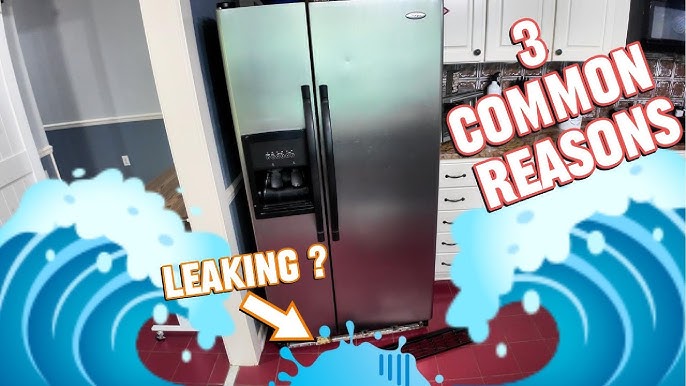
Is water pooling on your kitchen floor every time you open the fridge? You might be wondering, “Why is my refrigerator leaking water on the floor?” This annoying problem can cause damage to your floors and create a mess that’s hard to ignore.
But don’t worry—you’re not alone, and fixing it may be easier than you think. Keep reading to discover the most common reasons behind this leak and simple steps you can take to stop it for good. Your fridge—and your floor—will thank you!
Common Causes Of Refrigerator Leaks
Finding a puddle of water under your refrigerator can be frustrating and confusing. Understanding the common causes of refrigerator leaks can help you fix the problem quickly and avoid damage to your floors. Let’s look at the typical reasons why water might be pooling around your fridge and what you can do about each issue.
Clogged Defrost Drain
The defrost drain is designed to channel melted frost away from the freezer compartment. If this drain gets clogged with food particles or ice, water can back up and leak onto your floor. Clearing the drain with warm water or a pipe cleaner often solves the problem.
Damaged Door Seal
Your refrigerator door seal keeps cold air inside and moisture outside. A torn or loose seal lets warm air in, causing condensation to form and drip. Check your door gasket for cracks or gaps and replace it if you notice any damage.
Blocked Or Frozen Drain Pan
Underneath your fridge, there’s a drain pan that collects water from the defrost cycle. If the pan is blocked or frozen, water won’t evaporate properly and can spill onto the floor. Regularly inspecting and cleaning this pan can prevent leaks.
Improper Leveling
If your refrigerator isn’t level, water may not flow correctly through the drainage system. This can cause leaks inside or outside the fridge. Use a level tool to check and adjust the fridge’s feet to keep it balanced and drain water properly.
Faulty Water Filter Or Line
If your refrigerator has a water dispenser or ice maker, leaks can come from a damaged filter or water line. Cracks, loose fittings, or expired filters can cause water to drip. Inspect these parts regularly and replace them when needed to keep leaks at bay.
Credit: dengarden.com
Identifying The Leak Source
Finding the source of water leaking from a refrigerator is essential. Water on the floor means something inside is not working right. You must look carefully inside and outside the fridge. Check common spots where leaks usually start. This will help fix the problem quickly and avoid bigger damage.
Checking The Drainage System
The drainage system removes melted ice and water inside the fridge. Blocked or frozen drain holes can cause water to pool and leak out. Look for water or ice around the drain hole at the back or bottom of the fridge. Clear any dirt or ice blocking the drain pipe. Use warm water or a small brush to clean the drain and prevent future clogs.
Inspecting Door Seals
Door seals keep cold air inside and prevent moisture build-up. If seals are broken or dirty, warm air enters the fridge. This causes condensation and water leaks. Check seals for cracks, tears, or dirt. Clean seals with warm soapy water. Replace seals if they are damaged or not sealing properly to stop leaks.
Examining The Water Supply
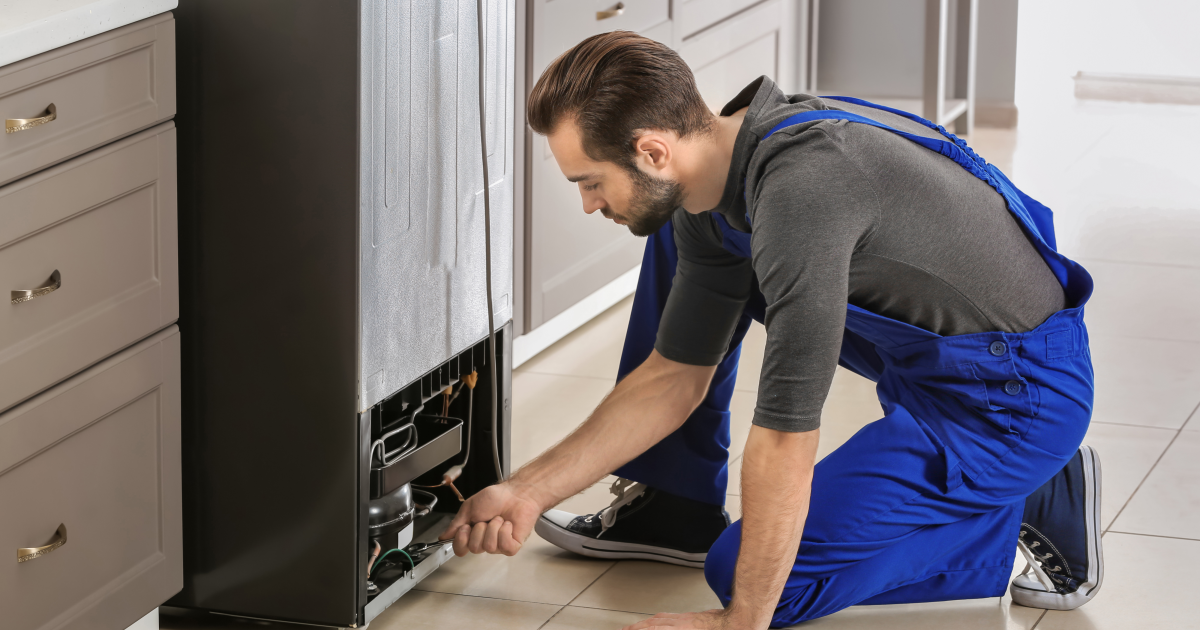
Refrigerators with ice makers or water dispensers have water supply lines. These lines can crack or come loose over time. Check the water line behind the fridge for drips or damage. Tighten any loose connections. Replace damaged hoses to stop water from leaking on the floor. Also, check the water filter for leaks or blockages.
Quick Fixes For Leaks
Water pooling on the floor often comes from a clogged or frozen defrost drain. Checking and clearing this drain can stop leaks quickly. Sometimes, a damaged door seal lets moisture escape, causing water to drip outside.
Is your refrigerator turning your kitchen floor into a mini swimming pool? A leaking fridge is not just annoying but can also lead to more serious issues if not addressed promptly. Luckily, many common causes of refrigerator leaks can be fixed quickly and easily. Let’s dive into some practical solutions that can help you tackle those pesky leaks.Clearing The Defrost Drain
The defrost drain can often become clogged with food particles or ice, leading to leaks. Start by locating the drain, usually found at the back of the fridge. Use a turkey baster filled with warm water to flush out any debris. If the clog is stubborn, a mix of baking soda and water can help dissolve it.Replacing Or Repairing Door Gaskets
A worn-out door gasket can let warm air in, causing condensation that may drip onto your floor. Check the seal by closing the door on a piece of paper. If it slides out easily, the gasket might need replacement. It’s a simple process: remove the old gasket and snap in a new one. Make sure the new seal is tight for optimal efficiency.Leveling The Refrigerator
Did you know that an uneven fridge could cause it to leak? Use a spirit level to check if your fridge is balanced. Adjust the feet at the bottom until it’s perfectly level. This not only prevents leaks but also helps your fridge work more efficiently.Unclogging Or Emptying Drain Pan
The drain pan collects excess water and can overflow if not emptied regularly. Pull out the pan, usually found at the bottom of the fridge, and pour out the water. Clean it with soap and water to prevent mold buildup. Remember to check it periodically to avoid future leaks.Changing The Water Filter
A clogged water filter can also lead to leaks. Replace the filter every six months to ensure it functions correctly. Check your fridge’s manual for the specific type of filter you need. A fresh filter not only prevents leaks but also ensures your water tastes great. Addressing these issues can save you from potential headaches and costly repairs. Have you ever tried any of these quick fixes? How did it work out for you? Share your experiences in the comments below!
Credit: www.servpro.com
Preventive Maintenance Tips
Preventing water leaks from your refrigerator starts with consistent and careful maintenance. Small actions taken regularly can save you from costly repairs and messy floors. Are you paying attention to the details that keep your fridge running smoothly?
Regular Cleaning Schedule
Cleaning your refrigerator isn’t just about hygiene; it plays a crucial role in preventing leaks. Food particles and debris can block drainage holes, causing water to overflow onto the floor.
Set a routine to clean the drip pan and defrost drain every month. Wiping down these areas helps water flow as it should and keeps mold and odors at bay.
Ensuring Proper Installation
Your fridge needs to be level to function correctly. If it’s tilted forward or backward, water may not drain properly, leading to leaks.
Check if your refrigerator sits flat on the floor. Adjust the leveling legs or use shims to make sure it’s stable. Have you noticed if your fridge rocks when you nudge it?
Monitoring Water Supply Lines
If your refrigerator has an ice maker or water dispenser, the supply lines could be the source of leaks. Over time, these hoses can crack, loosen, or develop holes.
Inspect the water lines regularly for any signs of wear or moisture. Tighten any loose connections and replace damaged hoses promptly to avoid unexpected flooding.
Checking Seals Periodically
The door seals keep cold air in and moisture out. Damaged or dirty seals can let warm air in, causing condensation and water buildup inside the fridge.
Run your hand along the seal to feel for gaps or cracks. Clean the seals with warm, soapy water to keep them flexible. If you find any tears, replacing the seal is a simple fix that can stop leaks.
When To Call A Professional
Knowing when to call a professional for a leaking refrigerator can save you time, money, and frustration. Some issues are simple to fix yourself, but others need expert attention. Ignoring serious problems could lead to bigger damage or even safety risks.
Persistent Or Large Leaks
If water keeps pooling on your floor despite your attempts to clean and dry it, this is a red flag. Large or ongoing leaks often mean internal parts like the drain pan or water lines are damaged or clogged. You might try to fix it, but a professional can accurately diagnose the source and prevent future messes.
Electrical Component Issues
Water near electrical parts inside your fridge is dangerous. If you notice moisture around wiring, lights, or control panels, don’t touch anything. Calling a technician ensures the problem is handled safely and prevents potential shocks or fires.
Complex Repairs
Some leaks come from hard-to-reach or sensitive components like the defrost system, compressor, or sealed refrigeration lines. These repairs require special tools and skills that most homeowners don’t have. If your fridge needs this level of repair, a professional is your best bet to restore it correctly.

Credit: www.doityourself.com
Frequently Asked Questions
Why Is My Refrigerator Leaking Water On The Floor?
Water leaks often come from a clogged or frozen defrost drain. Check for blockages or ice buildup. Also, inspect the drain pan and door seals for damage.
How Do I Fix A Leaking Fridge Drain Pipe?
Unclog the drain pipe with warm water or a pipe cleaner. Avoid harsh chemicals. Regular cleaning prevents future leaks and keeps water flowing freely.
Can A Faulty Door Seal Cause Water Leaks?
Yes, damaged or loose door seals allow warm air inside. This causes condensation and water pooling on the floor. Replace seals if you notice cracks or gaps.
Does The Fridge Water Filter Cause Leaks?
A loose or cracked water filter can leak. Ensure the filter is properly installed and replace it if damaged. Regular filter changes help maintain leak-free operation.
Conclusion
A leaking refrigerator can cause many problems at home. Small leaks often come from blocked drains or broken seals. Check the drain pan and water line regularly. Fixing these issues early saves money and stress. Keep your fridge clean and well maintained.
This helps it work better and longer. Don’t ignore water on the floor. Act quickly to protect your floors and food. Simple steps can stop leaks and keep your kitchen dry. Stay alert and take care of your appliance.