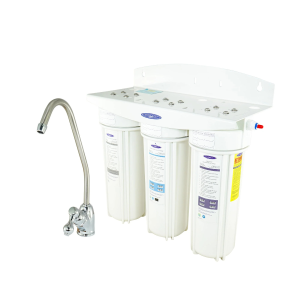
Are you wondering if your refrigerator filter can remove fluoride from your drinking water? You’re not alone.
Many people want clean, safe water but aren’t sure what their filters can actually do. Understanding how these filters work and what they can remove is key to making the best choice for your health. Keep reading to find out the truth about fluoride and your refrigerator filter—and what steps you can take to get the pure water you deserve.
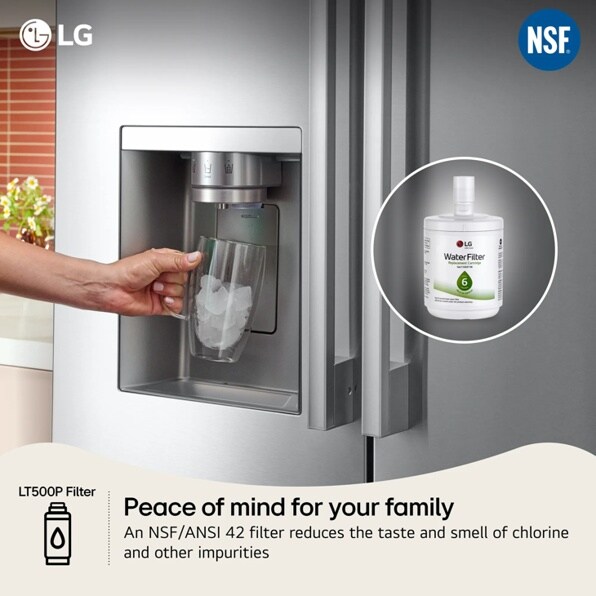
Credit: www.lg.com
How Refrigerator Filters Work
Understanding how refrigerator filters work can help you decide if they meet your water purification needs, especially when it comes to removing specific substances like fluoride. These filters primarily improve the taste and safety of your drinking water by targeting various contaminants. But how exactly do they do this, and what types of filters are commonly used?
Types Of Refrigerator Filters
There are mainly two types of filters found in refrigerators:
- Carbon Filters:These use activated carbon to trap impurities. They’re great at reducing chlorine, odors, and some chemicals.
- Reverse Osmosis Filters:Less common in refrigerators but highly effective, these filters push water through a semi-permeable membrane to remove a broad range of contaminants.
Most refrigerator filters rely on activated carbon technology because it balances cost and effectiveness well. However, this type usually doesn’t remove fluoride, which requires more specialized filtration.
Common Contaminants Removed
Refrigerator filters typically target:
- Chlorine – improves taste and smell
- Lead and mercury – harmful heavy metals
- Sediment – dirt and rust particles
- Volatile organic compounds (VOCs) – chemicals from plastics and fuels
These filters excel at making water cleaner and more pleasant to drink. But if fluoride removal is your goal, you might need to look beyond standard refrigerator filters. Have you checked what your filter specifically removes before trusting it for fluoride reduction?
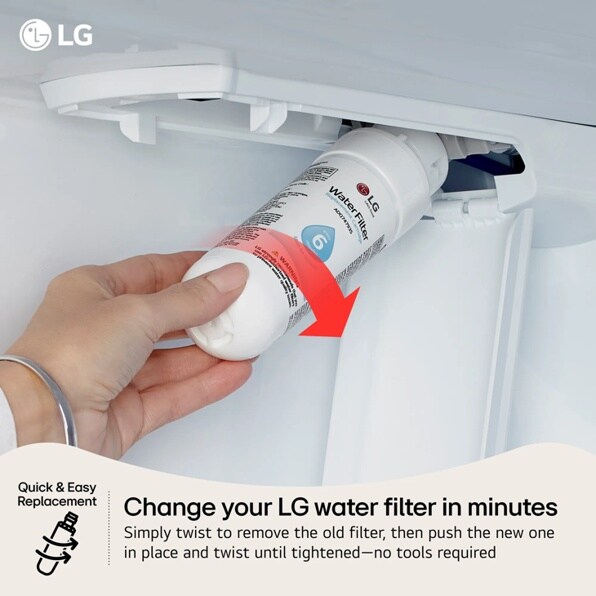
Credit: www.lg.com
Fluoride In Drinking Water
Fluoride in drinking water has been a topic of debate for many years. You might have noticed fluoride listed as an ingredient in your local water supply. Understanding why it’s added and how it affects your health can help you make better decisions about your water filtration needs.
Purpose Of Fluoride Addition
Fluoride is commonly added to public water supplies to help reduce tooth decay. It strengthens tooth enamel, making teeth more resistant to acid attacks from bacteria. This practice started in the mid-20th century and has been credited with improving dental health in many communities.
Besides dental benefits, fluoride can sometimes be found naturally in water sources. However, the levels vary widely, so controlled addition ensures a safe and consistent amount. Have you ever wondered if the fluoride you consume daily is really necessary for your dental health?
Health Impacts Of Fluoride
While fluoride helps prevent cavities, too much of it can cause health problems. Excessive fluoride intake may lead to dental fluorosis, which causes discoloration or spotting on teeth. In rare cases, very high levels can affect bones and other tissues.
Many people worry about the long-term effects of fluoride exposure. Research shows that when consumed at recommended levels, fluoride is generally safe for most people. Still, if you are concerned about fluoride in your water, knowing how to remove or reduce it can be important for your peace of mind.
Filtration And Fluoride Removal
Filtration and fluoride removal from drinking water is a topic that often stirs curiosity and concern. Many people rely on refrigerator filters to purify their water, but can these filters effectively remove fluoride? Understanding the capabilities and limitations of these filters is essential for making informed decisions about your water consumption.
Filter Technologies That Target Fluoride
Refrigerator filters are designed with various technologies, but not all are equipped to remove fluoride. Some advanced filtration systems use activated alumina, a method known for its fluoride removal capabilities. This technology works by adsorbing fluoride ions, thus reducing fluoride levels in your water.
Reverse osmosis systems, another effective technology, can also be installed alongside refrigerator filters. These systems are known for their high efficiency in removing fluoride and other contaminants. Investing in a system that combines both can provide a comprehensive solution for those concerned about fluoride.
Limitations Of Refrigerator Filters
Standard refrigerator filters primarily focus on removing chlorine, sediments, and odors. Fluoride, being a smaller particle, often slips through these basic filters. This means that while your water may taste better, it might still contain fluoride.
Moreover, not all refrigerator filters are created equal. Some might claim to reduce fluoride, but the effectiveness can vary significantly. It’s crucial to read product specifications and reviews to understand what your filter can and cannot do.
Consider whether the convenience of a refrigerator filter outweighs the need for specialized fluoride removal. Are you willing to invest in additional filtration systems for peace of mind? It’s a personal decision that depends on your priorities and water quality needs.

Credit: www.acewatershop.com.au
Testing Fluoride Removal Effectiveness
Testing the effectiveness of a refrigerator filter in removing fluoride requires careful examination. Fluoride is a small ion, which makes it challenging to filter out. Accurate testing helps understand whether the filter reduces fluoride to safe levels. This section covers key methods used to measure fluoride and reviews studies on how well refrigerator filters perform.
Methods To Measure Fluoride Levels
Several techniques exist to measure fluoride in water samples. These methods help verify if a filter reduces fluoride effectively.
- Ion-Selective Electrode (ISE):This sensor detects fluoride ions directly in water.
- Colorimetric Test Kits:Chemical reagents change color based on fluoride concentration.
- Ion Chromatography:A lab method separating ions to measure fluoride precisely.
- Fluoride Test Strips:Simple and quick, but less accurate than lab methods.
Using these tools, one can compare fluoride levels before and after filtration. Accurate measurement is crucial to assess filter performance.
Studies On Refrigerator Filter Performance
Research shows most refrigerator filters focus on chlorine and sediment, not fluoride. Testing often reveals little to no fluoride reduction. Some filters use activated carbon, which does not remove fluoride well. Reverse osmosis or specialized fluoride filters are more effective alternatives. Independent tests confirm standard refrigerator filters rarely lower fluoride significantly.
Consumers should check product details and test results before trusting fluoride removal claims. Scientific studies help identify filters that truly reduce fluoride for safer drinking water.
Alternatives To Remove Fluoride
If you’re concerned about fluoride in your drinking water, you might wonder which filtration options truly make a difference. While standard refrigerator filters often fall short in removing fluoride, there are effective alternatives designed specifically for this purpose. Understanding these options can help you choose a solution that fits your needs and lifestyle.
Reverse Osmosis Systems
Reverse osmosis (RO) systems are among the most reliable ways to reduce fluoride levels. They work by forcing water through a semi-permeable membrane, which blocks fluoride along with other contaminants.
Many homeowners install RO systems under their sinks for easy access to filtered water. If you’ve ever tasted RO-filtered water, you might notice it has a cleaner, crisper profile.
Keep in mind, RO systems do waste some water during filtration, so consider your environmental impact and water usage.
Activated Alumina Filters
Activated alumina is a special filter media known for its strong ability to absorb fluoride. These filters can reduce fluoride by up to 90% when properly maintained.
They often come in cartridge form, making replacement straightforward and affordable. If you’re looking for a solution specifically targeting fluoride, activated alumina filters are worth considering.
However, the effectiveness depends on water pH and contact time, so following manufacturer guidelines is crucial.
Other Specialized Filters
Besides RO and activated alumina, several other filters can reduce fluoride, such as bone char and certain ion exchange filters. Bone char filters use carbonized animal bones to trap fluoride ions.
Ion exchange filters swap fluoride ions for other harmless ions, effectively lowering fluoride concentration. These options might be less common but can fit specific needs.
Have you checked your current water filter’s specifications? Sometimes, specialized fluoride removal is clearly stated, helping you avoid guesswork.
Choosing The Right Water Filter
Choosing the right water filter is important for safe, clean drinking water. Not all filters remove fluoride effectively. Some filters remove chlorine, sediment, and bad tastes but let fluoride pass through. Knowing which filter works best helps protect your health.
Filters come in many types. Some use activated carbon, others use reverse osmosis or special media to remove fluoride. Understanding what each filter does can save time and money. Choose a filter that matches your water quality and needs.
Filter Certifications To Look For
Certifications show a filter’s tested performance. Look for these:
- NSF/ANSI Standard 53 – for health-related contaminants, including fluoride
- NSF/ANSI Standard 42 – for improving taste and odor
- WQA Gold Seal – ensures product quality and safety
Filters certified for fluoride removal will list it clearly. Always check product labels and certifications before buying.
Maintenance And Replacement Tips
Filters need regular care to work well. Follow these tips:
- Replace filters on time as per manufacturer instructions
- Clean filter housings to prevent bacteria growth
- Check water flow; slow flow may mean a clogged filter
- Keep spare filters handy to avoid delays
Proper maintenance keeps water safe and filter life longer. Neglecting filter changes reduces fluoride removal and water quality.
Frequently Asked Questions
Does A Refrigerator Filter Remove Fluoride Effectively?
Most standard refrigerator filters do not remove fluoride. Fluoride is a small ion and requires specialized filters like reverse osmosis. Check the filter specifications for fluoride removal before relying on it for this purpose.
What Types Of Filters Remove Fluoride From Water?
Reverse osmosis and activated alumina filters effectively remove fluoride. Most carbon-based filters in refrigerators cannot reduce fluoride levels. Choose filters specifically designed for fluoride removal for safer drinking water.
Can I Trust My Fridge Filter For Safe Fluoride Levels?
No, typical fridge filters are not designed to reduce fluoride. They mainly remove chlorine, taste, and odors. Use specialized filtration systems if you want to lower fluoride in your drinking water.
How To Know If My Water Contains Fluoride?
Check your local water quality report or use test kits. Fluoride is commonly added in municipal water for dental health. Testing helps decide if you need fluoride-specific filtration.
Conclusion
Refrigerator filters mostly remove chlorine and bad taste from water. They do not effectively remove fluoride. Fluoride needs special filters like activated alumina or reverse osmosis. For safe drinking water, check what your filter can do. Choose filters designed to remove fluoride if that is your goal.
Clean water matters for health and taste. Always read product details before buying a filter. Stay informed and choose wisely for your family’s water needs.