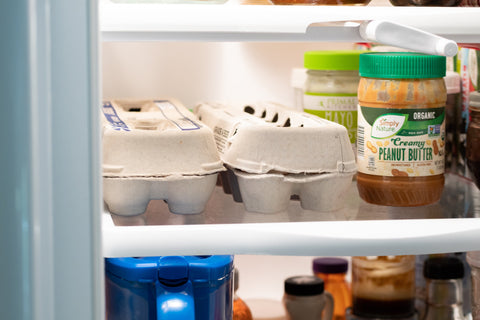
Have you ever wondered if you really need to put your fresh chicken eggs in the fridge? You might be surprised to learn that the answer isn’t as simple as you think.
How you store your eggs can affect their taste, freshness, and even your health. You’ll discover the best way to keep your eggs safe and delicious. Keep reading—your eggs and your kitchen routine might never be the same!
Why Refrigerate Eggs
Refrigerating eggs might seem like a simple habit, but it plays a crucial role in keeping them safe and fresh. Understanding why you should refrigerate eggs helps you make better choices in your kitchen. Let’s look at some important reasons behind this practice.
Eggshell Protection
The eggshell acts as the first line of defense against bacteria and dirt. However, fresh eggs have a natural coating called the “bloom” that keeps out contaminants.
Refrigeration helps maintain this protective layer for longer. Without the cold, moisture and air can break down the bloom, making eggs more vulnerable.
Bacterial Growth Risks
Eggs can carry bacteria like Salmonella, which multiply quickly at room temperature. Cooling eggs slows down bacterial growth dramatically, reducing the risk of foodborne illness.
Have you ever wondered why some countries refrigerate eggs while others don’t? It often comes down to how the eggs are processed and cleaned before sale, affecting their risk level.
Shelf Life Impact
Refrigerated eggs last much longer than those left at room temperature. While fresh eggs can stay good for about two weeks on the counter, refrigeration extends their usability to five weeks or more.
Keeping eggs cold ensures you waste less food and save money. If you’ve ever cracked open a spoiled egg, you know how valuable this extra shelf life can be.

Credit: www.youtube.com
Egg Storage Practices Worldwide
Egg storage practices vary widely around the world, influenced by local food safety standards, climate, and cultural habits. These differences affect whether fresh chicken eggs need refrigeration or can be safely kept at room temperature. Understanding these global approaches can help you decide the best way to store your eggs, depending on where you live or travel.
Us Refrigeration Norms
In the United States, fresh eggs are almost always refrigerated. This is because eggs are washed and sanitized before sale, which removes the natural protective coating on the shell. Without this coating, eggs become more vulnerable to bacteria, so refrigeration is necessary to keep them safe.
If you’ve ever visited a grocery store in the US, you’ll notice eggs stored in coolers rather than on open shelves. This standard is backed by the USDA and other food safety organizations. You might ask yourself, if you buy fresh eggs from a local farmer’s market in the US, should you refrigerate them immediately? The answer is yes, to maintain freshness and reduce health risks.
European Room Temperature Approach
Many European countries don’t refrigerate eggs in stores or homes. They rely on a different system where eggs are not washed before sale. This leaves the natural protective layer intact, which helps keep bacteria out and preserves freshness at room temperature.
In countries like the UK, France, and Germany, you’ll often find eggs displayed on shelves at room temperature. This approach saves energy and fits with their food safety regulations. However, once you crack the egg or wash it, refrigeration becomes important to avoid spoilage.
Other Global Methods
In some parts of Asia and Africa, egg storage depends heavily on the local climate. In cooler regions, eggs may be kept at room temperature without much risk. In hotter climates, refrigeration or other preservation methods like pickling or storing in ash are common.
Have you ever thought about how traditional methods might be safer or more sustainable in certain contexts? For example, rural communities often use natural cool cellars or clay pots to keep eggs fresh. These alternatives highlight the diverse ways people handle egg storage beyond just refrigeration.
Freshness And Quality Factors
Freshness and quality of chicken eggs depend on several factors. These elements influence how long eggs stay good and safe to eat. Understanding these factors helps decide if refrigeration is necessary.
Egg Coating Role
Fresh eggs have a natural coating called the cuticle. This thin layer protects eggs from bacteria and moisture loss. It keeps the egg fresh longer without refrigeration. The coating seals tiny pores on the shell. Once this layer is intact, eggs stay safe at room temperature for days.
Washing Effects
Washing eggs removes dirt but also strips away the protective coating. Without this layer, eggs become vulnerable to bacteria. Washed eggs need refrigeration to prevent spoilage. In many countries, eggs are cleaned before sale, requiring cold storage. Unwashed eggs can be kept outside the fridge safely for a short time.
Temperature Fluctuations
Sudden changes in temperature harm egg quality. Moving eggs from cold to warm causes condensation on the shell. Moisture encourages bacteria growth inside the egg. Keeping a steady temperature helps maintain freshness. Refrigerated eggs should stay cold to avoid this risk. Room temperature eggs should not be chilled suddenly.

Credit: www.mirror.co.uk
When Refrigeration Is Necessary
Deciding whether or not to refrigerate fresh chicken eggs can sometimes feel like a culinary puzzle. The answer, however, often depends on a few key factors. In certain scenarios, refrigeration becomes essential to maintain the quality and safety of your eggs.
Commercially Bought Eggs
When you purchase eggs from a store, they have usually been washed, removing the natural protective coating known as the “bloom”. This makes them more susceptible to bacteria like Salmonella, and therefore, refrigeration is crucial. Keeping them cold helps preserve their freshness and prevents potential health risks.
Home-collected Eggs
If you’re lucky enough to have backyard chickens, you might wonder if your freshly laid eggs need the fridge. Freshly collected eggs with the bloom intact can be stored at room temperature for a limited time, especially if consumed quickly. However, if you wash them or plan to store them for longer periods, refrigeration is wise.
Climate Considerations
Your local climate can play a significant role in deciding if refrigeration is necessary. In hotter and more humid areas, eggs can spoil faster at room temperature. So, if you live in such a climate, refrigerating your eggs can ensure they stay fresh and safe to eat.
Have you ever noticed a difference in taste or texture between refrigerated and room-temperature eggs? This could be an interesting experiment to try. Understanding when and why to refrigerate your eggs can enhance your culinary adventures and keep your meals safe.
Best Practices For Storing Fresh Eggs
Storing fresh eggs properly keeps them safe and tasty for longer. Eggs need specific conditions to stay fresh. Poor storage can cause spoilage and bad odors. Follow these best practices to maintain egg quality and safety.
Ideal Temperature Range
Eggs store best at cool temperatures. Keep eggs between 33°F and 40°F (1°C to 4°C). This range slows bacterial growth. Avoid placing eggs near the freezer or warm spots. Consistent temperature helps preserve freshness.
Storage Duration
Fresh eggs last about three to five weeks in the fridge. Store eggs with the pointed end down to keep yolks centered. Check eggs regularly for cracks or odors. Use older eggs first to reduce waste.
Handling Tips
- Wash hands before and after handling eggs.
- Do not wash eggs before storing; it removes protective coating.
- Keep eggs in their original carton to protect them.
- Avoid storing eggs in the refrigerator door; temperature fluctuates there.
- Use clean containers and surfaces when handling eggs.

Credit: www.allrecipes.com
Signs Of Spoiled Eggs
Knowing the signs of spoiled eggs is essential to keep your meals safe and tasty. Fresh chicken eggs can sometimes go bad without obvious signs, so it’s important to check them carefully. You don’t want to crack open an egg only to find it unusable or, worse, harmful.
Visual Indicators
Start by looking at the eggshell. If you notice cracks, sliminess, or powdery spots, these could be signs of mold or bacteria. A discolored shell or unusual spots also suggest the egg might be spoiled.
Once cracked open, a spoiled egg often has cloudy or pinkish egg white instead of clear and thick. The yolk might look flat or runny rather than round and firm. Trust your eyes—they rarely lie when it comes to freshness.
Smell Test
Nothing beats the smell test for detecting bad eggs. Fresh eggs have little to no odor, so if you catch a sulfur-like or rotten smell, toss the egg immediately. Even if the egg looks fine, a bad smell is a clear warning sign.
Have you ever been surprised by a foul smell from an egg that looked normal? It happens more often than you think, so always sniff before you cook.
Float Test
Fill a bowl with water and gently place the egg inside. Fresh eggs sink and lay flat on the bottom. If the egg stands upright or floats to the top, it’s older and possibly spoiled.
This happens because as eggs age, the air pocket inside grows larger. While floating eggs might not always be bad, it’s a strong sign to check further with visual and smell tests before use.
Myths About Egg Refrigeration
There are plenty of myths swirling around about whether you need to refrigerate fresh chicken eggs. Some people say it’s unsafe to leave eggs out at room temperature, while others claim refrigeration changes the taste or texture. Let’s clear up these misconceptions and help you decide what’s best for your eggs and your kitchen.
Room Temperature Safety
Many believe that leaving eggs on the counter invites bacteria like salmonella. However, this depends largely on where the eggs come from and how they’re handled. In countries where eggs aren’t washed before sale, the natural protective coating remains intact, making room temperature storage safer for short periods.
If you’ve bought eggs directly from a local farm or farmer’s market, you might not need to refrigerate them immediately. But once eggs have been refrigerated, avoid leaving them out for more than two hours to prevent condensation and bacterial growth.
Refrigeration Effects On Taste
Some people swear refrigerated eggs taste different—often saying they lose flavor or become rubbery when cooked. The truth is, refrigeration can slightly change the texture, especially if eggs are stored too long. Fresh, room temperature eggs tend to whip up better in baking and have a creamier yolk.
Think about your last baking session. Did you notice a difference using cold eggs versus those left out? Many chefs recommend bringing eggs to room temperature before cooking for the best results.
Freezing Eggs
Freezing whole fresh eggs in their shells is a big no-no—they can crack and cause a mess. But you can freeze eggs safely if you crack them open and whisk the yolks and whites together. Pour this mixture into ice cube trays or containers, then thaw as needed.
Freezing is a great way to save eggs that might otherwise go bad, especially if you buy in bulk. Just remember to label your containers with the date and use frozen eggs within a year for best quality.
Frequently Asked Questions
Do Fresh Chicken Eggs Need Refrigeration?
Fresh chicken eggs do not always need refrigeration. If unwashed, their natural coating protects them. However, refrigeration extends shelf life and prevents bacteria growth.
Why Do Some Countries Refrigerate Eggs?
Countries refrigerate eggs to prevent salmonella. Washing eggs removes protective coating. Refrigeration helps maintain egg safety and freshness.
How Long Can Fresh Eggs Last Unrefrigerated?
Fresh eggs can last up to two weeks unrefrigerated if kept in a cool, dry place. Beyond that, refrigeration is recommended.
Does Washing Eggs Affect Refrigeration Needs?
Yes, washing eggs removes their natural protective layer. Washed eggs must be refrigerated to prevent contamination and spoilage.
Conclusion
Fresh chicken eggs can last longer if stored properly. Keep them in a cool, dry place away from direct sunlight. Refrigeration helps slow down bacteria growth and keeps eggs fresh for weeks. Always check eggs for cracks or dirt before storing.
Clean eggs gently if needed, but avoid washing if you plan to store them at room temperature. Knowing how to store eggs can save money and reduce waste. Safe egg storage means better taste and fewer health risks. Simple habits make a big difference in keeping eggs fresh.