
Are you wondering if your refrigerator can save you money beyond just keeping your food fresh? You might be surprised to learn that under certain conditions, your refrigerator could actually be tax deductible.
This isn’t just a small perk—it could lower your taxes and put more money back in your pocket. Keep reading to find out exactly when and how you can claim your refrigerator as a tax deduction, and don’t miss out on potential savings that many people overlook.
Your wallet will thank you!
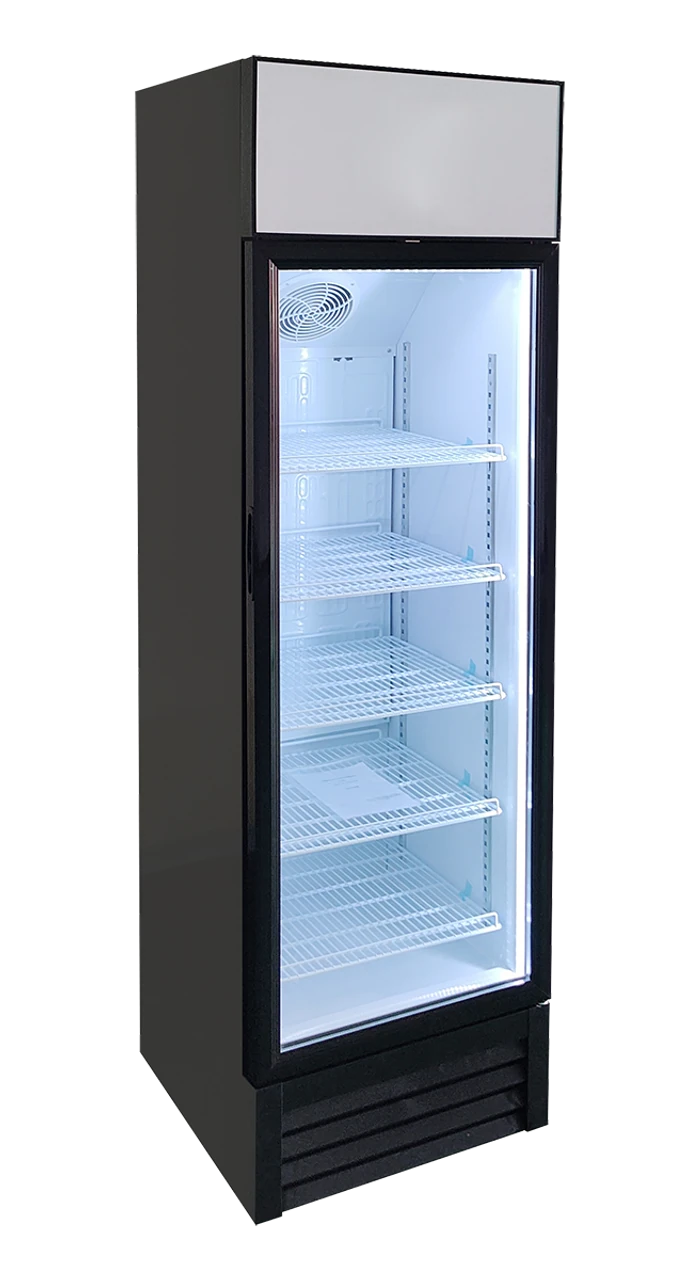
Credit: williamsfoodequipment.com
Tax Deductibility Basics
Understanding the basics of tax deductibility helps you know if a refrigerator can reduce your taxes. Tax deductions lower taxable income, which may save money. Not all appliances qualify for deductions. Rules depend on how and where you use the appliance.
When Appliances Qualify
Appliances must serve a business purpose to qualify for deductions. If a refrigerator is used mainly for work, it might be deductible. Home appliances used for personal reasons usually do not qualify. The appliance should be necessary and ordinary for your business. Keep receipts and records to prove the purchase and use.
Personal Vs Business Use
The IRS checks how much you use an appliance for business versus personal reasons. Only the business-use percentage of the cost can be deducted. For example, a fridge in a home office used 70% for business can deduct 70% of the cost. Mixing personal and business use complicates deductions. Clear documentation helps separate these uses and supports your claim.
Credit: www.costco.ca
Home Office Refrigerators
Home office refrigerators serve a specific need. They keep snacks and drinks close during work hours. This convenience can increase productivity and comfort. But can you deduct a refrigerator used in your home office on your taxes? Understanding the rules helps you avoid issues with the IRS.
Criteria For Deducting
To deduct a home office refrigerator, it must be used only for work. Personal use disqualifies the expense. The refrigerator should support business activities directly. For example, storing client samples or employee meals counts. Keep records proving the business use percentage. The space where the refrigerator sits must be part of your home office. The IRS expects clear separation from personal areas.
Common Mistakes To Avoid
- Claiming the full cost without tracking personal use.
- Deducting a refrigerator used mainly for family needs.
- Failing to keep receipts and usage logs.
- Not including the refrigerator as part of your home office setup.
- Overlooking depreciation rules that apply to appliances.
Business Refrigerators
Business refrigerators serve an important role in many companies. They store perishable goods, ingredients, or products that require cold temperatures. Buying a refrigerator for your business may be costly. Knowing the tax rules can help you save money.
Eligible Expenses
Expenses related to business refrigerators can be tax deductible. This includes the purchase price and delivery fees. Repairs and maintenance costs may also qualify. Only refrigerators used mainly for business count. Personal use refrigerators usually do not qualify. Keep receipts and records to prove the expense.
Depreciation Rules
Business refrigerators are considered assets and lose value over time. The IRS allows depreciation to spread the cost across several years. Typically, refrigerators fall under a 5-year depreciation period. You can use the Modified Accelerated Cost Recovery System (MACRS). This method helps reduce taxable income gradually. Consult tax guidelines to apply depreciation properly.
Claiming Deductions
Claiming deductions for a refrigerator can save you money, but it requires careful attention to detail. You need to know exactly what documents to keep and how to file your claim correctly. Missing a step can mean losing out on potential savings, so let’s look at what you need to do.
Required Documentation
Keep all receipts related to the purchase of your refrigerator. This includes the sales invoice, proof of payment, and any warranty or service agreements.
If your refrigerator is used for business purposes, such as storing inventory or supplies, gather records that show this. Examples include business expense logs or tax forms that link the appliance to your business activities.
Don’t forget to save any energy efficiency certifications if they came with the appliance. These can sometimes affect eligibility for specific deductions or credits.
Filing Tips
Make sure to report the refrigerator purchase on the correct tax form. Business expenses often go on Schedule C or a similar form, while personal deductions follow different rules.
Consider whether you are claiming the full cost upfront or depreciating it over time. Depreciation spreads the deduction over several years but can maximize your benefits if you use the refrigerator long-term.
Double-check deadlines and keep copies of everything you submit. Filing errors or missed deadlines can delay your refund or lead to rejections.
Have you checked if your state offers additional incentives? Sometimes local tax benefits exist alongside federal deductions.
Maximizing Your Savings
Tax rules sometimes allow deductions for refrigerators used in business. Knowing eligibility can save money on your taxes. Keep receipts and check local tax laws for details.
Maximizing Your Savings Owning a home brings a variety of financial perks, and tax deductions can be a significant part of these benefits. If you’re wondering whether your refrigerator is tax deductible, the answer might surprise you. While not typically deductible as a personal expense, there are scenarios where your fridge could offer tax advantages. Let’s explore how you can maximize these savings.Combining Deductions
Combining deductions is a smart strategy when considering tax savings. If you use your refrigerator for business purposes, such as a home-based business or rental property, you may qualify for deductions. This could include a portion of the cost, maintenance, and even energy efficiency upgrades. Think about the energy-efficient models you might have invested in. These can sometimes qualify for energy-saving tax credits, adding another layer to your potential savings. It’s about identifying where your refrigerator fits into your overall financial picture.Consulting A Tax Professional
Navigating tax laws can be complex, and consulting a tax professional can be a game-changer. They can help you understand whether your refrigerator expenses are deductible based on your specific situation. A tax expert can guide you through the nuances of what qualifies as a business expense or an energy-efficient credit. They can also ensure you’re not missing out on any potential savings opportunities. Have you ever considered how a professional’s insight might change your tax strategy? It could mean the difference between a missed opportunity and a well-earned deduction. Taking this step ensures you’re optimizing your financial benefits effectively.
Credit: solarpowerstore.ca
Recent Tax Law Changes
Recent changes in tax laws have affected how people can deduct appliances like refrigerators. These updates clarify what qualifies for deductions and what does not. Understanding these changes helps in planning purchases and tax returns better.
Impact On Appliance Deductions
The new tax rules limit deductions for home appliances. Refrigerators used only for personal use usually do not qualify. However, if the refrigerator is used for a business or rental property, deductions may apply.
Some energy-efficient appliances may get special tax credits. These credits reduce the amount of tax owed directly. The rules now require proof of purchase and energy certification for these credits.
What To Watch For
- Keep receipts and any certification documents.
- Check if the refrigerator is used in a business setting.
- Look for updates on energy-efficient appliance credits.
- Consult a tax professional to confirm eligibility.
Tax laws can change yearly. Staying informed ensures no missed opportunities or mistakes on your tax return.
Frequently Asked Questions
Are Refrigerators Tax Deductible For Business Use?
Yes, refrigerators used exclusively for business purposes may be tax deductible. You can claim depreciation or deduct the full cost if it qualifies as a business expense.
Can I Deduct A Refrigerator For Home Office?
You can deduct a refrigerator if it is used solely in your home office for business needs, but personal use limits the deduction.
What Irs Rules Apply To Refrigerator Tax Deductions?
IRS allows deductions if the refrigerator is necessary and used only for business. Keep detailed records and receipts to support your claim.
How To Claim A Refrigerator Deduction On Taxes?
Report the refrigerator expense under business equipment or office supplies. Use IRS Form 4562 for depreciation or deduct the full amount if eligible.
Conclusion
Tax rules about refrigerators can vary a lot. Usually, home refrigerators are not tax deductible. But business refrigerators might qualify if used for work. Keep receipts and check your local tax laws carefully. Always ask a tax professional for advice.
Knowing the rules can save you money. Don’t guess—get clear information. Staying informed helps you make smart choices. Tax deductions are possible, but only in certain cases. Be sure your purchase meets the requirements before claiming a deduction.