
Are you planning to store a refrigerator that you’re not using right now? Whether it’s a spare fridge or one you’re keeping for later, knowing how to store it properly can save you from costly repairs and bad odors.
If you leave it sitting without the right care, you might face mold, rust, or electrical problems when you want to use it again. In this guide, you’ll learn simple, effective steps to prepare your fridge for storage so it stays clean, fresh, and ready to work whenever you need it.
Keep reading to protect your investment and avoid surprises down the road.
Prepare The Refrigerator
Preparing your refrigerator before storing it is crucial to keep it in good condition and avoid unpleasant odors or mold growth. Taking the time to properly ready your appliance ensures it stays clean and functional for when you need it again. Let’s look at the key actions you should take to prepare your refrigerator for storage.
Empty And Clean Thoroughly
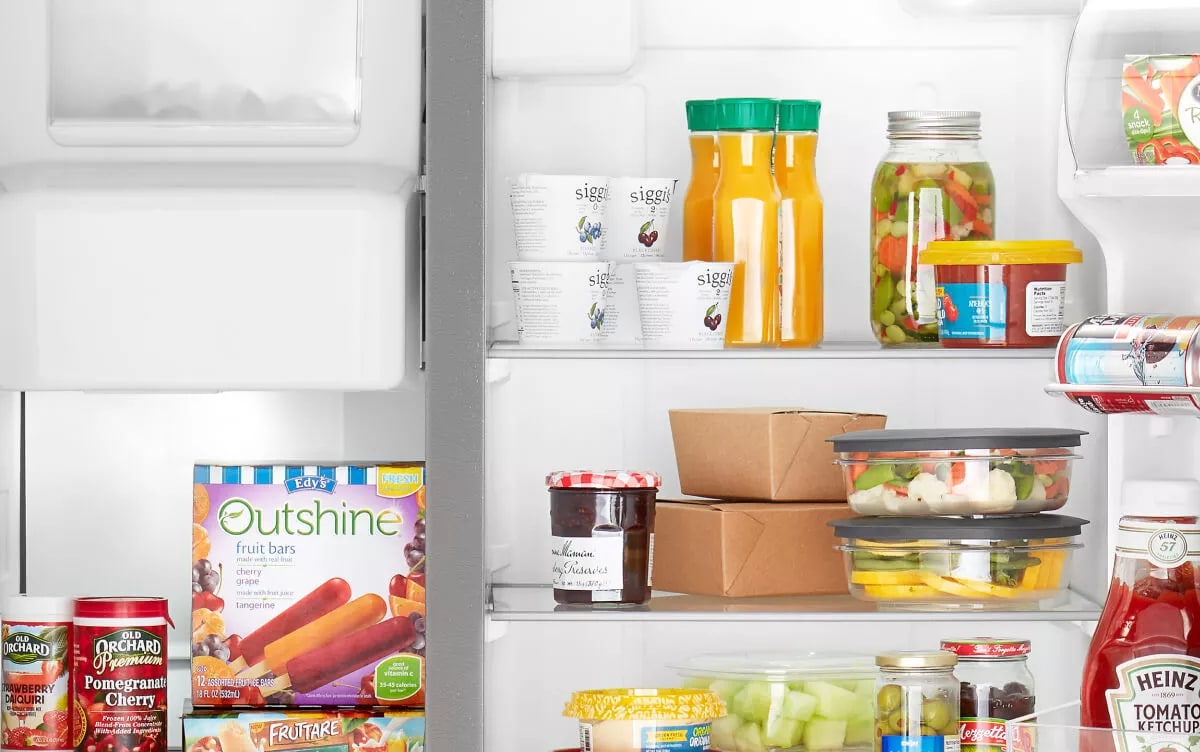
Start by removing all the food and any loose items from inside. Check expiration dates and toss anything that’s old or spoiled. Then, clean every shelf, drawer, and compartment using a mild detergent mixed with warm water.
Use a soft cloth or sponge to avoid scratching surfaces. Pay special attention to corners and seals where dirt can hide. If you skip this step, you risk trapped smells and bacteria developing while the fridge is off.
Remove And Defrost The Freezer
If your refrigerator has a freezer, empty it completely and unplug the appliance. Leave the freezer door open to let any ice melt naturally. This prevents water buildup and damage from melting ice turning into puddles.
Consider placing towels underneath to catch drips. This simple act can save you from unwanted messes and costly repairs later. Have you ever found a puddle after storing your fridge without defrosting? Avoid that hassle by making this a priority.
Dry All Surfaces Completely
After cleaning and defrosting, wipe down every surface until it’s completely dry. Moisture left inside encourages mold and mildew, which can be hard to remove and damage your fridge. Use a dry cloth and leave doors open for a few hours if possible.
Check seals and gaskets too—dryness here keeps them flexible and effective. This final step might seem small, but it protects your investment from hidden damage during storage. How often do you think about moisture control in your appliances?
Credit: www.whirlpool.com
Choose The Right Storage Location
Choosing the right place to store a refrigerator is very important. It helps keep the appliance safe and working well. A good location protects the fridge from damage and stops extra wear. Picking a spot with the right conditions will save energy and avoid problems later.
Select A Dry, Cool Area
Pick a place that stays dry to stop rust and mold. The area should be cool to avoid heat damage. Heat makes the fridge work harder, even when off. A cool spot keeps the fridge’s parts in better shape over time.
Avoid Direct Sunlight And Moisture
Do not place the fridge where sunlight hits it directly. Sunlight raises the temperature and can cause fading or cracks. Moist areas invite rust and electrical problems. Keep the fridge away from leaks, wet floors, or damp walls.
Ensure Proper Ventilation
Good airflow around the fridge prevents moisture buildup. It helps keep the fridge dry and fresh. Avoid tight spaces or covering vents with objects. Leave enough space on all sides for air to move freely.
Protect The Appliance
Clean the refrigerator thoroughly and leave the doors slightly open to prevent mold and odors. Store it in a dry, cool place away from direct sunlight. Cover the appliance with a breathable cloth to protect it from dust.
Protecting your refrigerator when it’s not in use is crucial to ensure its longevity and efficiency. You might think simply unplugging it is enough, but there are several steps to consider to prevent damage and maintain its condition. Whether you’re storing it for a few months or a longer period, following these guidelines will help keep your appliance in top shape.Keep Doors Slightly Open
Leaving the doors slightly open prevents unpleasant odors and mold. A closed environment can quickly become a breeding ground for bacteria. Use a small object, like a rolled-up towel, to keep the doors ajar. This simple trick ensures air circulation and keeps the interior fresh. Have you ever opened an unused fridge only to be hit by a musty smell? Avoid that by allowing air to flow freely.Cover With A Breathable Material
It’s tempting to wrap your refrigerator tightly to keep out dust, but this can trap moisture. Instead, use a breathable material like an old sheet or a specialized appliance cover. This approach protects the exterior from dust while allowing moisture to escape. Think of it as giving your fridge a comfortable blanket that lets it breathe. A tight plastic wrap might seem secure, but it can cause more harm than good.Secure Loose Parts And Accessories
Ensure all shelves and drawers are tightly secured or removed. Loose parts can rattle and get damaged during transportation or storage. Gather all small accessories and store them in a box inside the fridge. This organization prevents loss and makes it easier when you’re ready to set up again. Remember that time you lost a fridge shelf clip? Securing parts now saves you from future frustration.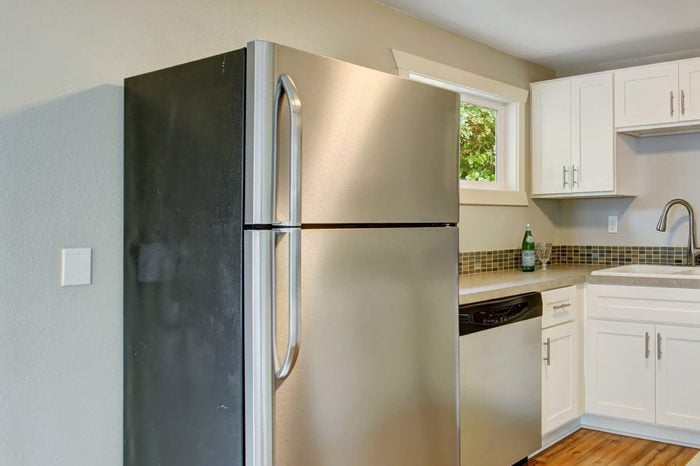
Credit: www.rd.com
Maintenance During Storage
Maintaining a refrigerator during storage keeps it in good shape for future use. Regular care prevents damage and unpleasant smells. Simple actions protect your appliance and extend its life.
Check For Mold And Odors Regularly
Inspect the inside of the fridge often. Mold can grow in dark, damp spots. Open the door and look for any black or green spots. Smell the fridge to detect musty odors. Catching these early stops bigger problems.
Wipe Down Surfaces As Needed
Clean the fridge surfaces with a mild detergent. Use a soft cloth to avoid scratches. Focus on shelves, walls, and door seals. This removes dust, dirt, and any leftover food particles. Wiping keeps the fridge fresh and ready for use.
Inspect Seals And Hinges
Check the rubber seals around the door for cracks or damage. Damaged seals let air inside and reduce efficiency. Look at the hinges to ensure they move smoothly. Lubricate hinges lightly if they squeak. Proper seals and hinges keep the fridge airtight and functional.
Tips For Reusing After Storage
Reusing a refrigerator after storage needs care to keep it working well. Take simple steps to prepare the fridge before plugging it back in. This helps avoid damage and ensures it cools properly. Follow these tips to restart your refrigerator safely and efficiently.
Clean Before Restarting
Remove dust and dirt inside and outside the fridge. Use a mild soap and warm water to clean shelves and drawers. Wipe seals gently to keep them flexible. Cleaning prevents bad smells and mold growth. Let the fridge dry completely before turning it on.
Check Electrical Components
Inspect the power cord for any cuts or damage. Make sure the plug fits securely in the outlet. Look at the back of the fridge for dust on the coils. Clean coils with a brush or vacuum to improve cooling. Check the light bulb inside and replace if needed.
Run The Refrigerator Empty First
Plug in the fridge and let it run without food for 2 to 4 hours. This helps the compressor and coolant work properly after storage. Watch for strange noises or leaks during this time. If everything works fine, start adding food slowly to avoid overloading.

Credit: www.goodrx.com
Frequently Asked Questions
How To Clean A Refrigerator Before Storing It?
Clean the fridge thoroughly using mild detergent and warm water. Remove all food, shelves, and drawers. Dry all parts completely to prevent mold and odors during storage.
Should The Refrigerator Door Stay Open Or Closed?
Keep the refrigerator door slightly open to allow airflow. This prevents moisture buildup, mold, and unpleasant smells while the appliance is not in use.
What Temperature Should A Stored Refrigerator Be Kept At?
Store the refrigerator in a cool, dry place, ideally between 50°F and 70°F. Avoid extreme temperatures to protect the appliance’s components and prevent damage.
How To Protect A Refrigerator During Long-term Storage?
Cover the refrigerator with a breathable cloth or plastic sheet. Elevate it off the ground to avoid moisture damage. Check periodically for any signs of mold or pests.
Conclusion
Storing a refrigerator properly keeps it safe and clean. Always unplug it and empty all food inside. Clean the interior well to stop smells and mold. Leave the door open slightly to let air flow. Choose a dry, cool place to avoid damage.
Cover the fridge with a cloth to keep dust off. These simple steps help your fridge last longer. Ready to use it again anytime without trouble. Easy care makes a big difference in the end.