
You probably use sesame seed oil to add a rich, nutty flavor to your meals. But have you ever paused to wonder if this special oil needs to be refrigerated?
Keeping your sesame seed oil fresh and tasty is important, and a simple storage choice can make all the difference. You’ll discover the best way to store your sesame seed oil so it stays flavorful and safe to use. Keep reading—you’ll learn easy tips that can save you money and keep your kitchen stocked with the perfect oil every time.

Credit: radiantlifecatalog.com
Shelf Life Of Sesame Seed Oil
Understanding the shelf life of sesame seed oil is essential to enjoy its rich flavor and health benefits without wasting it. How long your sesame oil stays fresh depends on several factors, including storage conditions and the oil’s quality. Knowing these details helps you decide if refrigeration is necessary to keep your oil at its best.
Factors Affecting Freshness
Sesame seed oil’s freshness depends mainly on exposure to light, heat, and air. These elements speed up the oil’s oxidation, causing it to go rancid faster.
- Light:Storing oil in a clear bottle on a kitchen shelf exposes it to sunlight, which can degrade the oil quickly.
- Heat:Warm temperatures, especially near stoves or ovens, shorten its shelf life.
- Air:Frequent opening of the bottle introduces oxygen, which can spoil the oil faster.
I’ve noticed that even high-quality sesame oil loses its aroma and taste when left unrefrigerated in a warm, bright kitchen for weeks. Your best bet is to store it in a dark, cool place or the fridge if you don’t use it often.
Expiration Timeframe
Typically, unopened sesame seed oil lasts about 6 to 12 months when stored properly. Once opened, its shelf life shrinks to around 3 to 6 months.
If you keep the oil in the refrigerator, it can stay fresh for up to a year after opening. However, cold storage might cause the oil to thicken or become cloudy, but this does not affect its quality.
Have you ever wondered if a change in smell or taste means the oil has gone bad? A sour or bitter smell is a clear sign that the oil should be discarded. Trust your senses to avoid using rancid oil in your cooking.
Refrigeration Benefits
Keeping sesame seed oil in the fridge offers clear benefits that might surprise you. It’s not just about storage; it’s about maintaining the oil’s quality and health properties. Let’s look at why refrigeration can make a real difference for your sesame seed oil.
Extending Shelf Life
Refrigeration slows down the natural process of oxidation, which causes sesame seed oil to go rancid. When stored at room temperature, the oil’s shelf life shortens, especially in warm or humid environments.
By refrigerating, you can keep your oil fresh for several months longer. Have you ever opened a bottle only to notice an off smell or taste? That’s oxidation at work, and chilling the oil helps prevent it.
Preserving Nutrients
Sesame seed oil contains valuable antioxidants and essential fatty acids that degrade over time when exposed to heat and light. Refrigeration protects these nutrients, keeping the oil’s health benefits intact.
For example, the natural sesamol in the oil acts as an antioxidant but loses potency faster at higher temperatures. Storing your sesame oil in the fridge ensures you get the maximum nutrient boost with every use.
When To Refrigerate
Knowing when to refrigerate sesame seed oil can extend its freshness and flavor. The need to chill the oil depends on several factors. Storage conditions, oil type, and climate all influence this decision. Proper storage prevents the oil from becoming rancid quickly. Below are key points to help decide when to refrigerate sesame seed oil.
Types Of Sesame Oil
Light sesame oil lasts longer at room temperature. It is refined and has fewer natural compounds that spoil. Toasted sesame oil has a stronger flavor but spoils faster. Refrigeration helps keep toasted oil fresh for months. Unopened bottles can stay in a cool, dark place. Once opened, toasted sesame oil should be refrigerated to keep its aroma and taste.
Climate Considerations
Warm and humid climates speed up oil spoilage. High temperatures cause oils to go bad quickly. In hot climates, refrigeration is best for all sesame oils. Cooler climates allow storing light sesame oil on the shelf. Avoid direct sunlight and heat sources. Always use airtight containers to reduce exposure to air and moisture.

Credit: www.amazon.com
Proper Storage Methods
Proper storage methods keep sesame seed oil fresh and flavorful longer. Sesame oil can spoil if exposed to air, heat, or light. Storing it correctly preserves its nutty taste and health benefits. Use the right containers and storage spots to avoid rancidity. Small steps make a big difference in shelf life.
Ideal Container Choices
Choose containers that protect sesame seed oil well. Dark glass bottles work best. They block light and keep oil fresh. Avoid clear plastic or glass bottles. These allow light, which damages the oil.
Containers should have tight lids. This stops air from entering and oxidizing the oil. Metal tins with an inner coating also work well. They keep the oil safe from light and air.
Avoiding Light And Heat
Light and heat speed up oil spoilage. Store sesame seed oil in a cool, dark place. A kitchen cabinet away from the stove or oven is ideal. Avoid storing near windows or bright lights.
Keep the oil at room temperature or lower. Heat breaks down the oil’s quality and flavor. Refrigeration can extend freshness, especially for unrefined oil. Always seal the bottle tightly after use.
Signs Of Spoiled Sesame Oil
Knowing the signs of spoiled sesame oil helps you avoid using rancid oil that can ruin your dishes and affect your health. Spoiled sesame oil loses its fresh, nutty aroma and develops off-putting smells and tastes. Paying attention to these changes ensures you always use fresh oil for the best flavor and safety.
Changes In Smell And Taste
Fresh sesame oil has a rich, nutty aroma that can brighten up any meal. If your oil starts to smell sour, bitter, or like paint thinner, it’s a clear sign it has gone bad.
Tasting a tiny drop can confirm this. Spoiled sesame oil often tastes sharp, bitter, or just “off.” If you notice these unpleasant flavors, it’s time to toss the bottle.
Visual Indicators
Look closely at your sesame oil in good light. Fresh oil is clear or slightly amber without any cloudiness or sediment.
Cloudiness, darkening, or floating particles can mean the oil is spoiled. Sometimes, mold may even appear near the cap or inside the bottle.
Have you ever ignored these signs and ended up with a bad-tasting dish? Trust your senses—they are your best guide to knowing when sesame oil needs to be replaced.
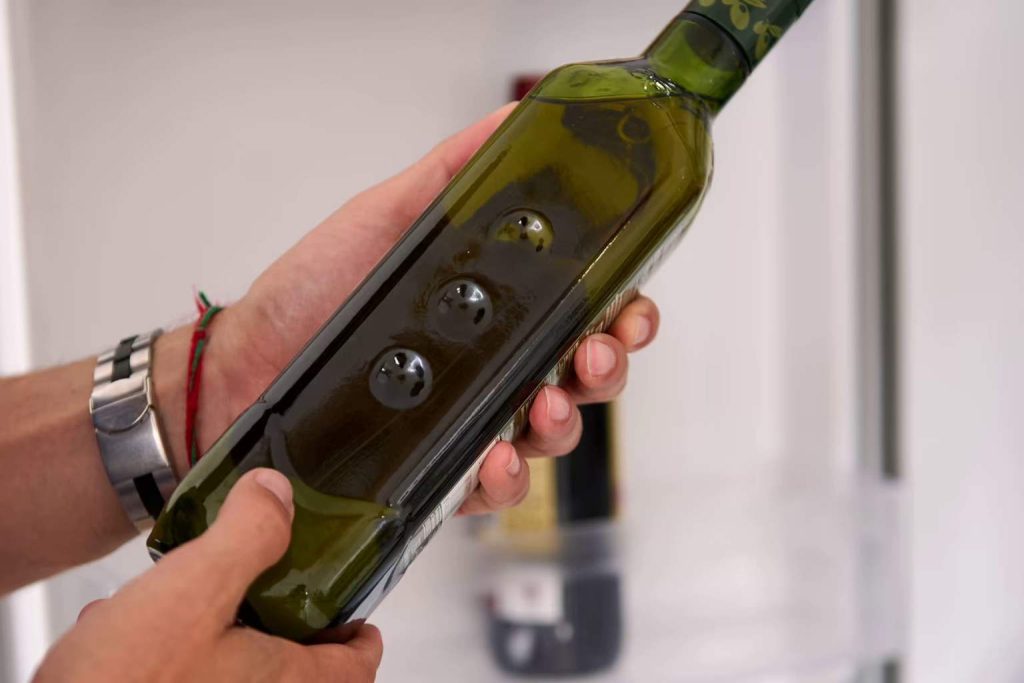
Credit: www.cmu.fr
Using Sesame Oil Safely
Sesame seed oil stays fresh longer when stored in a cool, dark place. Refrigeration is not required but can help prevent it from going rancid faster. Keep the bottle tightly closed to maintain its quality.
Using sesame oil safely involves understanding how to store and use it to maintain its quality and flavor. While sesame oil adds a rich, nutty essence to dishes, improper handling can lead to spoilage. Let’s explore how to keep your sesame oil fresh and safe for daily use.Handling After Opening
Once you open a bottle of sesame oil, its exposure to air can lead to oxidation. This can affect the oil’s taste and nutritional value. Ensure you tightly seal the bottle after each use. Store it in a cool, dark place to prolong its shelf life. While refrigeration isn’t mandatory, it helps maintain the oil’s freshness. If you notice any off smell or taste, it’s time to replace it.Tips For Daily Use
Incorporate sesame oil into your daily cooking routine by adding it to salads, stir-fries, or marinades. A small drizzle can elevate the flavor of a dish. Consider using a dedicated oil dispenser for easy pouring and controlled use. This prevents overuse and helps maintain the oil’s quality. Remember, a little goes a long way. Experiment with different dishes to discover how sesame oil can enhance your culinary creations.Frequently Asked Questions
Does Sesame Seed Oil Need Refrigeration After Opening?
Sesame seed oil does not always require refrigeration after opening. Storing it in a cool, dark place is usually enough. However, refrigeration extends its shelf life and helps maintain freshness, especially for toasted sesame oil, which is more prone to rancidity.
How Long Does Sesame Seed Oil Last Unrefrigerated?
Unopened sesame seed oil can last up to one year unrefrigerated. Once opened, it typically remains fresh for 3 to 6 months if stored in a cool, dark place. Refrigeration can extend freshness beyond this period.
Can Sesame Seed Oil Go Bad Without Refrigeration?
Yes, sesame seed oil can go bad without refrigeration. Exposure to heat, light, and air accelerates oxidation, causing it to develop a rancid smell and taste. Refrigeration slows this process, preserving quality longer.
What Is The Best Way To Store Sesame Seed Oil?
The best way to store sesame seed oil is in a tightly sealed bottle. Keep it in a cool, dark cupboard or refrigerate it. Avoid heat and direct sunlight to maintain its flavor and nutritional value.
Conclusion
Sesame seed oil lasts longer when kept in a cool, dark place. Refrigeration helps keep it fresh and stops it from going bad. If you use it slowly, storing it in the fridge is best. Always close the bottle tightly to keep air out.
This way, you enjoy its flavor and benefits for many months. Simple care makes a big difference for your oil’s quality.