
If you’re working on your air conditioning system, one question might be on your mind: how much refrigerant should you add per foot of lineset? Getting this right is crucial for your system’s efficiency and longevity.
Too little refrigerant, and your AC won’t cool properly; too much, and you risk damaging important components. This guide will help you understand exactly how to calculate the right amount, step by step. Keep reading to make sure your system runs smoothly and saves you money in the long run.
Refrigerant Basics
Understanding refrigerant basics is crucial before you add any refrigerant to your HVAC system. Refrigerants are the lifeblood of air conditioners and heat pumps, moving heat and enabling your home to stay comfortable. Knowing the right amount to add per foot of lineset depends on understanding the types of refrigerants and their role within your system.
Types Of Refrigerants
There are several types of refrigerants, each with different properties and environmental impacts. The most common ones you’ll encounter include:
- R-22:An older refrigerant, now being phased out due to environmental concerns.
- R-410A:The modern standard, known for better efficiency and lower ozone depletion.
- R-32 and others:Newer options that focus on reducing greenhouse gases.
Choosing the right refrigerant isn’t just about compatibility—it also affects how much you add per foot of lineset. Different refrigerants have varying pressure and volume requirements.
Role In Hvac Systems
Refrigerants absorb heat from inside your home and release it outside, making cooling possible. They flow through the lineset, which connects the indoor and outdoor units of your system.
If you add too little refrigerant, the system can’t cool properly. Add too much, and you risk damaging the compressor or reducing efficiency.
Have you ever wondered why your AC seems to struggle on hot days? It might be due to incorrect refrigerant levels along the lineset. Getting this balance right is key to a system that performs well and lasts longer.

Credit: forum.heatinghelp.com
Lineset And Refrigerant Relationship
The relationship between the lineset and refrigerant is crucial for the efficient operation of your HVAC system. The lineset, which carries refrigerant between the indoor and outdoor units, directly affects the amount of refrigerant needed. Getting this balance right ensures your system runs smoothly without wasting energy or risking damage.
What Is A Lineset?
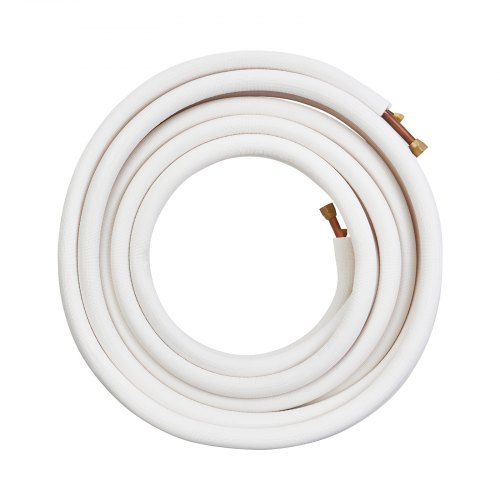
A lineset is a pair of copper tubes that connect your air conditioner’s indoor evaporator coil to the outdoor condenser. One tube carries the refrigerant in its gaseous state, while the other transports it as a liquid. These tubes are insulated to prevent heat loss or gain, helping maintain the refrigerant’s temperature throughout its journey.
Think of the lineset as the highway for your refrigerant. If the path is too long or damaged, the refrigerant can’t flow properly, leading to reduced cooling performance. Knowing what a lineset does helps you understand why its length and condition matter when adding refrigerant.
Impact Of Lineset Length On Refrigerant
The length of your lineset affects how much refrigerant you need to add to your system. Longer lines mean more space for refrigerant to fill, so you have to add extra refrigerant beyond the factory charge. If you don’t, your system might run low on refrigerant, causing poor cooling and potential compressor damage.
Each foot of additional lineset usually requires a specific amount of extra refrigerant. This amount varies by system, but a common guideline is around 0.6 to 0.7 ounces of refrigerant per foot of extra lineset. However, you should always check your system’s manual or consult a professional for exact numbers.
Have you ever wondered why your AC isn’t cooling well after an upgrade or extension? It could be because the extra length of the lineset wasn’t matched with the right refrigerant charge. Adjusting this can make a noticeable difference in performance and energy efficiency.
Calculating Refrigerant Charge
Calculating the right refrigerant charge depends on the length of the lineset. Typically, a specific amount of refrigerant is added per foot to ensure proper system function. This helps maintain efficiency and prevents damage to the HVAC unit.
Understanding how much refrigerant to add per foot of lineset is crucial for maintaining your HVAC system’s efficiency. Calculating the refrigerant charge is not just about numbers; it’s about ensuring your system runs smoothly and safely. Incorrect refrigerant levels can lead to poor performance, increased energy costs, and potential damage to your equipment. Let’s dive into how you can accurately calculate the refrigerant charge needed for your system.Standard Refrigerant Charge
The standard refrigerant charge is the baseline amount of refrigerant your system needs to function optimally. Usually, this information is provided by the manufacturer and is based on the system’s capacity. It’s essential to start by knowing this standard charge before making any adjustments. Many systems come with a pre-charged amount that caters to a specific length of lineset, often around 15 feet. Make sure you have this figure handy as you begin your calculations.Additional Refrigerant Per Foot
Once you have your standard charge, consider how much additional refrigerant is needed per extra foot of lineset. This is crucial if your lineset exceeds the standard length provided by the manufacturer. Typically, an additional amount is required for every extra foot beyond the standard. It’s usually measured in ounces or grams per foot. For instance, you might need 0.6 ounces of refrigerant for every additional foot of line. Knowing this helps you avoid undercharging or overcharging your system.Tools For Measurement
To measure the refrigerant accurately, you’ll need a few essential tools. A refrigerant scale is vital for measuring the precise amount of refrigerant being added. This ensures you do not exceed or fall short of the necessary charge. A manifold gauge set is another important tool. It helps you monitor the pressure in your system, ensuring it stays within the recommended range. Are you using the right tools to measure your refrigerant charge accurately? Remember, handling refrigerant requires care and precision. If you’re ever unsure, consulting with a professional can be a wise decision. The right amount of refrigerant ensures your system runs efficiently, saving you money and extending its lifespan.Factors Influencing Refrigerant Amount
The amount of refrigerant needed per foot of lineset varies due to several factors. Each element affects the system’s efficiency and performance. Understanding these factors helps ensure the right refrigerant charge. This avoids issues like poor cooling or system damage.
Lineset Diameter
The diameter of the lineset directly impacts the refrigerant volume. Larger pipes require more refrigerant to fill the space properly. Smaller pipes hold less refrigerant but need precise charging. Incorrect diameter sizing can cause pressure drops and reduce system efficiency.
System Type And Capacity
Different HVAC systems need different refrigerant amounts. Larger capacity systems naturally require more refrigerant. Split systems, heat pumps, and packaged units each have unique needs. The system’s design and size determine the refrigerant charge guidelines.
Environmental Conditions
Temperature and altitude affect refrigerant performance. Hot climates may demand more refrigerant for effective cooling. Higher altitudes can lower refrigerant pressure, altering the charge needed. Environmental factors must be considered to maintain system balance.
Common Mistakes To Avoid
Adding the right amount of refrigerant per foot of lineset is crucial for your HVAC system’s performance. Many people make mistakes that can cost them efficiency, money, and even damage their equipment. Avoiding common errors helps you keep your system running smoothly and saves you from costly repairs.
Overcharging And Undercharging Risks
Adding too much refrigerant can cause high pressure in the system, leading to compressor failure or reduced cooling efficiency. On the other hand, undercharging makes the system work harder, increasing energy consumption and causing uneven cooling.
Think about a time when you tried to fix something quickly without measuring. Did it work as expected? HVAC systems require precision, so guessing the refrigerant amount based on feel or guesswork often backfires.
- Overcharging may cause liquid refrigerant to flood the compressor.
- Undercharging leads to insufficient cooling and possible ice buildup on coils.
- Both conditions shorten the lifespan of your system.
Ignoring Manufacturer Guidelines
Each HVAC system is designed with specific refrigerant requirements. Skipping the manufacturer’s instructions is like ignoring a recipe—you risk ruining the whole dish. Manufacturers provide clear guidelines for lineset length and refrigerant charge that you must follow.
Have you ever tried assembling furniture without the manual? It’s frustrating and often ends with extra parts or a wobbly chair. The same principle applies here. Always check the label or manual for exact refrigerant amounts per foot of lineset.
- Manufacturer specs consider system design and performance limits.
- Failing to follow these can void warranties and cause malfunctions.
- Using the right refrigerant type and amount ensures optimal operation.
Tips For Proper Refrigerant Charging
Proper refrigerant charging is essential for efficient air conditioning and refrigeration systems. It ensures the system runs smoothly and avoids damage. Knowing how much refrigerant to add per foot of lineset helps maintain the right pressure and cooling capacity.
Follow these tips to charge refrigerant correctly and keep your system in top shape.
Professional Best Practices
- Measure the lineset length accurately before charging.
- Consult the manufacturer’s guidelines for refrigerant amounts.
- Use precise scales to weigh the refrigerant added.
- Charge refrigerant slowly to avoid pressure spikes.
- Monitor system pressures with reliable gauges during charging.
- Check for leaks before and after charging the system.
- Balance refrigerant amount with ambient temperature and load conditions.
Safety Precautions
- Wear safety glasses and gloves when handling refrigerants.
- Work in a well-ventilated area to avoid inhaling fumes.
- Never release refrigerant into the atmosphere.
- Use proper tools designed for refrigerant handling.
- Keep refrigerants away from heat and flames.
- Follow local regulations for refrigerant storage and disposal.
- Ensure electrical power is off before starting any work.
Troubleshooting Refrigerant Issues
Dealing with refrigerant issues can be tricky, especially when you’re unsure if the problem lies in the amount of refrigerant or something else. Incorrect refrigerant levels often lead to poor cooling performance or even damage to your HVAC system. Knowing how to spot these issues and fix them can save you from costly repairs and discomfort.
Signs Of Incorrect Refrigerant Levels
One clear sign of too little refrigerant is when your air conditioner struggles to cool your home, even at the highest setting. You might notice ice forming on the lineset or evaporator coil, which happens because the refrigerant pressure is too low.
On the flip side, too much refrigerant can cause the system to overheat and shut down frequently. Look out for unusual hissing sounds or oil spots around the refrigerant lines, which may indicate leaks or overcharging.
- Reduced cooling efficiency
- Ice buildup on coils or lineset
- Strange noises or vibrations
- Increased energy bills without improved cooling
Have you ever wondered why your AC seems to run constantly but never quite cools enough? It’s often linked to refrigerant levels, which many overlook.
Steps To Correct Charge
Start by checking the manufacturer’s recommended refrigerant amount per foot of lineset. This info is usually found on the unit’s nameplate or in the manual.
Use proper gauges and a refrigerant scale to measure how much refrigerant you add or remove. Adding refrigerant bit by bit while monitoring pressure ensures you don’t overcharge the system.
- Turn off the system before connecting gauges.
- Attach gauges securely to service ports.
- Slowly add refrigerant in small increments.
- Monitor pressure readings and temperature difference across the coil.
- Stop adding refrigerant when readings match manufacturer specs.
Remember, guessing the amount of refrigerant can cause more harm than good. Precise measurement is key to restoring your system’s efficiency and longevity.

Credit: www.vevor.ca
Credit: www.vevor.ca
Frequently Asked Questions
How Much Refrigerant Is Needed Per Foot Of Lineset?
Typically, add about 0. 6 ounces of refrigerant per foot of lineset. This helps maintain optimal cooling performance and system efficiency.
Why Is Refrigerant Amount Important For Lineset Length?
Correct refrigerant ensures proper heat exchange and system balance. Too little or too much can damage the compressor and reduce efficiency.
Can I Add Refrigerant Without Measuring The Lineset?
No, always measure lineset length to calculate refrigerant. Guessing can lead to system malfunction or poor cooling performance.
How Do I Calculate Refrigerant For Longer Linesets?
Multiply the lineset length by the refrigerant charge per foot. Add any manufacturer’s recommended additional refrigerant for long line runs.
Conclusion
Adding the right amount of refrigerant keeps your system working well. Too little or too much can cause problems. Measure the lineset length carefully before adding refrigerant. Follow the recommended amount per foot for best results. Check your system often to stay sure it runs smoothly.
Proper refrigerant levels help save energy and extend your system’s life. Simple steps can make a big difference in performance. Keep these tips in mind for easy and effective refrigerant charging.