
If you’ve ever been prescribed liquid Augmentin, you probably want to know how to store it properly. You might be wondering, “Does liquid Augmentin go bad if not refrigerated?” This question is important because taking medicine that’s lost its effectiveness can delay your recovery or even cause harm.
You’ll discover why storage matters, what happens if you leave Augmentin out, and how to keep your medicine safe and effective. Keep reading to make sure you’re getting the best results from your treatment.

Credit: www.goodrx.com
Storage Guidelines For Liquid Augmentin
Proper storage of liquid Augmentin is crucial to keep it effective. This antibiotic suspension can lose strength if not stored correctly. Knowing the right way to store it helps maintain its quality and safety.
Recommended Refrigeration Practices
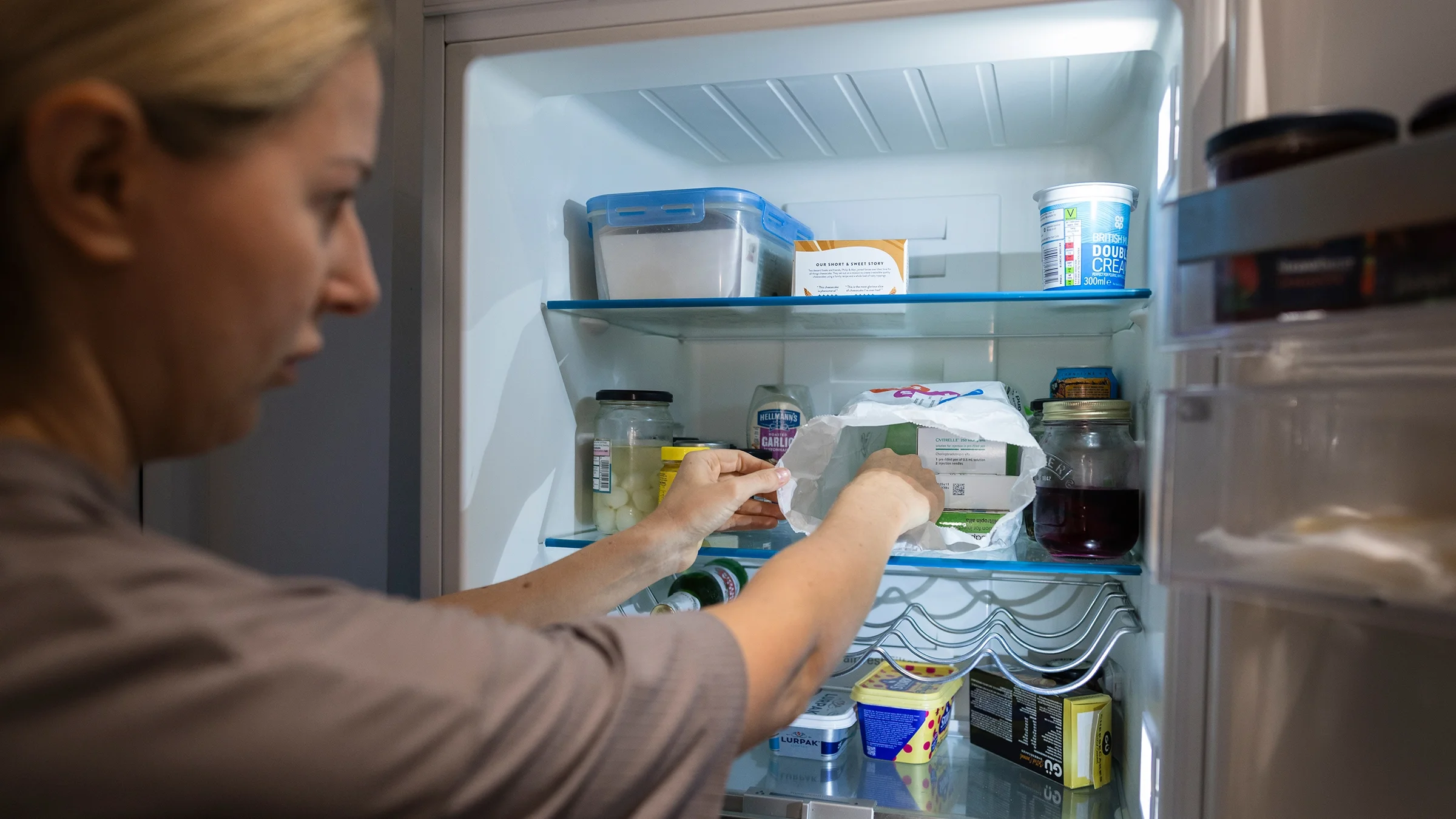
Liquid Augmentin usually requires refrigeration. Keep it at a temperature between 2°C and 8°C (36°F and 46°F). Avoid freezing the medicine as this can damage it. Always close the bottle tightly after each use to prevent contamination. Store the medicine away from direct sunlight and heat sources. Use a clean measuring spoon or cup to dose the medicine to avoid germs.
Manufacturer Instructions
Check the label or leaflet that comes with the medicine. Manufacturers provide specific storage instructions that must be followed. Some versions of liquid Augmentin may have different storage needs. Follow the expiration date and discard any unused medicine after this date. If unsure about storage, ask your pharmacist or healthcare provider. Proper adherence to these instructions ensures the medicine works as intended.
Effects Of Not Refrigerating Liquid Augmentin
Liquid Augmentin is a common antibiotic prescribed for various infections. Proper storage is essential to keep it effective and safe. But what happens if you forget to refrigerate it? Let’s look at the effects of not keeping Liquid Augmentin in the fridge and why it matters for your health.
Impact On Potency
Not refrigerating Liquid Augmentin can reduce its potency over time. The active ingredients start breaking down faster at room temperature, making the medicine less effective in fighting infections.
Imagine taking your antibiotic but not getting the full benefit because the medicine has weakened. This could lead to longer illness or antibiotic resistance. Have you ever wondered if your medication is still working when left out?
Risk Of Contamination
Liquid antibiotics like Augmentin can become contaminated if not stored properly. Warm temperatures can encourage bacterial growth in the liquid, increasing the risk of infection rather than curing it.
Contamination might not always be visible but can cause serious health issues. You want to be sure that what you’re taking is clean and safe. Storing it in the fridge helps keep harmful microbes at bay and preserves the medicine’s quality.
Signs Liquid Augmentin Has Gone Bad
Liquid Augmentin is a common antibiotic for children. It needs proper storage to stay effective. If not refrigerated, it may go bad. Identifying signs of spoilage is crucial for safety and effectiveness. Below are key indicators that your liquid Augmentin might be spoiled.
Changes In Appearance
Check the liquid for any visible changes. Look for unusual color or cloudiness. Fresh Augmentin is usually uniform in color. Any separation or particles may indicate spoilage. Always inspect the bottle before use.
Unusual Odor Or Texture
Smell the liquid carefully. A strange or foul odor can signal spoilage. Augmentin should have a mild, medicine-like scent. Touch the liquid if needed. A slimy or thick texture is a red flag. These signs mean it’s unsafe to consume.
Safe Usage Tips For Liquid Augmentin
Using liquid Augmentin safely ensures it works effectively and prevents any health risks. Understanding how to handle and store the medication properly can save you from accidental spoilage or reduced effectiveness. Let’s look at some practical tips that can help you manage your liquid Augmentin with confidence.
Proper Handling And Storage
Liquid Augmentin usually needs to be refrigerated to keep it stable. If left out at room temperature for too long, its potency can decrease. Always check the label or ask your pharmacist about the best storage conditions.
Once you open the bottle, shake it well before each dose to mix the medicine evenly. Use a clean measuring spoon or cup to get the exact dose—accuracy matters. Avoid touching the inside of the cap or bottle mouth to keep it free from germs.
Have you ever forgotten to refrigerate your medicine? It happens. If you notice a change in color, smell, or taste, don’t use it. These signs often mean the medication has gone bad and won’t work properly.
Disposal Recommendations
Throwing away unused or expired liquid Augmentin safely protects your family and the environment. Never pour it down the drain or flush it unless your local guidelines say it’s okay.
Instead, put the medicine in a sealed bag or container before tossing it in the trash. Some communities offer drug take-back programs—these are the best way to dispose of leftover antibiotics. Check if your pharmacy or local health department runs such programs.
Think about how easy it is for children or pets to reach discarded medicine. Proper disposal keeps everyone safe from accidental ingestion. What steps can you take today to make your medicine routine safer and more effective?
Common Myths About Liquid Antibiotic Storage
Many people worry about how to store liquid antibiotics like Augmentin properly. There are several common myths that can confuse you about whether refrigeration is always necessary or if the medicine goes bad quickly if left out. Understanding the facts can help you avoid wasting medication and ensure it works effectively when you need it.
Refrigeration Myths
One popular belief is that all liquid antibiotics must be refrigerated at all times. This isn’t always true. Some liquid antibiotics, including certain formulations of Augmentin, are stable at room temperature for short periods.
Think about a time when you forgot to put your medicine in the fridge overnight. Did it lose its effectiveness immediately? Probably not. Manufacturers often provide specific storage instructions, and some formulations are designed to be kept at room temperature, especially if they will be used within a few days.
However, leaving liquid antibiotics out for extended periods or exposing them to heat can reduce their potency. Always check the label or ask your pharmacist instead of assuming refrigeration is mandatory.
Shelf Life Misconceptions
Many assume that liquid antibiotics expire quickly once opened, regardless of storage conditions. While it’s true that liquid forms generally have a shorter shelf life than tablets, the exact time can vary.
For example, Augmentin suspension typically lasts 7 to 10 days after reconstitution, whether refrigerated or kept at room temperature. Throwing away medicine too early might mean you lose an opportunity to complete the prescribed course.
Have you ever wondered why the expiration date on a liquid antibiotic bottle is so specific? It relates to how long the medicine remains effective after mixing. Following the expiration date and storage advice ensures you get the full benefit without risking treatment failure.
Credit: www.goodrx.com

Credit: www.goodrx.com
Frequently Asked Questions
Does Liquid Augmentin Need Refrigeration?
Yes, liquid Augmentin should be refrigerated to maintain its effectiveness. Without refrigeration, the medicine may degrade and lose potency.
How Long Can Augmentin Stay Unrefrigerated?
Liquid Augmentin can stay unrefrigerated for up to 14 days. Beyond that, it may spoil and become unsafe to use.
What Happens If Augmentin Is Not Refrigerated?
If not refrigerated, liquid Augmentin can lose its strength. This may reduce its ability to fight infections effectively.
Can You Use Augmentin After It Goes Bad?
No, you should not use Augmentin after it goes bad. Using expired medicine can be ineffective and potentially harmful.
Conclusion
Liquid Augmentin can lose strength if not kept cold. It may not work well after sitting out too long. Always check the label for storage instructions. Using expired or spoiled medicine can be unsafe. Keep it in the fridge to stay effective.
When in doubt, ask your pharmacist or doctor. Taking care of your medicine helps your health. Simple steps make a big difference in treatment success. Don’t risk using medicine that might have gone bad.