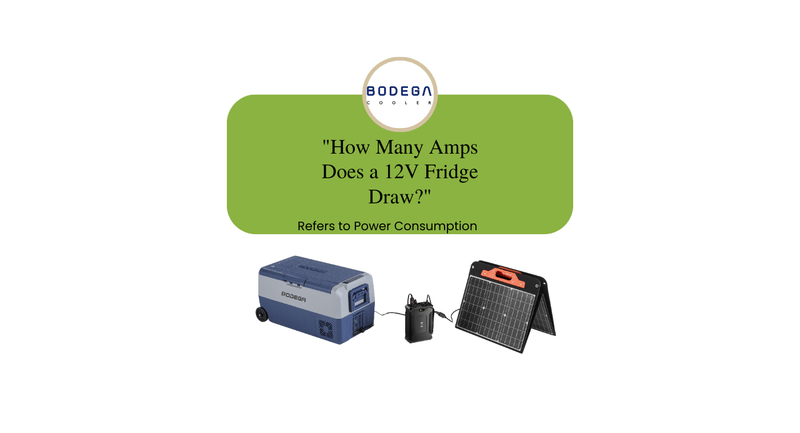
Are you curious about how much electricity your mini refrigerator really uses? Knowing how many amps your fridge draws can help you save money on your energy bill and avoid overloading your circuits.
Whether you’re setting up a dorm room, office, or small apartment, understanding your mini fridge’s power needs is key. You’ll discover the simple facts about amps, why they matter, and how to find the right information for your specific model.
Keep reading to take control of your energy use and make smarter choices for your home or workspace.
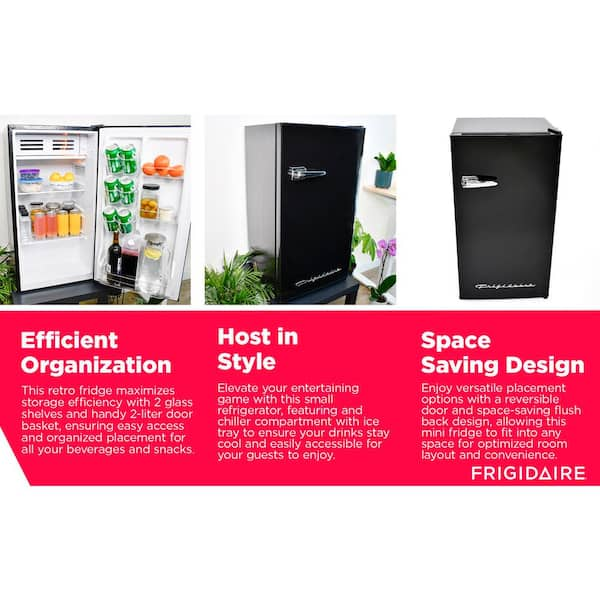
Credit: www.homedepot.com
Mini Fridge Power Basics
Understanding mini fridge power basics helps you manage your energy use. Mini refrigerators are small but still need power to run. Knowing their power needs helps you save electricity and avoid overloads. This section explains key points about wattage, voltage, and current for mini fridges.
Typical Wattage Range
Mini fridges usually use between 40 and 100 watts. The exact wattage depends on the size and model. Smaller fridges use less power, larger ones use more. Some models have energy-saving modes that lower wattage. The compressor and light inside also affect power use.
- Small mini fridges: 40-60 watts
- Medium mini fridges: 60-80 watts
- Larger mini fridges: 80-100 watts
Wattage tells how much energy the fridge uses each second. Lower wattage means less electricity cost.
Voltage And Current Relationship
Voltage is the electrical pressure that pushes current through the fridge. In the US, mini fridges usually run on 120 volts. Current, measured in amps, is the flow of electricity the fridge draws. You can find amps by dividing watts by volts.
| Power (Watts) | Voltage (Volts) | Current (Amps) |
|---|---|---|
| 60 watts | 120 volts | 0.5 amps |
| 80 watts | 120 volts | 0.67 amps |
| 100 watts | 120 volts | 0.83 amps |
Knowing this helps you choose the right power source. It also prevents tripping your circuit breaker.
Average Amps Consumption
Understanding how many amps a mini refrigerator uses is crucial for managing your energy consumption and ensuring your electrical setup is adequate. Many people overlook this aspect, thinking a mini fridge is just a smaller version of a regular fridge, but the energy dynamics are surprisingly different. Knowing the average amps consumption can help you make informed decisions, whether you’re setting up a dorm room, a man cave, or an RV.
Small Vs Large Mini Fridges
Did you know that not all mini fridges are created equal? A small mini fridge, typically around 1.7 cubic feet, generally uses fewer amps, usually around 0.5 to 1.0 amps. In contrast, a larger mini fridge, say around 4.5 cubic feet, might use between 1.0 to 2.0 amps.
Think about your needs: Do you need more space for drinks, or are you storing just a few essentials? Your choice can impact your energy bill. Opting for a larger mini fridge for a few items might not be the most energy-efficient choice.
Starting Vs Running Amps
Have you ever noticed the lights flicker when you plug in your fridge? That’s because the starting amps are often higher than the running amps. Mini fridges can use up to 5 amps or more when they first start, but usually settle into a running amps range of 1 to 2 amps.
This spike is a critical consideration if you’re using a generator or other limited power source. Be mindful of these peaks to avoid tripping circuits or overloading your power supply. It’s a small detail that can prevent big headaches down the line.
So, how do these numbers play out in your everyday life? Understanding the amp usage can save you from unexpected power issues and help you optimize your energy use. Are you surprised by how much impact a mini fridge can have?
Factors Affecting Amps Usage
The amount of amps a mini refrigerator uses depends on several factors. These factors influence how hard the fridge works. Understanding them helps estimate energy consumption better.
Some conditions cause the compressor to run longer. Others affect the electrical current needed. Below are key elements that change the amps usage of a mini fridge.
Temperature Settings
The colder you set the fridge, the more power it uses. Lower temperatures force the compressor to run longer. This raises the amps drawn from the outlet. Higher settings reduce compressor work and save electricity.
Compressor Efficiency
Modern compressors use less energy than older models. Efficient compressors cool faster and draw fewer amps. Worn-out or damaged compressors work harder and increase power use. Quality and age of the compressor impact amps usage greatly.
Ambient Room Temperature
Warm rooms make the fridge work harder to stay cold. Hot environments increase the compressor’s runtime. Cooler rooms help maintain fridge temperature easily. The higher the room temperature, the higher the amps drawn.
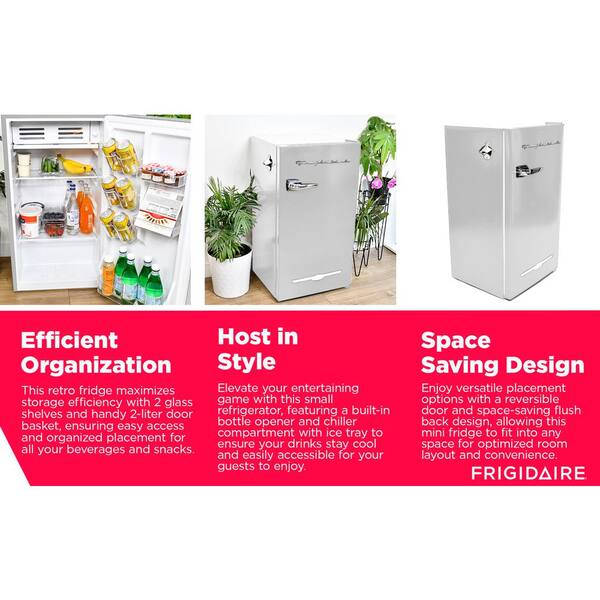
Credit: www.homedepot.com
Calculating Amps For Your Mini Fridge
Understanding how many amps your mini refrigerator uses is key to managing your energy consumption and ensuring your electrical system can handle the load. Calculating amps isn’t as complicated as it sounds, and you don’t always need specialized tools. Let’s break down two practical ways to find out the amperage your mini fridge pulls, so you can make informed decisions about your power usage.
Using Wattage And Voltage
Every electrical device has a label that shows its wattage (power) and voltage (the electrical potential). You can use these numbers to calculate amps with a simple formula:
| Formula | Explanation |
|---|---|
| Amps = Watts ÷ Volts | Divide the wattage by the voltage to get the current in amps. |
For example, if your mini fridge uses 120 watts and operates on 120 volts, the calculation is 120 ÷ 120 = 1 amp. This means your fridge draws about 1 amp when running. Keep in mind, starting amps might be higher, but this gives you a good estimate for continuous use.
Measuring With A Clamp Meter
If you want a more direct reading, a clamp meter is a handy tool that measures current without disconnecting the appliance. You simply clamp it around the fridge’s power cord, and it shows you the amps in real time.
This method reveals the actual current your mini fridge uses, including those startup surges that can be twice as high as running amps. I tried this once with my own mini fridge and was surprised to see the spike when the compressor kicked in. It made me realize why some circuits can trip if you plug too many devices in.
Using a clamp meter is especially useful if you suspect your fridge is using more power than it should, or if you want to check energy efficiency firsthand. Do you have a clamp meter handy? Give it a try and see what your mini fridge’s true amp draw is during different operating phases.
Energy Saving Tips
Saving energy with a mini refrigerator is simple. Small changes can reduce power use and lower bills. Focus on smart habits that help your fridge work less. This keeps it cool without wasting electricity.
Optimal Placement
Place the mini fridge away from heat sources like ovens or direct sunlight. Heat makes the fridge work harder and use more amps. Keep it in a cool, dry spot with good air flow. Leave space around the fridge for ventilation. Avoid tight spaces that trap heat.
Regular Maintenance
Clean the fridge coils regularly to keep it efficient. Dust and dirt cause the compressor to run longer. Check door seals for leaks. Tight seals keep cold air inside and reduce energy use. Defrost the fridge if frost builds up. Thick frost layers make it consume more power.
Energy-efficient Models
Choose mini refrigerators with energy-saving certifications like ENERGY STAR. These models use less electricity and draw fewer amps. Look for fridges with good insulation and efficient compressors. Newer models often have smart features that reduce energy use. Investing in an energy-efficient fridge saves money in the long run.
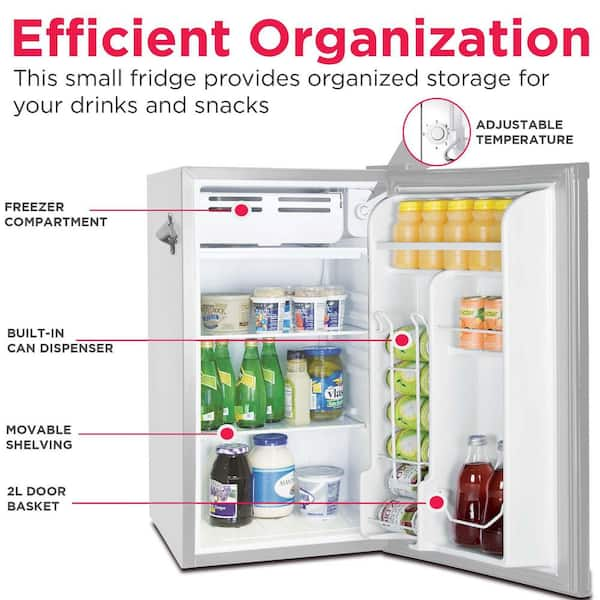
Credit: www.homedepot.com
Common Electrical Concerns
Mini refrigerators are convenient but need careful electrical use. Many users worry about safety and efficiency. Understanding common electrical concerns helps avoid problems. These include circuit breaker compatibility, extension cord safety, and surge protection. Each plays a key role in safe operation and energy use.
Circuit Breaker Compatibility
Mini refrigerators draw between 1 to 2 amps on average. Most home circuits support 15 to 20 amps, so mini fridges usually fit well. Avoid plugging too many devices into one circuit. Overloading can trip the breaker and cause power loss. Check your circuit rating to prevent frequent trips.
Extension Cord Safety
Using an extension cord can be risky. Mini refrigerators need a steady power supply. Thin or long cords cause voltage drop and overheating. Only use heavy-duty, grounded extension cords. Keep cords short and avoid running under rugs or furniture. This reduces fire risk and maintains fridge performance.
Surge Protection
Power surges can damage mini refrigerators’ compressors and electronics. Surge protectors help absorb sudden voltage spikes. Choose a protector with a high joule rating for better defense. Plug your mini fridge directly into the surge protector. This protects your appliance and extends its lifespan.
Frequently Asked Questions
How Many Amps Does A Mini Fridge Usually Draw?
A typical mini refrigerator draws about 1 to 2 amps during normal operation. Startup amps can be higher, around 3 to 5 amps, due to the compressor. This helps in understanding its power consumption and planning your electrical load accordingly.
What Affects The Amp Usage Of Mini Refrigerators?
Amp usage depends on the fridge size, compressor efficiency, and temperature settings. Larger or more energy-efficient models may draw different amps. Frequent door openings and room temperature also impact power draw, influencing overall amp consumption.
Can A Mini Fridge Run On A 5-amp Circuit?
Yes, most mini refrigerators run comfortably on a 5-amp circuit. Since they typically draw 1-2 amps, a 5-amp circuit provides enough capacity for safe operation without tripping breakers.
Why Does A Mini Fridge’s Amp Draw Spike Sometimes?
The amp draw spikes during compressor startup, which requires more power briefly. This surge is normal and usually lasts a few seconds, then drops back to steady operating amps.
Conclusion
Mini refrigerators usually use between 1 and 3 amps of power. This depends on the model and size. Knowing the amps helps you check if your outlet can handle the fridge. It also helps estimate electricity costs. Small fridges save space and energy.
Choose one that fits your needs well. Keep an eye on the power rating to avoid surprises. Understanding amps makes using your mini fridge easier and safer.