
Are refrigerated probiotics really better than non-refrigerated ones? If you’ve ever stood in the supplement aisle wondering which option will give you the most benefits, you’re not alone.
Your gut health depends on getting the right kind of probiotics that stay alive and effective. Choosing the wrong type could mean wasting your money and missing out on the support your body needs. Keep reading to find out how temperature affects probiotics, and discover which choice truly helps you feel your best every day.

Credit: medium.com
Probiotics Basics
Understanding probiotics starts with knowing what they are and why they matter. Probiotics are live bacteria that help keep your gut healthy. They support digestion and boost your immune system. Many people take probiotic supplements to improve their overall health.
Probiotics come in different forms and strains. Each strain has unique benefits and may affect the body differently. Knowing the common strains helps you choose the right probiotic for your needs.
What Are Probiotics
Probiotics are good bacteria that live in your gut. They help balance the bad bacteria. This balance supports digestion and fights harmful germs. Probiotics also produce vitamins and help the body absorb nutrients better.
They are found naturally in foods like yogurt, kefir, and sauerkraut. Supplements provide a concentrated dose of these beneficial bacteria. Taking probiotics can improve gut health and may reduce some digestive problems.
Common Probiotic Strains
Different probiotic strains offer different health benefits. Here are some common ones:
- Lactobacillus:Helps digest lactose and supports the immune system.
- Bifidobacterium:Found in the intestines, helps reduce inflammation and improve digestion.
- Saccharomyces boulardii:A yeast probiotic that helps fight diarrhea and gut infections.
- Streptococcus thermophilus:Produces enzymes that aid digestion and reduce lactose intolerance symptoms.
Each strain may work best for specific health concerns. Choosing the right one depends on your health goals and digestive needs.
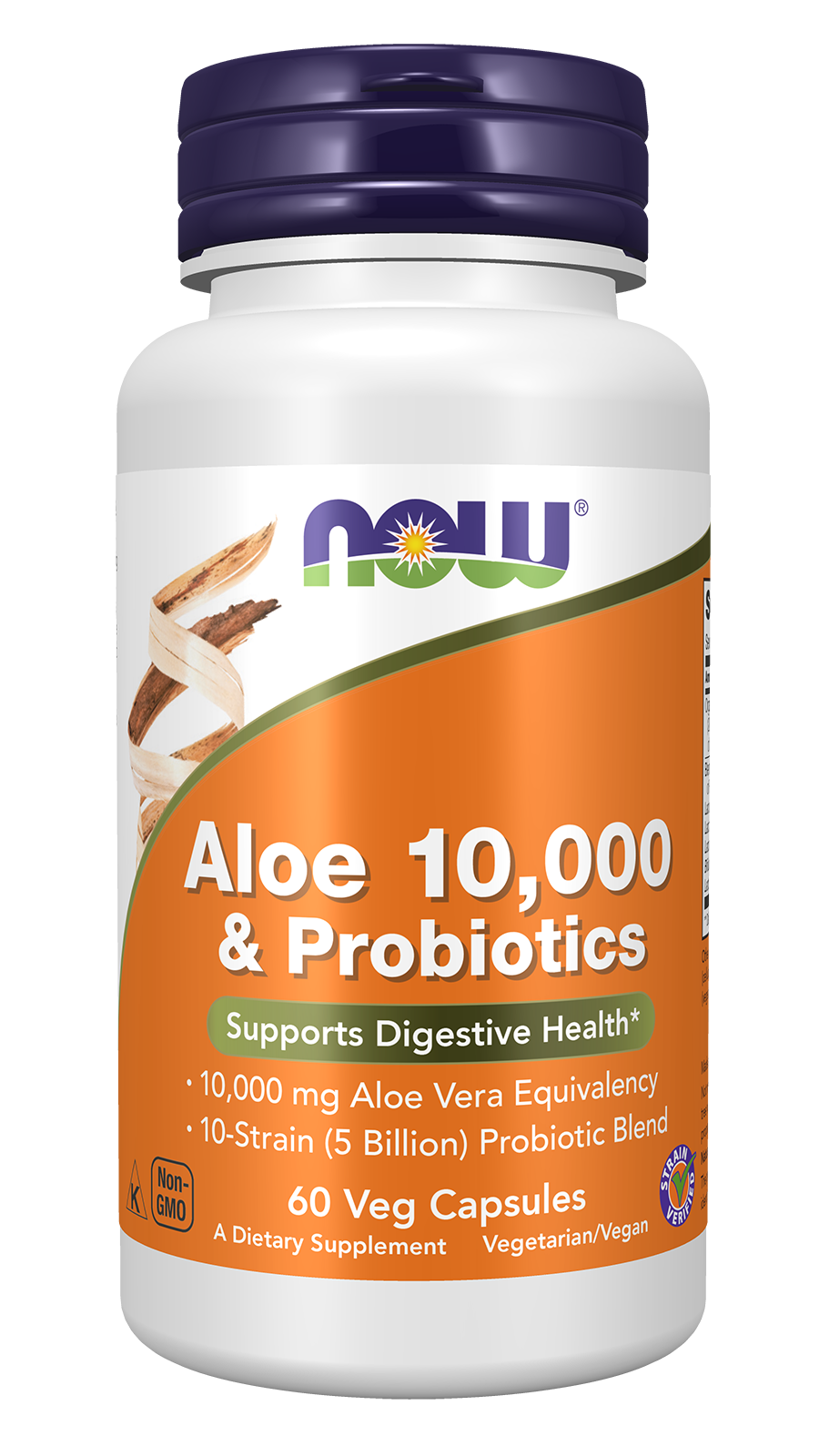
Credit: www.nowfoods.com
Refrigerated Probiotics
Refrigerated probiotics are supplements that need to stay cool to keep their bacteria alive. These friendly bacteria help balance your gut and improve digestion. Keeping them cold helps maintain their strength and effectiveness.
Storage Requirements
Refrigerated probiotics must stay at a cool temperature, usually between 35°F and 46°F (2°C to 8°C). Heat can kill the good bacteria quickly. Most products come with clear labels about storing them in the fridge. Avoid leaving them out for long periods, especially in warm places.
Benefits Of Refrigeration
Cooling probiotics slows down bacteria loss. It helps keep more live bacteria until you use them. This means better support for your digestive system. Refrigeration also reduces the risk of the bacteria becoming weak or inactive. It keeps the product fresh and reliable for a longer time.
Shelf Life And Potency
Refrigerated probiotics usually have a longer shelf life than non-refrigerated ones. They can stay potent for several months to years if stored properly. Potency means the number of live bacteria that can work in your gut. Without refrigeration, potency drops faster, reducing the product’s effectiveness.
Non Refrigerated Probiotics
Non refrigerated probiotics have gained popularity due to their convenience and practicality. They are designed to be stable at room temperature, making them a suitable option for people with busy lifestyles. But how do these shelf-stable probiotics stack up against their refrigerated counterparts?
How They Are Formulated
Non refrigerated probiotics are formulated using advanced technology to ensure the bacteria remain alive and effective. Manufacturers often use freeze-drying or microencapsulation techniques to protect the probiotics from heat and moisture. These methods help maintain the viability of the bacteria, even without refrigeration.
Additionally, non refrigerated probiotics typically contain strains that are naturally more resilient to temperature changes. This careful selection of strains contributes to their effectiveness and shelf stability.
Stability At Room Temperature
The stability of non refrigerated probiotics at room temperature is one of their main selling points. Unlike refrigerated probiotics, they do not require special storage conditions. This makes them ideal for travel or for those who lack sufficient fridge space.
However, it’s essential to store them in a cool, dry place to preserve their potency. Exposure to excessive heat or humidity can still diminish their effectiveness over time.
Advantages And Drawbacks
Advantages:
- Convenience: No need for refrigeration, making them easy to carry and store.
- Cost-effective: Often more affordable due to reduced shipping and storage requirements.
- Versatility: Suitable for people with various lifestyles and storage capabilities.
Drawbacks:
- Limited strain options: May not offer the same diversity of strains as refrigerated probiotics.
- Potential potency loss: Despite advanced formulation, some potency may be lost over time, especially if not stored correctly.
Have you ever found yourself wondering if convenience trumps potency when choosing probiotics? Understanding the formulation and stability of non refrigerated probiotics can help you make an informed decision. Perhaps, it’s time to weigh the pros and cons and see which option aligns best with your lifestyle and health goals.
Comparing Effectiveness
Comparing the effectiveness of refrigerated and non-refrigerated probiotics helps understand their benefits. Different storage conditions affect the strength of probiotic strains. Effectiveness depends on the ability to survive digestion and support gut health.
Survivability Through Digestion
Probiotics must survive stomach acid and bile to reach the intestines. Refrigerated probiotics often contain live bacteria preserved at low temperatures. This preservation may improve their chances of survival.
Non-refrigerated probiotics use special strains or protective coatings. These help bacteria survive without cold storage. The success depends on the product’s formulation and strain type.
Impact On Gut Health
Effective probiotics balance the gut microbiome. They help with digestion, immunity, and nutrient absorption. Both refrigerated and non-refrigerated probiotics can improve gut health.
Refrigerated probiotics may offer higher potency due to better bacterial survival. Non-refrigerated options provide convenience and longer shelf life. The key is choosing a quality product with proven strains.
Scientific Studies And Findings
Studies compare the survival and effects of both probiotic types. Some research shows refrigerated probiotics keep more live bacteria over time. Other studies find non-refrigerated forms equally effective due to protective technologies.
Clinical trials often report health benefits from both forms. Results vary by strain, dosage, and storage conditions. Reliable brands provide evidence-based products, regardless of refrigeration.
Choosing The Right Probiotic
Choosing the right probiotic can feel overwhelming with so many options on the market. You want something effective, safe, and tailored to your needs. Understanding what to look for helps you make a choice that truly supports your health.
Factors To Consider
Start by thinking about the strains of bacteria in the probiotic. Different strains offer different benefits, so pick one that matches your health goals. Consider the potency too—measured in CFUs (colony-forming units)—because more isn’t always better; it needs to be the right amount for your condition.
Storage is another key factor. Some probiotics need refrigeration to stay effective, while others remain stable at room temperature. Reflect on your lifestyle and how you’ll store the supplement to keep it potent.
Reading Labels
Labels can tell you a lot if you know what to look for. Check for the expiration date to ensure the bacteria are still alive. Also, look for clear information about storage instructions and whether the probiotic contains live and active cultures.
Watch out for added fillers or allergens if you have sensitivities. Ingredients should be straightforward and easy to understand. Don’t hesitate to research unfamiliar terms on the label to avoid surprises.
Personal Health Needs
Your unique health situation matters most. Are you aiming to improve digestion, boost immunity, or address a specific condition like IBS? Different probiotics target different areas, so aligning your choice with your needs makes a big difference.
I once switched probiotics after struggling with bloating. Choosing a strain specialized for gut health made a noticeable improvement within weeks. What health changes do you want to see from your probiotic?
Storage Tips For Maximum Benefits
Proper storage plays a key role in preserving the potency of your probiotics, whether they require refrigeration or not. Mishandling can reduce their effectiveness, leaving you with fewer benefits than expected. Let’s explore how you can keep your probiotics in top shape for maximum health impact.
Best Practices For Refrigerated Products
Keep your refrigerated probiotics consistently cold. Avoid frequent temperature changes that can stress the live bacteria inside. Storing them in the main fridge compartment, not the door, helps maintain a stable temperature.
Make sure the container is tightly sealed to prevent moisture and contaminants from entering. Also, check expiration dates regularly—freshness matters more than you might expect. Have you ever noticed a difference in effectiveness after a probiotic has been sitting in your fridge for months?
Handling Non Refrigerated Probiotics
Non refrigerated probiotics still need protection from heat, light, and humidity. Store them in a cool, dry place away from direct sunlight, like a pantry or cupboard. Avoid places near ovens or windows where temperature spikes are common.
Pay attention to the packaging—many non refrigerated probiotics come in dark or opaque containers to shield them from light. Keep capsules or powders in their original packaging until use. Do you find it easy to remember where you put your supplements? Creating a dedicated spot can help.
Avoiding Common Mistakes
- Don’t leave probiotics out on the counter for long periods, especially in warm kitchens.
- Avoid opening containers frequently or leaving them unsealed, which exposes bacteria to air and moisture.
- Don’t mix probiotics with hot drinks or food, as heat can kill the beneficial bacteria.
- Ignore storage instructions on the label—each product has specific needs.
Have you ever tossed probiotics after forgetting to store them properly? It’s frustrating but preventable. Taking a few extra seconds to store them correctly can save money and ensure you get the full benefit.

Credit: www.nowfoods.com
Frequently Asked Questions
Are Refrigerated Probiotics More Effective Than Non-refrigerated?
Refrigerated probiotics generally maintain potency longer due to stable temperatures. Non-refrigerated options may lose strength faster but can be formulated for room temperature. Effectiveness depends on strain type and storage conditions.
How Does Refrigeration Affect Probiotic Shelf Life?
Refrigeration slows bacterial degradation, extending probiotic shelf life. Without cooling, some strains die quicker, reducing benefits. Proper storage ensures maximum potency until the expiration date.
Can Non-refrigerated Probiotics Survive Stomach Acid?
Yes, some non-refrigerated probiotics use special coatings to protect bacteria from stomach acid. This ensures they reach the gut alive, supporting digestive health.
Are Refrigerated Probiotics Safer For Sensitive Strains?
Yes, sensitive probiotic strains require refrigeration to survive and remain effective. Refrigeration preserves live cultures, ensuring safety and health benefits for sensitive users.
Conclusion
Refrigerated probiotics often stay fresher longer and keep their strength. Non-refrigerated ones can work well if made to handle heat. Check the label for storage instructions and expiration dates. Choose what fits your lifestyle and climate best. Both types can support your gut health if stored properly.
Quality and proper use matter most for good results. Keep your probiotics safe to enjoy their full benefits daily.