Is your food turning into an unexpected frozen surprise inside your refrigerator? You’re not alone, and it can be really frustrating.
When your fridge freezes food, it not only ruins the texture and taste but also wastes your groceries and money. Understanding why this happens is the first step to fixing it quickly and saving your meals. Keep reading to discover the common reasons behind your fridge freezing food—and how you can stop it before your next grocery haul turns into a chilly mess.

Credit: oakvalleyappliance.com
Common Reasons For Freezing Food
Freezing food inside a refrigerator can be frustrating and wasteful. Several common issues cause this problem. Identifying the root cause helps fix it quickly. Understanding these reasons also prevents future food spoilage and saves money.
Thermostat Settings Too Low
The thermostat controls the fridge temperature. Setting it too low causes excessive cold. Food near cooling elements freezes easily. Adjust the thermostat to a moderate temperature. Ideal fridge temperature is around 37°F (3°C).
Faulty Temperature Sensor
The temperature sensor tells the fridge when to cool. A broken or inaccurate sensor causes wrong readings. This makes the fridge run colder than needed. Replace or repair the sensor to fix freezing issues.
Blocked Air Vents
Air vents circulate cold air inside the fridge. Blocked vents stop proper airflow. This leads to cold spots that freeze food. Keep vents clear and avoid overpacking shelves. Proper air circulation maintains even temperatures.
Damaged Door Seals
Door seals keep cold air inside the fridge. Worn or cracked seals let warm air in. The fridge works harder and cools more than necessary. Inspect seals regularly and replace if damaged. Tight seals prevent uneven freezing.
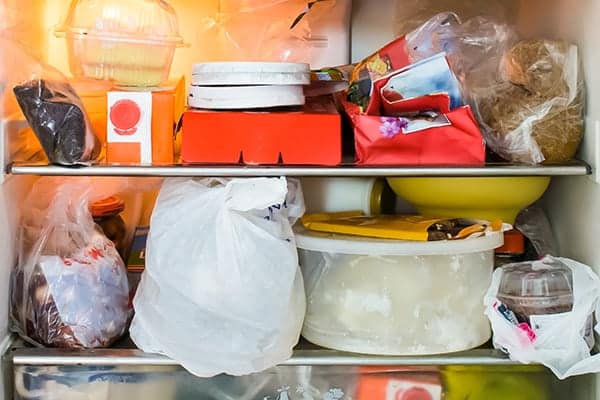
Overcrowded Refrigerator
Too much food blocks airflow inside the fridge. Overcrowding causes uneven cooling. Some items freeze while others stay warm. Organize shelves and remove extra items. Space between foods helps maintain stable temperature.
Malfunctioning Defrost System
The defrost system prevents ice buildup inside the fridge. If it fails, ice blocks airflow and cools unevenly. This causes freezing in some areas. Repair or replace the defrost system parts. Proper defrosting stops unwanted freezing.
Credit: www.electrolux.in
Effects Of Freezing Food Unexpectedly
Unexpected freezing inside your refrigerator can have surprising effects on your food. It’s not just about the temperature; the quality and usability of your groceries can change in ways you might not expect. Understanding these effects can help you decide when to adjust your fridge settings or how to handle frozen food properly.
Texture And Taste Changes
Freezing food suddenly alters its texture significantly. Foods like lettuce or cucumbers become watery and limp once thawed, losing their crispness. Have you ever bitten into what you thought was fresh fruit only to find it mushy? That’s the freezer’s impact on cell structure at work.
Meats and dairy can also suffer. Ice crystals form inside the food, breaking down fibers and causing a dry or grainy texture. You might notice your favorite cheese crumbles or your steak feels tougher after unexpected freezing.
Nutrient Loss
You expect frozen foods to keep their nutrients, but sudden freezing can cause more nutrient loss than controlled freezing. Water-soluble vitamins like vitamin C and some B vitamins degrade faster when ice crystals rupture cells. This means your food might not be as healthy as you think after it’s been frozen accidentally.
Think about how you feel when you eat frozen vegetables versus fresh ones. The difference isn’t just taste—it’s nutritional too. This nutrient loss can affect your meal’s overall health value without you realizing it.
Wasted Food
One of the biggest frustrations with unexpected freezing is wasted food. Once thawed, many items become unsafe or unpleasant to eat, forcing you to throw them away. How often have you found spoiled vegetables or soggy fruits at the back of your fridge?
Wasting food not only hits your wallet but also impacts the environment. You can reduce this by regularly checking your fridge temperature and storing sensitive items away from freezer vents. Simple habits can save you from tossing out food prematurely.
Quick Fixes To Prevent Freezing
Is your refrigerator freezing your food instead of keeping it cool? This can be frustrating, but don’t worry. There are quick fixes to prevent freezing and keep your food fresh. Let’s explore some solutions to help you out.
Adjusting Thermostat Properly
Check your refrigerator’s thermostat settings. They may be too low, causing freezing. Set it between 37°F and 40°F. This range keeps food cold without freezing. Use a fridge thermometer to ensure accuracy.
Checking And Replacing Door Seals
Inspect the door seals for any gaps or damage. A loose seal lets cold air escape. This makes the fridge overwork, leading to freezing. Press a dollar bill against the seal. If it slides out easily, the seal needs replacing. Replace damaged seals to maintain proper temperature.
Clearing Air Vents
Ensure air vents inside the fridge are not blocked. Blocked vents disrupt airflow, causing uneven cooling. Keep vents clear of food and packaging. Allow air to circulate freely for consistent cooling.
Organizing Food Efficiently
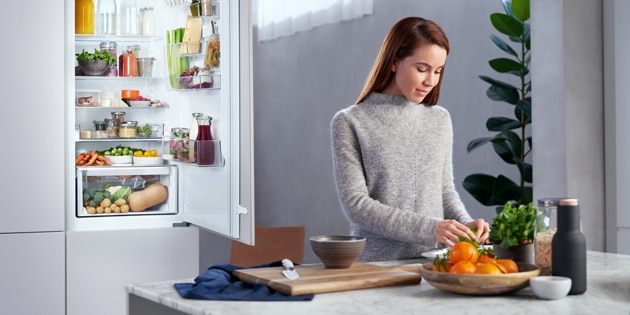
Properly organize food inside the fridge. Avoid overloading shelves. Overcrowding blocks airflow, leading to uneven temperatures. Leave space between items for better air circulation.
Resetting Or Repairing Defrost System
A malfunctioning defrost system can cause freezing. Reset the defrost timer if your fridge has one. If the issue persists, the defrost system might need repair. Seek professional help to fix it.

Credit: www.dtappliance.com
When To Call A Professional
Knowing when to call a professional for a refrigerator that’s freezing your food is crucial. Sometimes, the problem might seem small but can indicate a deeper issue. Recognizing these signs early can save you time, money, and frustration.
Persistent Temperature Issues
If you keep adjusting the temperature settings but your fridge still freezes food, it’s a red flag. This ongoing problem suggests that the thermostat or temperature sensor might be malfunctioning.
You might try simple fixes, but if the issue doesn’t resolve in a few days, professional help is necessary. Have you noticed ice buildup despite setting the temperature correctly? That’s a good sign to call an expert.
Complex Mechanical Problems
Refrigerators have many parts that work together, like compressors and fans. When these components fail, your fridge may freeze food unexpectedly.
Issues like a broken defrost timer or a faulty evaporator fan require technical skills and special tools to fix. If your fridge is making unusual noises or the freezing problem comes with other symptoms, it’s time to get professional assistance.
Safety Concerns
Sometimes, a freezing problem hints at electrical or refrigerant leaks. These situations can pose serious safety risks.
Do not try to handle electrical repairs or refrigerant refills on your own. If you smell gas or notice water pooling around your fridge, stop using it and contact a professional immediately.
Tips To Maintain Ideal Refrigerator Temperature
Keeping your refrigerator at the right temperature is key to preventing your food from freezing unexpectedly. Small adjustments and good habits can make a big difference. Here are some practical tips to help you maintain the ideal refrigerator temperature and keep your food fresh.
Regular Cleaning
Have you ever noticed frost building up inside your fridge? This could be a sign that it needs cleaning. Dust and debris on the coils or vents can cause your fridge to work harder and lead to temperature fluctuations.
Clean the refrigerator coils every few months using a vacuum or a brush. Wipe down the interior surfaces regularly to prevent ice buildup. Keeping your fridge clean helps it maintain a steady temperature and saves energy.
Monitoring Temperature Regularly
Do you know the exact temperature inside your fridge? Many people rely on the built-in thermostat, but it’s a good idea to use a separate fridge thermometer to check.
The ideal refrigerator temperature is between 37°F (3°C) and 40°F (5°C). If you notice it’s colder, adjust the settings gradually. Regular checks help catch problems early before your food freezes or spoils.
Proper Food Storage Practices
How you store your food affects the fridge’s temperature balance. Overloading the fridge blocks air circulation, which can cause some areas to get too cold.
Arrange food items with space between them to allow cold air to flow freely. Avoid placing hot food directly into the fridge as it can raise the internal temperature temporarily. Proper storage keeps your fridge running smoothly and your food safe.
Frequently Asked Questions
Why Is My Refrigerator Freezing Food Unexpectedly?
Your refrigerator may freeze food due to incorrect temperature settings. If set too low, items freeze. Also, faulty thermostats or blocked air vents cause uneven cooling, leading to freezing in some areas.
How Can I Prevent My Fridge From Freezing Food?
Keep the fridge temperature between 35°F and 38°F (1. 7°C to 3. 3°C). Avoid placing food near air vents. Regularly check and clean door seals to maintain proper airflow and temperature balance.
Can A Faulty Thermostat Cause Food Freezing?
Yes, a malfunctioning thermostat can cause the fridge to overcool. It may not regulate temperature correctly, leading to freezing. Replacing or repairing the thermostat usually resolves this issue.
Does Overpacking The Fridge Cause Food To Freeze?
Overpacking blocks airflow inside the fridge, causing cold spots. These spots can freeze nearby food. Organize items to allow proper air circulation and prevent freezing.
Conclusion
Freezing food in your fridge can waste groceries and cause frustration. Check the temperature settings first. Make sure the thermostat is not too low. Avoid placing food too close to cooling vents. Keep the fridge door closed tightly to stop cold air from escaping.
Clean the fridge regularly to remove any blockages. Small fixes can prevent freezing and save money. Stay patient while troubleshooting. Your fridge will work better with simple care and attention.