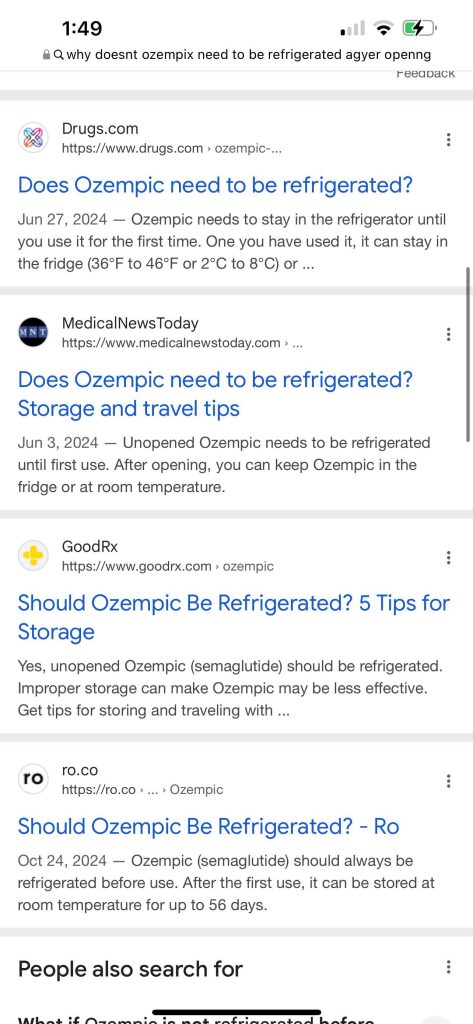
Are you using GLP-1 medication and wondering how to store it properly? You might be asking yourself, “Does GLP-1 need to be refrigerated?” Storing your medication the right way is key to keeping it effective and safe for your health.
You’ll discover simple tips to handle your GLP-1 correctly, avoid common mistakes, and make sure you get the best results from your treatment. Keep reading to protect your medicine—and yourself.

Credit: www.reddit.com
Glp-1 Basics
Understanding GLP-1 is important for anyone using or considering this medication. It plays a key role in managing blood sugar levels and weight. Knowing the basics helps you handle and store it properly.
What Is Glp-1?
GLP-1 stands for glucagon-like peptide-1. It is a hormone produced in the gut. It helps regulate blood sugar by increasing insulin release. GLP-1 slows stomach emptying, making you feel full longer. This hormone also reduces appetite and food intake.
Common Uses Of Glp-1
GLP-1 medications are used mainly for type 2 diabetes. They help lower blood sugar levels effectively. Some GLP-1 drugs also aid in weight loss. Doctors prescribe them to improve blood sugar control and reduce obesity risks. These medications come as injections or pills.
Storage Requirements
Proper storage of GLP-1 medications is key to keeping them effective. You might wonder if refrigeration is always necessary or if there’s some flexibility. Understanding the storage requirements helps you avoid wasting your medication and ensures it works as expected.
Refrigeration Guidelines
Most GLP-1 drugs need to be kept in the fridge between 36°F and 46°F (2°C to 8°C). This keeps the medication stable and prevents it from breaking down. If you take out your GLP-1 pen or vial, don’t put it back in the fridge repeatedly as this can affect its potency.
Always check the specific instructions on your medication’s packaging. Some GLP-1s may have slight variations, but refrigeration is generally the safest choice. Have you ever noticed your medication label recommending refrigeration and wondered why? It’s all about preserving the active ingredients.
Room Temperature Limits
GLP-1 medications can usually be kept at room temperature for a limited time after first use, often up to 30 days. This range is typically between 59°F and 86°F (15°C to 30°C). Staying within this range means your medication remains effective without refrigeration.
Exceeding these temperature limits can reduce the drug’s effectiveness or cause it to spoil. If you live somewhere hot, avoid leaving your medication in places like cars or near windows. Have you ever forgotten your pen out on the counter and worried if it’s still good? Checking the room temperature limits can save you from unnecessary stress.
Handling Before Use
GLP-1 medications usually need refrigeration before use to keep them effective. Storing them at the right temperature prevents damage and ensures proper dosing. Always check the label for specific storage instructions.
Handling Before Use Handling GLP-1 medications correctly before use is crucial for maintaining their effectiveness. Whether you’re a first-time user or have been managing your treatment for years, understanding how to prepare and protect your medication can make a significant difference. In this section, we’ll explore practical tips for handling GLP-1 injections, focusing on preparation and contamination prevention.Preparing The Injection
Before diving into your injection routine, it’s important to gather all necessary supplies. This typically includes the GLP-1 pen or syringe, alcohol swabs, and a sharps container for safe disposal. Ensure your hands are clean by washing them thoroughly with soap and water. This simple step can prevent the transfer of germs and keep the injection site sterile. Inspect the medication for any changes in appearance, such as discoloration or particles. If anything seems off, contact your healthcare provider before using it.Avoiding Contamination
Avoiding contamination is essential to ensure the safety and effectiveness of your GLP-1 medication. Always use a new needle for each injection to minimize the risk of infection. When selecting an injection site, choose an area that is clean and free from any irritation or injury. Common sites include the abdomen or thigh. Rotate injection sites with each dose to reduce the risk of skin irritation and ensure better absorption. Do you have a favorite spot for injections, or do you find rotating sites easier to manage? Taking these precautions can help maintain the integrity of your medication and contribute to a smoother treatment experience.After Opening Storage
After you open your GLP-1 medication, how you store it can greatly affect its effectiveness. Proper storage helps maintain its potency and ensures safe use throughout its lifespan. Ignoring storage guidelines might reduce its benefits and could even be risky.
How Long It Lasts
Once opened, GLP-1 medications typically remain effective for a limited time. Most brands suggest using the medication within 30 days after opening. However, some types might have a shorter or slightly longer window, so always check the label or ask your pharmacist.
Have you ever noticed changes in your medication’s performance after a few weeks? That might be a sign it’s past its ideal usage period. Keeping track of the opening date can help you avoid this problem.
Temperature Recommendations
Temperature plays a crucial role in storing your GLP-1 after opening. Most GLP-1 drugs should be kept in the refrigerator, between 2°C and 8°C (36°F to 46°F), to preserve their effectiveness.
If refrigeration isn’t possible, some products can be stored at room temperature but only for a short time, usually up to 14 days. Temperatures above 30°C (86°F) or freezing temperatures can damage the medication.
- Always avoid direct sunlight or heat sources.
- Keep the pen or vial in its original container.
- Do not freeze the medication.
Have you ever left your medication out by accident? It’s a good idea to have a dedicated spot in your fridge or a reminder to keep your GLP-1 safe and working as it should.
Travel And Storage Tips
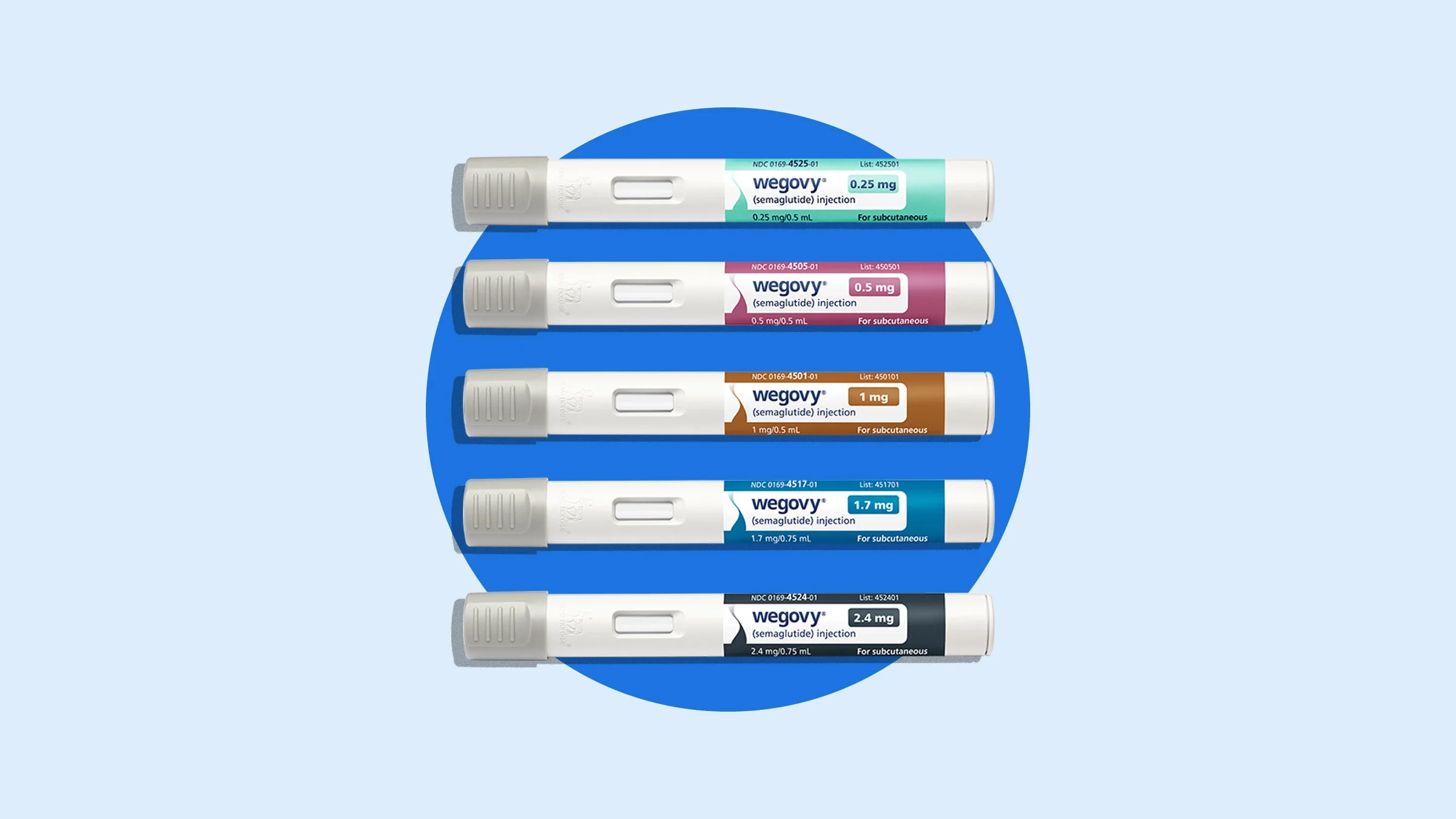
Traveling with GLP-1 medications requires careful attention to storage to keep the medication effective. Proper handling during trips can prevent the medication from losing its potency. Understanding easy ways to keep your GLP-1 cool can make a big difference in your treatment routine.
Keeping Glp-1 Cool On The Go
GLP-1 medications usually need to be stored between 36°F and 46°F (2°C to 8°C) before opening. If you’re traveling, try to keep the medication inside a cool bag or use an insulated pouch. Avoid leaving it in a hot car or exposed to direct sunlight, as heat can break down the medicine quickly.
Think about your daily schedule—how long will you be away from refrigeration? If it’s just a few hours, placing the medication in a shaded, cool spot may be enough. But for longer trips, you’ll need more reliable cooling methods.
Using Insulated Containers
Insulated containers are a great investment for anyone who travels with temperature-sensitive medications like GLP-1. These containers maintain a stable temperature and protect your medication from sudden temperature changes.
- Look for containers designed specifically for medication storage.
- Use ice packs or cooling elements, but avoid direct contact with the medication to prevent freezing.
- Check the container’s temperature periodically to ensure it stays within the safe range.
Have you ever found your medication warm after a day out? Using an insulated container can save you from that worry. Keeping the medicine cool without freezing it is key to maintaining its effectiveness.
Credit: www.goodrx.com
Signs Of Spoiled Glp-1
Knowing the signs of spoiled GLP-1 is crucial for anyone using this medication. Using GLP-1 that has gone bad can reduce its effectiveness and even pose health risks. Paying close attention to how your medication looks and performs can save you from potential complications.
Visual Changes
One of the first signs that your GLP-1 might be spoiled is a change in its appearance. The liquid may turn cloudy or develop particles, which is a clear warning sign. If you notice any discoloration—such as the solution becoming darker or yellowish—it’s time to discard it.
Have you ever opened a medication only to find it looks different from before? This visual difference is often a straightforward indicator that the drug’s quality has declined. Never use GLP-1 if you see these changes, even if it’s within the expiration date.
Effectiveness Concerns
If your GLP-1 isn’t refrigerated as recommended, it may lose potency. This can lead to poor blood sugar control, making your treatment less effective. You might find yourself needing higher doses or experiencing unexpected fluctuations in your glucose levels.
Think about how your body responds after using GLP-1. If you notice it’s not working as well as usual, consider whether the medication has been stored properly. Don’t ignore subtle signs like reduced effectiveness—they could be linked to spoilage.
Common Storage Mistakes
Storing GLP-1 medications properly is crucial to maintain their effectiveness. Many people overlook important details, leading to common storage mistakes that can compromise the medication’s potency. Understanding these errors helps you protect your investment and your health.
Avoiding Temperature Fluctuations
Keeping GLP-1 stable means avoiding sudden temperature changes. Constantly moving the medication between cold and warm places can damage it. Have you ever left your injection pen out on a hot day, then rushed to chill it again?
To prevent this, store GLP-1 in a consistent environment, ideally in a refrigerator between 36°F and 46°F (2°C and 8°C). If you need to carry it around, use an insulated case to maintain a steady temperature. Remember, freezing or overheating the medication can make it ineffective.
Proper Disposal
Throwing away expired or used GLP-1 pens carelessly is another common mistake. These devices often contain small needles and residual medication that can be harmful if handled improperly.
Always dispose of used pens in designated sharps containers or follow your local guidelines for medical waste. This not only protects others but also prevents environmental contamination. Have you checked if your pharmacy offers a take-back program for sharps disposal?

Credit: www.fellahealth.com
Frequently Asked Questions
Does Glp-1 Medication Require Refrigeration?
GLP-1 medications typically need refrigeration before use. Storing them between 2°C and 8°C helps maintain effectiveness and stability.
Can Glp-1 Be Stored At Room Temperature?
Yes, some GLP-1 pens can stay at room temperature for up to 30 days. Always check the specific product instructions.
What Happens If Glp-1 Is Not Refrigerated?
Not refrigerating GLP-1 may reduce its potency. This can affect treatment outcomes and glucose control.
How Long Can Glp-1 Stay Unrefrigerated?
Most GLP-1 medications remain stable unrefrigerated for 30 days after first use. Confirm this with your medication guide.
Conclusion
GLP-1 medicines usually need refrigeration to stay effective. Keep them in the fridge until you open the package. After opening, check the label for storage rules. Some can stay at room temperature for a short time. Avoid heat and direct sunlight to protect the medicine.
Proper storage helps the medicine work as it should. Always follow the instructions given by your doctor or pharmacist. Taking these steps ensures your treatment stays safe and reliable. Simple care makes a big difference in your health.