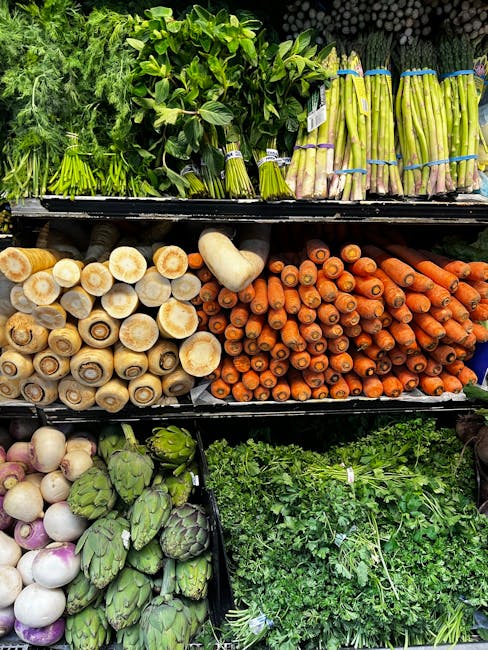
You just brought home fresh collard greens, but now you’re wondering how to keep them crisp and fresh in your fridge. If you’ve ever opened your greens only to find them wilted or slimy, you know how frustrating that can be.
The good news? Storing collard greens properly is easier than you think—and it can make all the difference in taste and nutrition. Keep reading, and you’ll learn simple, effective tips that help your greens stay fresh longer, so you can enjoy every bite without waste.
Choosing Fresh Collard Greens
Choosing fresh collard greens is the first step to enjoying their full flavor and nutritional benefits. Picking the right bunch ensures your greens stay crisp and vibrant longer in the refrigerator. But how do you know which ones are truly fresh? Let’s dive into what to look for and what to avoid.
Signs Of Freshness
Fresh collard greens catch your eye with their deep green color and firm texture. The leaves should feel sturdy, not limp or wilted. Look for leaves that have a smooth surface without any slimy spots or discoloration.
The stems should be crisp and snap easily when bent. If you notice a fresh, earthy smell, that’s a good sign your collards are still at their best. Have you ever picked up a bunch that looked good but smelled off? Trust your nose—it’s a reliable freshness detector.
What To Avoid
Steer clear of collard greens with yellowing or browning leaves, as these are signs of aging or poor storage. Avoid leaves with holes, tears, or excessive bruising, which indicate damage or pest issues.
Also, watch for slimy or sticky textures, especially near the stems or leaf edges. These are sure indicators the greens are past their prime. Remember, buying less than perfect greens means they’ll spoil faster in your fridge, leading to waste and disappointment.
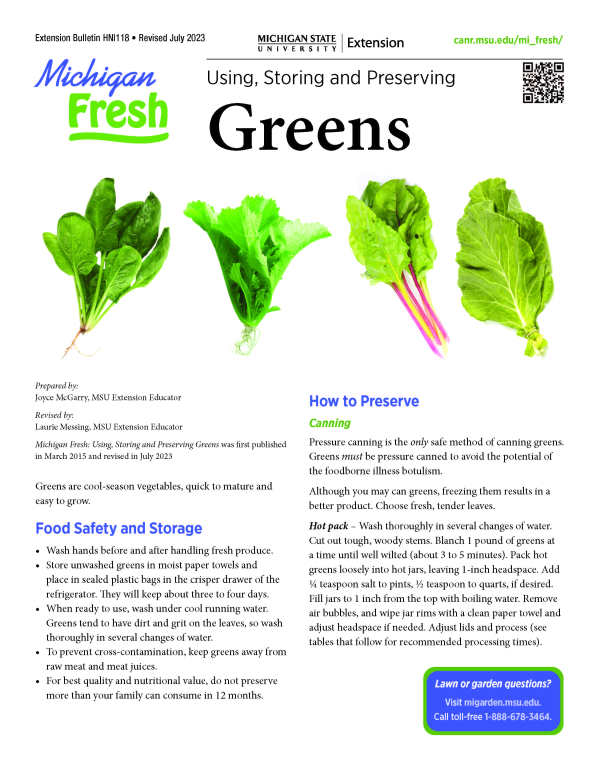
Credit: www.canr.msu.edu
Preparing Collard Greens For Storage
Preparing collard greens properly before storing them helps keep them fresh longer. Proper preparation stops moisture build-up and prevents wilting. This section explains how to clean, wash, and dry collard greens for the best storage results.
Cleaning And Washing
Start by removing any yellow or damaged leaves. Trim the thick stems if needed. Rinse each leaf gently under cold running water. Use your hands to remove dirt and grit carefully. Avoid soaking leaves too long to keep nutrients intact.
Drying Techniques
Shake off excess water after washing. Lay leaves flat on a clean kitchen towel or paper towels. Pat them gently to absorb moisture. Use a salad spinner for faster drying. Ensure leaves are mostly dry before storing to reduce spoilage risk.
Storage Methods In The Refrigerator
Storing collard greens in the refrigerator keeps them fresh and crisp. Proper storage prevents wilting and extends shelf life. Use simple methods that maintain moisture without causing sogginess. Choose the right container or wrap to protect the leaves from air and light.
Using Plastic Bags
Place collard greens inside a plastic bag. Remove excess air before sealing the bag. Keep the bag loose enough to allow some airflow. Store the bag in the crisper drawer of the refrigerator. This method helps retain moisture and prevents the leaves from drying out.
Using Airtight Containers
Use a clean airtight container to store collard greens. Line the container with a dry paper towel to absorb excess moisture. Place the greens inside without packing too tightly. Seal the container and keep it in the fridge. This method protects the leaves from bruising and keeps them fresh longer.
Paper Towel Wrap Method
Lay collard greens flat on a clean paper towel. Wrap them gently but completely. Place the wrapped greens inside a plastic bag or container. The paper towel absorbs moisture and prevents wilting. This method balances humidity and airflow to extend freshness.

Credit: www.justmaikacooking.com
Optimal Temperature And Placement
Storing collard greens properly in your refrigerator depends heavily on the right temperature and placement. These two factors work together to keep the leaves fresh, crisp, and full of nutrients for longer. Understanding where and how cold your fridge should be can make a big difference in how your collards taste when you cook them.
Ideal Refrigerator Temperature
Collard greens stay freshest at temperatures between 32°F and 40°F (0°C to 4°C). This range slows down the natural wilting process without freezing the leaves. If your fridge is too warm, the greens will turn limp quickly.
Check your fridge thermometer regularly. Many people don’t realize their fridge might be set too warm, often above 40°F, which is not ideal for leafy greens. Adjust the thermostat if needed to keep your collards crisp.
Best Refrigerator Spots
Choosing the right spot inside your fridge is just as important as the temperature. The crisper draweris usually the best place because it maintains higher humidity, which helps keep collard greens hydrated.
- Avoid placing collards near the fridge door where temperatures fluctuate due to frequent opening.
- Keep them away from fruits like apples and bananas that emit ethylene gas, which can speed up spoilage.
- Wrap your greens loosely in a damp paper towel and store them in a perforated plastic bag to keep moisture balanced.
Have you noticed how your collards last longer when stored in certain parts of your fridge? Finding that perfect spot can turn your fridge into a mini herb garden, saving you money and reducing waste.
Extending Shelf Life
Store collard greens in a plastic bag with air holes to keep them fresh longer. Keep them dry and place in the refrigerator’s crisper drawer for best results.
Extending Shelf Life Preserving the freshness of collard greens can be a delightful challenge that rewards you with crisp, nutrient-rich leaves every time you open your refrigerator. Have you ever wondered why some greens last longer than others? The secret often lies in the storage technique. Let’s dive into some practical tips that can help you extend the shelf life of your collard greens and enjoy them at their best.Avoiding Moisture Build-up
Moisture can be both a friend and foe for your collard greens. While they need humidity to stay fresh, excess moisture can lead to rot. To prevent this, dry the leaves thoroughly after washing. You can pat them gently with a paper towel or use a salad spinner. Store the greens in a perforated plastic bag. This allows for air circulation, reducing moisture build-up that could spoil your greens. Have you ever tried wrapping them in a paper towel before placing them in the bag? This simple trick can absorb extra moisture and keep your greens crisp.Regular Checks For Freshness
It’s easy to forget about those greens tucked away in the fridge. However, regular checks can save them from ending up in the trash. Make it a habit to inspect your collard greens every few days. Look out for wilting or yellowing leaves. Removing these promptly can prevent them from affecting the rest. Did you know that storing them at the right temperature, ideally around 32°F (0°C) in the crisper drawer, can significantly prolong their freshness? Keep your fridge settings in check to maintain optimal conditions. By following these simple steps, you can enjoy fresh collard greens longer, reducing waste and enhancing your meals. What creative ways will you use your preserved greens in your next dish?Signs Of Spoiled Collard Greens
Knowing the signs of spoiled collard greens helps avoid eating bad leaves. Fresh collard greens look vibrant and feel firm. Spoiled greens show clear changes in color, texture, and smell. Spotting these signs early keeps your meals fresh and safe.
Color Changes
Fresh collard greens have a deep green color. Spoiled leaves turn yellow, brown, or black. Dark spots or patches appear on the surface. Faded or dull colors mean the greens are past their best. Avoid leaves with large discolored areas.
Texture And Smell
Good collard greens feel crisp and sturdy. Spoiled leaves become soft, slimy, or wilted. They may tear easily when handled. A bad smell is a strong warning sign. Rotten collard greens often smell sour or musty. Fresh greens have a clean, earthy scent.
Freezing Collard Greens For Long-term Storage
Freezing collard greens is a smart way to keep their fresh, vibrant flavor and nutrients for months. It allows you to enjoy this leafy green even when it’s out of season. The key to successful freezing lies in preparation and storage, which helps maintain texture and taste.
Blanching Process
Before freezing, blanching your collard greens is essential. This process stops enzyme actions that cause loss of flavor, color, and texture. Boil a large pot of water and immerse the leaves for about 3 minutes.
After boiling, immediately transfer the greens to a bowl of ice water. This cools them quickly and halts the cooking process. Drain thoroughly to remove excess water, which can cause freezer burn and sogginess.
Freezing Tips
Use airtight freezer bags or containers to store your blanched collard greens. Squeeze out as much air as possible to prevent freezer burn. Label each package with the date so you can keep track of freshness.
Consider portioning the greens in amounts you typically use for cooking. This way, you only thaw what you need and avoid waste. Have you noticed how small changes in storage can save you time and money?

Credit: www.justmaikacooking.com
Frequently Asked Questions
How Long Do Collard Greens Last In The Fridge?
Collard greens last about 5 to 7 days in the refrigerator when stored properly. Keep them unwashed in a plastic bag with air holes to maintain freshness.
Should I Wash Collard Greens Before Refrigerating?
It’s best to wash collard greens just before use. Excess moisture causes them to spoil faster when stored in the fridge.
What Is The Best Way To Store Collard Greens?
Store collard greens in a perforated plastic bag or loosely wrapped in a damp paper towel inside the fridge’s crisper drawer for optimal freshness.
Can I Freeze Collard Greens After Refrigeration?
Yes, blanch collard greens before freezing to preserve color and nutrients. Freeze them in airtight containers for up to 12 months.
Conclusion
Storing collard greens correctly keeps them fresh longer. Wrap leaves in a damp paper towel. Place them inside a plastic bag or container. Keep them in the refrigerator’s crisper drawer. Check greens regularly for any signs of spoilage. Use them within a week for best taste.
Proper storage helps maintain nutrients and flavor. Enjoy your collard greens in salads, soups, or sides. Fresh greens make your meals healthier and more delicious. Simple steps make a big difference in food waste. Try these tips to keep your greens fresh every time.