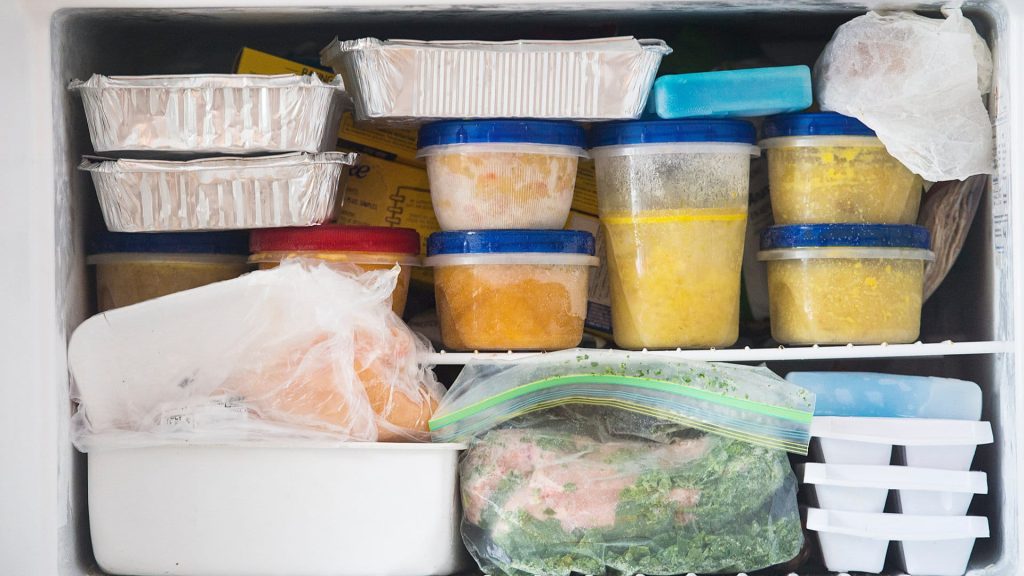
Is your GE refrigerator turning your fresh food into icy blocks? You’re not alone, and this frustrating problem can spoil your groceries and your day.
Understanding why your fridge is freezing your food is the first step to fixing it. You’ll discover simple reasons behind this common issue and easy solutions to keep your food fresh and perfectly chilled. Keep reading to stop the freeze and save your meals!

Credit: www.plazaappliancemart.com
Common Signs Of Freezing Food
Noticing your food freezing inside the refrigerator can be frustrating. It often signals that something is wrong with the appliance’s temperature control or airflow. Recognizing the common signs helps you identify the issue early and take action before food quality worsens.
These signs reveal how your refrigerator might be too cold or freezing items unintentionally. Watch for unusual textures, frost, or ice buildup. These clues guide you toward fixing the problem quickly.
Frost Buildup In The Freezer
Frost forms when moisture freezes on the freezer walls or shelves. Excessive frost indicates your freezer is too cold or has poor airflow. This frost can spread and affect the fridge section, causing foods to freeze unexpectedly. Regular frost buildup is normal, but thick layers are a warning sign.
Ice Crystals On Fresh Produce
Finding ice crystals on fruits or vegetables means they are freezing inside the refrigerator. Fresh produce should stay cool but not frozen. Ice crystals damage the texture and taste. This happens when cold air blows directly on the food or the temperature setting is too low.
Unexpectedly Hard Textures
Food that feels harder than usual often means it has frozen. Items like leftovers, dairy, or drinks become solid when frozen inside the fridge. This change affects the food’s quality and usability. Hard textures usually point to a temperature problem or poor air circulation inside the fridge.
Temperature Setting Issues
Temperature settings that are too low often cause food to freeze inside your GE refrigerator. Adjusting the thermostat to a warmer level can help prevent freezing. Check the temperature regularly to keep your food fresh and properly chilled.
Temperature setting issues in your GE refrigerator can often be the culprit behind frozen food items when all you want is a chilled refreshment. It’s easy to overlook, but ensuring your refrigerator’s temperature is set correctly is crucial for maintaining the ideal environment for your perishables. Understanding the nuances of thermostat settings and the accuracy of temperature sensors can help you solve this frosty predicament.Too Low Thermostat Settings
Setting your refrigerator’s thermostat too low can turn your crisp lettuce into an icy mess. When the temperature is set too cold, even the freshest produce can end up freezing. Check your thermostat settings to ensure they’re within the recommended range, usually between 37°F (3°C) and 40°F (4°C) for the fridge compartment. If you find your setting below this range, adjust it upward and monitor the change over a few days. Personal experience: I once set my refrigerator to its coldest setting, thinking it would keep my groceries fresher longer. Instead, I ended up with frozen eggs! That experience taught me the importance of balanced settings.Inaccurate Temperature Sensors
The temperature sensors in your fridge play a critical role in maintaining the desired climate. If these sensors malfunction or provide inaccurate readings, your refrigerator might overcompensate by cooling excessively. Consider checking the sensor’s location to ensure it’s not obstructed or damaged. A sensor nestled against a cold wall might lead to incorrect readings, causing the fridge to run colder than necessary. Is your fridge still freezing your food despite adjusting the thermostat? It might be time to inspect the sensors or consult a professional for a detailed check-up. A small sensor issue can often lead to a big headache, but addressing it can save you from the inconvenience of frozen food.Faulty Thermostat Or Control Board
The thermostat and control board play key roles in your GE refrigerator’s cooling system. If either part fails, it can cause the fridge to freeze food. These components manage temperature settings and cooling cycles. A fault in one can lead to overcooling and ice buildup inside the fridge.
Understanding these parts helps identify why your food freezes unexpectedly. Both the thermostat and control board need to work correctly to maintain proper temperature. Let’s explore how problems with each part affect your refrigerator.
Malfunctioning Thermostat Effects
The thermostat controls the fridge’s temperature by sensing heat levels. If it malfunctions, it may send wrong signals. This causes the compressor to run longer than needed. The fridge gets colder than set, freezing food items.
Common signs of a bad thermostat include:
- Food freezing in the refrigerator section
- Ice buildup on shelves or walls
- Temperature fluctuations despite adjustments
Thermostat issues may require replacement to stop overcooling. Testing the thermostat with a multimeter can confirm its condition.
Control Board Glitches
The control board acts like the fridge’s brain. It manages various functions, including temperature control. A glitch or damage can misdirect cooling commands. This often leads to the fridge running too cold.
Symptoms of control board problems include:
- Random temperature drops
- Unusual noises or beeping
- Failure to maintain a stable environment
Replacing the control board usually fixes these issues. A technician can diagnose faults using specialized tools.
Blocked Or Malfunctioning Air Vents
Blocked or malfunctioning air vents in your GE refrigerator can be a hidden culprit behind your food freezing unexpectedly. These vents control the flow of cold air throughout the fridge, ensuring even cooling. When they don’t work properly, cold air can concentrate in certain spots, causing some items to freeze while others stay warm.
Airflow Disruption Causes
Air vents can get blocked by food items placed too close or by ice buildup. Have you ever crammed your fridge too tightly? That can easily restrict airflow. Another common cause is a faulty fan or motor that fails to push air through the vents effectively.
Sometimes, vents can be accidentally pushed out of place during cleaning or rearranging. Dust and debris can also accumulate, reducing the vent’s efficiency. Checking and clearing these obstructions can often fix the problem without the need for professional repair.
Impact On Food Freezing
When airflow is disrupted, cold air pools near the vents, dropping temperatures below freezing in localized areas. This uneven cooling means your lettuce might wilt while your milk starts to freeze. It’s frustrating to find ice crystals on items that should stay fresh but not frozen.
Imagine reaching for a carton of juice only to find it solid. This happens because the malfunctioning vents fail to distribute the cold air evenly, creating cold spots. Adjusting the placement of your food and inspecting vents regularly helps maintain balanced temperatures and prevents unexpected freezing.
Damaged Door Seals
Damaged door seals can cause your GE refrigerator to freeze food unexpectedly. The door seals keep cold air inside the fridge. If they break or wear out, cold air escapes. This causes the refrigerator to work harder and can lead to overcooling.
Cold Air Leaks And Overcooling
When door seals are damaged, cold air leaks from the fridge. The appliance senses the temperature drop and cools more. This overcooling makes the fridge too cold for many foods. Items near the vents or walls might freeze.
Cold air leaks also increase energy use. The fridge runs longer to maintain temperature. This can raise electricity bills and strain the appliance.
Signs Of Door Seal Wear
- Visible cracks or tears on the seal
- Seal feels hard or brittle instead of soft
- Moisture or frost buildup around the door edges
- Door does not close tightly or feels loose
- Food spoils faster or freezes unexpectedly
Checking these signs can help you identify seal problems early. Replacing worn seals can stop cold air leaks and prevent freezing.

Credit: www.angi.com
Frost-free Defrost System Problems
The frost-free defrost system in your GE refrigerator stops frost from building up inside. This system melts ice automatically during defrost cycles. Problems in this system can cause your fridge to freeze food unexpectedly.
When the defrost system fails, ice can form where it shouldn’t. This ice can block air vents and cause cold air to blow too strongly. Such issues lead to food freezing even if the temperature is set correctly.
Defrost Heater Failures
The defrost heater melts frost on the evaporator coils. If this heater stops working, frost builds up quickly. Thick frost blocks air flow and chills the fridge unevenly.
- Food near vents freezes first
- Other areas may stay warmer
- Frost buildup wastes energy
Replacing a faulty defrost heater restores proper ice melting. This keeps temperature stable and prevents food freezing.
Clogged Drain Tubes
Drain tubes carry water from melted frost out of the fridge. When clogged, water pools and refreezes inside the fridge.
- Ice forms around drain holes
- Water leaks inside compartments
- Food near drain areas freezes
Clearing clogged drains stops water buildup. It helps maintain normal fridge temperature and stops food from freezing.
How To Prevent Food From Freezing
Preventing your food from freezing inside a GE refrigerator involves a few simple adjustments and regular upkeep. If you’ve ever opened your fridge only to find your veggies or leftovers partially frozen, you know how frustrating it can be. Luckily, controlling this issue is often easier than you think.
Adjusting Temperature Settings
Check your fridge’s temperature settings first. GE refrigerators usually recommend keeping the fridge between 37°F and 40°F (3°C to 4°C). If it’s set too low, your food can freeze unexpectedly.
Try raising the temperature slightly and monitor the results over a day or two. You might also want to avoid setting the freezer too cold, as it can indirectly affect the fridge section.
Have you noticed that some spots in the fridge are colder than others? Rearranging items away from air vents can help, as cold air blasts can cause localized freezing.
Regular Maintenance Tips
Maintenance plays a key role in keeping your fridge working properly. Clean the condenser coils every six months to ensure efficient cooling without overworking the compressor.
Inspect door seals for cracks or gaps; a poor seal lets warm air in, causing the fridge to overcompensate and freeze food. Simply wipe the seals clean regularly and replace them if they look damaged.
Also, avoid overcrowding your fridge. Good air circulation prevents cold spots that lead to freezing. Have you ever noticed frost buildup in corners? That’s a sign your fridge needs defrosting or maintenance.
When To Call A Professional
Sometimes, fixing a GE refrigerator that freezes food is not simple. Small fixes may work, but some problems need expert help. Knowing when to call a professional saves time and prevents damage.
Identifying Complex Issues
Some refrigerator problems are tricky. A professional can spot issues like:
- Faulty temperature controls
- Broken defrost timers
- Damaged door seals
- Malfunctioning thermostats
These problems cause uneven cooling and freezing. Trying to fix them alone might worsen the issue.
Choosing The Right Repair Service
Pick a repair service with experience in GE refrigerators. Check for:
- Positive customer reviews
- Proper certifications and licenses
- Clear pricing and service guarantees
- Quick response times
Trust experts who use genuine parts and offer warranties. This ensures your fridge works well longer.

Credit: www.dtappliance.com
Frequently Asked Questions
Why Is My Ge Refrigerator Freezing Food Unexpectedly?
Your GE refrigerator may freeze food due to incorrect temperature settings, faulty thermostat, or blocked air vents. Adjust the temperature to 37-40°F, check and clean vents, and inspect the thermostat for proper function to prevent freezing issues.
How To Fix Freezing Problems In Ge Refrigerators?
Start by setting the temperature correctly between 37-40°F. Clean air vents to ensure proper airflow. If problems persist, test the thermostat and defrost system. Call a professional if you notice persistent freezing despite these efforts.
Can A Malfunctioning Thermostat Cause Food Freezing?
Yes, a faulty thermostat can cause the refrigerator to run too cold. This leads to freezing food items. Replacing or repairing the thermostat often resolves this issue effectively.
Does Improper Airflow Cause Food To Freeze In Ge Fridges?
Improper airflow can cause cold spots, leading to food freezing. Ensure vents are not blocked by items or ice buildup. Proper airflow maintains consistent temperature and prevents freezing.
Conclusion
A freezing refrigerator can spoil your food quickly. Check the temperature settings first. Make sure door seals are tight and clean. Avoid placing warm food inside immediately. Keep vents clear for good air flow. Small fixes often stop food from freezing.
If problems stay, call a professional for help. Taking quick action saves both food and money. Stay alert to keep your fridge working well.