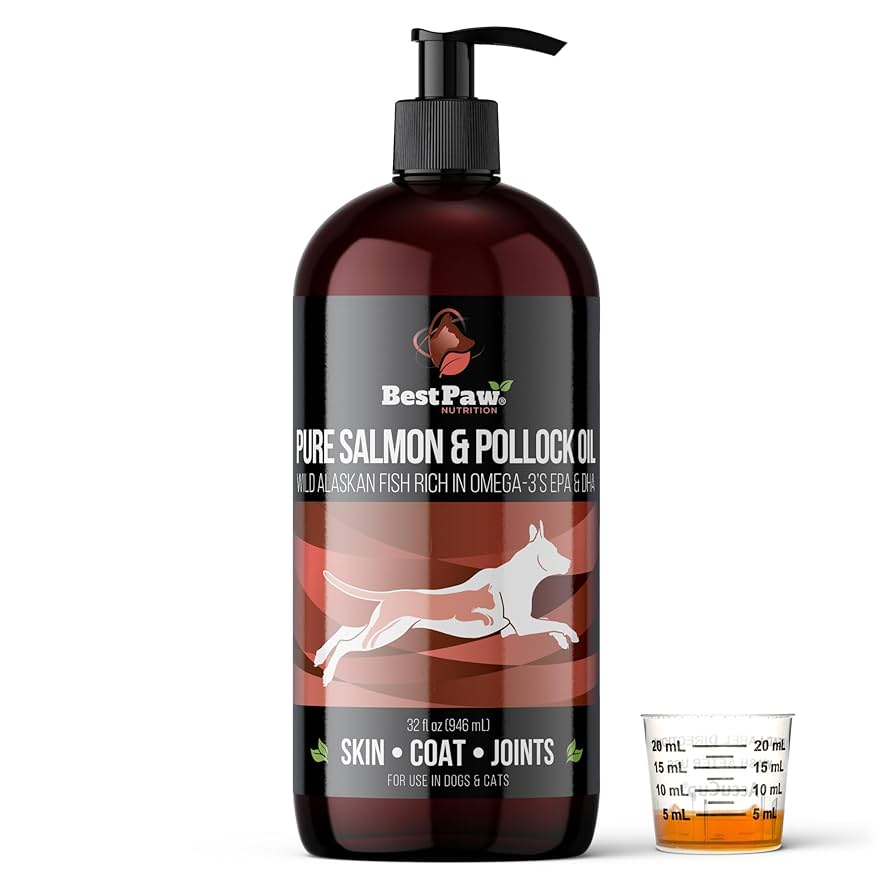
Are you wondering if your salmon oil needs to be refrigerated? You’re not alone.
Many people ask this because storing it the right way keeps it fresh and effective. If you don’t store it properly, the oil can spoil, lose its benefits, and even taste bad. You’ll discover simple tips on how to store salmon oil so it lasts longer and works better for you.
Keep reading to protect your health and get the most from your supplement.

Credit: www.amazon.com
Salmon Oil Shelf Life
Salmon oil is prized for its rich omega-3 content and health benefits. Knowing its shelf life helps maintain quality and safety. Proper storage extends freshness and prevents waste. Understanding how long salmon oil lasts guides smart use and storage decisions.
Factors Affecting Freshness
- Storage temperature: Cooler temperatures slow down spoilage.
- Exposure to air: Oxygen causes the oil to oxidize and go rancid faster.
- Light exposure: Sunlight breaks down nutrients and speeds up spoilage.
- Container type: Dark, airtight bottles protect oil better.
- Processing method: Cold-pressed oils tend to last longer.
Signs Of Spoilage
- Unpleasant odor: A strong fishy or sour smell means spoilage.
- Change in color: Darker or cloudy oil may be bad.
- Off taste: Bitter or strange flavors indicate rancidity.
- Thick or sticky texture: Fresh oil is smooth and fluid.
- Visible mold or sediment: Clear sign the oil is unsafe.
Refrigeration Benefits
Refrigerating salmon oil offers clear benefits that protect its quality and effectiveness. Keeping it cool slows down changes that reduce its value. This simple step helps maintain the oil’s freshness and potency for longer.
Preserving Nutrients
Salmon oil contains important nutrients like omega-3 fatty acids. These fats are sensitive to heat and light. Refrigeration helps keep these nutrients stable and intact. It prevents the oil from breaking down or losing its health benefits. Cold storage slows oxidation, which can spoil the oil.
Extending Usability
Storing salmon oil in the refrigerator extends its shelf life. The cool temperature reduces the chance of rancidity. This means the oil stays safe to use for a longer time. It also keeps the taste and smell fresh. Refrigeration reduces waste by preserving the oil’s quality.
Storage Best Practices
Proper storage of salmon oil is key to maintaining its freshness and health benefits. Without the right care, the oil can spoil quickly, losing its nutritional value and developing off-flavors. Knowing how to store salmon oil correctly ensures you get the most out of every drop.
Ideal Container Choices
Choose containers made of dark glass or opaque plastic to protect salmon oil from air and light exposure. These materials help keep the oil fresh longer by preventing oxidation. Avoid clear glass or metal containers that can react with the oil and degrade its quality.
Make sure the container has a tight-fitting lid to limit air contact. Air can speed up the process of rancidity, so sealing the container well is essential. I once kept salmon oil in a loosely sealed bottle and noticed a strong, unpleasant smell after just a week.
Avoiding Light And Heat
Store salmon oil in a cool, dark place away from direct sunlight and heat sources. High temperatures cause the oil to break down faster, which diminishes its benefits. A kitchen cabinet away from the stove or a refrigerator shelf works perfectly.
Have you ever left a bottle of oil on your countertop all day? You might have noticed it smells different or tastes off after a while. That’s a clear sign heat and light have damaged the oil. Keeping your salmon oil chilled and shaded preserves its freshness and potency.

Credit: www.amazon.com
Room Temperature Risks
Storing salmon oil at room temperature might seem convenient, but it carries hidden risks that can affect the oil’s effectiveness and safety. Many people underestimate how quickly the oil can degrade when left out. Understanding these risks can help you decide the best way to keep your salmon oil fresh and beneficial.
Oxidation Effects
Salmon oil is rich in omega-3 fatty acids, which are highly prone to oxidation when exposed to air and heat. Oxidation causes the oil to develop a rancid smell and taste, making it unpleasant to consume.
This process not only changes the flavor but also reduces the oil’s nutritional value. Have you ever opened a bottle of salmon oil and noticed a sharp, off-putting smell? That’s oxidation already at work.
Impact On Quality
When salmon oil is stored at room temperature, its quality deteriorates faster. The loss in freshness means you won’t get the full health benefits that fresh salmon oil offers.
Using oil that has gone bad can lead to digestive discomfort and even inflammation due to harmful byproducts formed during spoilage. To protect your investment and health, think about how you store your salmon oil — is keeping it out of the fridge really worth the risk?
Using Salmon Oil Safely
Salmon oil is a popular supplement for its rich omega-3 fatty acids, but using it safely requires attention to detail. Proper dosage and monitoring of oil quality are essential to reap the full benefits. This section provides practical tips to ensure you use salmon oil effectively and safely.
Dosage Recommendations
Consulting with a healthcare professional can help you determine the right dosage for your needs. Generally, adults can take one to two grams per day, but individual requirements may vary.
It’s crucial to check product labels for specific dosage instructions. Overconsumption can lead to unwanted side effects like an upset stomach or thinning blood. Always start with the lowest recommended dose, especially if you’re new to salmon oil supplements.
Monitoring Oil Quality
Have you ever opened a bottle of oil and noticed a strange smell? This could indicate spoilage. To prevent this, store salmon oil in a cool, dark place, and remember to refrigerate after opening to maintain freshness.
Pay attention to expiration dates. Consuming expired oil may reduce its effectiveness and could potentially be harmful. Regularly check the oil’s appearance and smell, as changes can indicate that it’s time for a new bottle.
Keeping these factors in mind ensures that you maximize the benefits of salmon oil while maintaining your health and safety. Do you have tips for using salmon oil? Share your experiences in the comments below!
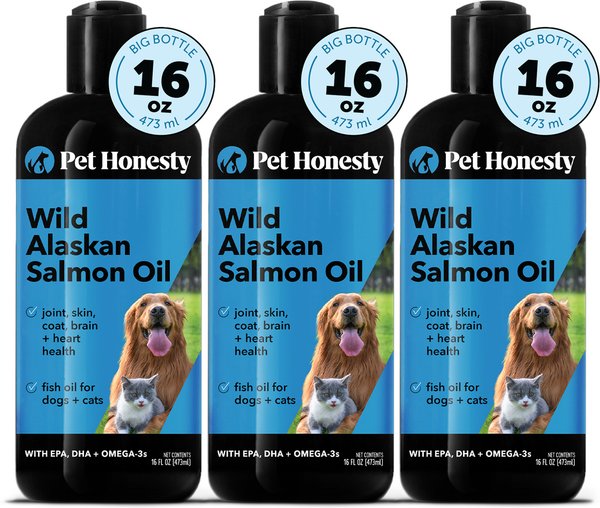
Credit: www.chewy.com
Frequently Asked Questions
Does Salmon Oil Require Refrigeration After Opening?
Yes, salmon oil should be refrigerated after opening. Refrigeration helps preserve its freshness and prevents it from going rancid quickly. Always seal the bottle tightly before placing it in the fridge to maintain its quality and extend shelf life.
Can Salmon Oil Spoil If Not Refrigerated?
Salmon oil can spoil if left unrefrigerated for too long. Exposure to heat and air speeds up oxidation, causing unpleasant odors and reducing nutritional benefits. To keep salmon oil safe and effective, always store it in a cool, dark place or refrigerate after opening.
How Long Does Refrigerated Salmon Oil Last?
Refrigerated salmon oil typically lasts 3 to 6 months after opening. Proper refrigeration slows down spoilage and oxidation. Always check the expiration date and smell the oil before use. If it smells fishy or rancid, discard it immediately.
Is Refrigeration Necessary For Unopened Salmon Oil?
Unopened salmon oil usually does not require refrigeration. It can be stored in a cool, dark cabinet away from heat and sunlight. Refrigerate only after opening to maintain freshness and prevent spoilage. Always follow storage instructions on the label.
Conclusion
Salmon oil keeps best when stored in a cool, dark place. Refrigeration helps keep it fresh and stops it from going bad. Warm temperatures can make the oil spoil faster. Always check the label for storage instructions. Keeping salmon oil cold protects its nutrients and taste.
Don’t leave the bottle open for long periods. Use the oil within the recommended time for best results. Taking these simple steps ensures your salmon oil stays healthy and safe to use. A little care goes a long way for quality and freshness.