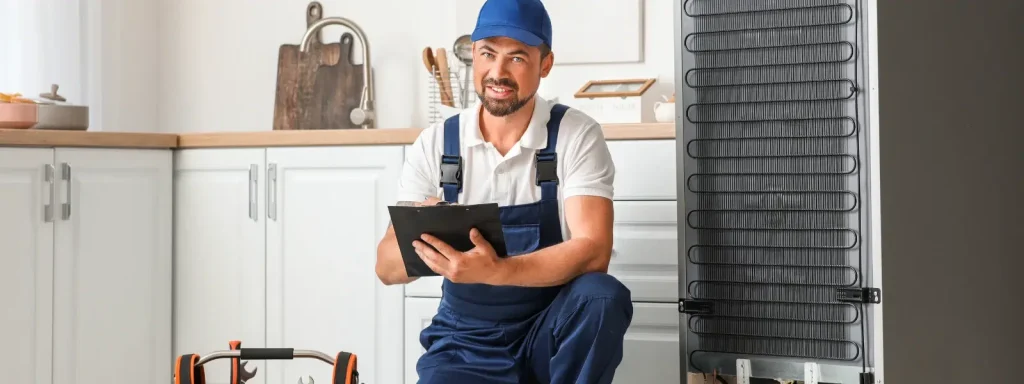
Is your refrigerator leaking water inside, leaving puddles and causing a mess? You’re not alone, and it’s more common than you might think.
A leaking fridge can be frustrating and even damage your food or floors. But don’t worry—understanding why this happens is the first step to fixing it quickly. You’ll discover the most common reasons behind those annoying drips and simple ways to stop them.
Keep reading to protect your fridge and save yourself time and money.
Credit: www.tataneu.com
Common Causes Of Refrigerator Leaks
Noticing water pooling inside your refrigerator can be frustrating and confusing. Understanding the common causes of these leaks helps you fix the problem quickly and avoid food spoilage or further damage. Let’s look at some frequent reasons why your fridge might be leaking water inside.
Clogged Defrost Drain
The defrost drain is designed to channel melted frost away from the freezer and into a drain pan. When this drain gets clogged with food particles or ice, water backs up and pools inside your fridge. Have you ever found a puddle forming right under your freezer compartment? That’s often a sign the defrost drain needs clearing.
Clearing it can be simple: flush the drain with warm water using a turkey baster or a small pipe cleaner. Keeping this drain clear prevents leaks and maintains efficient cooling.
Damaged Door Seals
Your refrigerator’s door seals keep cold air inside and moisture out. Over time, these seals can crack or become loose, letting warm air enter and causing condensation inside. If your fridge door isn’t sealing tightly, you might notice water collecting near the edges or inside the compartments.
Try inspecting the seals for cracks or tears, and clean them regularly to keep them flexible. If damaged, replacing the seals can save you from constant leaks and energy waste.
Blocked Water Filter
If your fridge has a water dispenser or ice maker, a blocked or old water filter can cause leaks. When the filter clogs, water flow is disrupted, which sometimes leads to leaks inside the fridge. Have you changed your water filter in the past six months? If not, this might be the cause of the water buildup.
Replacing the filter as recommended by the manufacturer ensures smooth water flow and helps avoid leaks. It’s a quick fix that can improve both water quality and fridge performance.
Improper Leveling
Refrigerators need to be level for water to flow correctly through the drain system. If your fridge tilts too far forward or backward, water can pool inside instead of draining out. You might notice water collecting at the front or sides of your fridge if it’s not properly leveled.
Checking the level with a spirit level and adjusting the feet can solve this issue. It’s a simple adjustment that many overlook but can stop leaks immediately.
Signs Of Internal Water Leakage
Recognizing the signs of internal water leakage in your refrigerator can save you from costly repairs and spoiled food. Water leaking inside is not just a minor inconvenience—it often signals a deeper issue that needs your attention. Paying close attention to these signs helps you act before damage worsens.
Pooling Water Inside
Have you noticed small puddles forming on the bottom shelves or the vegetable drawer? This pooling water is a clear indication that something is wrong. It often happens because the drain hole or drip pan is clogged or frozen, preventing water from draining properly.
Ignoring this can cause mold growth and damage to your fridge’s interior. Check the drain hole for blockages or ice buildup regularly to avoid this issue.
Frost Build-up
Excessive frost inside the freezer or fridge compartment can be a sign of internal leakage. Frost forms when warm, moist air enters the fridge, often through a faulty door seal or blocked defrost drain. This frost traps melting ice, leading to water pooling inside.
Have you felt your fridge door not sealing tightly? Even a small gap can cause frost buildup and water leakage. Keeping seals clean and intact can prevent frost and its related problems.
Unusual Odors
Water leakage inside your fridge can cause unpleasant smells. Stagnant water creates a breeding ground for bacteria and mold, which produce foul odors. If your fridge starts to smell sour or musty, it’s time to inspect for hidden leaks.
Cleaning spills immediately and drying the affected area can help, but persistent odors often mean water is pooling unseen. Could your fridge’s leaking water be silently spoiling your food and air quality?
Step-by-step Quick Fixes
Water inside a refrigerator often comes from clogged or frozen drain tubes. Clearing these tubes and checking door seals can stop leaks quickly. Regular cleaning helps prevent water buildup and keeps your fridge dry inside.
When you notice water pooling inside your refrigerator, it can be both frustrating and puzzling. Fear not, as most of these issues can be addressed with some quick fixes. Here, we’ll guide you through practical steps to tackle this common household problem.Clearing The Defrost Drain
A blocked defrost drain is a frequent culprit for water inside your fridge. Over time, food particles or ice can clog this drain, leading to water buildup. To clear it, locate the drain hole, usually at the back bottom of your refrigerator. Use a turkey baster or a long pipe cleaner to remove debris. Pour a mixture of warm water and vinegar to ensure it’s clear. You’ll be surprised how often this simple step resolves the issue.Inspecting And Replacing Door Seals
Worn-out or damaged door seals can let warm air in, causing condensation. Run your hand around the edges of the door to feel for any cold air escaping. If you find any gaps, it might be time to replace the seals. You can order a new seal and install it yourself with some guidance. A properly sealed door ensures your refrigerator runs efficiently, saving you money on energy bills.Changing The Water Filter
A clogged water filter can cause leaks and reduce the efficiency of your refrigerator. Check your fridge’s manual to find the location of the filter. Replace it every six months, or as recommended by the manufacturer. If you notice an unusual taste in your water or ice, it’s a sign that your filter might need replacing sooner. Regularly changing the filter not only prevents leaks but also ensures you have fresh, clean water.Leveling Your Refrigerator
An uneven refrigerator can cause water to pool inside. Use a spirit level to check if your fridge is balanced. Adjust the front legs or rollers as needed to achieve a level position. When your refrigerator is level, the coolant circulates correctly, preventing unnecessary water buildup. This simple adjustment can make a big difference in your appliance’s performance. Taking these straightforward steps can save you from unnecessary stress and expenses. Have you tried any of these fixes before? What other tips do you have for maintaining your refrigerator?
Credit: www.youtube.com
Preventing Future Leaks
Preventing water leaks inside your refrigerator helps keep food fresh and avoids damage. Small actions can stop leaks before they start. Regular care improves fridge performance and saves money on repairs. Follow simple steps to maintain a dry and clean fridge interior.
Regular Maintenance Tips
- Clean the drip pan and drain hole monthly to avoid blockages.
- Check and replace door seals if they are cracked or loose.
- Keep the refrigerator temperature between 37°F and 40°F for proper cooling.
- Defrost the freezer regularly to prevent ice buildup that causes leaks.
- Clear dirt and dust from the condenser coils every six months.
Proper Food Storage
- Use airtight containers to stop moisture from escaping.
- Do not overfill the fridge to allow air circulation.
- Cover liquids tightly to avoid spills and condensation.
- Place hot food outside to cool before storing in the fridge.
- Organize food to prevent blocking air vents inside the fridge.
Routine Inspections
- Look for water pooling or ice buildup regularly.
- Check the door gasket for gaps that let warm air in.
- Inspect the drain hose for kinks or clogs.
- Listen for unusual noises indicating mechanical problems.
- Test the fridge’s leveling to ensure water flows to the drain.
When To Call A Professional
Sometimes, fixing a leaking refrigerator needs expert help. Small leaks may look easy to handle but could hide bigger problems. Calling a professional ensures the issue gets fixed right the first time. It also prevents damage to your fridge or home.
Persistent Leaks
Leaks that keep coming back need expert attention. A professional can find hidden causes like clogged drains or broken seals. They use special tools to check parts you cannot see. Persistent leaks may lead to mold or electrical damage. Getting help early saves money and stress.
Electrical Issues
Water near electrical parts is dangerous. A professional knows how to handle electrical problems safely. They can check the wiring and components for damage. Trying to fix electrical issues without skill can cause injury or fire. Always call an expert if water touches electrical parts.
Complex Repairs
Some repairs need special tools or skills. Problems like broken water lines or faulty defrost systems require a trained technician. They have the parts and knowledge to fix these issues properly. Complex repairs done wrong can make leaks worse. Trust a professional for these tough fixes.

Credit: www.reddit.com
Frequently Asked Questions
Why Is Water Leaking Inside My Refrigerator?
Water leaks inside a fridge often result from clogged or frozen defrost drain tubes. This blockage causes water to pool inside instead of draining. Regularly cleaning the drain and ensuring proper temperature settings can prevent leaks and keep your fridge dry and efficient.
How Do I Fix A Leaking Refrigerator Drain?
To fix a leaking drain, first locate and clear any clogs in the drain tube. Use warm water or a pipe cleaner to remove blockages. This helps water flow properly to the drain pan, stopping leaks inside your refrigerator quickly and effectively.
Can A Faulty Door Seal Cause Water Leaks?
Yes, a damaged or worn door seal can cause water leaks inside. It allows warm air in, causing condensation that turns into water. Inspect the seal regularly and replace it if cracked or broken to maintain an airtight fridge environment and prevent leaks.
Does Refrigerator Temperature Affect Water Leakage?
Improper temperature settings can cause water leaks. If too cold, the defrost system may freeze and block drains. If too warm, excess condensation forms. Keep your fridge temperature between 37°F and 40°F to avoid leaks and maintain food freshness.
Conclusion
A leaking refrigerator can cause many problems at home. Water inside means something is wrong. Common causes include clogged drains or damaged seals. Fixing these issues prevents water damage and keeps food fresh. Regular cleaning helps avoid leaks and keeps your fridge working well.
Pay attention to small signs to stop bigger problems. Taking care of your fridge saves money and stress. Remember, a dry and clean fridge means a happy kitchen.