Are you worried about the fluoride in your tap water? You might be wondering if your refrigerator’s water filter can actually remove it.
Fluoride is added to many water supplies to protect teeth, but some people want to reduce their intake for personal reasons. Understanding whether your fridge filter can help with this is important for your health and peace of mind. Keep reading to discover the truth about refrigerator water filters and fluoride—what they can do, what they can’t, and what you should consider for your drinking water.
How Fluoride Enters Drinking Water
Fluoride enters drinking water through different natural and human-made sources. Understanding these sources helps explain why fluoride is present in many water supplies.
Natural fluoride comes from rocks and soil. When water moves through the ground, it picks up fluoride from these materials. This process is called leaching.
Water treatment plants often add fluoride. This addition helps improve dental health by reducing tooth decay. Many communities follow guidelines to control fluoride levels.
Natural Sources Of Fluoride In Water
Fluoride naturally exists in minerals like fluorite and apatite. Groundwater absorbs fluoride as it passes through these minerals. The amount of fluoride varies by location and rock type.
Fluoride Added During Water Treatment
Many towns add fluoride to public water to protect teeth. This practice began in the 1940s and continues worldwide. Controlled amounts of fluoride are mixed into the water supply.
Environmental Factors Affecting Fluoride Levels
Rainfall, temperature, and soil type influence fluoride concentration in water. Dry areas may have higher fluoride due to less dilution. Seasonal changes can also affect fluoride levels.

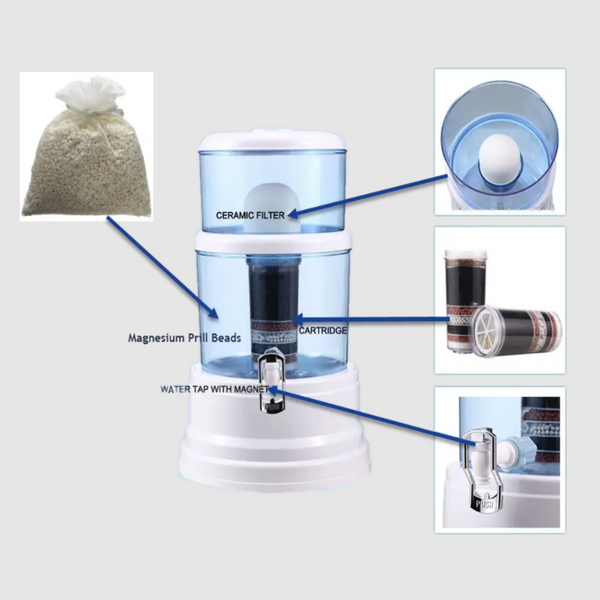
Credit: glacierfreshfilter.com
Common Types Of Refrigerator Water Filters
Refrigerator water filters come in different types. Each type works differently to clean water. Knowing common types helps you choose the right filter.
Some filters focus on removing chlorine and odors. Others reduce heavy metals and certain chemicals. Understanding these filters clarifies their ability to remove fluoride.
Carbon Filters
Carbon filters use activated carbon to trap impurities. They remove chlorine, bad taste, and odors effectively. These filters can block some chemicals but struggle with fluoride. Carbon filters are common in many refrigerators due to low cost and easy replacement.
Reverse Osmosis Filters
Reverse osmosis filters push water through a thin membrane. This process removes many contaminants including fluoride. These filters provide very clean water but cost more. They need more maintenance and sometimes waste water during filtering.
Ion Exchange Filters
Ion exchange filters swap harmful ions with safer ones. They reduce heavy metals and water hardness. Some ion exchange filters can lower fluoride levels. These filters work well for specific water problems and are found in some refrigerator models.
Effectiveness Of Refrigerator Filters Against Fluoride
Many people use refrigerator water filters to improve water quality. These filters work well for removing chlorine and sediments. But what about fluoride? The effectiveness of refrigerator filters against fluoride is often questioned.
Filtration Capabilities
Refrigerator water filters are primarily designed for taste and odor. They use activated carbon, which traps impurities. This process is effective for chlorine and other common contaminants. Unfortunately, fluoride is a tiny molecule. It often slips through activated carbon filters. Most refrigerator filters are not specialized for fluoride removal.
Limitations
Refrigerator filters have specific limitations. They are not designed to remove all types of contaminants. Fluoride is one of the substances that may not be filtered out. These filters focus on improving taste and removing larger particles. Their design limits their effectiveness against small molecules like fluoride.
To remove fluoride, specialized filters are needed. Reverse osmosis systems are more effective for fluoride removal. Refrigerator filters may need an upgrade for better filtration.

Credit: www.frizzlife.com
Alternative Methods To Remove Fluoride
Removing fluoride from your water can be tricky, especially since standard refrigerator water filters often don’t do the job. If you’re concerned about fluoride levels and want cleaner water, you might want to look into some alternative methods. These options vary in cost, maintenance, and effectiveness, but each offers a way to reduce fluoride in your drinking water.
Activated Alumina
Activated alumina is a specially treated material designed to attract and hold fluoride ions. It works well in water filtration systems and can remove up to 90% of fluoride when used correctly.
You’ll need to replace the activated alumina media regularly to keep it effective. This method is often used in home filters or under-sink systems. Have you ever checked how often your filter media needs changing? It’s a simple step that makes a big difference.
Reverse Osmosis Systems
Reverse osmosis (RO) systems push water through a semi-permeable membrane, leaving most contaminants, including fluoride, behind. This method is one of the most reliable ways to reduce fluoride levels significantly.
RO systems usually come with multiple stages of filtration, so you get clean, fresh-tasting water. They require installation under your sink and occasional filter changes. Do you consider the upfront cost and maintenance worth the water quality you get?
Distillation
Distillation heats water until it turns into steam, then cools it back into liquid form, leaving impurities like fluoride behind. This method produces very pure water and removes many types of contaminants.
However, distillation units can be slow and use more energy than other filters. If you don’t mind waiting and want near-perfect water purity, this could be a good fit. What’s your priority—speed or purity—when it comes to filtered water?
Health Implications Of Fluoride In Water
Fluoride is a common additive in many water supplies. It helps prevent tooth decay but raises health concerns too. Understanding its effects is important for making safe water choices. Some worry about long-term exposure to fluoride in drinking water. Knowing the possible health risks helps you decide if you need extra filtration.
Dental Health Benefits And Risks
Fluoride strengthens tooth enamel and reduces cavities. Many dentists support its use in water for children and adults. Yet, too much fluoride can cause dental fluorosis. This condition leads to white spots or streaks on teeth. Severe cases may cause tooth damage and discoloration.
Potential Bone Health Issues
High fluoride intake over years may affect bones. It can cause skeletal fluorosis, a disease that weakens bones. Symptoms include joint pain and stiffness. This condition is rare but serious. It often occurs in areas with naturally high fluoride in water.
Concerns About Other Health Effects
Some studies suggest fluoride might affect the brain and thyroid. Research is ongoing, but no clear link has been proven. People with thyroid problems should monitor fluoride intake carefully. Staying informed helps protect overall health.
Safe Fluoride Levels In Drinking Water
Health organizations recommend fluoride levels below 1.5 mg/L in water. This amount balances cavity prevention with low health risks. Testing water for fluoride can guide your filtration choices. Using filters that reduce fluoride helps control intake.
Tips For Choosing The Right Water Filter
Choosing the right water filter for your refrigerator is crucial if you want clean, safe drinking water. Not all filters work the same way, especially when it comes to removing specific contaminants like fluoride. Knowing what to look for can save you money and ensure your water tastes great and is healthier for your family.
Filter Certifications
Always check if the filter has certifications from trusted organizations like NSF International or the Water Quality Association (WQA). These certifications guarantee the filter meets strict standards for contaminant reduction.
Look for specific certifications related to fluoride removal if that’s your main concern. Not every filter certified for general contaminants can remove fluoride effectively.
Ask yourself: Does the filter’s certification match the type of contaminants you want to reduce? This simple check can prevent disappointment later.
Maintenance And Replacement
Filters don’t last forever. Ignoring maintenance or delaying replacements can reduce their effectiveness, sometimes making your water quality worse.
Check the manufacturer’s recommended replacement schedule before buying. Some filters last 3 months, others up to 6 months or more.
Think about how easy it is to replace the filter. Can you do it yourself, or will you need professional help? Convenience matters if you want to stay consistent.
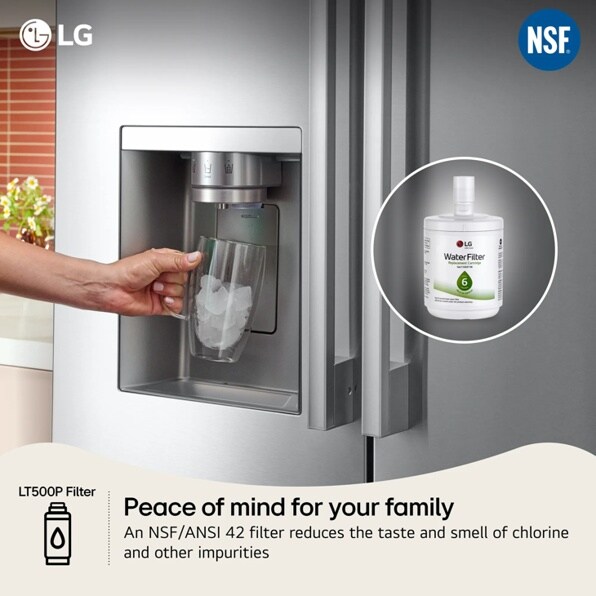
Credit: www.lg.com
Frequently Asked Questions
Do Refrigerator Water Filters Remove Fluoride Effectively?
Most standard refrigerator water filters do not remove fluoride. Fluoride requires specialized filtration like activated alumina or reverse osmosis. Check your filter’s specifications to confirm if it targets fluoride removal before relying on it.
Which Filters Can Remove Fluoride From Drinking Water?
Activated alumina filters and reverse osmosis systems effectively remove fluoride. These technologies specifically target fluoride ions, unlike typical carbon-based refrigerator filters. Choose these for reliable fluoride reduction in your water.
Can Fluoride Removal Affect Water Taste From Fridge Filters?
Removing fluoride usually has minimal impact on water taste. Fluoride is tasteless, so its removal doesn’t change flavor significantly. However, other contaminants filtered out may alter the water’s taste slightly.
How Often Should I Replace Refrigerator Water Filters?
Replace refrigerator water filters every 6 months or according to the manufacturer’s instructions. Regular replacement ensures effective filtration and maintains water quality, including contaminant removal.
Conclusion
Refrigerator water filters can improve water taste and remove some impurities. Most do not remove fluoride completely. Fluoride needs special filters like reverse osmosis or activated alumina. Check your filter’s specifications to know what it removes. Clean water is important for health and safety.
Choose the right filter for your needs. Stay informed about water quality at home. Clean, safe water helps your family stay healthy.