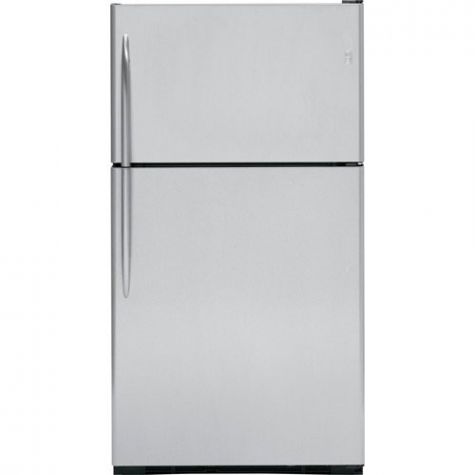
Are you confused about whether your refrigerator should be plugged into a 110-volt or 220-volt outlet? This simple question can save you from costly mistakes and keep your kitchen running smoothly.
Choosing the right voltage isn’t just a technical detail—it affects your fridge’s performance, safety, and energy use. By the end of this article, you’ll know exactly what voltage your refrigerator needs and why it matters to you. Keep reading to make the best choice for your home and avoid common pitfalls.

Credit: www.220-electronics.com
Voltage Basics For Refrigerators
Understanding the voltage basics for refrigerators is crucial before you buy or install one. Voltage affects how efficiently your fridge runs and whether it will work safely in your home. Knowing the right voltage ensures you protect your appliance and avoid costly repairs.
Common Household Voltages
Most refrigerators in the U.S. use either 110 volts or 220 volts. The standard household outlets supply about 110 to 120 volts, suitable for most refrigerators. Larger or commercial models might need 220 volts, which provides more power for heavy-duty cooling.
Different countries have different standards. For example:
- The U.S. and Canada mainly use 110-120 volts.
- Many European countries use 220-240 volts.
Check your local voltage supply before purchasing a refrigerator. Using the wrong voltage can cause the appliance to malfunction or even become a fire hazard.
Why Voltage Matters
Voltage controls how much electrical power your refrigerator receives. If the voltage is too low, the fridge won’t cool properly, leading to spoiled food. If it’s too high, the components can overheat and fail.
When I once plugged a fridge designed for 110 volts into a 220-volt outlet, it burned out within minutes. That experience taught me the importance of matching voltage exactly. You must always verify the voltage rating on your fridge’s label before plugging it in.
Think about your refrigerator’s location. Is your home wired for 110 or 220 volts? If uncertain, use a voltage tester or consult an electrician. Getting this right saves you from unexpected downtime and expensive repairs.
110v Refrigerators
Most refrigerators use 110V power, common in North American homes. Some larger models need 220V for better performance. Choosing the right voltage ensures safe and efficient cooling.
The world of refrigerators can be surprisingly complex, especially when you start considering the electrical demands of different models. Among these, 110V refrigerators stand out for their versatility and practicality. Whether you’re outfitting a compact kitchen or a mobile home, understanding the dynamics of these appliances can make a significant difference in your decision-making process.Typical Uses And Locations
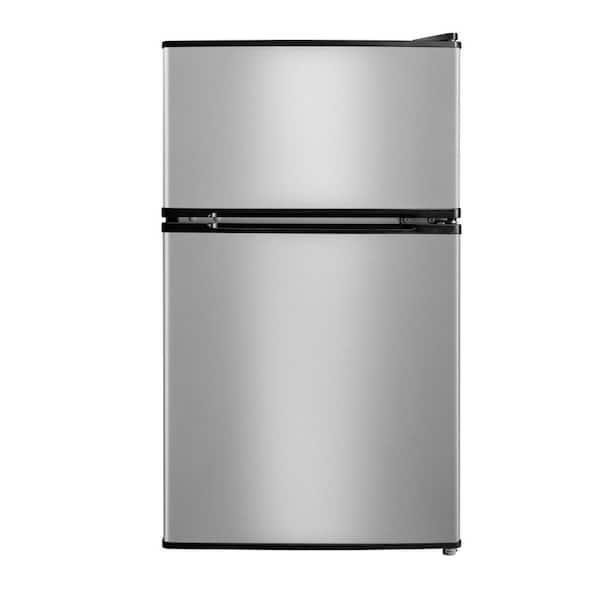
110V refrigerators are commonly found in smaller spaces where energy efficiency and compact design are crucial. Think of tiny apartments, RVs, or even college dorms. Their ability to plug into a standard electrical outlet makes them incredibly convenient for a variety of settings. With their ease of installation, these refrigerators are perfect for anyone who values simplicity. You can even use them in a garage or basement for extra storage. They offer a practical solution without the need for special wiring or costly electrical upgrades.Advantages Of 110v Models
One of the main benefits of 110V refrigerators is their energy efficiency. They are designed to consume less power, which can save you money on your electricity bill. Plus, their smaller size often means they take up less space, making them ideal for tight quarters. These models are typically more affordable than their 220V counterparts. Whether you’re a student on a budget or someone looking to furnish a vacation home, a 110V refrigerator can be a cost-effective choice. Another advantage is their portability. If you’re someone who moves frequently or likes to rearrange your space often, a 110V fridge can easily be relocated without much hassle.Limitations To Consider
While 110V refrigerators are versatile, they do come with limitations. Their smaller size means they may not hold as much food as larger models, which can be a drawback for families or those who like to stock up. These refrigerators might not perform as well in extreme climates. If you live in a particularly hot or cold area, you might find that a 110V model struggles to maintain the desired temperature. Additionally, they may not have all the advanced features found in larger, more modern refrigerators. If you’re looking for smart technology or high-end finishes, you may need to explore other options. Are you thinking about how a 110V refrigerator fits into your lifestyle? Consider these factors and decide if their benefits outweigh the limitations for your specific needs.220v Refrigerators
220V refrigerators run on higher voltage power supply compared to standard 110V models. These refrigerators are common in places with 220V electrical systems. They usually offer better performance and efficiency. Understanding where and why 220V refrigerators are used helps in making the right choice for your home or business.
Where 220v Is Commonly Used
Many countries use 220V as the standard household voltage. This includes most of Europe, Asia, and Africa. Commercial buildings and large kitchens in the United States sometimes also use 220V appliances. This voltage supports bigger and more powerful refrigerators.
Benefits Of Higher Voltage
- Improved energy efficiency with less power loss.
- Stronger cooling capacity for large refrigerators.
- Reduced electrical current lowers wire heating risk.
- Supports commercial-grade and specialty fridge models.
Potential Drawbacks
- Not compatible with standard 110V outlets.
- Requires special wiring and circuit breakers.
- Higher installation costs in homes without 220V supply.
- May cause confusion during appliance replacement.
Choosing The Right Voltage
Choosing the right voltage for your refrigerator is essential for its performance and safety. Refrigerators commonly use either 110 volts or 220 volts, depending on their design and your home’s electrical system. Picking the correct voltage ensures your appliance runs smoothly and avoids electrical problems.
Evaluating Power Supply At Home
Check the main electrical panel to see what voltage your home uses. Most homes in the US have a 110-120 volt supply for standard outlets. Some homes also have 220-240 volts for larger appliances like ovens or dryers. Use a voltage tester or ask an electrician to confirm your outlet voltage before buying a refrigerator.
Matching Refrigerator To Electrical System
Choose a refrigerator that matches your home’s voltage supply. A 110-volt fridge fits most standard outlets and is common for smaller models. Larger refrigerators or commercial types may need 220 volts for better efficiency. Using the wrong voltage can damage the appliance or cause it not to work.
Safety Tips For Installation
- Turn off power at the breaker before installation.
- Use a properly grounded outlet to prevent shocks.
- Check the refrigerator’s voltage label before plugging in.
- Hire a professional electrician for 220-volt installations.
- Avoid using extension cords with refrigerators.
Energy Efficiency And Voltage
Understanding the relationship between energy efficiency and voltage can help you make smarter choices about your refrigerator. Voltage affects how appliances run, which in turn impacts your energy bill and overall efficiency. Knowing whether your refrigerator uses 110V or 220V can guide you in optimizing energy use without sacrificing performance.
Impact Of Voltage On Energy Use
The voltage rating of a refrigerator influences how much power it draws from your electrical system. A 220V fridge typically operates at a higher voltage but may draw less current, which can lead to better efficiency. On the other hand, a 110V unit uses lower voltage but might pull more current to maintain performance.
Think about your home’s wiring and power supply—does it support 220V appliances? If not, using a 220V refrigerator might require additional electrical work, which can affect your overall energy costs. Have you noticed that some appliances labeled for 220V seem to run cooler or quieter? This can be a sign of more efficient operation due to voltage differences.
Comparing Running Costs
Running costs depend on more than just voltage; compressor efficiency, insulation, and usage patterns all play a role. However, voltage can influence how much electricity your refrigerator consumes over time. Typically, 220V models can be more cost-effective in the long run because they deliver power more efficiently.
Here’s a quick comparison table to illustrate:
| Voltage | Current Draw | Energy Efficiency | Typical Running Cost |
|---|---|---|---|
| 110V | Higher | Moderate | Higher |
| 220V | Lower | Better | Lower |
Are you paying attention to your appliance’s voltage rating when shopping? Small choices like this can have a big impact on your monthly bills. Consider your local electricity rates and how often you open your fridge—these factors will also affect your costs.

Credit: www.220-electronics.com
Specialty Refrigerators And Voltage
Specialty refrigerators often require different voltage settings compared to standard home units. Understanding whether these units run on 110V or 220V is crucial for proper installation and safe operation. This knowledge can save you from unexpected electrical issues and ensure your refrigerator runs efficiently.
Commercial Vs. Residential Units
Commercial refrigerators usually operate on 220V power because they need more energy to handle larger capacities and continuous use. These units are built for heavy-duty performance in restaurants, stores, or other businesses.
Residential refrigerators typically use 110V, which is standard in most homes. They consume less power since they are designed for daily household needs rather than nonstop operation.
Have you ever wondered why your friend’s restaurant fridge looks bigger and more powerful than yours? The voltage difference is a big part of that.
Portable And Rv Refrigerators
Portable and RV refrigerators often run on 12V DC power, but many models can switch between 110V and 220V AC power as well. This flexibility makes them ideal for traveling or outdoor use.
Since RVs and camping setups vary widely, checking the voltage compatibility of your portable fridge is essential before buying. It ensures you won’t face power issues during your trip.
Think about your last road trip—did your fridge keep everything cold without draining your vehicle’s battery? Voltage compatibility plays a key role in that success.
Troubleshooting Voltage Issues
Voltage issues can be a hidden culprit behind a malfunctioning refrigerator. Identifying and fixing these problems early saves you from costly repairs and spoiled food. Let’s look at how you can spot voltage problems and what steps to take next.
Common Electrical Problems
Refrigerators usually run on either 110V or 220V, depending on the model and region. Using the wrong voltage or experiencing voltage fluctuations can cause:
- Frequent tripping of circuit breakers
- Unusual noises or the compressor not running
- Lights flickering inside the fridge
- Overheating or the fridge failing to cool properly
You might notice your fridge turning on and off randomly or not starting at all. These signs often point to voltage inconsistency or wiring issues. Have you checked if your outlet matches your refrigerator’s voltage requirement?
When To Call A Professional
Dealing with electrical components can be risky if you’re not trained. If you’ve confirmed voltage mismatch or suspect wiring faults, it’s safer to seek expert help. Professionals can test your home’s electrical system and ensure your fridge runs on the correct voltage.
Also, if your circuit breaker trips repeatedly after trying basic fixes, it’s time to call a technician. Trying to fix complex electrical problems yourself can lead to bigger issues or even hazards. Have you experienced any electrical sparks or burning smells near your fridge? Don’t ignore those signs.
Credit: www.homedepot.com
Frequently Asked Questions
Are Refrigerators Typically 110 Or 220 Volts?
Most household refrigerators run on 110-120 volts in the US. Some heavy-duty or commercial models use 220 volts. Always check the appliance label for exact voltage requirements before installation or purchase.
Can I Use A 220-volt Refrigerator On A 110-volt Outlet?
No, a 220-volt refrigerator cannot run on a 110-volt outlet. The lower voltage will cause poor performance or damage. Use a suitable power source or a voltage converter if necessary.
Why Do Some Refrigerators Require 220 Volts?
220-volt refrigerators use higher voltage to power larger compressors and features. This is common in commercial or large-capacity models. Higher voltage helps improve efficiency and cooling power.
How To Know If My Refrigerator Is 110 Or 220 Volts?
Check the label or manual on your refrigerator. It usually specifies voltage requirements. You can also look at the plug type; 220-volt plugs are different from 110-volt ones.
Conclusion
Refrigerators usually run on either 110 or 220 volts. Most homes use 110 volts for standard models. Larger or commercial fridges often need 220 volts. Knowing your fridge’s voltage helps avoid electrical problems. Always check the label or manual before plugging in.
Use the right outlet to keep your fridge safe. This simple step protects your appliance and home. Choosing the correct voltage ensures your refrigerator works well. Keep your food fresh without worry. Simple and smart.