If you’re a parent who pumps breast milk, you’ve probably wondered: Can you refrigerate breast milk after warming it up? It’s a common question that comes with real concerns about your baby’s health and safety.
You want to make sure your little one gets the best nutrition without risking anything. You’ll discover the answer to this important question and learn the best practices to keep your breast milk fresh and safe. Keep reading—you don’t want to miss these essential tips that could make your feeding routine easier and safer.
Safe Storage Times
Understanding safe storage times for breast milk after warming is crucial for your baby’s health. Storing warmed milk improperly can lead to bacterial growth, which might harm your little one. Let’s break down exactly how long you can keep breast milk once it’s been warmed and what risks you should avoid.
How Long After Warming
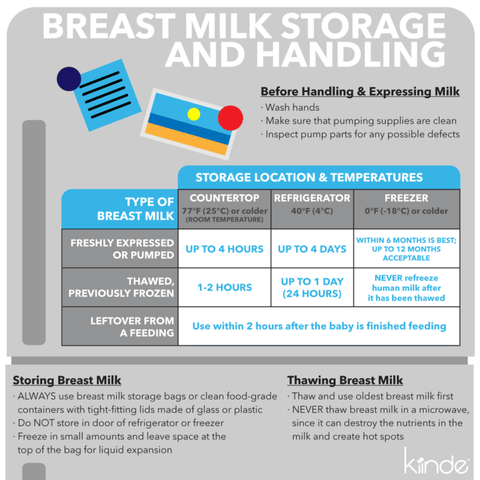
Once breast milk is warmed, it’s best to use it within 1 to 2 hours. After this time, bacteria can start to multiply, even if the milk looks and smells fine. If your baby doesn’t finish the bottle, it’s safer to discard the leftover milk rather than refrigerate it again.
Many parents wonder if putting warmed milk back in the fridge is okay. The simple answer is no — reheating and cooling repeatedly increases the risk of contamination. To avoid waste, warm only the amount your baby is likely to drink at one feeding.
Risks Of Prolonged Storage
Keeping warmed breast milk for too long can lead to the growth of harmful bacteria. This might cause your baby to develop stomach upset or infections. You don’t want to take that chance, especially since breast milk is precious and irreplaceable.
Have you ever noticed a sour smell in warmed milk after some time? That’s a sign bacteria are multiplying. This can happen even if the milk was refrigerated after warming, so don’t rely on cold storage to make it safe indefinitely.
Remember, it’s better to prepare smaller amounts and warm fresh milk as needed. This approach protects your baby’s health and helps you avoid unnecessary waste.

Credit: www.breastfeedingnetwork.org.uk
Best Practices For Warming
Breast milk should not be refrigerated after warming to keep it safe. Warming can promote bacteria growth, risking your baby’s health. Use warmed milk within two hours and discard any leftovers.
Warming breast milk can feel like a delicate task, especially when you want to ensure its nutrients and antibodies remain intact. It’s not just about getting the milk to the right temperature; it’s about doing so safely and efficiently. Knowing the best practices for warming breast milk can make a world of difference in providing a nourishing meal for your baby.Recommended Warming Methods
One of the most effective ways to warm breast milk is by using a bowl of warm water. Simply place the milk container in a bowl and allow it to gradually warm up. This method prevents overheating and retains the milk’s nutritional value. A bottle warmer is another practical choice. Designed specifically for this purpose, it offers a more controlled warming process. Always ensure the device settings are appropriate for breast milk to avoid overheating.Avoiding Overheating
Overheating can destroy vital nutrients in breast milk, so it’s essential to be vigilant. Always test the temperature of the milk by placing a few drops on your wrist. It should feel warm, not hot. Never use a microwave to warm breast milk. The uneven heating can create hot spots, posing a burn risk to your baby. Instead, opt for gentle warming techniques that preserve the milk’s natural benefits. Remember, warming breast milk is about more than just temperature. It’s about ensuring your baby receives the best nutrition possible. Are there other warming tips you’ve found effective? Share your experiences and help others navigate this important task.Refrigerating After Warming
After warming breast milk, parents often wonder if it can be stored again in the refrigerator. Understanding the safety and risks is important. Proper handling keeps the milk safe for your baby. Let’s explore the facts about refrigerating breast milk after warming.
Is It Safe To Refrigerate?
Refrigerating breast milk after warming is generally not recommended. Once warmed, milk should be used within two hours. Storing it again in the fridge can increase the risk of spoilage. Bacteria can grow faster in milk that has been warmed and cooled repeatedly.
Experts suggest warming only the amount needed for feeding. Avoid reheating or refrigerating leftover milk. This practice helps keep your baby safe from harmful bacteria.
Potential Bacterial Growth
Bacteria multiply quickly in warm environments. Breast milk warmed and left at room temperature can develop bacteria. Cooling the milk slows bacterial growth but does not stop it completely. Refrigerating warmed milk may not kill bacteria already present.
Repeated warming and cooling create a risk of contamination. This can cause digestive issues or infections in babies. Safe milk handling means limiting temperature changes and timely use.
Handling Leftover Milk
Handling leftover breast milk after warming it up requires careful attention to keep your baby safe. It’s common to wonder if you can refrigerate it again or if it should be discarded immediately. Understanding the best practices helps you avoid waste and prevent any risk of contamination.
When To Discard
If your baby doesn’t finish the warmed breast milk within 1 to 2 hours, it’s safest to discard the leftover milk. Bacteria can grow quickly in milk once it’s been warmed and exposed to your baby’s mouth. Even if it looks and smells fine, it’s better not to take chances.
Have you ever noticed that milk left out too long tastes different? That change means harmful bacteria might be developing. Always keep track of time once you start feeding to know when to toss the remaining milk.
Preventing Contamination
To reduce the risk of contamination, never put leftover milk back in the fridge after your baby has started feeding. Use clean bottles and wash your hands thoroughly before handling milk. Avoid touching the bottle’s nipple or inside of the cap to keep germs away.
Consider warming only the amount your baby can finish in one feeding. This practice minimizes leftovers and keeps feeding safe and easy. Could adjusting how much milk you warm save you stress and prevent waste?
Tips For Fresh Milk Storage
Storing fresh breast milk properly is essential to keep it safe and nutritious for your baby. Knowing how to store it can save you from wasting precious milk and ensure your little one gets the best. Here are practical tips to help you manage fresh milk storage effectively.
Ideal Refrigerator Conditions
Your refrigerator’s temperature plays a crucial role in preserving breast milk. Aim to keep it at or below 4°C (39°F) to slow down bacterial growth.
Place the milk at the back of the fridge, where the temperature is most stable, rather than in the door. Avoid frequent opening of the fridge as it causes temperature fluctuations that can spoil the milk faster.
Have you checked your fridge thermometer lately? A quick check can prevent accidental spoilage and keep your milk fresh longer.
Labeling And Tracking
Label each milk container with the date and time you expressed it. This simple step helps you use the oldest milk first, reducing waste.
You can use waterproof labels or a permanent marker on storage bags and bottles. Keep a small notebook or use a smartphone app to track your milk supply if you store large amounts.
Ever found yourself unsure which milk to use first? Clear labeling and tracking can eliminate that guesswork, making feeding time stress-free.

Credit: www.pampers.com
Alternatives To Refrigeration
Storing breast milk after warming requires careful handling to keep it safe. Refrigeration is common, but not the only option. Understanding alternatives helps parents manage feeding times better. These methods can keep milk fresh without using the fridge again.
Using Warmers
Breast milk warmers gently heat milk to the right temperature. They prevent overheating and keep nutrients safe. Warmers are easy to use and help avoid cold spots. They maintain milk temperature during feeding sessions. Using warmers reduces the need to reheat milk multiple times.
Room Temperature Storage Limits
Freshly warmed breast milk can stay at room temperature for a short time. The safe limit is usually around two hours. After that, bacteria can grow, which is unsafe for babies. Always keep milk covered and in a clean container. Avoid leaving milk near heat or direct sunlight to preserve quality.
Credit: www.cafeoflifesandiego.com
Frequently Asked Questions
Can You Refrigerate Breast Milk After Warming It?
No, it is not safe to refrigerate breast milk after warming. Once warmed, use it within 2 hours. Discard any leftover milk to prevent bacterial growth and ensure your baby’s safety.
How Long Can Warmed Breast Milk Stay In The Fridge?
Warmed breast milk should not be returned to the fridge. Use it within 2 hours of warming to avoid contamination and spoilage.
Is It Safe To Reheat Breast Milk Multiple Times?
No, reheating breast milk multiple times is unsafe. Reheat only once and discard any unused milk to maintain its quality and safety.
Why Shouldn’t You Refrigerate Breast Milk After Warming?
Refrigerating warmed breast milk promotes bacterial growth. It increases the risk of milk spoilage and can harm your baby’s health.
Conclusion
Warming breast milk is safe, but refrigerate it carefully. Do not warm and cool milk repeatedly. Use warmed milk within two hours to keep it fresh. This helps protect your baby’s health. Always follow safe storage rules for breast milk.
Remember, safety comes first when handling milk. Keep your baby happy and healthy with proper milk care. Simple steps make a big difference every day. Trust your instincts and stay informed.