Do you know what type of refrigerant is running through your system? Finding out can save you time, money, and hassle down the road.
Whether you’re fixing a leak, planning a recharge, or just curious, knowing the exact refrigerant is key. You’ll discover simple and clear ways to identify your system’s refrigerant quickly and accurately. Keep reading—you’ll be surprised how easy it is to get the right information and avoid costly mistakes.
Common Refrigerant Types
Identifying the refrigerant in your system is crucial for maintenance and repair. Different refrigerants have unique properties and environmental impacts. Knowing which type you’re dealing with helps you choose the right handling procedures and equipment.
Popular Refrigerants Today
Modern systems mostly use refrigerants designed to be more environmentally friendly. R-410Ais a top choice for residential and commercial air conditioners due to its efficiency and lower ozone depletion potential. Another common option is R-32, which offers better energy efficiency and a smaller carbon footprint.
You might also encounter R-134ain automotive air conditioning or refrigeration systems. It’s popular because it balances performance with a relatively low global warming potential. Have you noticed how newer appliances often mention these refrigerants on their labels? That’s your first clue.
Legacy Refrigerants Still In Use
Older systems often contain refrigerants phased out by regulations but still found in many places. R-22, also known as Freon, was once the go-to refrigerant for air conditioning. Though production has been largely stopped, many systems still operate using it, especially in older buildings.
Similarly, R-12was widely used in refrigeration and automotive AC but has been banned in most countries because of its ozone-depleting effects. If you service an older unit, you might face challenges finding compatible refrigerant or parts. Have you checked your system’s model year and labels? That often reveals which legacy refrigerant it uses.

Credit: www.achrnews.com
Check The System Label
The system label shows the type of refrigerant used inside. Find it on the unit’s exterior or near the service panel. Reading this label helps identify the correct refrigerant quickly and safely.
Checking the system label is one of the simplest ways to determine what refrigerant is in your system. This little piece of information can save you a lot of guesswork. It’s like having a treasure map to your system’s inner workings.Where To Find Refrigerant Labels
Start by examining the exterior of the unit. Labels are often placed on the compressor or inside the access panel. You’ll typically find them in areas that are easy to reach but protected from environmental wear. Some manufacturers place labels on the side or back of the unit, which might require a flashlight or a mirror to read. Be sure to check the user manual as it can provide clues on where the label might be located. Don’t forget to look for any stickers that might have been added during maintenance.Interpreting Label Information
Once you’ve located the label, it’s time to interpret the data. Look for terms like “Refrigerant Type” or simply “R-22,” “R-410A,” etc. This will clearly indicate the type of refrigerant used. The label may also include the quantity of refrigerant in the system. This information is crucial if you’re considering adding more refrigerant. Think about the last time you tried to troubleshoot an electronic device without the manual. Having the label is like having a guiding hand through the process. Is the label worn out or missing? It might be time to consult a professional to ensure you’re making the right adjustments.Use A Refrigerant Identifier Tool
Using a refrigerant identifier tool is a reliable way to find out which refrigerant is inside a system. This tool helps avoid mistakes that can harm the system or reduce its efficiency. It quickly analyzes the gas and shows the exact type of refrigerant. This saves time and ensures safety during maintenance or repairs.
How Refrigerant Analyzers Work
Refrigerant analyzers detect gases by measuring their unique chemical properties. The tool draws a small sample of the refrigerant from the system. Inside, sensors check the gas composition and compare it to known refrigerant types.
The analyzer then displays the results on a screen. It can detect pure refrigerants and common blends. Some models also show if the refrigerant is contaminated or mixed with air.
Choosing The Right Identifier
- Look for a tool that matches your system type.
- Check if it identifies all refrigerants used in your area.
- Consider devices with easy-to-read displays for quick results.
- Choose analyzers with a fast response time to save work hours.
- Pick tools that are portable and durable for field use.
Visual Clues And System Components
Spotting what refrigerant is inside a system can save you time and prevent costly mistakes. Visual clues and the design of system components often give away the type of refrigerant used. Paying close attention to these details can help you identify the refrigerant without specialized tools.
Identifying Refrigerant By Color Codes
Many refrigerants come with color-coded labels or markings on the system’s service ports or cylinders. These colors are standardized to help technicians quickly recognize what they’re dealing with.
- R-22:Usually comes with a light green label.
- R-410A:Commonly identified by a rose or pink label.
- R-134a:Typically marked with a light blue label.
However, colors can fade or be inconsistent, so don’t rely on them alone. Always check for the refrigerant type stamped on the compressor or system nameplate. Have you ever seen a system where the color didn’t match the actual refrigerant? It happens more often than you think.
Component Differences By Refrigerant
Different refrigerants require different system components designed to handle specific pressures and chemical properties. For instance, R-410A systems use components rated for much higher pressure than R-22 systems.
Look at the compressor and the service valves—R-410A compressors are usually sturdier and have different port sizes. The tubing thickness can also vary; systems designed for newer refrigerants often have thicker copper tubing to withstand higher pressures.
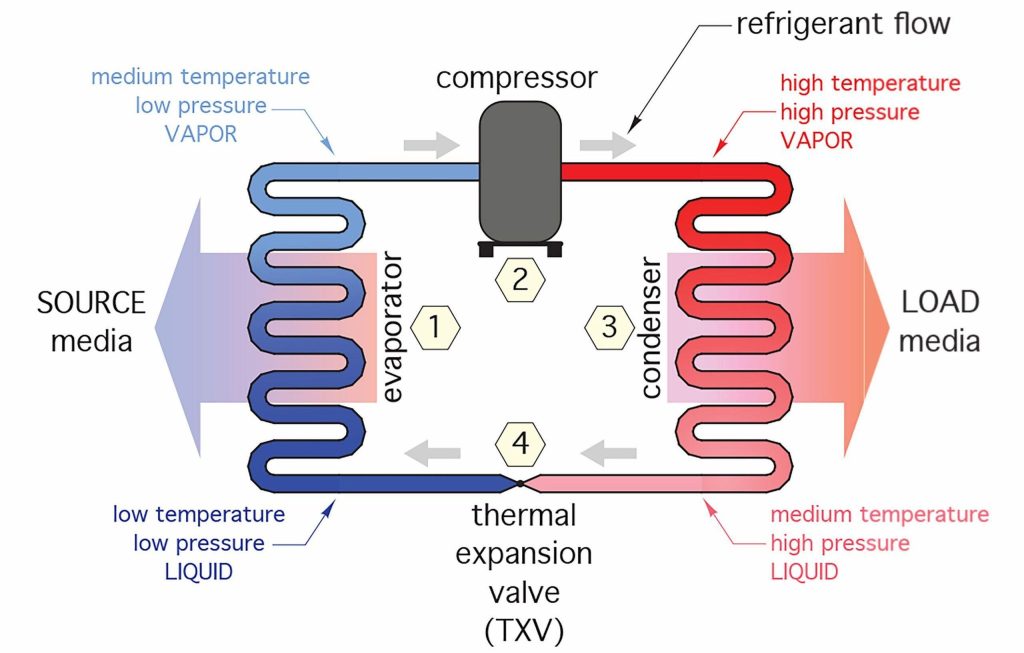
Another hint is the presence of a thermal expansion valve (TXV) or a fixed orifice. Some refrigerants work better with one type over the other, so spotting these parts can narrow down your options. Have you inspected your system’s components closely enough to catch these subtle differences?
Consult Manufacturer Documentation
Understanding what refrigerant your system uses is crucial before any maintenance or repair. The most reliable source for this information is the manufacturer’s documentation. These documents provide accurate, system-specific details you won’t find elsewhere.
Accessing Manuals And Specs
Start by locating the user manual or technical specifications sheet for your system. These documents often come with the product or can be downloaded from the manufacturer’s website.
If you don’t have a physical copy, try searching the model number online along with keywords like “manual” or “spec sheet.” Many manufacturers maintain digital archives that are easy to access.
Have you ever been stuck trying to find info only to realize the manual was just a quick search away? Don’t overlook this simple step—it saves you from guesswork and costly errors.
Cross-referencing Model Numbers
Once you have the documentation, check the model number printed on the unit. This number is your key to identifying the correct refrigerant.
Compare the model number with the details in the manual or spec sheet. Some systems have multiple versions that use different refrigerants, so accuracy is important.
If your system’s model number is hard to find or partially worn off, use partial numbers or serial numbers to match it with manufacturer records. This can often be done through online databases or customer support.
Have you ever matched a model number only to find surprising differences in specs? It’s a reminder that even slight variations can mean a different refrigerant type, affecting your entire approach to servicing the system.

Credit: www.agproud.com
Safety Tips When Handling Refrigerants
Handling refrigerants demands more than just technical knowledge—it requires strict attention to safety. These chemicals can be hazardous if mishandled, posing risks to your health and the environment. Taking the right precautions not only protects you but also ensures your work goes smoothly and without accidents.
Protective Gear Essentials
Always wear appropriate protective gear before you start working with refrigerants. Safety goggles shield your eyes from harmful splashes, while gloves protect your skin from chemical burns. A long-sleeved shirt and pants add an extra layer of defense against accidental contact.
Respiratory protection is often overlooked but crucial. Some refrigerants release gases that can irritate or even harm your lungs. Using a respirator with the correct filter can prevent inhalation of dangerous fumes.
Avoiding Common Hazards
One common hazard is refrigerant leaks. They can cause frostbite or displace oxygen in confined spaces, leading to suffocation. Always check for leaks using proper detection tools before starting any work.
Never mix refrigerants or use incorrect recovery equipment. Mixing can produce toxic gases or damage the system. Make sure your tools and containers are designed specifically for the type of refrigerant you’re handling.
Have you ever thought about what might happen if you ignore small spills? Even minor leaks can build up pressure or lead to environmental damage. Promptly clean spills and dispose of waste refrigerants according to local regulations to avoid bigger problems.

Credit: www.reddit.com
Frequently Asked Questions
How Can I Identify Refrigerant Type In My System?
Check the system’s nameplate or label for refrigerant details. You can also use a refrigerant identifier tool. These methods ensure accurate identification without guesswork or system damage.
Why Is Knowing The Refrigerant Type Important?
Knowing refrigerant type helps with proper maintenance and repair. It ensures compatibility with system components and prevents environmental harm from incorrect refrigerant use.
Can I Tell Refrigerant Type By Color Coding?
Color coding is not a reliable method to identify refrigerants. Many refrigerants share similar colors, so always verify with labels or tools for accuracy.
What Tools Help Detect Refrigerant Types?
Refrigerant identifiers and analyzers detect refrigerant types accurately. These tools sample the gas and display the exact refrigerant, helping technicians avoid mistakes.
Conclusion
Knowing the type of refrigerant in your system helps keep it working well. Always check labels or use tools to find the refrigerant. Avoid guessing, as using the wrong type can cause damage. Regular checks save money and prevent problems.
Stay safe and protect the environment by handling refrigerants correctly. Simple steps make a big difference in system care. Keep learning and stay confident in maintaining your equipment.