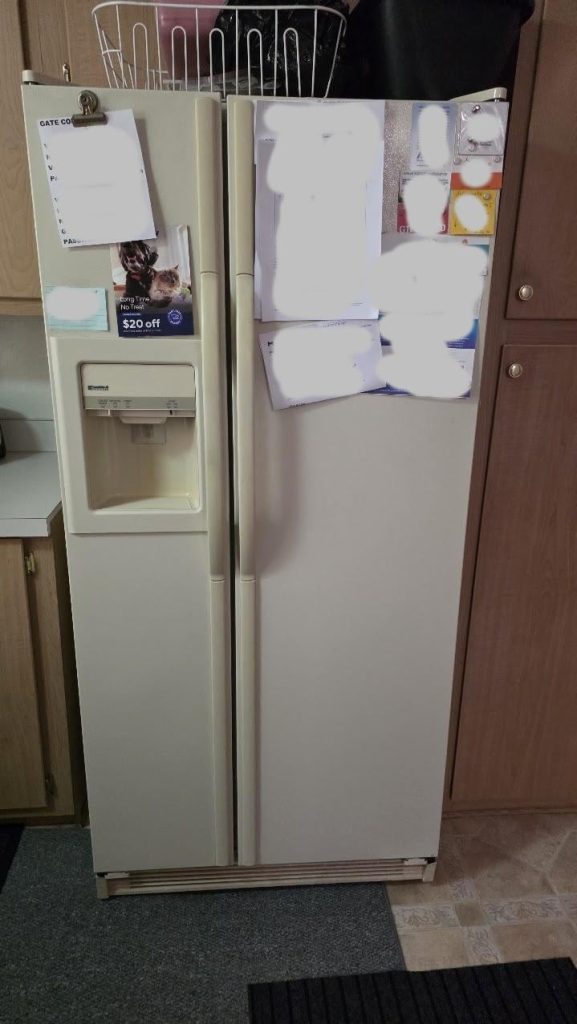
Have you ever wondered just how old your refrigerator really is? Knowing its age can help you decide when it’s time for a replacement or a repair.
But finding out isn’t always as simple as checking the calendar. You’ll learn easy and effective ways to uncover your fridge’s age. By the end, you’ll have the confidence to understand your appliance better and make smarter choices for your home.
Keep reading—you might be surprised at what you discover!

Credit: www.thegoodguys.com.au
Check The Serial Number
Checking the serial number is a reliable way to find out how old a refrigerator is. Each fridge has a unique serial number that contains clues about its manufacturing date. Understanding where to find this number and how to read it can give you an exact idea of the fridge’s age.
Locate The Serial Number
The serial number is usually on a sticker or metal plate inside the fridge. Common places to check include:
- Inside the door frame
- On the side walls inside the fridge
- Behind the vegetable drawers
- Near the compressor or motor at the back
The number may be labeled as “Serial Number,” “S/N,” or just “SN.” Write it down carefully for the next step.
Decode The Date From Serial Codes
Manufacturers use different formats for serial numbers. Many include the year and month of production within the code. Here are some typical formats:
| Format | Example | Meaning |
|---|---|---|
| First two digits | 1905XXXX | Year 2019, Month May |
| Letter and number | K1234567 | K = 2019, 1 = January |
| Week and year | 123456789 | 12 = Week 12, 3 = Year ending in 3 (e.g., 2013) |
Check the brand’s website or manual to match codes to dates. This helps verify the fridge’s exact age quickly.

Credit: www.reddit.com
Examine The Model Number
Check the refrigerator’s model number on the label inside or at the back. This code often reveals the manufacture date or year. Decoding it helps estimate the fridge’s age easily.
Examine the Model Number Determining the age of your refrigerator can sometimes feel like piecing together a mystery. However, examining the model number can offer a direct clue to its age. Each refrigerator comes with a unique model number that often contains key details about its production year. This information can be invaluable when you’re deciding on repairs or replacements, ensuring you make informed decisions.Find The Model Number
Locating the model number is your first step. Typically, you’ll find it on a sticker or metal plate inside the fridge, often near the door seal or crisper drawer. If you’re struggling, check the back of the appliance or the owner’s manual for guidance. Once you spot it, jot it down. It’s your gateway to uncovering the year of manufacture. Have you ever thought about how many secrets your fridge holds beyond just your snacks?Interpret Model Year Indicators
With the model number in hand, interpreting it is crucial. Most manufacturers encode the year of manufacture within the model number. For instance, some brands use the first few digits, while others might focus on the last. A quick search online or a call to the manufacturer can clarify which pattern your fridge follows. Understanding these indicators not only tells you the age but can also help you find compatible parts and assess the lifespan of your appliance. Have you ever realized how much a simple number can reveal about your fridge’s history?Look For Manufacturing Date Labels
Finding the manufacturing date label is the easiest way to know a refrigerator’s age. This label holds the key details about when the appliance was made. It often includes codes or dates that tell the exact time of production. Knowing where to find this label saves time and confusion. It also helps in understanding the refrigerator’s warranty and expected lifespan.
Common Label Locations
Manufacturing date labels appear in several common spots on refrigerators. Check these areas carefully:
- Inside the fridge door frame, near the seals
- On the back panel of the refrigerator
- Behind the vegetable crisper drawer
- Inside the freezer compartment, on the side walls
- Near the compressor or motor area at the back
Labels might look like stickers or metal plates. Some are easy to spot; others require moving parts gently. Look for a small label with numbers and letters.
What The Date Codes Mean
Date codes vary by brand and model. They often combine letters and numbers. These codes represent the year and month of manufacture.
For example, a code like “MAY19” means May 2019. Some brands use a letter for the month and numbers for the year. For instance, “F20” could mean June (F is the 6th letter) 2020.
Check the brand’s website or manual for a code chart. This helps decode the meaning quickly. Understanding these codes gives a clear idea of the refrigerator’s age without guesswork.

Credit: www.cinchhomeservices.com
Assess Design Features
Assessing the design features of a refrigerator gives you valuable clues about its age. You don’t need to be a design expert to spot differences between older and newer models. Paying close attention to specific elements can help you estimate when your fridge was made.
Identify Vintage Design Elements
Look for rounded edges and chrome handles. These are common in refrigerators from the 1950s and 1960s. The colors might surprise you too—pastel shades like mint green, pale yellow, or baby blue often signal a vintage fridge.
Another sign is the presence of large, bulky compressors and manual dials instead of digital controls. Older fridges usually have a more mechanical feel, with visible hinges and less sleek finishes. These features aren’t just about looks; they reflect the technology available at the time.
Compare With Modern Styles
Modern refrigerators tend to have flat, smooth surfaces and minimalistic designs. Stainless steel, black stainless, and matte finishes dominate current trends. Touchscreen panels, water dispensers, and LED lighting inside are also giveaways of a newer model.
Have you noticed how some fridges now have flexible compartments and adjustable shelves? This practical design evolution didn’t exist in older models. By comparing these features with what you see in your fridge, you can make an educated guess about its production era.
Use Online Resources
Discovering the age of your refrigerator can feel like solving a small mystery. Luckily, online resources make this task easier than ever. These tools give you quick access to information that helps you identify the manufacture date without hassle.
Manufacturer Websites
Many refrigerator brands provide detailed information about their products on their official websites. You can often find a section dedicated to product support or warranty information where you enter your model or serial number.
For example, brands like Whirlpool, Samsung, and LG offer online guides that decode the serial number to reveal the exact manufacturing date. Visiting these sites can save you time and give you reliable details straight from the source.
Have you ever tried looking up your fridge’s age on the manufacturer’s site? You might be surprised how quickly you find the answer.
Serial Number Decoding Tools
There are also independent websites specifically designed to decode appliance serial numbers. These tools can be very handy if the manufacturer’s site doesn’t provide direct information.
Simply enter your refrigerator’s serial number into these tools, and they’ll translate it into a manufacturing date. Many of these tools support multiple brands, making them a versatile option if you own different appliances.
Using these decoding tools can feel like having a detective’s toolkit for your home appliances. Why not give it a try and see how old your fridge really is?
Check Energy Guide Labels
Energy guide labels hold useful clues about a refrigerator’s age. These labels show key details like energy use and efficiency. They often include dates or codes that reveal when the appliance was made. Checking these labels is a simple way to estimate a refrigerator’s age without complex tools.
Locate Energy Labels
Energy guide labels are usually on the inside wall of the fridge. Look near the door frame or on the side walls inside the main compartment. Sometimes, you may find them on the back or side of the refrigerator. The label is a yellow sticker with energy use information.
Take a good look at the label for any date stamps or production codes. These details can help you learn about the fridge’s manufacture year. Keep a flashlight handy if the label is hard to see.
Estimate Age From Energy Ratings
Energy ratings and efficiency standards change over time. Older refrigerators often have lower efficiency ratings. Newer models show better energy use numbers on their labels.
Find the Energy Star logo or efficiency scores on the label. These marks started appearing in the mid-1990s. If the label shows an Energy Star logo, the fridge is likely from after 1995.
Look for manufacturing dates or codes near the energy data. Some labels list the year directly. Others use a code that you can decode online or in the fridge manual.
Consult Appliance Repair Experts
When you want to find out how old your refrigerator is, consulting appliance repair experts can be a smart move. These professionals have hands-on experience and can quickly spot clues about your appliance’s age that might not be obvious to you. Reaching out to an expert saves you time and reduces the guesswork involved in identifying the model and manufacturing date.
Benefits Of Professional Insight
Appliance repair experts have access to detailed databases and manufacturer guides that the average person doesn’t. They can decode serial numbers and model information to pinpoint your refrigerator’s exact age. Plus, their experience with various brands means they can identify subtle design changes that indicate a specific production year.
Experts also help you avoid costly mistakes. For example, if your refrigerator is older than you thought, they might suggest repairs are not cost-effective and recommend replacement instead. Their honest advice can save you money and frustration down the line.
What To Ask Technicians
- Can you help identify the manufacturing date from the serial number?Technicians often know the patterns manufacturers use to encode dates.
- Is this model still supported for repairs and parts?Knowing this helps you decide if fixing the fridge is worthwhile.
- Are there specific signs that indicate the fridge’s age or condition?Some wear and technology features can signal how old it really is.
- What maintenance history should I keep track of for better longevity?This insight can help you extend your fridge’s life.
Asking the right questions not only reveals your refrigerator’s age but also guides you on what steps to take next. Don’t hesitate to get a professional’s opinion before making decisions about repairs or replacement. Their knowledge can give you confidence about your appliance’s future.
Frequently Asked Questions
How Do I Find My Refrigerator’s Manufacture Date?
Check the serial number on the fridge’s label or inside door. The code often includes the manufacture date in a specific format. Use online decoder tools for your brand to easily identify the exact year and month.
Can The Model Number Reveal The Refrigerator’s Age?
Yes, some model numbers include production year or series info. Cross-reference your model number with brand guides or manuals. This helps estimate the refrigerator’s manufacturing period quickly and accurately.
Why Is Knowing A Refrigerator’s Age Important?
Knowing the fridge’s age helps assess energy efficiency and potential repairs. Older models may consume more power and need replacement parts. It also aids in planning for upgrades or resale value.
Where Is The Serial Number Located On A Refrigerator?
Serial numbers are usually on a sticker inside the fridge, near the door frame or walls. Sometimes, they appear on the back or side panels. This number is essential for identifying the fridge’s age and warranty status.
Conclusion
Knowing your refrigerator’s age helps you decide on repairs or replacement. Check the serial number or label for the manufacturing date. Old fridges may use more energy and cost more to run. Regular maintenance can extend its life and keep it working well.
Understanding its age also helps when buying a used fridge. Keep these tips in mind to make smart choices. Simple steps can save money and prevent surprises later.