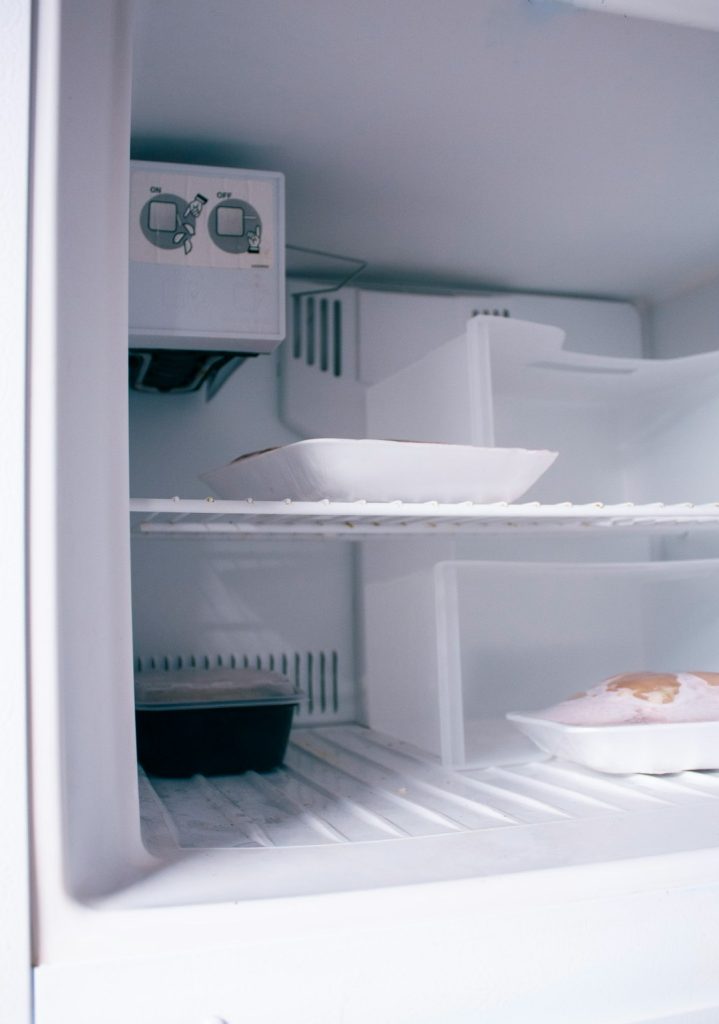
Have you ever noticed frost or ice building up on your air conditioner or refrigerator? It’s not just a random problem—it often points to a bigger issue: low refrigerant.
Understanding why low refrigerant causes icing can help you catch problems early and keep your system running smoothly. You’ll discover the simple reasons behind this common issue and learn what you can do to fix it before it turns into a costly repair.
Keep reading to protect your comfort and save money!
How Refrigerant Works
Understanding how refrigerant works is key to grasping why low refrigerant levels cause icing. Refrigerant is a special fluid designed to absorb and release heat as it moves through your air conditioning system. Its ability to change from liquid to gas and back again allows your AC to cool your home effectively.
Role In Heat Transfer
Refrigerant moves heat away from inside your home to the outside. It does this by absorbing warm air through the evaporator coil, where it changes from a liquid into a gas. This process pulls heat out of the air, cooling your space.
Once the refrigerant carries the heat outside, it releases it through the condenser coil and turns back into a liquid. This continuous cycle keeps your home comfortable. Without enough refrigerant, this heat transfer slows down, which can lead to problems like icing.
Pressure And Temperature Dynamics
The refrigerant’s pressure directly affects its temperature. When pressure drops, the refrigerant cools down significantly. This is why the evaporator coil becomes cold enough to absorb heat.
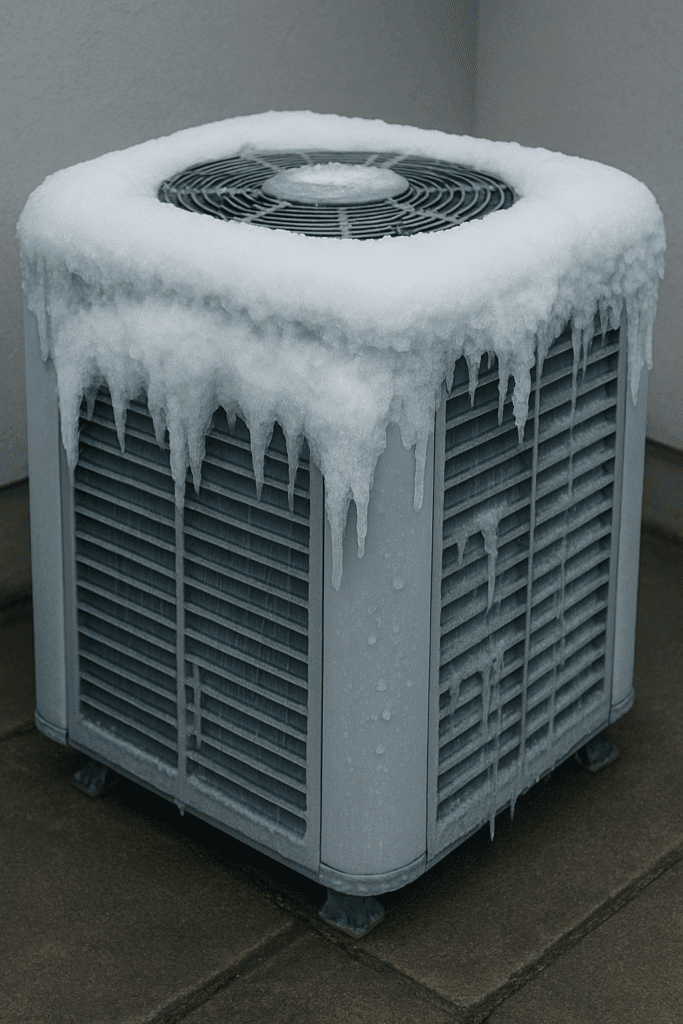
If refrigerant levels are low, the pressure inside the system falls too much. This causes the coil to become colder than it should be, leading to moisture in the air freezing on the coil’s surface. Have you noticed frost building up on your AC unit? Low refrigerant levels are often the hidden cause.
Causes Of Low Refrigerant
Low refrigerant reduces pressure in the system, causing the evaporator coil to get too cold. This extreme cold leads to moisture freezing on the coil, creating ice buildup. Low refrigerant often results from leaks or improper charging, which disrupts normal cooling.
When your air conditioning system starts to ice up, it could be due to low refrigerant levels. Understanding why refrigerant levels drop is crucial in maintaining an efficient system. Let’s explore some common causes of low refrigerant.Leaks And Wear
Leaks are the most frequent culprits of low refrigerant. Over time, the wear and tear of your AC system can lead to tiny leaks, especially in the coils. Even a small leak can gradually reduce refrigerant levels, causing your system to ice over. Consider this: a small hole, perhaps the size of a pinhead, can result in significant refrigerant loss over time. Regular maintenance checks can catch these leaks early, saving you from expensive repairs.Improper Installation
Improper installation is another reason for refrigerant loss. If your AC unit was not installed correctly, it might have been charged with the wrong amount of refrigerant from the start. Imagine installing a new appliance at home, only to find it doesn’t work properly because of a simple setup mistake. The same concept applies to AC units. Correct installation by a professional ensures that your refrigerant levels start off balanced. This can prevent future issues like icing, keeping your home comfortable and your energy bills in check. Have you ever wondered if your AC unit was set up right? It might be time for a professional assessment to ensure everything is in place.Link Between Low Refrigerant And Icing
Low refrigerant directly impacts the performance of cooling systems. It causes unusual issues, including icing on components. This link between low refrigerant and icing stems from how the system manages heat and pressure. Understanding this connection helps identify and fix problems quickly.
Reduced Cooling Efficiency
Low refrigerant lowers the system’s ability to cool air effectively. The cooling process relies on enough refrigerant circulating inside the coils. With less refrigerant, the system struggles to absorb heat from the air. This inefficiency causes the system to run longer and work harder.
Over time, the constant strain reduces overall cooling output. It also causes uneven temperature distribution. Parts of the system become colder than usual, setting the stage for icing.
Evaporator Coil Temperature Drop
The evaporator coil absorbs heat from indoor air to cool it down. Low refrigerant means less heat absorption. This causes the coil temperature to drop below freezing point. Moisture in the air then freezes on the cold coil surface.
This frost builds up and forms ice layers. Ice blocks airflow and further reduces cooling ability. The cycle repeats, worsening the icing problem and system performance.
Effects Of Icing On Hvac Systems
Icing on HVAC systems harms their function and efficiency. Ice buildup forms when refrigerant levels drop too low. This ice blocks parts and strains the system. The effects of icing can cause costly repairs and discomfort. Understanding these effects helps prevent serious damage to HVAC units.
Airflow Obstruction
Ice blocks air filters and coils, reducing airflow. Poor airflow makes it hard for the system to cool or heat. The HVAC unit works harder, using more energy. Reduced airflow can cause uneven temperatures in rooms. It also makes the system less reliable and less effective.
Compressor Damage Risks
The compressor pumps refrigerant through the system. Ice buildup can cause the compressor to overheat. Overheating leads to mechanical failure and costly repairs. Low refrigerant and ice make the compressor work too hard. This strain shortens the lifespan of the HVAC system.
Detecting Low Refrigerant And Icing
Detecting low refrigerant and the resulting icing in your cooling system is crucial to avoid costly repairs and maintain comfort. Ice buildup often signals that your system isn’t running efficiently, and low refrigerant is a common culprit. Knowing what to look for can save you time and frustration before the problem worsens.
Common Signs
Keep an eye out for these warning signals that could mean low refrigerant and icing issues:
- Frost or ice on the evaporator coil:Visible ice is a clear sign something’s wrong.
- Reduced cooling performance:Your home doesn’t feel as cool despite the system running longer.
- Higher energy bills:The system works harder, using more electricity.
- Unusual noises:You might hear hissing, which could indicate a refrigerant leak.
- Frequent cycling:The system turns on and off more often than usual.
Have you noticed any of these signs recently? Catching them early can prevent more serious damage.
Professional Inspection Methods
While you can spot some signs yourself, a professional inspection is necessary for an accurate diagnosis. Technicians use specialized tools to measure refrigerant levels and check for leaks.
- Pressure gauges:These measure the pressure inside the system to ensure it matches the manufacturer’s specifications.
- Leak detectors:Electronic devices can pinpoint refrigerant leaks that are invisible to the naked eye.
- Temperature sensors:Experts measure the temperature at various points in the system to identify abnormal drops caused by low refrigerant.
By investing in a professional check, you can confirm if low refrigerant is the cause and take action before icing causes permanent damage to your system.
Credit: bellplumbing.com
Preventing Low Refrigerant And Icing
Preventing low refrigerant and the resulting icing is essential to keep your cooling system running smoothly. Icing not only reduces efficiency but can also lead to costly repairs and discomfort in your home or workplace. Understanding how to maintain proper refrigerant levels can save you both time and money.
Regular Maintenance
Scheduling regular maintenance checks helps you catch refrigerant leaks before they cause icing. During these visits, technicians inspect the system for signs of wear and test refrigerant pressure.
Simple tasks like cleaning coils and replacing filters improve airflow and reduce the chance of ice buildup. Have you ever noticed your AC struggling on hot days? This might be a sign that maintenance is overdue.
Timely Repairs
If you spot any ice forming or feel reduced cooling, don’t wait to get repairs done. Low refrigerant often results from leaks that need quick sealing to prevent further damage.
Ignoring early warning signs can lead to compressor failure, which is far more expensive to fix. Act fast—your system depends on proper refrigerant levels to avoid freezing issues.
Energy And Cost Implications
Low refrigerant causing icing in your air conditioning system doesn’t just affect cooling performance—it can hit your wallet hard. Understanding the energy and cost implications helps you see why addressing the issue quickly is crucial.
Higher Utility Bills
When your system has low refrigerant, it struggles to cool your home efficiently. This means it runs longer and works harder to reach your desired temperature.
Longer run times lead to increased electricity consumption. Have you ever noticed a sudden spike in your utility bills during summer? Low refrigerant could be the hidden cause behind those unexpected costs.
By fixing refrigerant leaks early, you prevent your system from overworking and save money on energy each month.
Repair And Replacement Costs
Ignoring low refrigerant and the resulting icing can cause serious damage to your HVAC components. Ice buildup restricts airflow and strains the compressor, which is an expensive part to replace.
Repairs for compressor damage often cost hundreds or even thousands of dollars. In some cases, if the damage is severe, you might face the need for a full system replacement.
Regular maintenance and prompt repairs not only extend your system’s life but also help you avoid those hefty repair or replacement bills.

Credit: www.reddit.com
Myths About Refrigerant And Icing
There are several common myths about refrigerant and icing that can confuse homeowners and DIY enthusiasts. These misunderstandings often lead to improper handling and poor maintenance decisions. Clearing up these myths helps you take the right steps to avoid icing issues caused by refrigerant problems.
Overcharging Refrigerant
Many people believe that adding more refrigerant than recommended will improve cooling and prevent icing. However, overcharging can actually cause the system to work harder, leading to higher pressure and potential damage. Excess refrigerant doesn’t stop icing; instead, it can cause liquid refrigerant to flood the compressor, reducing efficiency and increasing the risk of ice buildup on coils.
Think about it this way: your AC system is designed to operate with a specific amount of refrigerant. Too much or too little disrupts the balance and can create new problems. Have you ever wondered why technicians check refrigerant levels so carefully during maintenance? It’s because precision matters.
Diy Refrigerant Handling
Handling refrigerant yourself might seem like a smart way to save money, but it often leads to mistakes that cause icing and other issues. Refrigerants require specialized tools and knowledge to measure and refill correctly. Improper handling can result in leaks, incorrect pressure, and uneven cooling.
Imagine trying to fix your car’s engine without the right tools—you might cause more harm than good. The same applies here. If you’ve ever tried to add refrigerant without proper training, did you notice any changes in how your system performed afterward?
Leaving refrigerant management to professionals ensures your system runs smoothly and avoids icing caused by low or improperly handled refrigerant. It’s not just about filling the tank; it’s about maintaining the right pressure and flow throughout the system.

Credit: www.advantageairtech.com
Frequently Asked Questions
Why Does Low Refrigerant Cause Ice Buildup?
Low refrigerant lowers pressure in the system, causing coil temperatures to drop. This cold surface leads to moisture freezing, resulting in ice buildup on coils and pipes.
How Does Low Refrigerant Affect Ac Performance?
Low refrigerant reduces cooling efficiency and airflow. It forces the system to work harder, increasing wear and causing uneven cooling or freezing inside the unit.
Can Low Refrigerant Damage My Hvac System?
Yes, low refrigerant can cause compressor overheating and failure. It stresses components, leading to costly repairs and reduced system lifespan if not addressed promptly.
How To Detect Low Refrigerant In My Ac?
Signs include weak cooling, ice on coils, and higher energy bills. Regular maintenance and professional inspections help identify refrigerant leaks early.
Conclusion
Low refrigerant causes icing by making the system too cold. This stops proper heat exchange and creates ice buildup. Ice blocks airflow and lowers cooling power. Fixing refrigerant levels helps avoid these problems. Regular checks keep your system running smooth and safe.
Don’t ignore signs of icing or strange cooling. A healthy refrigerant level means better comfort and lower energy bills. Simple steps prevent big damage. Stay alert and keep your cooling system in good shape.