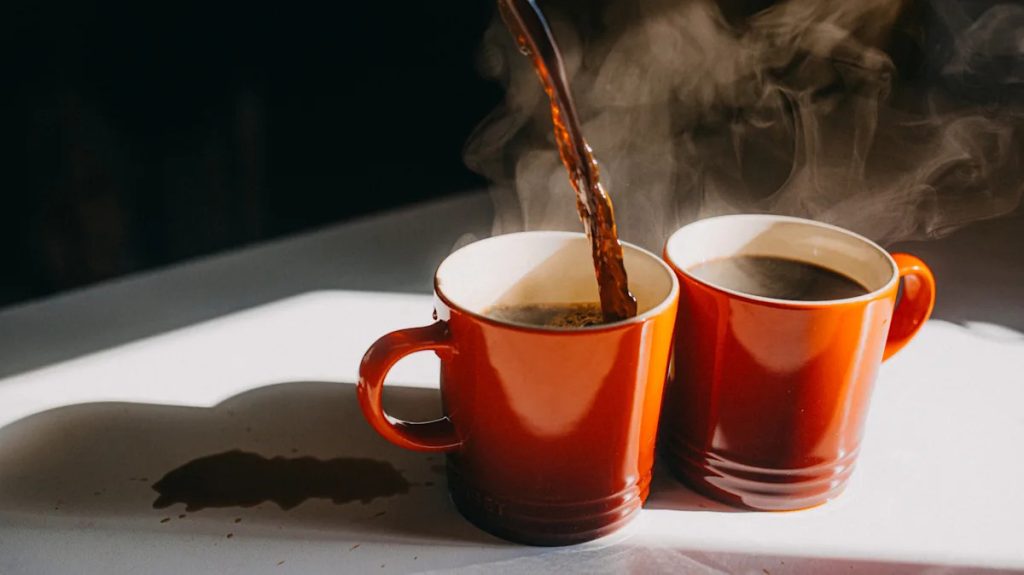
Have you ever wondered if your morning coffee still gives you that much-needed caffeine kick after sitting in the fridge? You might think chilling your coffee could weaken its power, but is that really true?
If you want to know whether refrigerating your coffee affects its caffeine content, you’re in the right place. Keep reading to discover the surprising facts about your cold coffee and how it impacts your daily energy boost.
Coffee And Caffeine Basics
Coffee is a popular drink enjoyed worldwide. Many people rely on it for a quick energy boost. The main reason is caffeine, a natural stimulant found in coffee beans. Understanding caffeine helps explain why coffee affects us the way it does. This section covers the basics of coffee and caffeine.
What Is Caffeine?
Caffeine is a natural chemical found in plants like coffee beans, tea leaves, and cocoa beans. It acts as a stimulant, meaning it can make you feel more awake and alert. Caffeine is water-soluble, which means it dissolves in water during brewing. This is why coffee contains caffeine after brewing.
The amount of caffeine varies depending on the coffee type, roast, and preparation method. On average, an 8-ounce cup of brewed coffee contains about 95 milligrams of caffeine. This amount can be higher or lower based on factors like coffee strength and serving size.
How Caffeine Affects The Body
Caffeine works by blocking adenosine, a chemical that makes you feel tired. When adenosine is blocked, your brain activity increases. This leads to feeling more awake and focused. Caffeine also causes the release of adrenaline, the “fight or flight” hormone.
The effects of caffeine start within 15 minutes after drinking coffee. They peak around 30 to 60 minutes. The impact lasts for about 3 to 5 hours but can vary from person to person.
- Improves focus and concentration
- Reduces fatigue
- Boosts mood
- May increase heart rate
Too much caffeine can cause side effects like jitters, anxiety, or trouble sleeping. It is important to consume coffee in moderation for the best experience.
Credit: equipoisecoffee.com
Caffeine Stability In Coffee
Caffeine is the key component in coffee that keeps us alert. Its stability is important for maintaining the coffee’s energizing effect. Many coffee lovers wonder about caffeine stability when storing coffee in the fridge. Let’s explore how caffeine behaves under different conditions.
Factors Affecting Caffeine Content
Caffeine content in coffee can vary for several reasons. The type of coffee bean plays a big role. Arabica beans usually have less caffeine than Robusta beans. The brewing method also influences caffeine levels. For example, espresso contains more caffeine per ounce than drip coffee.
The grind size affects caffeine extraction too. Finer grinds expose more surface area, allowing more caffeine to dissolve. Also, the brewing time impacts how much caffeine is released. Longer brewing times generally lead to more caffeine in the cup.
Impact Of Temperature On Caffeine
Temperature changes can affect coffee’s flavor and aroma. But caffeine itself remains stable at cold temperatures. Refrigerating coffee won’t decrease its caffeine content. The cold may impact the taste, but not the caffeine level.
High temperatures don’t break down caffeine either. Boiling water extracts caffeine efficiently, but it doesn’t destroy it. This means whether hot or cold, caffeine stays intact. So, the caffeine in your refrigerated coffee will still pack a punch.
Refrigeration And Coffee
Refrigerating your coffee might seem like a smart way to keep it fresh, especially if you brew a big batch and want to enjoy it later. But does chilling your coffee change its caffeine content or flavor? Understanding how refrigeration interacts with coffee can help you decide the best way to store your brew.
How Refrigeration Preserves Coffee
Refrigeration slows down the chemical reactions that cause coffee to go stale. This means your coffee stays fresher for longer compared to leaving it at room temperature. However, cold air can also dry out coffee, so it’s important to store it in an airtight container.
Cold storage helps maintain the aroma and flavor by reducing oxidation. But, if you leave coffee uncovered in the fridge, it can absorb other food odors, which may ruin your cup. Sealing your coffee properly before refrigerating keeps unwanted smells out.
Does Cold Affect Caffeine Levels?
Here’s a common question: Does chilling coffee lower its caffeine? The short answer is no. Caffeine is a stable compound that doesn’t break down or evaporate when coffee is refrigerated.
Whether you sip hot coffee immediately or chilled coffee later, the caffeine content remains almost the same. So, if you want your caffeine boost without sacrificing time or taste, refrigerating your coffee is a good option.
Have you ever noticed a difference in taste between fresh and refrigerated coffee? That might be due to changes in flavor compounds, not caffeine. Experiment with storage times and containers to find what works best for your palate.
Scientific Studies On Caffeine And Storage
Understanding how caffeine behaves during storage is important for coffee lovers. Scientific studies have explored whether caffeine content changes after coffee is refrigerated. These studies help clarify if cooling affects caffeine levels in brewed coffee.
Research On Caffeine Retention
Researchers tested caffeine levels in coffee stored at different temperatures. Results show caffeine is very stable and does not break down easily. Storing coffee in the fridge for a few days does not reduce caffeine content. The chemical structure of caffeine remains intact despite cold temperatures. This means caffeine remains effective even after refrigeration.
Comparing Fresh Vs Refrigerated Coffee
Studies compare freshly brewed coffee with coffee kept in the fridge. The caffeine amount remains similar in both cases. Taste and aroma may change over time, but caffeine stays consistent. Refrigeration slows down the growth of bacteria and mold but does not affect caffeine. Therefore, caffeine strength is reliable whether coffee is fresh or chilled.
Best Practices For Storing Coffee
Storing coffee correctly can make a big difference in how fresh and flavorful your brew tastes. You might wonder if refrigeration affects the caffeine content or the overall quality of your coffee. Understanding the best ways to keep your coffee fresh helps you enjoy every cup to the fullest without losing that energizing kick.
Tips To Maintain Flavor And Caffeine
Keep your coffee in an airtight container to protect it from moisture and air, which can degrade flavor and caffeine strength. Choose opaque containers to block light, since sunlight speeds up the breakdown of coffee compounds.
Store coffee at room temperature in a cool, dark place if you plan to use it within a week. If you have a larger amount and want to store it longer, freezing is better than refrigeration, because the fridge’s humidity can cause condensation and spoil taste.
Only grind coffee just before brewing. Ground coffee loses its caffeine and aroma faster than whole beans, so grinding fresh keeps your cup vibrant and strong.
Avoiding Common Storage Mistakes
Avoid storing coffee in the fridge unless it’s in a truly airtight container. Fridge odors can easily seep into coffee, ruining the aroma and taste.
Never store coffee in clear containers or near heat sources like ovens or sunlight. Even short exposure to heat can cause your coffee to lose its caffeine punch and freshness.
Don’t buy coffee in bulk unless you have proper storage options. Storing large amounts without the right conditions can lead to stale coffee before you finish it.
Ask yourself: How long do you usually keep your coffee before using it? Adjust your buying and storing habits to match that timeline for the best experience.
Credit: equipoisecoffee.com
Myths About Coffee And Caffeine Loss
Coffee and caffeine have many myths surrounding them, especially about how caffeine behaves after brewing. One common concern is whether caffeine fades or changes when coffee is stored in the fridge. Many people believe refrigeration drains coffee of its caffeine content. These myths cause confusion and affect how people store and drink their coffee.
Common Misconceptions
- Caffeine evaporates or disappears when coffee is refrigerated.
- Cold coffee always has less caffeine than hot coffee.
- Refrigerated coffee loses its strength and caffeine power quickly.
- Only freshly brewed coffee contains caffeine.
These ideas are widespread but not backed by science. Caffeine is a stable compound and does not evaporate or break down easily.
Separating Fact From Fiction
Caffeine remains intact in coffee, even when chilled. Cooling slows down chemical changes in coffee but does not reduce caffeine levels. Refrigeration preserves the coffee’s flavor and caffeine for longer.
The bitterness or taste changes in cold coffee come from oxidation, not caffeine loss. If coffee is left out for too long, it might taste stale, but the caffeine stays.
Storing coffee in an airtight container in the fridge keeps it fresh without caffeine loss. So, the caffeine you get from your cup remains consistent, hot or cold.

Credit: fullyhealthy.com
Frequently Asked Questions
Does Refrigeration Affect Coffee’s Caffeine Content?
No, refrigeration does not reduce coffee’s caffeine. Caffeine is a stable compound and remains intact even when coffee is chilled. Cooling coffee simply slows down flavor changes but doesn’t impact caffeine levels.
How Long Can Coffee Keep Caffeine When Refrigerated?
Coffee retains caffeine for several days when refrigerated. However, flavor and freshness decline after 3-4 days. For best taste, consume cold coffee within 2-3 days of refrigeration.
Does Iced Coffee Have Less Caffeine Than Hot Coffee?
No, iced coffee contains the same caffeine as hot coffee if brewed identically. The temperature change does not alter caffeine content, only the serving style differs.
Can Reheating Refrigerated Coffee Reduce Caffeine?
Reheating refrigerated coffee does not reduce caffeine levels. Heat might affect taste but caffeine remains stable through reheating processes.
Conclusion
Coffee keeps most of its caffeine even after refrigeration. Cooling does not break down caffeine molecules. The taste might change a bit, but the energy boost stays. Store coffee in a sealed container to keep freshness. Drinking cold coffee can still give you a strong lift.
So, feel free to chill your brew without losing caffeine power. Enjoy your coffee the way you like, hot or cold. Simple storage helps preserve flavor and caffeine alike.