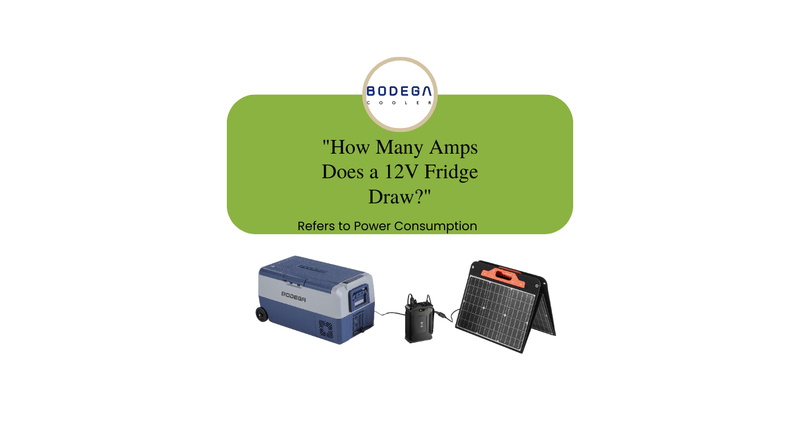
Are you curious about how much electricity your refrigerator really uses? Understanding the amperage your fridge draws can help you save money, avoid electrical issues, and choose the right appliances for your home.
Whether you’re planning a new kitchen setup or just want to be smarter about your energy bills, knowing these numbers is key. Keep reading to discover exactly how much amperage your refrigerator needs and what that means for your daily life.
Refrigerator Power Basics
Understanding the basic power needs of your refrigerator helps you manage your energy use effectively. Knowing how much electricity it consumes can save you money and prevent electrical issues. Let’s break down what amperage means for your fridge and what typical power ratings look like.
Understanding Amperage And Watts
Amperage, or amps, measures the electric current your refrigerator draws. Watts indicate the actual power consumption, calculated by multiplying amps by volts. For example, if your fridge runs at 120 volts and draws 3 amps, it uses 360 watts of power.
You might wonder why both numbers matter. Amperage shows the strain on your electrical circuit, while watts reveal how much energy your fridge uses over time. Knowing both helps you pick the right circuit breaker and estimate your electricity bill.
Typical Power Ratings For Refrigerators
Most household refrigerators use between 100 and 800 watts when running. Compact or mini-fridges often consume less, around 100 to 250 watts. Larger models with features like ice makers or water dispensers can use 400 watts or more.
| Fridge Type | Running Watts | Starting Amps |
|---|---|---|
| Mini Fridge | 100 – 250 W | 1 – 2 A |
| Standard Refrigerator | 350 – 600 W | 3 – 6 A |
| Large Refrigerator with Extras | 600 – 800 W | 5 – 8 A |
Have you checked the label on your fridge’s back or inside the door? That label usually lists the amperage and wattage, making it easy to know what you’re dealing with. Understanding these numbers helps you avoid overloading circuits and keeps your appliances safe.

Credit: www.renogy.com
Factors Affecting Refrigerator Amperage
Refrigerator amperage depends on size, compressor type, and energy efficiency. Temperature settings and how often the door opens also affect power use. These factors determine how much current a fridge draws during operation.
Understanding the factors that influence the amperage usage of your refrigerator can help you manage energy consumption more effectively. From the size of the unit to its age, each element plays a significant role in determining how much power your refrigerator draws. Let’s delve into the key factors that can affect refrigerator amperage.Size And Capacity
The size and capacity of a refrigerator are major determinants of its amperage use. Larger refrigerators naturally require more power to keep their extensive storage areas cool. If you have a big family, the chances are your refrigerator is working harder and drawing more amperage to maintain the desired temperature.Compressor Type And Efficiency
The type of compressor and its efficiency can significantly impact the amperage a refrigerator uses. Modern compressors are often more efficient, requiring less power. For example, inverter compressors adjust their speed according to the cooling demand, which can lower amperage usage compared to traditional compressors that run at full speed all the time.Age And Condition
A refrigerator’s age can greatly influence its energy consumption. Older models tend to be less energy-efficient, consuming more amperage over time. Regular maintenance can help, but eventually, even the best-kept appliance may start drawing more power than a newer model.Additional Features Impact
Modern refrigerators come with a host of additional features like ice makers, water dispensers, and digital displays. While these features add convenience, they also increase the overall amperage usage. Consider how often you use these features, as frequent use will contribute to higher energy bills. Have you ever considered what features you really need in a refrigerator? Making mindful choices can have a positive impact on your energy consumption.Measuring Amperage Usage
Measuring the amperage usage of a refrigerator helps understand its power consumption. This information is useful to check energy efficiency and avoid electrical issues. Knowing the current draw can prevent circuit overloads and reduce electricity bills.
Accurate measurement requires proper tools and a careful approach. Safety is important because refrigerators use electricity constantly. Follow clear steps to get the right reading without damaging the appliance or risking harm.
Tools For Measuring Current
- Clamp meter: Measures current without disconnecting wires.
- Multimeter with a current clamp: Combines voltage and current measurement.
- Digital multimeter: Measures current by breaking the circuit.
- Non-contact current sensor: Detects current flow safely.
Choose a tool based on ease of use and accuracy. Clamp meters are popular for refrigerators because they do not interrupt the circuit.
Step-by-step Measurement Guide
- Unplug the refrigerator before starting to ensure safety.
- Access the power cord or wire where you want to measure current.
- Set the clamp meter or multimeter to measure AC amperage.
- If using a clamp meter, open the jaws and clamp around one wire only.
- Plug the refrigerator back in and turn it on.
- Read the current value displayed on the meter.
- Record the reading and observe if it changes during compressor cycles.
- Unplug the refrigerator again before removing the meter.
Do not clamp around both wires together, as this will give a zero reading. Take multiple readings for accuracy and note the highest value during startup.

Credit: www.joca-cable.com
Energy Consumption And Costs
Understanding the energy consumption and costs of your refrigerator helps you manage your household budget better. Refrigerators run constantly, so even small differences in amperage can affect your monthly electricity bill. Knowing how to calculate this usage gives you control over your energy expenses and encourages smarter appliance choices.
Calculating Daily And Monthly Usage
To figure out how much energy your refrigerator uses, start by checking its amperage rating on the label. Multiply the amperage (amps) by the voltage (usually 120 volts in the US) to find the wattage. For example, if your fridge uses 2 amps at 120 volts, it consumes 240 watts.
Next, estimate how many hours your refrigerator runs each day. Most fridges cycle on and off, so assume about 8 hours of active running time daily. Multiply the wattage by these hours to get daily watt-hours, then divide by 1,000 to convert to kilowatt-hours (kWh), the unit your electric company bills you for.
Here’s a quick formula you can use:
| Step | Calculation | Example |
|---|---|---|
| Calculate watts | Amps × Volts | 2 A × 120 V = 240 W |
| Calculate daily usage (watt-hours) | Watts × Hours per day | 240 W × 8 h = 1920 Wh |
| Convert to kWh | Watt-hours ÷ 1000 | 1920 Wh ÷ 1000 = 1.92 kWh |
| Calculate monthly usage | Daily kWh × 30 days | 1.92 kWh × 30 = 57.6 kWh |
Impact On Electricity Bills
Knowing your refrigerator’s monthly kWh helps you estimate its impact on your electric bill. Multiply the monthly kWh by your electricity rate (usually cents per kWh) to see the cost. If your rate is $0.13 per kWh, then 57.6 kWh costs about $7.49 per month.
Small changes in energy use can add up quickly. What if your fridge uses 3 amps instead of 2? That’s a 50% increase in power consumption and your bill rises accordingly. This insight might motivate you to upgrade to a more efficient model or adjust your fridge’s settings to save money.
Have you ever thought about how much your fridge really costs to run? Tracking these numbers can reveal surprising opportunities for savings around your home.
Improving Energy Efficiency
Improving the energy efficiency of your refrigerator lowers electricity use and saves money. Small changes in how you use and care for the appliance make a big difference. Efficient refrigerators also reduce the strain on your home’s electrical system. Focus on practical steps to maximize energy savings and maintain optimal performance.
Best Practices For Usage
- Keep the refrigerator door closed as much as possible.
- Set the temperature between 37°F and 40°F for the fridge.
- Do not overload the fridge; air must circulate freely.
- Place the fridge away from heat sources like ovens or direct sunlight.
- Allow hot food to cool before putting it inside.
Maintenance Tips
- Clean condenser coils every six months to improve cooling efficiency.
- Check door seals for cracks or gaps and replace if needed.
- Defrost the freezer regularly to prevent ice buildup.
- Keep the fridge level to ensure proper door sealing.
- Clear dust and debris around the compressor area.
When To Upgrade
Older refrigerators often use more amperage and energy. If your fridge is over 10 years old, consider an upgrade. New models use less power and have better insulation. Look for Energy Star certified appliances for guaranteed efficiency. Upgrading reduces electric bills and lowers your home’s overall energy use.
Safety Considerations
Safety is crucial when using a refrigerator. Knowing its amperage helps prevent electrical problems. Incorrect amperage can lead to fires or damage. Follow safety rules to protect your home and appliances.
Avoiding Overloads
Overloads happen when too many devices run on one circuit. This can cause breakers to trip or wires to overheat. Avoid plugging your refrigerator into outlets shared with heavy appliances. Keep the refrigerator on a dedicated circuit if possible. Watch for signs like flickering lights or warm outlets.
Proper Wiring And Circuit Requirements
Use wiring that matches the refrigerator’s amperage needs. Most refrigerators need a 15 or 20 amp circuit. Check the manufacturer’s label for exact amperage. Circuits must have proper breakers and outlets. Faulty wiring can cause shorts or fires. Always hire a licensed electrician for installations or repairs.

Credit: www.jackery.com
Frequently Asked Questions
How Much Amperage Does A Typical Refrigerator Use?
A typical refrigerator uses between 3 to 6 amps when running. Startup amperage can be higher, around 6 to 15 amps. Exact usage depends on size, model, and efficiency.
What Factors Affect A Refrigerator’s Amperage Consumption?
Amperage varies based on refrigerator size, compressor type, and age. Energy-efficient models use less power. Frequent door openings and temperature settings also impact amperage.
How To Measure My Refrigerator’s Amperage Draw?
Use a clamp meter around the refrigerator’s power cord to measure amperage. Ensure the meter supports the expected range. Measure during startup and normal operation for accuracy.
Does Refrigerator Amperage Affect My Electric Bill?
Yes, higher amperage means more electricity consumption. Efficient refrigerators with lower amperage reduce electric bills. Proper maintenance also helps optimize energy use and reduce costs.
Conclusion
A refrigerator usually uses between 3 to 6 amps while running. This depends on the model and size. Knowing the amperage helps you pick the right circuit breaker. It also helps you understand electricity costs better. Small fridges use less power than big ones.
Always check the label or manual for exact numbers. This way, you avoid electrical problems at home. Keep your fridge running safely and efficiently. Simple steps make a big difference in energy use.