Have you ever wondered how much refrigerant your home AC actually needs? Knowing this can save you from costly repairs and keep your system running smoothly.
Too little refrigerant means your AC won’t cool properly, and too much can cause damage. You’ll discover the right amount of refrigerant for your unit, why it matters, and how to spot when something’s off. Keep reading to make sure your AC stays efficient and your home stays cool all year round.

Credit: homeguide.com
Role Of Refrigerant In Ac
Refrigerant is the heart of any home air conditioner. It moves heat from inside your house to the outside. This process cools the air you breathe. Without refrigerant, an AC unit cannot cool your home effectively. It also helps control humidity levels. Proper refrigerant levels ensure the AC runs smoothly and uses less energy.
How Refrigerant Cools Your Home
The refrigerant absorbs heat from indoor air. It changes from a low-pressure gas to a high-pressure liquid. This change removes heat and moisture from the air. The cooled air is then blown back into your rooms. Outside, the refrigerant releases the heat and turns back into gas. This cycle repeats to keep your home cool.
Types Of Refrigerants Used
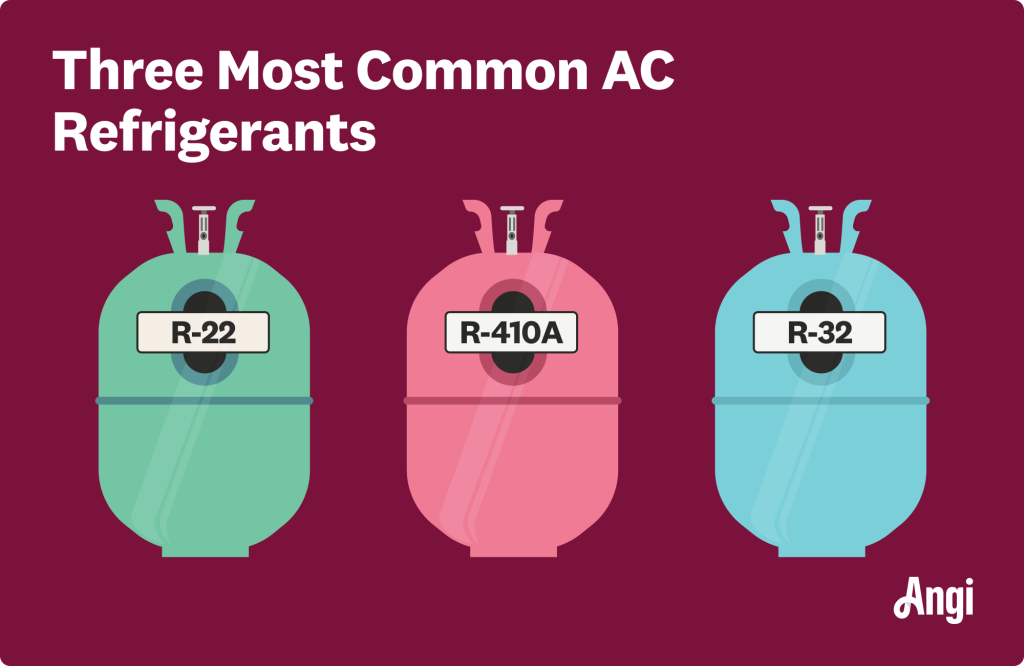
Different refrigerants serve various AC models. Common types include:
- R-22:Older systems use this. It is being phased out due to environmental concerns.
- R-410A:Most new AC units use this. It is more eco-friendly and efficient.
- R-32:A newer refrigerant with a lower global warming potential.
Choosing the right refrigerant affects AC performance and environmental impact. Always use the type specified by the manufacturer.
Signs Of Low Refrigerant Levels
Experiencing discomfort due to a malfunctioning home AC can be a real headache, especially during sweltering summer days. One common culprit behind a poorly performing AC is low refrigerant levels. Recognizing the signs of low refrigerant can help you address the issue promptly and restore comfort to your home.
Reduced Cooling Efficiency
Have you noticed your AC running longer but failing to cool your home effectively? This could be a sign of low refrigerant levels. When refrigerant is low, your AC loses its cooling efficiency, struggling to maintain the desired temperature. You might find yourself turning down the thermostat more often, only to be met with lukewarm air.
Ice Formation On Coils
Finding ice on your AC coils may seem counterintuitive during hot weather, but it’s a telltale sign of low refrigerant. When there’s insufficient refrigerant, the coils can become too cold, causing moisture in the air to freeze upon contact. If you spot frost or ice buildup, it’s time to call a professional to avoid further damage.
Unusual Noises From Ac Unit
Your AC should operate quietly without drawing much attention. However, if you start hearing hissing or bubbling noises, it might indicate a refrigerant leak. These sounds often signal that air has entered the refrigerant line, hindering the cooling process. Addressing this early can save you from bigger issues down the line.
Have you ever overlooked these signs, thinking they were normal? Understanding these warning signs can prevent discomfort and costly repairs. Keep an ear out for unusual noises, check for ice on coils, and note any changes in cooling efficiency. Staying vigilant can ensure your AC remains a reliable refuge from the heat.
Factors Affecting Refrigerant Amount
Understanding the factors that affect the amount of refrigerant in your home AC is crucial. The right refrigerant level ensures efficient cooling and helps your system run smoothly. Several elements influence how much refrigerant your unit needs, and knowing these can save you from costly repairs and discomfort.
Ac Unit Size And Capacity
The size and capacity of your AC unit directly determine the refrigerant amount. Larger units require more refrigerant to circulate and cool the air effectively. If you’ve ever upgraded to a bigger AC, you might have noticed the technician mentioning refrigerant levels—this is why.
Choosing the correct size for your space matters. Too little refrigerant in a large unit means poor cooling, while too much in a small unit can cause pressure issues. Are you sure your AC’s capacity matches your room size?
System Design And Configuration
Different AC models and designs use varying refrigerant amounts. Split systems, window units, and central ACs all have unique configurations that affect refrigerant needs. The layout of your system’s coils, compressors, and piping also plays a role.
For example, a system with longer refrigerant lines might require extra refrigerant to maintain proper pressure. Did you know that even minor changes in your system’s setup can impact how much refrigerant it holds?
Leakage And Wear Over Time
Refrigerant doesn’t disappear on its own, but leaks are common as your system ages. Tiny cracks or worn-out seals cause refrigerant loss, reducing cooling efficiency. Regular maintenance helps catch leaks before they become a serious problem.
Wear and tear also affect how much refrigerant your AC can hold. If you notice your cooling isn’t as strong as it used to be, a refrigerant check might be overdue. How often do you have your AC inspected for leaks and refrigerant levels?
Credit: www.georgiaairrepair.com
Measuring Refrigerant Levels
Measuring refrigerant levels in your home AC is crucial to ensure efficient cooling and prevent system damage. Too little refrigerant can cause your unit to struggle, while too much can lead to leaks or compressor issues. Knowing how to check these levels helps you spot problems early and maintain comfort without unexpected repair costs.
Using Pressure Gauges
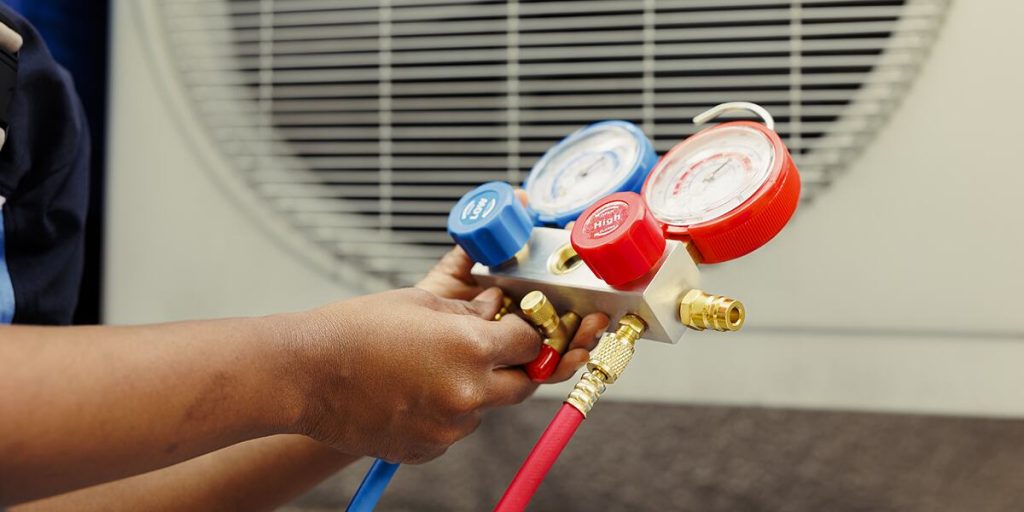
Pressure gauges are a common tool to measure refrigerant levels. They connect to the AC unit’s service ports and show the pressure inside the system. These readings give a rough idea of whether the refrigerant charge is within the correct range.
However, interpreting pressure gauge results requires understanding temperature and pressure relationships. Your AC’s pressure will vary based on outside temperature and system load. Have you ever wondered why your AC feels less cold on humid days? Pressure fluctuations are part of that answer.
Checking Manufacturer Specifications
Every AC unit comes with manufacturer specifications for the correct refrigerant charge. These details are often found on a label attached to the outdoor condenser. The specs include the ideal refrigerant weight and pressure range.
Using these numbers as a benchmark is essential before adding or removing refrigerant. Ignoring them can lead to overcharging or undercharging, both harmful to your system. Do you know where to find your AC’s specification label? It’s usually visible on the side or back of the unit.
Professional Leak Detection Methods
Refrigerant leaks cause levels to drop and reduce AC performance. Professionals use specialized methods to detect these leaks accurately. Techniques include electronic leak detectors, UV dye tracing, and soap bubble tests.
These tools find leaks invisible to the naked eye, helping technicians fix the problem before adding refrigerant. Have you experienced your AC losing cooling power and wondered if a leak was the cause? Professional detection can save you time and money by targeting the exact issue.
Steps To Properly Fill Refrigerant
Filling refrigerant in a home AC system requires care and accuracy. The process ensures the AC runs efficiently and keeps your home cool. Understanding each step helps avoid damage and maintains safety. Follow clear guidelines to fill refrigerant properly.
Safety Precautions
Always wear protective gloves and goggles. Refrigerants can cause frostbite on contact. Work in a well-ventilated area to avoid inhaling harmful gases. Keep a fire extinguisher nearby. Never mix different types of refrigerants. Turn off the AC unit before starting. Avoid open flames and sparks near the system.
Tools And Equipment Needed
- Refrigerant gauge manifold set
- Vacuum pump
- Refrigerant cylinder
- Thermometer
- Leak detector
- Protective gloves and goggles
- Wrenches and screwdrivers
Filling Process Explained
Start by connecting the gauge manifold to the AC service ports. Use the vacuum pump to remove air and moisture from the system. Open the refrigerant cylinder valve slowly. Let refrigerant flow only into the low-pressure side. Monitor pressure levels on the gauges carefully. Check the manufacturer’s recommended refrigerant amount. Stop filling once the correct pressure is reached. Close all valves and disconnect the tools. Turn on the AC and verify cooling performance. Use a leak detector to check for leaks around connections.
Risks Of Overfilling Or Underfilling
Handling the right amount of refrigerant in your home AC is more important than many realize. Adding too much or too little can cause serious problems that affect your comfort, wallet, and even the environment. Understanding these risks helps you avoid costly repairs and keeps your system running smoothly.
Potential Damage To Ac System
Overfilling the refrigerant can increase pressure inside the AC system beyond what it’s designed to handle. This extra pressure can damage the compressor, a vital and expensive part of your unit.
On the flip side, underfilling means the compressor doesn’t get enough refrigerant to cool properly, causing it to overheat and wear out faster. Have you ever noticed your AC blowing warm air despite running constantly? This might be a sign of low refrigerant.
Impact On Energy Efficiency
Too much refrigerant forces your AC to work harder to cool your home, leading to higher energy bills. It’s like trying to push a car with the parking brake on—inefficient and frustrating.
Low refrigerant levels also reduce cooling power, making your system run longer to reach the desired temperature. This extra workload drains energy and increases wear and tear.
Environmental Concerns
Leaking refrigerant, whether from overfilled or poorly maintained systems, releases harmful chemicals into the atmosphere. These substances contribute to ozone layer depletion and global warming.
Every time your AC leaks refrigerant, you’re not just facing repair costs—you’re also impacting the planet. Wouldn’t it make sense to maintain the right refrigerant level to protect your home and the environment?
When To Call A Professional
Handling refrigerant in a home air conditioner requires care and precision. Some signs show it’s time to call a professional. These experts have the right tools and knowledge to manage refrigerant safely and effectively.
Complexity Of Refrigerant Handling
Refrigerant is a sensitive chemical. It needs special tools and skills for proper handling. Incorrect handling can damage your AC unit or cause leaks. Professionals know how to avoid mistakes and keep your system safe.
Legal And Environmental Regulations
Many countries have strict rules on refrigerant use. These rules protect the environment and prevent harmful leaks. Only certified technicians can handle refrigerants legally. Hiring a professional ensures compliance with laws and helps protect the planet.
Ensuring Accurate Charge Levels
Too much or too little refrigerant can harm your AC system. Professionals use precise instruments to measure refrigerant levels. This ensures the system runs efficiently and lasts longer. Proper charging improves cooling performance and saves energy.

Credit: atlasacrepair.com
Frequently Asked Questions
How Much Refrigerant Does A Home Ac Need?
A typical home AC requires between 1. 5 to 4 pounds of refrigerant. The exact amount depends on the unit’s size and model. Check the manufacturer’s label or manual for precise information. Proper refrigerant levels ensure efficient cooling and prevent system damage.
What Happens If My Ac Has Too Little Refrigerant?
Low refrigerant levels reduce cooling efficiency and increase energy bills. It can cause the compressor to overheat and fail. Your AC might also freeze up or produce warm air. Always fix leaks and refill refrigerant promptly to maintain performance.
Can I Add Refrigerant To My Ac Myself?
Adding refrigerant requires specialized tools and knowledge. Incorrect handling can damage your system or harm the environment. It’s best to hire a certified HVAC technician for safe and accurate refrigerant charging.
How Often Should Refrigerant Levels Be Checked In Home Ac?
Refrigerant levels should be checked annually during regular AC maintenance. Early detection of leaks or low refrigerant helps avoid costly repairs. Regular checks keep your system running efficiently and extend its lifespan.
Conclusion
Knowing the right amount of refrigerant keeps your AC working well. Too little or too much can cause problems. Check your unit’s manual for the exact amount needed. Regular maintenance helps avoid leaks and saves energy. Call a professional if you notice poor cooling or strange noises.
A well-charged AC keeps your home cool and comfortable. Simple steps make a big difference in your system’s life. Keep your cool all summer long.