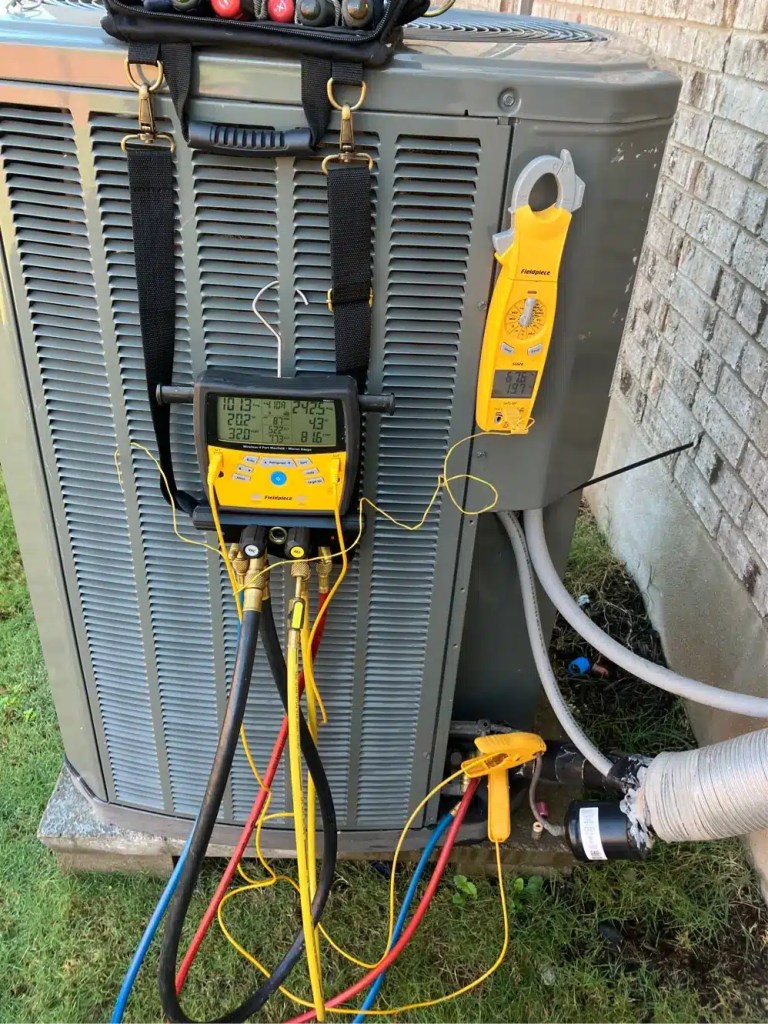
Is your AC not cooling like it used to? You might be wondering, how much refrigerant should you put in your AC unit to get it back to perfect working order?
Adding the right amount of refrigerant is key—it affects how well your system cools and how much you’ll spend. But too little or too much can cause bigger problems. You’ll discover exactly how to figure out the right amount of refrigerant for your AC, why it matters, and what you should watch out for.
Keep reading to save money, avoid damage, and stay cool all summer long.

Credit: atlasacrepair.com
Factors Affecting Refrigerant Costs
Several factors influence the cost of adding refrigerant to an AC unit. Understanding these factors helps in estimating the total expense. The type of refrigerant, the size of the AC unit, any leak repairs needed, and labor charges all play a role. Each factor affects the price differently and can change the final bill.
Type Of Refrigerant
The kind of refrigerant used impacts the cost significantly. Older refrigerants like R-22 are more expensive due to limited supply. Newer refrigerants such as R-410A are more common and usually cheaper. Some units require specific refrigerants, affecting availability and price.
Ac Unit Size
Larger AC units need more refrigerant, increasing the cost. Small units require less refrigerant and cost less to refill. The capacity of the AC unit determines how much refrigerant is necessary for efficient cooling.
Leak Repairs
Leaks in the system cause refrigerant loss and lower AC performance. Repairing leaks is essential before adding refrigerant. Costs rise if significant repairs are needed. Skipping leak fixes leads to repeated refills and higher long-term expenses.
Labor Charges
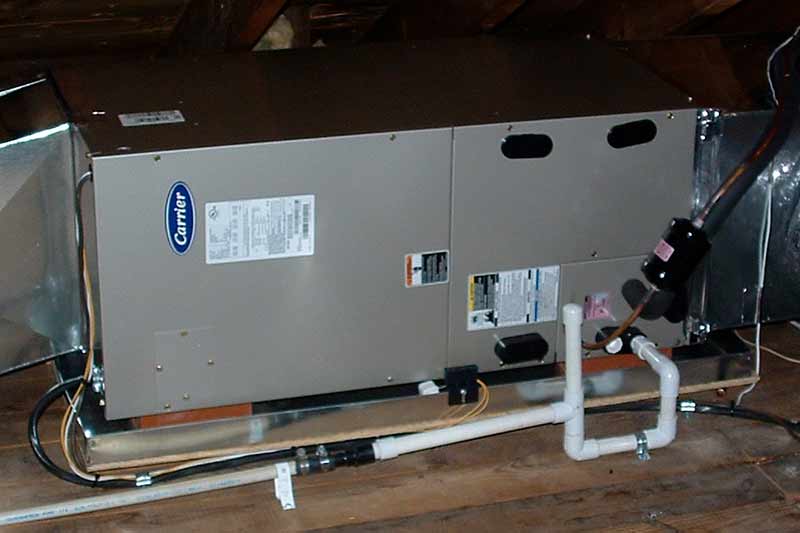
Technician fees vary by region and company. Complex jobs take more time, increasing labor costs. Some companies charge a flat rate, while others bill hourly. Labor can be a large part of the total cost, especially for system checks and repairs.
Credit: homeguide.com
Average Refrigerant Prices In 2025
Understanding average refrigerant prices in 2025 helps budget for AC maintenance. Prices depend on refrigerant type and location. Knowing these costs prevents surprises during service visits. It also guides homeowners on the best options for their AC units.
Common Refrigerant Types And Prices
Several refrigerants are popular for AC units. Each has a different cost due to availability and regulations. Here are common types and their average prices in 2025:
| Refrigerant Type | Price per Pound (USD) |
|---|---|
| R-410A | $15 – $25 |
| R-22 (being phased out) | $70 – $90 |
| R-32 | $20 – $30 |
| R-134a | $10 – $18 |
R-22 is expensive due to limited supply. R-410A and R-32 are more common and affordable. Prices fluctuate based on demand and regulations.
Regional Price Variations
Refrigerant prices vary across regions. Supply chain and local rules impact costs. Urban areas often see higher prices than rural zones.
- West Coast: Higher prices due to strict environmental rules.
- Midwest: Moderate prices with stable supply.
- South: Slightly lower prices, but rising demand.
- Northeast: Prices vary with seasonal demand spikes.
Knowing regional trends helps plan for AC service expenses better.
Signs You Need More Refrigerant
Recognizing the signs that your AC unit needs more refrigerant can save you from discomfort and costly repairs. Often, people overlook these signs until their home feels like a sauna in the middle of summer. By staying alert to these indicators, you can ensure your AC unit performs efficiently and keeps your living space cool and comfortable.
Reduced Cooling Efficiency
Have you noticed your AC running longer but failing to cool your home effectively? This could be a sign of low refrigerant levels. When refrigerant is insufficient, your AC struggles to reach the desired temperature, leading to increased energy bills and persistent discomfort.
Unusual Noises
Strange noises coming from your AC unit can be more than just a nuisance. If you hear hissing or bubbling sounds, it might indicate a refrigerant leak. These noises are your AC’s way of crying for help, urging you to check the refrigerant levels before it worsens.
Ice Formation On Coils
Seeing ice on your AC coils during a heatwave is an ironic twist, isn’t it? Ice formation is a clear sign that your AC is low on refrigerant. This happens because the evaporator coil gets too cold, causing moisture in the air to freeze on the coils, eventually leading to even more cooling issues.
Have you experienced any of these signs with your AC unit? Addressing them promptly can prevent bigger problems down the line. Remember, a comfortable home is just a refrigerant check away!
Diy Vs Professional Refrigerant Charging
Deciding between DIY and professional refrigerant charging affects your AC unit’s efficiency. Charging refrigerant is a precise task. It needs correct pressure and volume for best cooling. Mistakes can cause damage or reduce performance. Understanding risks and benefits helps choose the right option.
Risks Of Diy Charging
- Overcharging or undercharging reduces cooling efficiency.
- Incorrect handling can damage the compressor or other parts.
- Refrigerants require special tools and safety precautions.
- Leaks may go unnoticed, causing environmental harm.
- Wrong refrigerant type can harm the system.
- Lack of knowledge may lead to costly repairs.
Benefits Of Hiring Experts
- Technicians have training to measure and add refrigerant correctly.
- They use professional equipment to detect leaks and fix problems.
- Experts ensure the right refrigerant type is used.
- Proper charging extends the AC unit’s lifespan.
- Hiring pros saves time and prevents costly mistakes.
- They follow safety and environmental regulations strictly.
Steps To Recharge Your Ac Refrigerant
Recharging your AC refrigerant requires careful steps to ensure proper cooling and system safety. Knowing how to handle this task can save time and avoid costly repairs. Follow clear actions to check and add refrigerant correctly.
Identifying Refrigerant Type
Check the AC unit label for the refrigerant type. Common types include R-22 and R-410A. Use the correct refrigerant to avoid damage. The label is usually on the outdoor unit or inside the service panel.
Locating The Service Port
Find the low-pressure service port on the AC unit. It is usually capped and near the larger refrigerant line. This port is where you connect gauges and add refrigerant safely. Do not use the high-pressure side to add refrigerant.
Measuring Refrigerant Levels
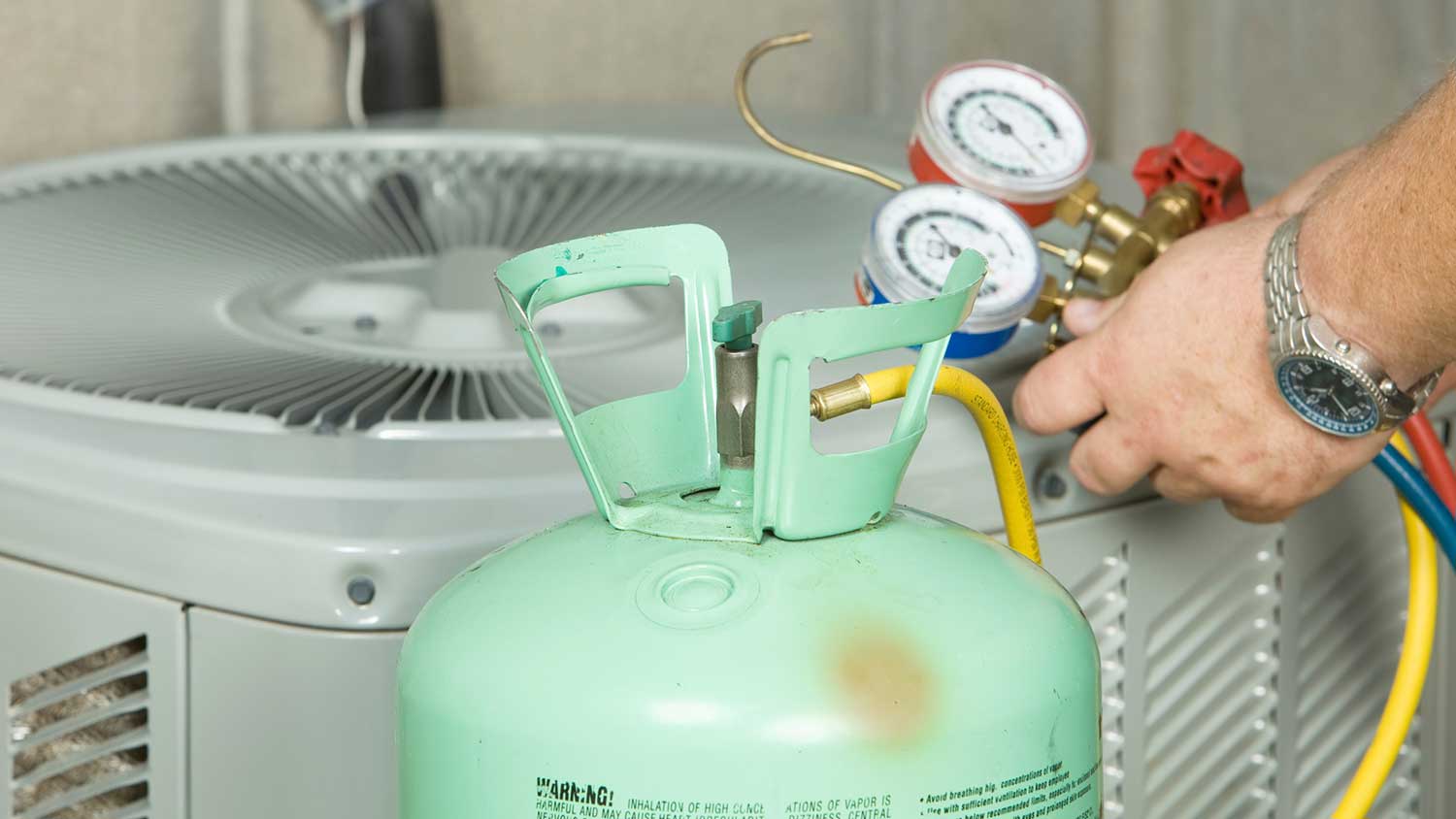
Attach a refrigerant gauge to the service port. Turn on the AC and let it run for a few minutes. Read the pressure on the gauge and compare it to the recommended range in your unit manual. Add refrigerant slowly if levels are low, checking pressure frequently.
Credit: www.angi.com
Ways To Save On Refrigerant Costs
Saving on refrigerant costs helps lower your overall AC maintenance expenses. Small actions can prevent costly repairs and refrigerant refills. Focus on keeping your system efficient and sealed tight. These steps keep refrigerant levels stable and reduce waste.
Regular Maintenance
Schedule routine AC checkups to keep everything working well. Clean filters and coils regularly to improve airflow. A clean system uses less refrigerant and energy. Technicians can spot refrigerant leaks early during inspections. Early fixes stop small problems from becoming expensive.
Sealing Leaks Early
Leaks cause refrigerant loss and reduce cooling power. Check your AC for leaks every season. Use sealants or call a professional for repairs quickly. Fixing leaks saves money by avoiding large refrigerant refills. Proper sealing also helps your AC run smoothly.
Choosing Energy-efficient Units
Invest in AC units with high energy efficiency ratings. These units use less refrigerant and power to cool your space. Energy-efficient models reduce the need for frequent recharging. Look for ENERGY STAR-certified products for better savings. Efficient ACs lower bills and refrigerant costs over time.
Environmental Impact And Regulations
Understanding the environmental impact of refrigerants is crucial when determining how much refrigerant to put in your AC unit. Refrigerants can harm the ozone layer and contribute to global warming if handled improperly. Regulations are in place to minimize these risks and ensure safe use and disposal of refrigerants.
Refrigerant Phase-outs
Many common refrigerants, like R-22, are being phased out due to their harmful effects on the environment. You might notice that newer AC units use alternative refrigerants with lower environmental impact, such as R-410A.
Using outdated refrigerants can be illegal and costly, as they become harder to find and more expensive. Have you checked what type of refrigerant your AC unit requires? This knowledge helps you avoid fines and supports environmental protection.
Proper Disposal Practices
Refrigerants should never be released into the atmosphere. Certified technicians must recover and recycle or destroy refrigerants following strict guidelines.
If you’re replacing or servicing your AC unit, ask the technician about their disposal methods. Proper handling prevents harmful emissions and aligns with environmental laws.
- Always hire certified professionals for refrigerant handling.
- Ensure recovered refrigerant is recycled or destroyed responsibly.
- Keep records of refrigerant quantities added or removed for compliance.
Are you aware of your local regulations on refrigerant use and disposal? Staying informed protects the environment and helps you avoid potential penalties.
Frequently Asked Questions
How Much Refrigerant Does An Ac Unit Need?
The refrigerant amount varies by AC model and size. Most residential units require 2 to 4 pounds. Check the manufacturer’s label for exact specs. Overcharging or undercharging affects efficiency and can damage the system.
What Happens If Ac Has Too Little Refrigerant?
Low refrigerant causes poor cooling and higher energy bills. It may lead to frozen coils or compressor damage. A technician should locate leaks and recharge the correct refrigerant amount promptly.
Can I Add Refrigerant To My Ac Myself?
Adding refrigerant requires specialized tools and knowledge. Incorrect charging risks system damage and violates regulations. It’s best to hire a certified HVAC professional for safe and accurate refrigerant handling.
How Do Technicians Measure Refrigerant Levels?
Technicians use gauges and pressure readings to measure refrigerant. They compare values to manufacturer specifications for optimal charging. Proper tools ensure the AC unit runs efficiently and avoids damage.
Conclusion
Knowing how much refrigerant to add keeps your AC running well. Too little or too much can cause problems and cost more. Check your AC’s manual or label for the right amount. Always use the correct type of refrigerant. If unsure, ask a professional to help.
Proper refrigerant levels save energy and cool your home better. Regular maintenance helps avoid bigger repairs later. Keep your AC healthy for comfort all year long.