Have you ever wondered how your LP gas refrigerator keeps your food cool without electricity? Understanding how this appliance works can help you use it more efficiently and avoid common problems.
You’ll discover the simple yet fascinating process behind LP gas refrigerators. By the end, you’ll know exactly what makes your fridge run smoothly and how to get the best performance from it. Keep reading to unlock the secrets of your LP gas refrigerator!
Basic Principles Of Lp Gas Refrigerators
LP gas refrigerators operate on simple scientific ideas. They use liquid petroleum gas as a power source to cool without electricity. These refrigerators are common in places without electric supply. Understanding how they work helps appreciate their design and benefits.
Role Of Lp Gas In Cooling
LP gas fuels the heating process in the refrigerator. When the gas burns, it produces heat. This heat drives the cooling cycle inside the fridge. Unlike electric refrigerators, no compressor is needed. The gas provides energy for cooling through a chemical reaction.
Key Components Explained
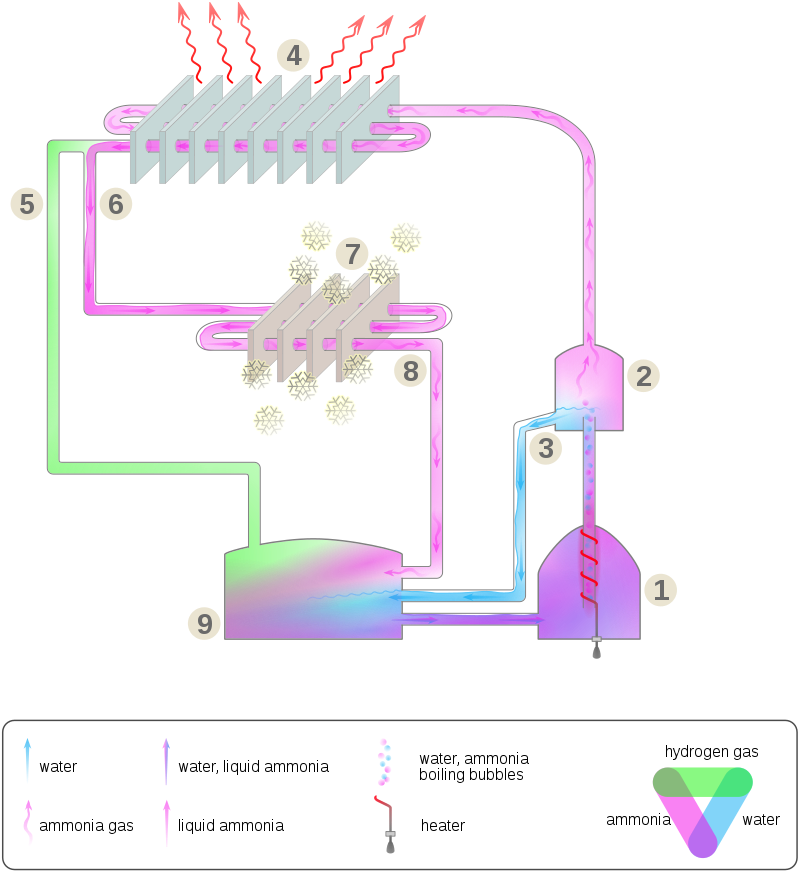
- Generator:Burns LP gas to create heat.
- Condenser:Cools hot gas into liquid form.
- Evaporator:Absorbs heat inside the fridge, creating cold air.
- Absorber:Collects the refrigerant after evaporation.
- Solution Pump:Circulates the cooling solution through the system.
Each part works together to keep the fridge cold. No moving parts mean less noise and fewer breakdowns.
Absorption Refrigeration Cycle
This cycle is the heart of LP gas refrigerators. It uses heat to move a refrigerant through different stages. The refrigerant absorbs heat inside the fridge and releases it outside. This process creates a cooling effect.
The cycle includes heating, condensing, evaporating, and absorbing phases. Heat from LP gas starts the process. Then, the refrigerant changes states to transfer heat out. This cycle repeats continuously to maintain cold temperatures.
Credit: www.fhappliances.com
Types Of Lp Gas Refrigerators
LP gas refrigerators offer versatile options for various needs. They are reliable, especially in off-grid locations. Let’s explore the different types available.
Portable Models
Portable LP gas refrigerators are compact and easy to carry. These models suit campers and outdoor enthusiasts. They keep food and drinks cold during trips. Their lightweight design makes them convenient for frequent travel.
Built-in And Residential Units
Built-in and residential units are larger and more robust. They are ideal for permanent installations. These units often feature modern designs and advanced features. They provide a reliable cooling solution for homes and cottages.
Hybrid Gas-electric Refrigerators
Hybrid gas-electric refrigerators offer flexible energy options. They can switch between LP gas and electricity. This adaptability ensures cooling under various conditions. They are perfect for areas with unpredictable power supply.
Energy Efficiency Factors
Energy efficiency plays a key role in the performance of an LP gas refrigerator. It affects fuel consumption and cooling effectiveness. Understanding the factors that impact energy use helps in choosing and maintaining these appliances well.
Heat Source Management
The heat source drives the cooling cycle in an LP gas refrigerator. Efficient management of this heat source reduces fuel use. It requires stable and controlled flame size to maintain consistent cooling.
Proper adjustment of the burner flame ensures it is not too large or small. A well-tuned burner keeps the refrigerator working smoothly without wasting gas.
Insulation Quality
Insulation keeps cold air inside and blocks warm air from outside. Good insulation means the fridge needs less energy to stay cool. It lowers the frequency and length of heating cycles.
Materials like foam or fiberglass help improve insulation. Checking door seals and wall panels regularly preserves insulation quality and boosts efficiency.
Thermostat And Controls
The thermostat regulates the fridge’s temperature by controlling the gas flow. Accurate and responsive thermostats prevent overcooling or undercooling. This balance saves energy and protects food.
Modern controls offer better precision and easy adjustments. Consistent monitoring and calibration keep the system efficient over time.

Credit: www.searshomeservices.com
Maintenance Tips For Optimal Performance
Maintaining your LP gas refrigerator properly ensures it runs efficiently and lasts longer. Simple upkeep can prevent costly repairs and keep your food safely chilled. Here are some practical tips to help you get the best performance out of your appliance.
Cleaning And Servicing
Regular cleaning keeps your refrigerator working smoothly. Dust and dirt can block vents and reduce cooling efficiency. Wipe down the exterior and clean the inside shelves with mild soap and water.
Don’t forget to clean the burner area carefully. A clogged burner can cause uneven heating, affecting cooling power. Scheduling professional servicing annually helps catch hidden issues before they become major problems.
Checking Gas Connections
Leaks or loose connections in your gas supply can be dangerous and reduce performance. Always inspect hoses and fittings for cracks or wear. You can apply a soapy water solution to connections; bubbles indicate a leak that needs fixing immediately.
Have you checked your gas connections recently? Tightening fittings and replacing damaged hoses can save you from unexpected breakdowns and safety hazards.
Preventing Common Issues
Keep the refrigerator level to avoid strain on internal components. Vibrations from an uneven surface can damage parts over time. Also, avoid overfilling the fridge; good airflow inside helps maintain consistent cooling.
Watch for signs like unusual noises or inconsistent temperatures—they often signal early problems. Addressing these quickly keeps your LP gas refrigerator running at its best and extends its lifespan.
Comparing Lp Gas To Electric Refrigerators
LP gas refrigerators and electric refrigerators use different energy sources to cool food. Each type offers unique benefits and drawbacks. Understanding these differences helps in choosing the best fit for your needs.
Efficiency And Cost
LP gas refrigerators use propane to create a cooling effect. They often consume less energy in off-grid areas. Electric refrigerators run on electricity and may use more power.
Costs vary by location and usage. LP gas may cost less in rural areas without reliable electricity. Electric refrigerators tend to have lower running costs in urban settings with stable power.
Environmental Impact
LP gas is a fossil fuel that emits greenhouse gases when burned. Its impact depends on fuel sourcing and usage patterns. Electric refrigerators produce emissions indirectly based on electricity production methods.
Renewable electricity sources reduce electric refrigerators’ environmental footprint. LP gas refrigerators may be preferred where electricity comes from non-renewable sources.
Usage Scenarios
- LP gas refrigerators suit remote cabins, boats, and RVs without electricity.
- Electric refrigerators fit homes, offices, and places with steady power supply.
- LP gas models work well during power outages or off-grid living.
- Electric models offer more size and feature options for everyday use.
Improving Lp Gas Refrigerator Efficiency
Improving the efficiency of your LP gas refrigerator can save you money and extend the life of the appliance. Small changes in how you set up and maintain your fridge can make a big difference in performance. Let’s look at some practical ways to get the most out of your LP gas refrigerator.
Proper Placement And Ventilation
Where you place your LP gas refrigerator affects its efficiency significantly. Make sure it’s in a cool, shaded spot away from direct sunlight or heat sources like ovens and heaters.
Good ventilation is essential because the fridge releases heat as it cools the interior. If the heat can’t escape, the fridge works harder and uses more gas.
Have you checked if your fridge’s vents are clear? Blocked vents reduce airflow and cause your fridge to use more fuel than necessary.
Regular Maintenance Schedule
Routine maintenance keeps your LP gas refrigerator running smoothly and efficiently. Cleaning the burner and checking the gas pressure can prevent inefficient burning and wasted fuel.
Inspect seals and gaskets regularly. Damaged seals let cold air out and warm air in, forcing your fridge to work overtime.
Set reminders for maintenance tasks. Even small fixes can improve your fridge’s efficiency and prevent costly repairs.
Upgrading Components
Sometimes, upgrading parts can boost your fridge’s performance. Modern thermocouples and burners are designed to use gas more efficiently and last longer.
Consider replacing old insulation inside the fridge. Better insulation keeps cold air in and reduces gas consumption.
Have you thought about adding a thermostat controller? It can help maintain the right temperature without using extra gas.

Credit: www.smadappliances.co.uk
Frequently Asked Questions
How Does An Lp Gas Refrigerator Cool Without Electricity?
An LP gas refrigerator uses propane combustion to create a heat source. This heat drives a cooling cycle through absorption, removing heat inside the fridge. It requires no electricity, making it ideal for off-grid or mobile use.
What Are The Main Components Of An Lp Gas Refrigerator?
Key components include the burner, absorber, generator, condenser, and evaporator. Propane combustion heats the generator, causing ammonia to vaporize and circulate. This cycle removes heat from the fridge’s interior, maintaining a cool temperature efficiently.
Is An Lp Gas Refrigerator Energy Efficient?
Yes, LP gas refrigerators are energy efficient in remote areas. They use propane fuel, which burns cleanly and steadily. These fridges work well without electric power, saving energy and lowering operating costs in off-grid settings.
Can Lp Gas Refrigerators Work During Power Outages?
Absolutely, LP gas refrigerators operate independently of electricity. They rely solely on propane combustion for cooling. This makes them reliable during power outages or in locations without electrical access.
Conclusion
A LP gas refrigerator cools without electricity by using propane gas. It moves heat through a special process with liquid and gas states. This makes it great for places without power, like cabins or campers. You just need to connect the gas and keep it level.
Understanding how it works helps you use it safely and efficiently. It’s a simple, reliable choice for cooling when electricity is not an option. A smart solution for many outdoor and off-grid needs.