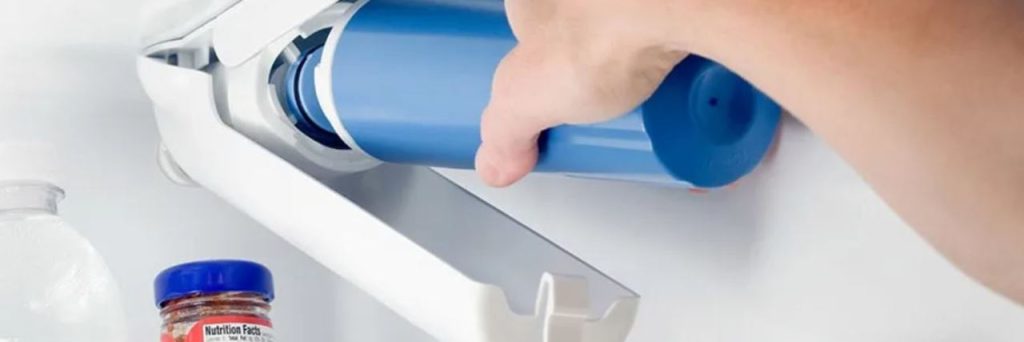
Have you ever wondered what the small water filter inside your refrigerator actually does? You might think it’s just a simple part, but it plays a big role in keeping your water fresh and safe.
If you care about the taste of your drinking water or want to protect your family from harmful impurities, understanding how this filter works is key. Keep reading to discover how your refrigerator water filter can make a difference in your daily life—and why replacing it on time matters more than you might think.
Credit: www.homedepot.com
How Refrigerator Water Filters Work
Understanding how refrigerator water filters work can change the way you think about the water you drink every day. These filters don’t just clean water—they improve taste, remove harmful substances, and protect your appliance. Let’s break down the process so you can see exactly what happens every time you pour a glass from your fridge.
Filtration Process
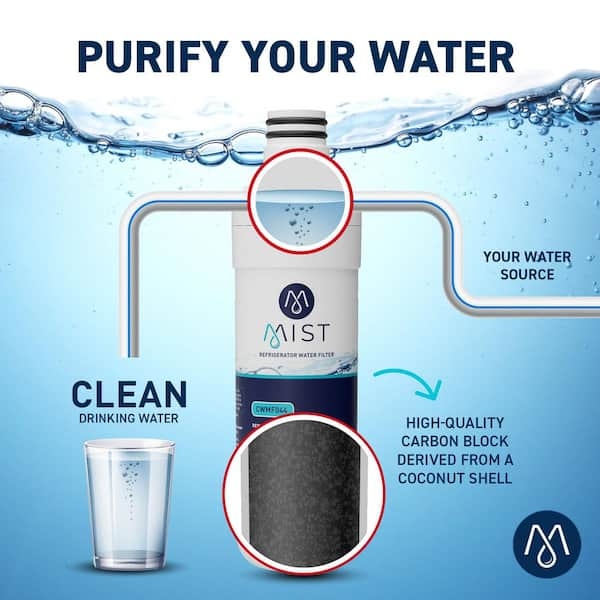
The filtration process starts when water enters the filter cartridge inside your refrigerator. As water flows through, it passes through multiple layers designed to trap impurities.
Typically, activated carbon is a key player here. It attracts and holds chlorine, bad odors, and some chemicals, making the water taste fresher. Other particles like sediment and rust get caught in mesh screens or sediment filters before reaching your glass.
Have you ever noticed your water tastes different after changing the filter? That’s because the filter removes contaminants that dull flavor or leave an unpleasant aftertaste.
Types Of Filters
- Activated Carbon Filters:These are the most common. They absorb chlorine and organic compounds, improving taste and smell.
- Reverse Osmosis Filters:Some refrigerators use this technology to remove a wider range of impurities, including heavy metals and dissolved solids.
- UV Filters:Less common but effective in killing bacteria and viruses using ultraviolet light.
- Combination Filters:These combine multiple filtration methods to offer more thorough purification.
Choosing the right type depends on your water source and what impurities you want to remove. Do you know what’s in your tap water? Testing it might help you pick the most effective filter for your needs.
Improved Water Taste And Odor
Refrigerator water filters offer more than just cold water. They enhance taste and remove unpleasant odors. This makes every sip refreshing and enjoyable.
Removing Chlorine
Chlorine is often added to tap water for disinfection. While it keeps water safe, it can affect taste and smell. Refrigerator water filters help by removing chlorine. This enhances the flavor, making water taste clean and fresh.
Eliminating Contaminants
Besides chlorine, tap water can contain other contaminants. These might include lead, mercury, or pesticides. Such impurities can alter taste and pose health risks. Refrigerator water filters are designed to trap these particles. This ensures that the water you drink is pure and safe.
Health Benefits
Understanding the health benefits of refrigerator water filters is essential for anyone who values clean drinking water. These filters don’t just improve taste—they play a crucial role in keeping your water safe and healthy. Let’s explore how they reduce harmful chemicals and protect against bacteria, helping you make better choices for your family’s hydration.
Reducing Harmful Chemicals
Refrigerator water filters remove many chemicals that can be harmful to your health. Chlorine, often used to disinfect tap water, can leave an unpleasant taste and may irritate your digestive system over time.
Filters also reduce contaminants like lead and pesticides, which can sneak into water supplies through old pipes or agricultural runoff. Drinking water with lower chemical levels means your body avoids unnecessary toxins every day.
Have you ever wondered what’s really in your tap water? Using a quality filter can give you peace of mind by cutting down these hidden risks.
Protecting Against Bacteria
Bacteria in water can cause illnesses ranging from mild stomach upset to serious infections. Refrigerator filters often include components that block bacteria and other microorganisms, keeping your water safer to drink.
Since many people drink straight from the fridge dispenser, this barrier is especially important. It reduces the chance of harmful bacteria entering your system through everyday hydration.
Think about how often you and your family grab a quick glass of water—without a filter, you could be exposing yourself to unseen dangers. A good water filter acts as a shield, giving you cleaner water at the touch of a button.
Credit: www.warnersstellian.com
Extending Appliance Lifespan
Extending the lifespan of your refrigerator is about more than just keeping it clean. The water filter plays a crucial role in protecting the internal components from damage caused by impurities. By regularly changing the filter, you help your appliance run smoother and last longer, saving you money and hassle in the long run.
Preventing Scale Build-up
Scale build-up from minerals like calcium and magnesium can clog your refrigerator’s water lines and damage its parts. A good water filter traps these minerals before they reach the system. This prevents blockages and reduces the risk of leaks or malfunctions.
Think about how much easier your appliance runs without mineral deposits slowing it down. Have you noticed your fridge working harder or making unusual noises? That could be a sign of scale build-up that a fresh filter might help avoid.
Maintaining Ice Maker Efficiency
Your ice maker depends on clean, filtered water to work efficiently. Without a proper filter, impurities can cause ice cubes to taste off or even clog the ice maker’s mechanism. This forces the machine to work harder, which can lead to breakdowns.
Regularly replacing the water filter ensures that your ice maker produces clear, fresh-tasting ice consistently. If you want your ice maker to last as long as your refrigerator, paying attention to the filter is a simple but powerful step.
Cost Savings Over Time
Investing in a refrigerator water filter might seem like a small expense at first, but over time, it can lead to significant cost savings. These filters improve the quality of your tap water, making it a convenient and affordable alternative to buying bottled water. Plus, they help protect your fridge’s internal parts, reducing the chances of costly repairs.
Reducing Bottled Water Use
Think about how often you buy bottled water. Each bottle adds up, especially if you prefer premium brands. Using a refrigerator water filter means you can fill up your own reusable bottle with clean, fresh water anytime.
This simple switch can save you hundreds of dollars annually. You also cut down on plastic waste, which is better for the environment. Have you ever noticed how quickly those bottled water expenses pile up? Switching to filtered water at home can free up money for other priorities.
Lower Maintenance Costs
Dirty or unfiltered water can cause mineral buildup inside your fridge’s water dispenser and ice maker. Over time, this buildup might lead to blockages or malfunctions that require professional repairs.
By regularly using a refrigerator water filter, you reduce the risk of these issues. This means fewer service calls and less money spent on replacement parts. Maintaining your fridge’s water system with a good filter can extend its lifespan and keep it running smoothly, saving you from unexpected expenses.
When To Replace Filters
Knowing when to replace your refrigerator water filter is key to keeping your water fresh and safe. Filters don’t last forever, and using them too long can reduce water quality and strain your fridge’s system. Let’s look at how you can tell when it’s time for a change and what the recommended schedules are.
Signs Of Filter Wear
Watch for changes in taste or smell of your water. If it starts to taste metallic or odd, the filter might be clogged or no longer effective.
Slow water flow from the dispenser is another warning sign. A worn-out filter can restrict water, making your fridge work harder than it should.
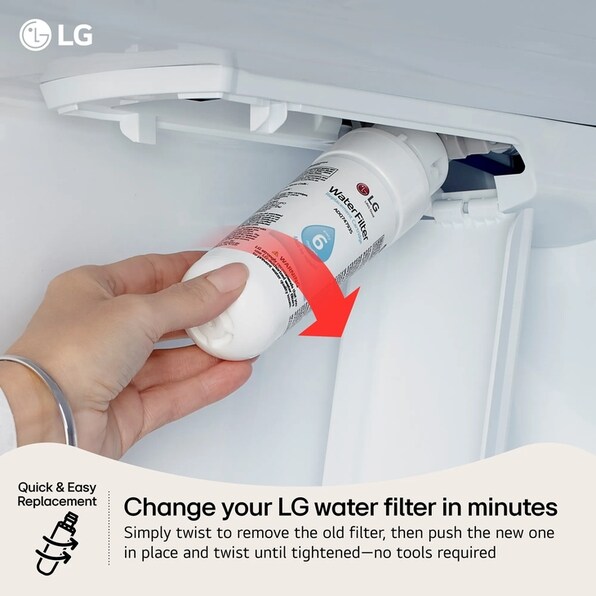
Some refrigerators have indicator lights or alerts for filter replacement. If your fridge signals it’s time, don’t ignore it—these alerts are designed to keep your water quality high.
Recommended Replacement Intervals
Most manufacturers suggest changing the filter every six months. However, this can vary depending on your water usage and local water quality.
If you live in an area with hard water or heavy sediment, you might need to replace the filter more often. Conversely, if your water is well-filtered before it reaches the fridge, you could get a bit more life from each filter.
- Check your fridge’s user manual for specific guidance.
- Mark your calendar when you install a new filter to track time easily.
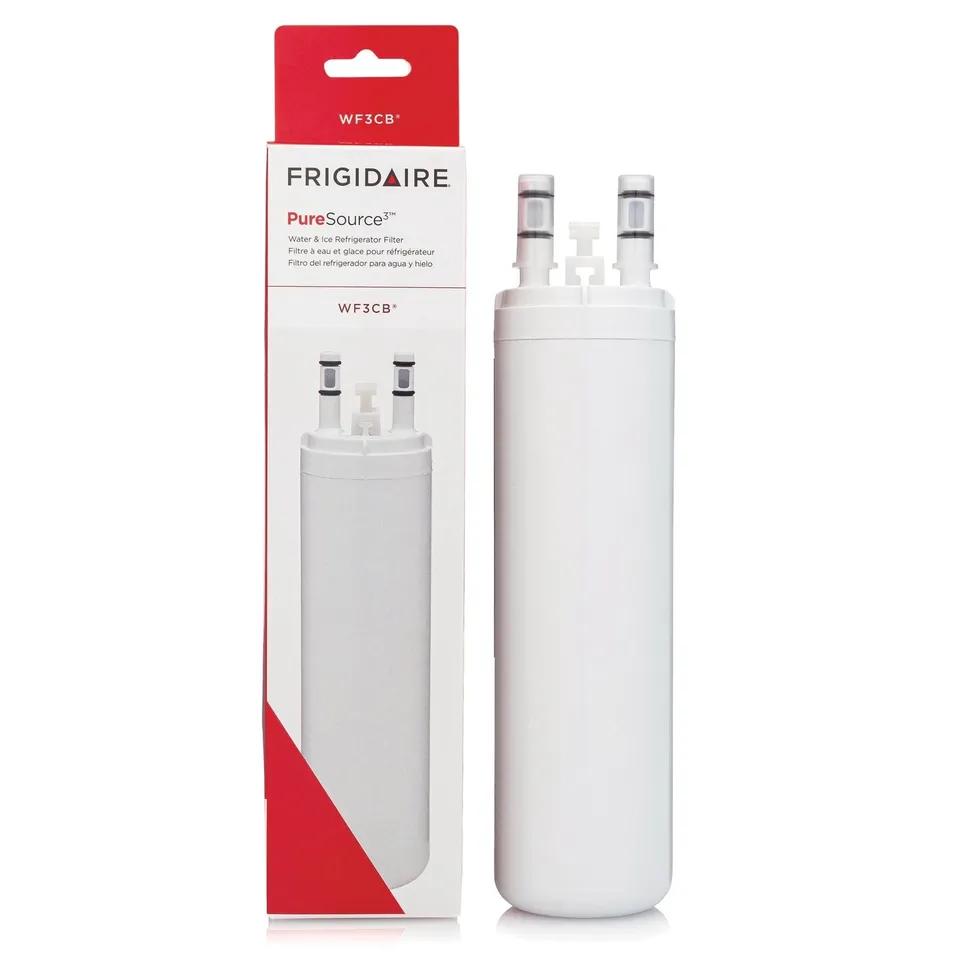
- Consider keeping spare filters handy so you’re never caught off guard.
Have you noticed any difference in your water quality lately? Paying attention to these signals helps you avoid unpleasant surprises and ensures your water stays clean and refreshing.
Credit: www.lg.com
Frequently Asked Questions
What Do Refrigerator Water Filters Remove?
Refrigerator water filters remove chlorine, sediment, and contaminants. They improve water taste and odor. They also reduce harmful substances like lead and pesticides, ensuring safer drinking water.
How Often Should Refrigerator Water Filters Be Replaced?
Replace refrigerator water filters every 6 months. Frequent use or poor water quality may require earlier replacement. Timely changes maintain water purity and prevent clogging.
Can Refrigerator Filters Improve Water Taste?
Yes, refrigerator filters improve water taste by removing chlorine and impurities. This results in fresher, cleaner, and better-flavored drinking water directly from your fridge.
Do All Refrigerators Have Water Filters?
Not all refrigerators have water filters. Models with water dispensers or ice makers usually include them. Check your fridge specifications to confirm if a filter is installed.
Conclusion
Refrigerator water filters keep your drinking water clean and safe. They remove dirt, chemicals, and bad tastes. Changing filters regularly helps maintain good water quality. Clean water supports your health and improves the flavor of drinks. Remember to check your filter’s lifespan and replace it on time.
This small step makes a big difference for your family’s well-being. Stay hydrated with fresh, filtered water straight from your fridge. Simple care leads to better water every day.