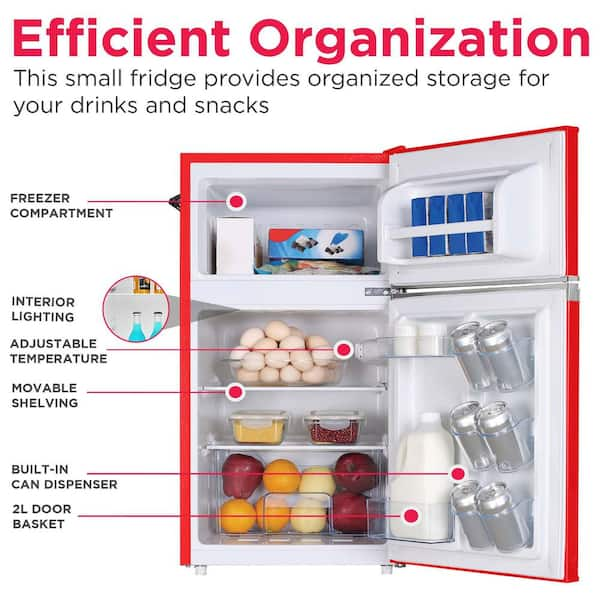
Are you curious about how much electricity your mini refrigerator uses? Knowing the wattage can help you save on energy bills and choose the right fridge for your space.
Whether you keep snacks in your dorm room or drinks in your office, understanding power use matters. You’ll discover exactly how many watts a mini refrigerator uses and learn simple tips to make it more energy-efficient. Keep reading to take control of your energy costs and get the most out of your mini fridge.

Credit: naturesgenerator.com
Mini Refrigerator Power Basics
Understanding the power usage of a mini refrigerator helps manage energy bills. Mini refrigerators use less power than full-sized models but vary based on several aspects. Knowing the basics of wattage helps choose the right fridge for your needs. It also helps predict how much electricity the appliance will consume over time.
Typical Wattage Range
Most mini refrigerators use between 50 and 100 watts when running. The exact wattage depends on the size and model of the fridge. A smaller fridge might use closer to 50 watts, while larger ones can reach near 100 watts. This wattage is the power the fridge needs to keep your food cool. On average, a mini fridge uses about 200 to 400 kilowatt-hours per year.
Factors Affecting Power Usage
- Size:Larger mini fridges use more electricity than smaller ones.
- Temperature Setting:Lower temperatures require more power to maintain.
- Frequency of Use:Opening the door often lets warm air in, increasing power use.
- Age and Condition:Older or poorly maintained fridges work harder and use more energy.
- Location:Placing the fridge in a hot area makes it consume more power.
- Energy Efficiency:Energy Star-rated models use less power than non-rated ones.
Energy Consumption Patterns
Mini refrigerators usually use between 50 to 100 watts of power. Energy use depends on size, model, and how often the door opens. Understanding these patterns helps save electricity and reduce bills.
Understanding the energy consumption patterns of a mini refrigerator is crucial for optimizing your electricity usage and keeping your bills in check. Mini refrigerators are a staple in dorms, offices, and small apartments, but have you ever wondered how much power they actually consume? Energy consumption isn’t just about the wattage label; it’s about how often the fridge cycles on and off and how long it runs each day.Running Vs. Starting Watts
When you first plug in a mini refrigerator, it uses more power to start up, which is known as starting watts. This spike in energy is brief but necessary to kickstart the compressor. Once running, the fridge consumes fewer watts, typically listed on the appliance’s label. For example, a mini fridge might require 100 watts to run, but starting watts could be double that. Keeping track of this can help you understand those occasional spikes in your electricity bill. Have you ever noticed a sudden increase in your bill after rearranging your room or adding new gadgets?Daily And Monthly Usage Estimates
Calculating daily and monthly energy consumption can provide a clearer picture of how much electricity your mini fridge uses. To estimate daily usage, multiply the running watts by the hours it runs each day, then divide by 1,000 to convert to kilowatt-hours (kWh). For instance, if your fridge runs for 8 hours a day at 100 watts, that’s 0.8 kWh per day. Over a month, this would add up to about 24 kWh. This calculation can help you budget your monthly energy costs and identify if your fridge is the biggest energy hog in your home. Are you surprised by how much this small appliance can add to your utility bill? Understanding these patterns is more than just a math exercise; it’s a step towards smarter energy usage.Comparing Mini Fridges And Standard Refrigerators
Comparing mini refrigerators to standard refrigerators reveals some clear differences in power consumption and practicality. Both serve the purpose of keeping your food and drinks cold, but how they do it and the energy they use vary significantly. Understanding these differences can help you decide which fridge fits your lifestyle and energy goals.
Size And Efficiency Differences
Mini fridges typically range from 1.7 to 4.5 cubic feet, making them compact enough for dorm rooms, offices, or small apartments. Their smaller size means they usually consume less power, often between 55 and 85 watts when running.
Standard refrigerators are much larger, usually starting around 18 cubic feet and going up to 30 or more. Because of their size, they use more energy—often between 100 and 800 watts depending on the model and features.
However, size isn’t the only factor affecting efficiency. A well-maintained mini fridge in a cool environment may use less energy than a full-size fridge in a warm kitchen. Have you noticed how your mini fridge seems to run less frequently when the room is cooler?
Energy Star Ratings
Energy Star ratings provide a reliable way to compare the energy efficiency of both mini and standard refrigerators. These ratings indicate that the appliance meets specific energy-saving criteria set by the U.S. Environmental Protection Agency.
Many mini fridges now come with Energy Star certification, which means they use at least 10% less energy than non-certified models. Standard refrigerators with this rating can save even more energy due to their larger baseline consumption.
Choosing an Energy Star rated fridge can make a noticeable difference in your electricity bill. Are you willing to invest a little more upfront for long-term energy savings? The answer often depends on how you plan to use your fridge and where you’ll place it.
Tips To Cut Energy Use
Cutting energy use on your mini refrigerator not only saves money but also extends the appliance’s life. Small changes in how you set up and maintain your fridge can make a big difference in power consumption. Let’s look at practical tips you can use right away to keep your mini fridge running efficiently.
Optimal Temperature Settings
Setting your mini fridge to the right temperature is crucial. Aim for around 37°F (3°C) for the fridge compartment and 0°F (-18°C) if it has a freezer section. Cooler than this wastes energy, while warmer temperatures risk food spoilage.
Have you checked your fridge’s thermostat recently? Adjusting it even a few degrees can lower your energy bills noticeably without sacrificing freshness.
Placement And Ventilation
Where you place your mini fridge affects its energy use. Avoid spots near heat sources like ovens, direct sunlight, or heating vents. Heat forces the fridge to work harder, using more electricity.
Make sure there’s enough space around the fridge for air to flow freely. Proper ventilation helps the compressor run smoothly and prevents overheating. A few extra inches of clearance can save you watts each day.
Maintenance For Efficiency
Regular maintenance keeps your mini fridge efficient. Clean the condenser coils every few months to remove dust and dirt. Dirty coils make the compressor struggle, increasing energy use.
Check the door seals for leaks by closing the door on a piece of paper. If the paper slips out easily, replace the gasket to prevent cold air from escaping. Small fixes like this have a big impact on energy consumption.
Energy-saving Models And Features
Choosing a mini refrigerator with energy-saving features can significantly reduce your electricity bill and environmental impact. These models use smarter technology and materials designed to minimize power consumption without sacrificing performance. Understanding these features helps you pick the best appliance that fits your needs and budget.
Inverter Technology
Inverter technology adjusts the compressor’s speed based on cooling demand rather than running at full power constantly. This means your mini fridge uses only the energy it needs, cutting down on wasted electricity.
I noticed a big difference after switching to an inverter-equipped mini fridge; my monthly energy costs dropped noticeably. Plus, the fridge runs quieter and maintains a more stable temperature, keeping your food fresher longer.
Consider models with inverter compressors if you want efficient cooling that adapts to your usage patterns. It’s a smart way to save energy without compromising on convenience.
Eco-friendly Refrigerants
Mini refrigerators using eco-friendly refrigerants like R600a or R134a help reduce greenhouse gas emissions. These refrigerants have a lower impact on the environment compared to older chemicals like R12.
Choosing a fridge with these refrigerants supports sustainability efforts and often means the appliance is more energy-efficient. It’s a practical choice if you care about the planet and want to minimize your carbon footprint.
Next time you shop, check the refrigerant type listed in the specifications. Does your current fridge use eco-friendly refrigerants? If not, upgrading could be a step toward greener living.
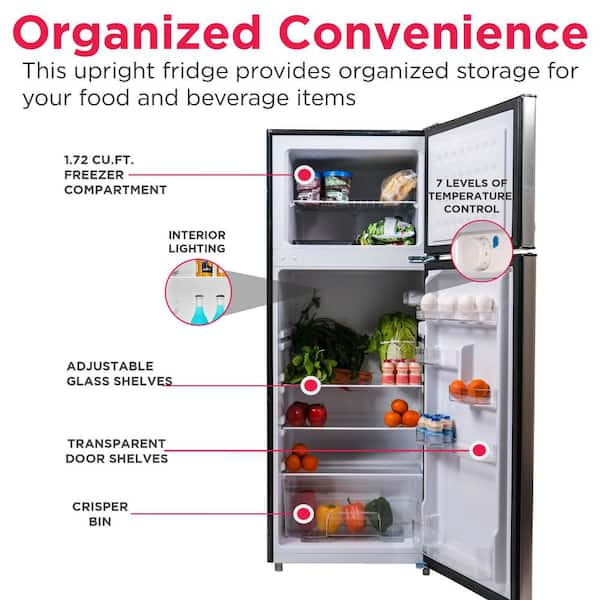
Credit: www.homedepot.com
Calculating Your Mini Fridge’s Energy Cost
Knowing how much energy your mini refrigerator uses can help you manage your electricity bills better. Calculating the energy cost involves understanding how many watts your fridge consumes and how long it runs daily. This section guides you through practical ways to measure and estimate those costs.
Using A Power Meter
A power meter is a simple device that plugs into your outlet, then you plug your mini fridge into it. It measures the exact watts your fridge uses over time. This real-time data is the most accurate way to know your fridge’s energy consumption.
After a day or two of monitoring, you can see the total kilowatt-hours (kWh) used. This number directly translates to your electricity bill. If you own a power meter, it’s worth spending a few days measuring—it can reveal unexpected energy drains.
Estimating Electricity Bills
If you don’t have a power meter, you can estimate your fridge’s cost using its wattage and average running hours. Most mini fridges use between 40 to 100 watts.
| Step | Calculation |
|---|---|
| Find wattage | Check the label or manual (e.g., 80 watts) |
| Estimate daily running hours | Mini fridges typically run 8-12 hours/day |
| Calculate daily kWh | (Wattage × Hours) ÷ 1000 = kWh |
| Multiply by your electric rate | Daily kWh × cost per kWh (e.g., $0.13) |
For example, an 80-watt mini fridge running 10 hours daily uses 0.8 kWh. At $0.13 per kWh, that’s about $0.10 per day. Multiply that by 30 days, and you get roughly $3 a month.
Have you ever checked your electric bill after a new appliance purchase? Knowing these numbers can help you decide if your mini fridge is energy efficient or if it’s time for an upgrade.
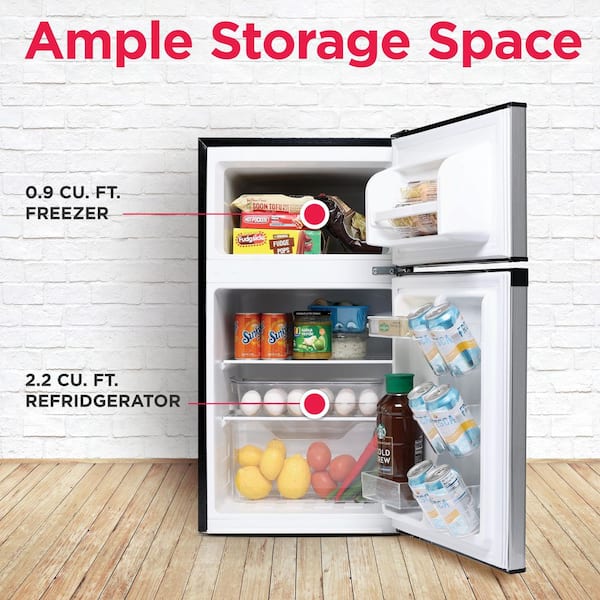
Credit: www.homedepot.com
Frequently Asked Questions
How Many Watts Does A Mini Refrigerator Typically Use?
A mini refrigerator usually uses between 50 to 100 watts when running. Power consumption varies by size and model.
Does Mini Fridge Wattage Affect Electricity Bills?
Yes, higher wattage fridges consume more energy, increasing electricity costs over time. Energy-efficient models reduce bills.
How To Calculate Mini Refrigerator Energy Usage?
Multiply the fridge’s wattage by hours used daily, then divide by 1,000. This gives daily kilowatt-hours (kWh) used.
Can A Mini Fridge Run On Solar Power?
Yes, mini fridges with low wattage are suitable for solar setups, using solar panels and batteries efficiently.
Conclusion
A mini refrigerator usually uses between 40 to 100 watts. This depends on the size and model you choose. Knowing the wattage helps you manage electricity bills better. It also guides you in selecting the right fridge for your needs.
Small fridges save space and use less energy. Keep these points in mind when buying one. This way, you get a fridge that fits your home and budget. Simple and smart choices make a big difference.