
If your dog is feeling unwell, your vet might ask for a stool sample. But you may wonder—do dog stool samples need to be refrigerated before you bring them in?
How you store the sample can affect the test results and your pet’s diagnosis. You’ll discover exactly why proper storage matters and simple steps you can take to keep the sample fresh. Keep reading to make sure you’re doing the right thing for your furry friend’s health.

Credit: www.petscare.com
Why Stool Sample Storage Matters
Stool sample storage is crucial for accurate test results. Proper storage keeps the sample fresh and uncontaminated. It prevents bacteria from growing or dying. This ensures the vet gets reliable information about your dog’s health.
Incorrect storage can change the sample’s composition. This can lead to wrong diagnosis or treatment. Timely and proper storage helps maintain the sample’s natural state. It protects the sample from external factors like heat or moisture.
Preserves Bacterial Balance
Stool contains many types of bacteria. Some bacteria help digest food while others may cause illness. Keeping the sample cold slows harmful bacteria growth. It stops good bacteria from dying too fast. This balance helps vets identify infections or imbalances.
Maintains Parasite Integrity
Parasites like worms or protozoa may live in stool. They can be fragile and break down quickly. Refrigeration keeps parasites intact for testing. This allows better detection of parasites or eggs. Accurate parasite detection leads to proper treatment plans.
Prevents Sample Degradation
Enzymes and chemicals in stool can break down the sample. Heat and time speed up this process. Refrigeration slows enzyme activity and preserves sample quality. It keeps cells and other components stable for tests. Better sample quality means more reliable lab results.
Reduces Odor And Mess
Stool can produce strong odors if left at room temperature. Cooling the sample reduces smell and makes handling easier. It also limits bacterial growth that causes bad odors. This makes transporting the sample to the vet less unpleasant.
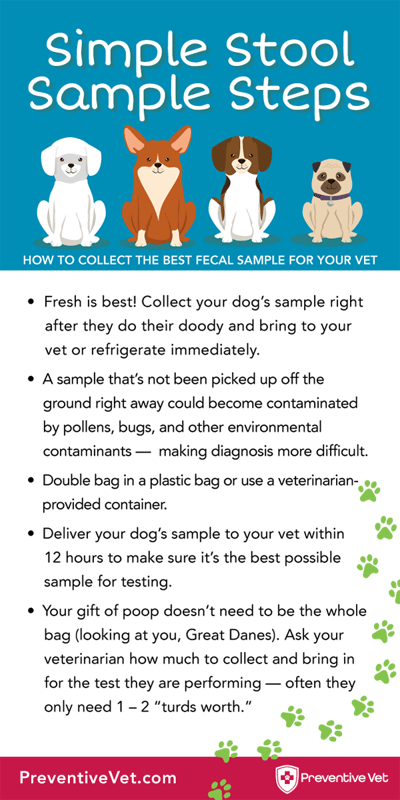
Credit: www.preventivevet.com
When Refrigeration Is Required
Dog stool samples should be refrigerated if there is a delay in testing. Keeping samples cool helps preserve bacteria and parasites for accurate results. Avoid freezing, as it can damage the sample and affect test quality.
Refrigeration plays a crucial role in preserving the integrity of dog stool samples. While not every sample demands cooling, certain situations make it essential. Understanding when refrigeration is necessary ensures accurate test results, which can be vital for your pet’s health.Timeframe For Sample Testing
The timing of testing is key. If a stool sample is collected and you cannot deliver it to the veterinarian within a few hours, refrigeration is a must. This helps prevent the breakdown of organisms and maintains the sample’s viability. Ideally, samples should be tested within 24 hours to ensure accurate results. Have you ever wondered how long bacteria can thrive? Refrigeration slows their growth, buying you precious time.Types Of Tests Needing Cool Storage
Not all stool tests require cooling, but some do. Tests looking for parasites, like Giardia or worms, benefit greatly from refrigeration. These organisms can degrade quickly at room temperature, leading to false negatives. On the other hand, certain bacterial cultures also need cool storage to prevent overgrowth of non-target bacteria. By keeping these samples chilled, you provide your vet with the best chance for an accurate diagnosis. Next time you collect a stool sample, consider the specific test it’s meant for. If you’re unsure, consult your vet. They can provide guidance on whether refrigeration is necessary for your pet’s specific situation.Risks Of Not Refrigerating Samples
Not refrigerating your dog’s stool sample can lead to several problems that might affect the accuracy of test results. Stool contains bacteria and parasites that can multiply or break down quickly if left at room temperature. This can make it difficult for your vet to diagnose your pet’s health issues correctly.
Risk Of Bacterial Overgrowth
When stool samples are not refrigerated, bacteria can multiply rapidly. This overgrowth can mask the presence of harmful pathogens your vet needs to identify. If bacteria numbers change, test results might show false negatives or positives, delaying proper treatment for your dog.
Degradation Of Parasite Eggs And Cysts
Parasite eggs and cysts in stool samples can degrade or hatch if the sample isn’t kept cool. This makes it challenging to detect infections like giardia or roundworms. Imagine sending a sample that no longer shows these signs—your dog might miss out on essential medication.
Impact On Lab Test Accuracy
Labs rely on fresh, preserved samples to give reliable results. A sample left unrefrigerated can lead to contamination or changes in composition. This can result in repeated visits and extra costs as vets might ask for a new sample.
Health Risks To You And Others
Handling unrefrigerated stool samples increases the risk of spreading bacteria and parasites. Without proper refrigeration, harmful organisms can multiply and pose a health threat during transport or processing. Are you prepared to manage the risks of contamination?
Proper Collection And Storage Tips
Collecting and storing dog stool samples properly ensures accurate test results. Improper handling can cause contamination or sample degradation. Following simple steps protects the sample’s quality and helps your vet diagnose effectively.
Using Clean Containers
Choose a clean, dry container with a tight lid. Avoid containers that previously held food or chemicals. Use sterile containers if available to prevent bacteria growth. Scoop the stool with a disposable tool or clean gloves. Avoid touching the inside of the container or lid to keep the sample pure.
Labeling And Transporting Samples
Label the container clearly with your dog’s name and the date of collection. This avoids confusion at the vet’s office. Transport the sample quickly to keep it fresh. Store the sample in a cool place, such as a refrigerator, if there is a delay. Avoid freezing the sample unless instructed by your vet. Use an insulated bag or cooler for longer trips to maintain temperature.
Alternatives To Refrigeration
Sometimes, refrigeration isn’t an option for storing your dog’s stool sample. Whether you’re out on a hike, at a vet clinic without a fridge, or simply forgot to prepare ahead, knowing other ways to keep the sample stable is important.
These alternatives help preserve the sample’s integrity, so test results remain accurate. Let’s look at practical options you can use right away.
Using A Preservative Solution
Special preservative solutions are designed to keep stool samples fresh without refrigeration. These liquids prevent bacterial overgrowth and slow down decomposition.
You simply mix a small amount of stool with the solution in a sealed container. Many veterinary clinics provide these preservatives—ask your vet if you can get some for home use.
Storing In A Cool, Dark Place
If you don’t have a fridge, placing the sample somewhere cool and away from sunlight can help. Basements, cellars, or shaded areas often maintain a lower temperature.
This isn’t ideal for long-term storage, but it can keep the sample usable for a few hours. How long can you realistically keep the sample before testing? Usually, less than 12 hours is best.
Using A Portable Cooler With Ice Packs
When you’re on the go, a portable cooler with ice packs can mimic refrigeration. This method is especially useful for trips to the vet or outdoor activities.
Keep the sample in a sealed container inside the cooler to prevent contamination. Remember to check the ice packs regularly to maintain a cold temperature.
Immediate Sample Collection At The Vet
Sometimes the easiest alternative is to collect the sample right at the vet’s office. This eliminates the need for storage altogether.
If your dog is comfortable at the clinic, ask if you can provide the sample there. This way, the sample is fresh and can be analyzed immediately.
Using Dry Ice For Short-term Preservation
Dry ice can keep samples frozen without a refrigerator for a short time. It’s colder than regular ice packs, making it effective for transportation.
Handle dry ice carefully and avoid direct contact with the sample container to prevent damage. This method is more advanced but useful if you’re traveling far.
Consulting Your Veterinarian
When you’re handling your dog’s stool sample, one question often pops up: should you refrigerate it? The answer isn’t one-size-fits-all. Your veterinarian’s guidance is key to making sure the sample stays useful for accurate testing.
Why Your Veterinarian’s Advice Matters
Your vet understands the specific tests your dog’s sample needs. Different tests require different storage conditions to keep the sample fresh and reliable. Refrigeration may help slow bacterial growth, but some tests demand the sample be kept at room temperature or delivered immediately.
Questions To Ask Your Veterinarian
- Does this particular test need the stool sample refrigerated?
- How long can the sample be stored before bringing it in?
- What’s the best way to collect and transport the sample?
Asking these questions ensures you don’t accidentally ruin the sample before it reaches the lab.
Personal Experience: Getting It Right
I once rushed to the clinic with a sample I’d left unrefrigerated for hours, only to find out it needed to be chilled immediately. The vet had to ask for a new sample, which delayed diagnosis and treatment. That experience taught me how crucial it is to get clear directions and follow them exactly.
How To Communicate Effectively With Your Vet
- Be honest about how long you can realistically wait before delivering the sample.
- Describe your storage options at home — do you have a separate fridge space?
- Ask for written or digital instructions to avoid confusion later.
Clear communication helps your vet provide advice that fits your lifestyle and ensures the best care for your dog.

Credit: animalbiome.vet
Frequently Asked Questions
Do Dog Stool Samples Need Refrigeration?
Yes, dog stool samples should be refrigerated if not tested immediately. Refrigeration slows bacterial growth, preserving the sample’s accuracy for lab analysis. Store the sample in a sealed container and refrigerate promptly to maintain its integrity.
How Long Can Dog Stool Samples Be Kept Refrigerated?
Dog stool samples can be refrigerated safely for up to 24 hours. Beyond this, bacterial changes may affect test results. For best accuracy, deliver the sample to the vet within a day of collection.
Can I Freeze Dog Stool Samples For Testing?
Freezing dog stool samples is generally not recommended. Freezing can damage the sample’s cellular structure and affect test outcomes. Always check with your veterinarian before freezing a stool sample.
What Is The Best Container For Dog Stool Samples?
Use a clean, airtight container for dog stool samples. This prevents contamination and keeps the sample fresh. Avoid using plastic bags that can leak or allow air inside.
Conclusion
Storing dog stool samples properly keeps them fresh and useful. Refrigeration slows down bacteria and preserves the sample’s condition. Avoid leaving samples at room temperature for long times. Check with your vet about how to store the sample. Quick and correct storage helps get accurate test results.
Always use a clean container and seal it well. Proper care of stool samples supports your dog’s health checks. Simple steps make a big difference in sample quality. Keep your dog’s health in mind every time.