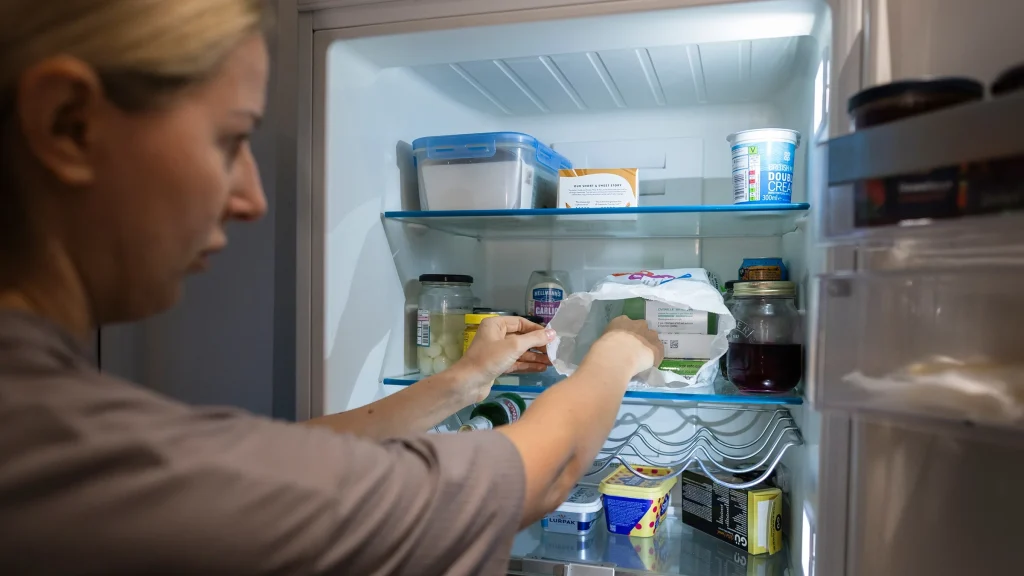
Are you wondering if your bottle of liquid azithromycin needs to be kept in the fridge? Getting this right is crucial because proper storage affects how well the medicine works for you.
If you store it the wrong way, you might not get the full benefit, or it could even spoil. You’ll discover exactly how to store liquid azithromycin safely, so you can take your medication with confidence and get better faster.
Keep reading to protect your health and make your treatment work as it should.
Storage Guidelines For Liquid Azithromycin
Proper storage of liquid azithromycin is essential to keep the medication effective and safe to use. You might wonder if it needs refrigeration or can be kept at room temperature. Understanding the right storage conditions helps avoid wasting medicine and ensures you get the full benefit of your treatment.
Recommended Temperature Range
Liquid azithromycin usually needs to be stored between 2°C and 8°C (36°F to 46°F). This range corresponds to typical refrigerator temperatures. Storing it outside this range can reduce the medicine’s potency or cause it to spoil.
However, some formulations may allow storage at room temperature for short periods. If you accidentally leave it out, check for changes in color, smell, or texture before using it again. Have you ever noticed medicine becoming cloudy or strange after improper storage?
Manufacturer Instructions
Always check the label or patient information leaflet that comes with your liquid azithromycin. Manufacturers provide specific storage instructions based on the formulation. Following these instructions is crucial because different brands or types might have varying requirements.
If instructions say to refrigerate, keep the bottle in the fridge right away after filling it. If the label allows room temperature storage, make sure the place is cool and dry, away from direct sunlight or heat sources. Ignoring these details can affect the medicine’s safety and effectiveness.
Impact Of Refrigeration On Effectiveness
When you pick up a bottle of liquid azithromycin from the pharmacy, you might wonder if it needs to be refrigerated to maintain its effectiveness. Understanding how refrigeration impacts this antibiotic can help you store it correctly and ensure it works as intended. Let’s delve into how temperature affects the stability and potency of liquid azithromycin.
Stability Without Refrigeration
Liquid azithromycin is generally formulated to remain stable at room temperature. This means that even if you don’t refrigerate it, the medication won’t necessarily degrade quickly. Most manufacturers design the drug to withstand typical household temperatures, so you can store it in a cool, dry place away from direct sunlight.
However, excessive heat or prolonged exposure to high temperatures might impact its stability. Think about where you store it in your home. Is it near a heat source? If so, relocating it could be wise.
Potential Changes In Potency
Refrigeration doesn’t usually enhance the potency of liquid azithromycin, but improper storage might reduce its effectiveness. If the medication becomes too warm or is exposed to fluctuating temperatures, its chemical structure could alter. This could lead to a less effective treatment.
Have you ever noticed how storing some medications incorrectly can lead to changes in color or consistency? Although liquid azithromycin is designed to be stable, it’s always a good idea to check for any unusual changes. If you spot something off, consult your pharmacist.
So, what steps can you take to ensure your liquid azithromycin remains effective? Always follow storage instructions on the label. If in doubt, your pharmacist is just a call away to clear up any confusion.
Common Mistakes In Storing Liquid Azithromycin
Storing liquid azithromycin correctly is crucial to maintain its effectiveness. Many people make avoidable mistakes that reduce the medication’s potency or even render it unsafe. Understanding these common errors can help you protect your medicine and ensure it works when you need it most.
Effects Of Freezing
Freezing liquid azithromycin can cause the medication to separate or change texture. This can make the dosage inconsistent, meaning you might not get the right amount of medicine in each dose. Have you ever noticed your syrup looking grainy or clumpy after being in the freezer?
Such changes can affect how well the medicine works. If your liquid azithromycin has been frozen, it’s best to check with your pharmacist before using it. Avoid placing it in the freezer to keep the medicine stable and effective.
Exposure To Heat And Light
Heat and light can break down the active ingredients in liquid azithromycin. Leaving the bottle on a sunny windowsill or near a heater might seem harmless, but it speeds up the medicine’s deterioration. Have you ever left a bottle of medicine on the kitchen counter and wondered if it’s still good?
To protect your medication, store it in a cool, dark place away from direct sunlight. Even brief exposure to heat can reduce its strength, so be mindful of where you keep it during daily use. Small changes like this can make a big difference in how well your treatment works.

Credit: www.goodrx.com
Tips For Proper Handling
Handling liquid azithromycin correctly ensures the medicine stays effective and safe for use. Simple steps like proper sealing and understanding how long you can keep the medication make a big difference. Paying attention to these details can save you from wasting medicine or risking your health.
Sealing And Container Care
Always close the bottle tightly after each use. This prevents air and moisture from spoiling the liquid. If the bottle has a child-resistant cap, make sure it clicks shut securely.
Keep the container in its original box to protect it from light. Light exposure can sometimes reduce the medicine’s strength. Also, avoid transferring the liquid to other containers, which may not seal as well or could contaminate the medicine.
Duration Before Disposal
Check the label or ask your pharmacist how long you can keep the liquid azithromycin once opened. Usually, it’s best to use it within 7 to 14 days. After this period, the medicine may lose its potency or become unsafe.
If the liquid changes color, texture, or smells unusual, do not use it. Even if the expiry date has not passed, these signs indicate it’s time to dispose of the medication. Have you ever noticed a medicine looking different and wondered if it’s still good? Trust your senses and discard any suspicious liquid promptly.
When To Consult A Pharmacist
Knowing when to ask a pharmacist about liquid azithromycin is important. Proper storage affects the medicine’s strength and safety. Some signs or doubts need expert advice to avoid risks. Pharmacists have the right knowledge to help with these questions.
Signs Of Spoiled Medication
Check the medicine before use. Changes in color or smell can mean spoilage. A cloudy or separated liquid also signals a problem. If the taste is unusual or bitter, do not use it. Using spoiled medicine may cause harm or reduce effectiveness.
Clarifying Storage Doubts
Ask a pharmacist if unsure about refrigeration. Some liquid azithromycin types need cold storage. Others can stay at room temperature. The pharmacist can explain the best way to keep the medicine safe. Clear storage instructions help maintain the medicine’s quality and power.

Credit: www.platinumrx.in

Credit: www.goodrx.com
Frequently Asked Questions
Does Liquid Azithromycin Require Refrigeration After Opening?
Liquid azithromycin usually needs refrigeration after opening to maintain its effectiveness. Always check the label or ask your pharmacist for specific storage instructions.
Can Liquid Azithromycin Be Stored At Room Temperature?
Unopened liquid azithromycin can often be stored at room temperature. Once opened, refrigeration is typically recommended to preserve its potency.
How Long Can Liquid Azithromycin Stay Refrigerated?
Liquid azithromycin can usually be refrigerated for up to 10 days after opening. Discard any unused medication after this period to ensure safety.
What Happens If Liquid Azithromycin Is Not Refrigerated?
Not refrigerating liquid azithromycin may reduce its effectiveness and shelf life. Improper storage can lead to medication spoilage and treatment failure.
Conclusion
Liquid azithromycin usually does not need refrigeration. Keep it in a cool, dry place away from sunlight. Always check the label or ask your pharmacist for storage instructions. Proper storage helps the medicine stay effective and safe. Avoid extreme heat or freezing temperatures.
Store it where children cannot reach. Taking care of your medicine ensures better healing. Simple steps make a big difference. Stay informed and follow the guidelines given with your prescription.