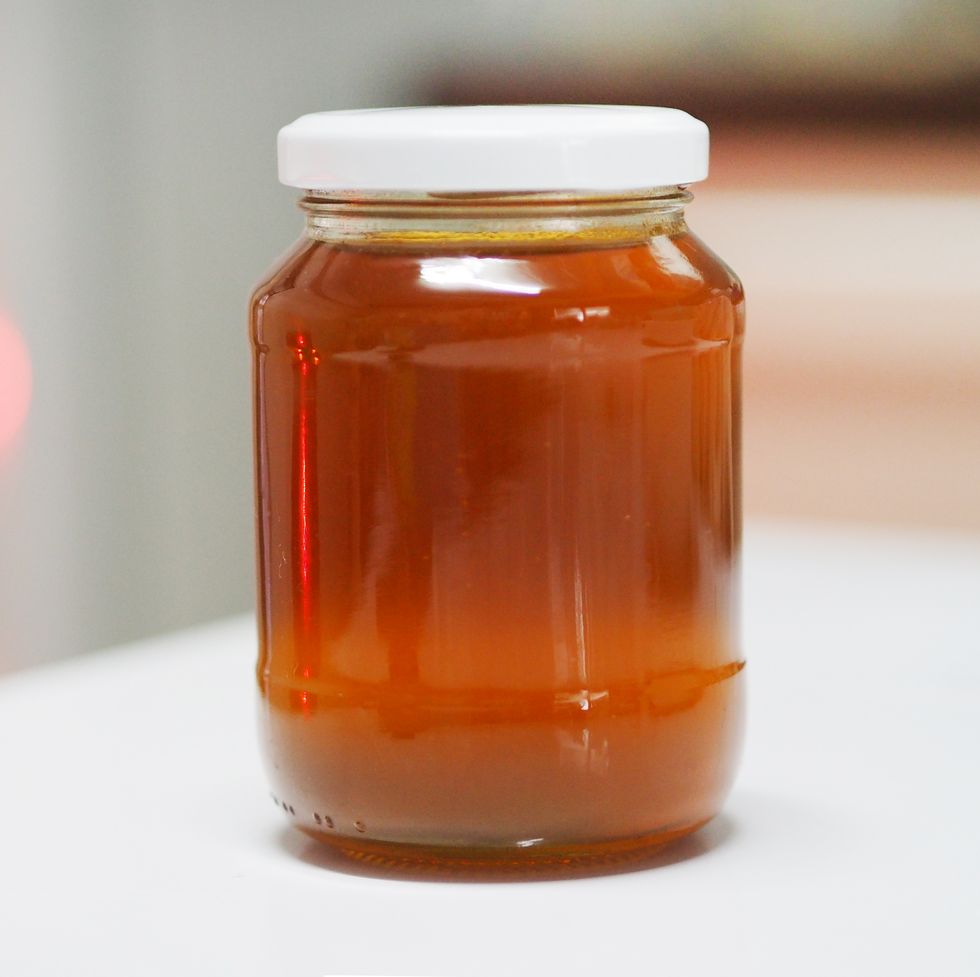
Have you ever wondered if you need to put honey in the fridge after opening it? You might be unsure whether leaving it on the counter could spoil it or make it unsafe.
Honey is a kitchen staple, but its storage can be confusing. What if you’re doing it wrong and wasting your honey without even knowing? Keep reading, and you’ll discover the simple truth about honey storage that can save you money and keep your honey fresh for longer.
Don’t let this common kitchen question go unanswered!

Credit: www.thepioneerwoman.com
Honey Storage Basics
Understanding how to store honey properly can save you from unexpected changes in taste and texture. Honey is unique compared to other pantry staples because it rarely spoils. But the way you keep it after opening can affect its quality and usability over time.
Shelf Life Of Honey
Honey has an impressively long shelf life due to its natural composition. It contains very little water and is acidic, which prevents most bacteria and molds from growing.
Unopened honey can last for years without any issues. Once opened, it can still remain good for months or even years if stored correctly.
Have you noticed crystallized honey in your jar? That’s a natural process and doesn’t mean your honey is bad. Simply warming it gently can bring it back to its liquid state.
Common Storage Practices
Many people wonder if honey needs refrigeration after opening. The truth is, refrigeration is not necessary and can actually cause honey to crystallize faster.
Keep your honey in a cool, dry place away from direct sunlight. A kitchen pantry or cupboard works perfectly.
Use a tightly sealed container to prevent moisture from getting in. Moisture can cause fermentation, which spoils honey.
- Store honey at room temperature (between 64-75°F or 18-24°C).
- Avoid storing honey near heat sources like ovens or stoves.
- Make sure the lid is always closed tightly after use.
Have you tried storing honey in the fridge and noticed it turning grainy? Try keeping it at room temperature next time and see the difference yourself.
Does Honey Need Refrigeration?
Honey is often seen as a pantry staple, a natural sweetener that never spoils. You might wonder, does honey need refrigeration? While it’s tempting to store it alongside other condiments in the fridge, is it really necessary? Let’s dive into the science and expert recommendations to find out.
Impact Of Temperature On Honey
Temperature plays a crucial role in the texture and longevity of honey. Refrigerating honey can cause it to crystallize faster. This doesn’t mean it’s gone bad, but it can become thicker and harder to spread.
On the other hand, storing honey at room temperature ensures it remains smooth and easy to use. A warm kitchen shelf is often the best spot. However, extreme heat can degrade its quality, so avoid placing it near the stove or in direct sunlight.
Expert Recommendations
Most experts agree that honey should be stored in a cool, dry place. Refrigeration isn’t required and might alter its texture. Instead, keep it in a tightly sealed container at room temperature.
Some beekeepers even suggest using a glass jar for storage. This helps preserve the honey’s natural flavor and aroma. If you notice crystallization, gently warming the jar in hot water can restore its original state.
Have you ever found crystallized honey in your pantry and wondered if it was safe to eat? Rest assured, it’s perfectly fine and just requires a little warming. Do you refrigerate your honey, or let it sit proudly on your kitchen shelf? Share your thoughts below!
Effects Of Refrigerating Honey
Refrigerating honey can change its natural state in ways you might not expect. Understanding these effects helps you decide if storing honey in the fridge is right for you. Let’s look closely at what happens when honey meets cold temperatures.
Crystallization Process
Honey naturally contains sugars like glucose and fructose. When honey is refrigerated, the cold causes glucose to separate from the water and form crystals. This makes your honey look grainy or solid rather than smooth and runny.
Crystallization doesn’t mean your honey has gone bad. In fact, many people prefer crystallized honey for spreading on toast. If you want to return it to liquid form, gently warming the jar in warm water will dissolve the crystals without damaging the honey.
Texture And Flavor Changes
Cold temperatures can thicken honey, making it harder to pour or spoon out. You might notice a change in texture that feels different from the honey you’re used to. This change is purely physical and doesn’t affect the honey’s safety.
Some users report that refrigeration dulls the flavor slightly. Honey’s aroma and subtle floral notes may become less intense when chilled. If you enjoy honey’s full flavor, keeping it at room temperature might be better.
Have you ever tasted honey straight from the fridge and found it less sweet or aromatic? This is a common experience that can influence how you use honey in your cooking or drinks.
Best Ways To Store Honey
Storing honey properly helps keep its taste and texture for a long time. Honey does not spoil easily. But the right storage stops it from hardening or fermenting. Follow simple tips to keep honey fresh and easy to use.
Ideal Containers
Use airtight containers to store honey. Glass jars work best because they do not react with honey. Plastic containers can be used but choose food-grade types. Avoid metal containers as they may cause oxidation.
Containers should have tight lids. This stops moisture from entering. Moisture can cause honey to ferment or spoil. Clean containers before filling with honey. This avoids contamination and keeps honey pure.
Optimal Storage Conditions
Store honey in a cool, dry place. Room temperature between 50°F and 70°F (10°C to 21°C) is ideal. Avoid direct sunlight which can change honey’s color and flavor.
Do not refrigerate honey. Cold temperatures cause honey to crystallize faster. Crystallized honey is safe but harder to use. If honey hardens, warm the jar gently in warm water.
Signs Of Spoiled Honey
Honey is known for its long shelf life, but it can spoil under certain conditions. Knowing the signs of spoiled honey helps avoid using bad honey. Spoiled honey changes in appearance, smell, and taste. These changes show that the honey is no longer safe to eat.
Visual Indicators
- Cloudiness or unusual thickening
- Foam or bubbles on the surface
- Dark spots or mold growth
- Separation of liquid and solid layers
Smell And Taste Changes
- Sour or fermented smell
- Bitter or off taste
- Loss of the usual sweet aroma
- Unpleasant aftertaste

Credit: everafterinthewoods.com
Tips To Maintain Honey Quality
Keeping your honey fresh and tasty after opening is easier than you might think. A few simple habits can protect its natural flavor and texture. Let’s look at some practical tips to maintain honey quality so you enjoy every spoonful.
Avoiding Moisture Contamination
Moisture is honey’s biggest enemy. Even a tiny drop of water can cause fermentation and spoil the honey’s texture. Always use dry utensils when scooping honey to keep moisture out.
Think about how you handle honey during cooking. Do you dip a wet spoon back into the jar? This small habit might invite moisture. Instead, use a clean, dry spoon or a honey dipper and avoid double-dipping.
Storing honey in a tightly sealed container also prevents humid air from sneaking in. Have you noticed your honey getting cloudy or bubbling? That’s often due to unwanted moisture. Keep moisture away to keep honey smooth and clear.
Proper Handling Techniques
Handling honey properly means more than just keeping moisture out. Temperature plays a key role. Avoid exposing honey to extreme heat or cold, as this can change its flavor and cause crystallization.
When you open the jar, keep the lid closed tightly after each use. This limits exposure to air and potential contaminants. Have you ever found bits of food or dirt in your honey? That’s a sign to be more careful with handling.
Also, avoid storing honey near strong-smelling foods. Honey easily absorbs odors, which can ruin its delicate taste. A cool, dark pantry spot is ideal. How often do you check where your honey is kept?

Credit: www.thepioneerwoman.com
Frequently Asked Questions
Do You Need To Refrigerate Honey After Opening?
No, honey does not require refrigeration after opening. It naturally resists bacteria and spoilage due to its low moisture and high acidity.
How Should Honey Be Stored Once Opened?
Store honey in a cool, dry place away from direct sunlight. Use a tightly sealed container to maintain its quality.
Can Honey Crystallize If Not Refrigerated?
Yes, honey can crystallize at room temperature. Crystallization is natural and does not spoil honey. Simply warm it gently to restore.
Does Refrigeration Affect Honey’s Taste Or Texture?
Refrigeration can make honey thicker and harder to pour. It may alter texture but rarely affects the taste significantly.
Conclusion
Honey stays fresh best at room temperature after opening. Refrigeration can make it hard and cloudy. Keep honey in a dry, cool place with the lid tight. This stops moisture and keeps bugs away. Honey lasts a long time because of its natural sugars.
You don’t need to worry about it spoiling quickly. Just store it properly, and enjoy its sweet taste whenever you want. Simple care keeps honey good and ready to use every day.