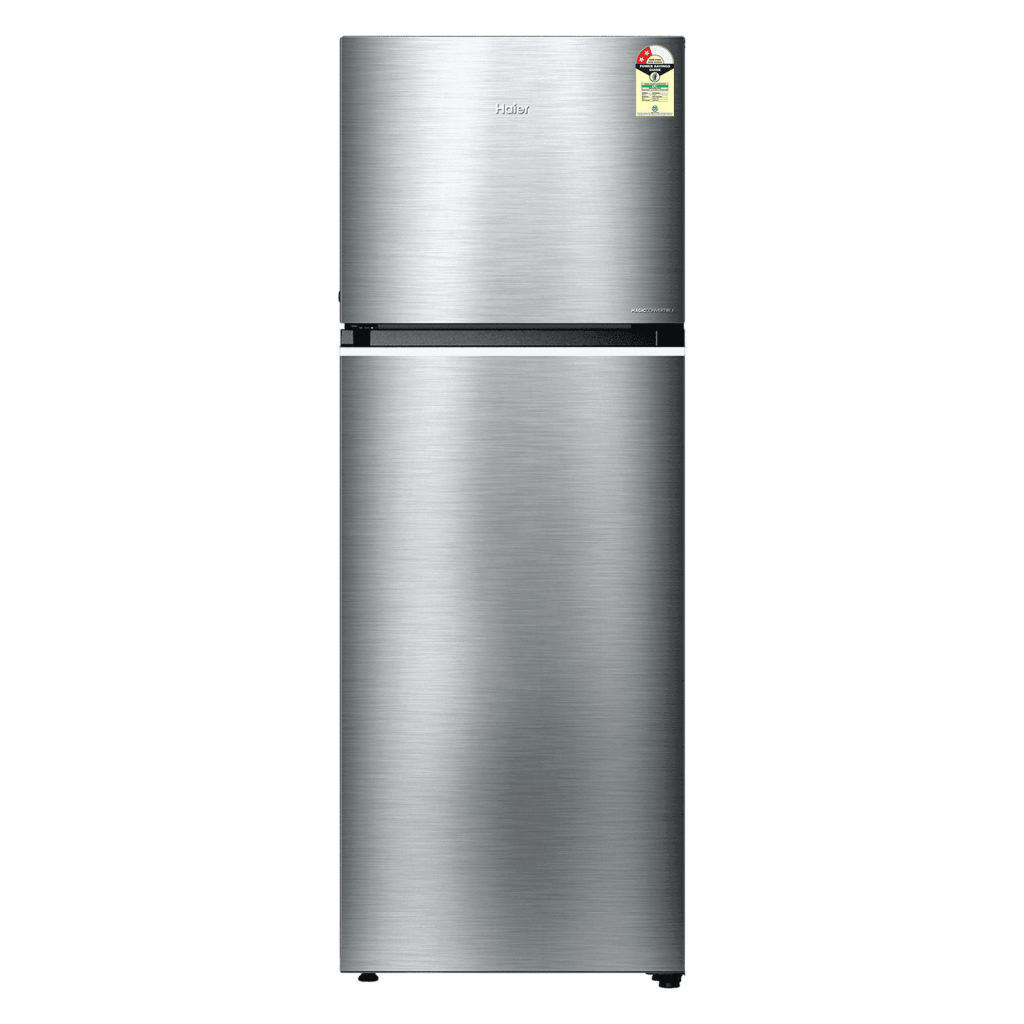
Have you ever wondered if your freezer can double as a refrigerator when you’re short on space? It’s a question many people ask, especially when they need extra room to store fresh food.
Using a freezer as a fridge might seem like a simple solution, but there’s more to it than just adjusting the temperature. What you don’t know could affect your food’s freshness and safety. Keep reading to discover how your freezer works, whether it can really replace your fridge, and what you need to watch out for to keep your food fresh and your kitchen running smoothly.
Freezer Vs Refrigerator
Freezers and refrigerators serve different purposes in the kitchen. Both keep food fresh but at distinct temperatures. Understanding their differences helps decide if a freezer can act as a refrigerator.
Key Differences In Temperature
Freezers maintain temperatures below 0°F (-18°C). This temperature keeps food frozen solid for long periods. Refrigerators keep food cool, usually between 35°F and 38°F (1.7°C to 3.3°C). This range slows down bacteria growth but does not freeze food.
Design And Functionality
Freezers are designed to keep items frozen. They have thicker insulation and stronger seals. Refrigerators have shelves and compartments for fresh and perishable foods. They often include humidity controls for fruits and vegetables. Freezers usually lack these features because they focus on freezing only.
Energy Consumption Comparison
Freezers use more energy to maintain colder temperatures. Refrigerators consume less power as they operate at higher temperatures. Running a freezer as a refrigerator may increase electricity bills. The appliance works harder to maintain a non-standard temperature.
Credit: www.whirlpool.com
Using Freezer As Refrigerator
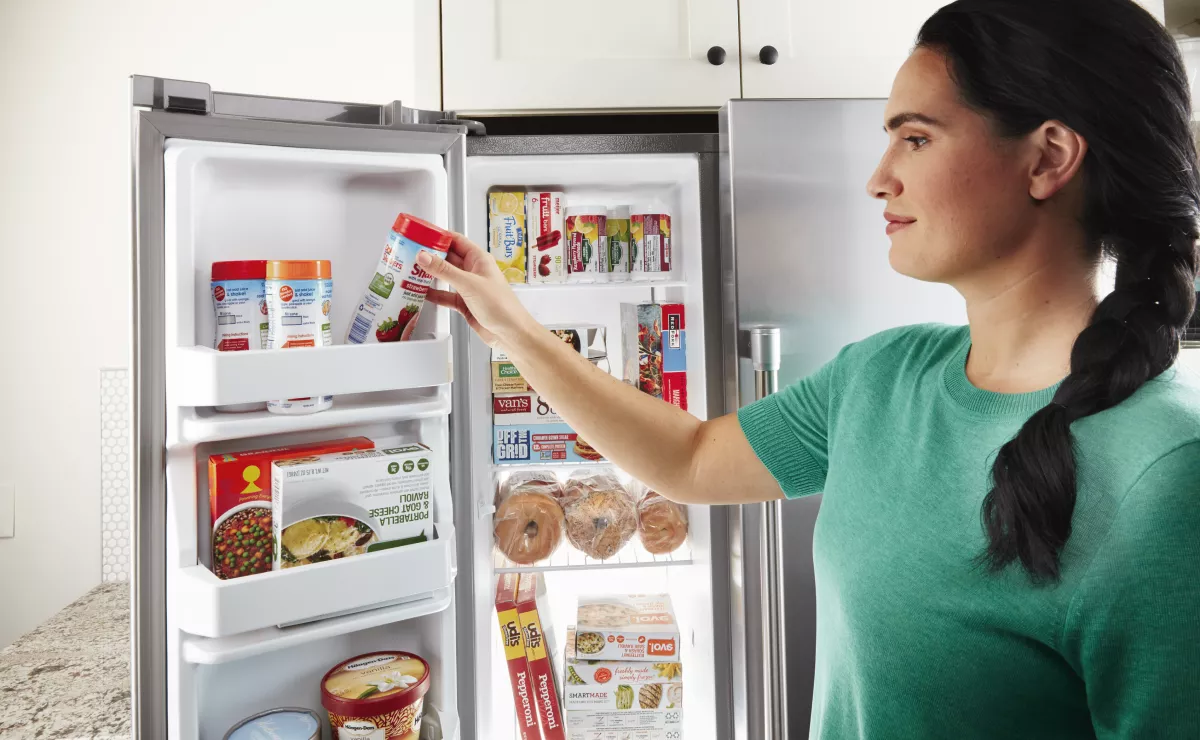
Freezers can sometimes be used as refrigerators by adjusting the temperature settings. This change helps keep food cool without freezing. It’s a useful trick when a fridge is not available.
Using a freezer as a refrigerator can be a practical solution. It is a cost-effective way to store food at higher temperatures. This option is ideal for those with limited space or resources. Transforming a freezer into a refrigerator requires some adjustments. Let’s explore how this can be achieved efficiently.Possible Or Not?
Converting a freezer to a refrigerator is possible. The main difference lies in the temperature settings. Freezers are designed to maintain much colder temperatures. Adjusting these settings can make it function like a refrigerator. This process involves careful monitoring to avoid spoilage.Adjusting Temperature Settings
To use a freezer as a refrigerator, adjust the thermostat. Set it to a higher temperature than usual. Aim for a range between 32°F and 40°F. This range is suitable for most perishable items. Use a thermometer to ensure accuracy. Consistent checking helps maintain the desired temperature. Some freezers may have digital controls. These make adjustments straightforward.Types Of Freezers Suitable
Not all freezers are ideal for conversion. Upright freezers are easier to convert. They have adjustable shelves and better air circulation. Chest freezers can also work, but require more space. They might need additional fans to circulate air. Choose a model with a reliable thermostat. This ensures stable temperatures. Energy-efficient models are preferable. They consume less power when converted.Benefits Of Using Freezer As Refrigerator
Using a freezer as a refrigerator offers practical benefits in many home settings. This approach can help save money, better use available space, and even improve energy use. Understanding these benefits helps in deciding if a freezer can serve as a good refrigerator substitute.
Cost Savings
Freezers often cost less than refrigerators of the same size. They also use simple cooling systems that last longer. This means fewer repair costs over time. Buying one appliance instead of two lowers overall expenses. Energy bills may drop if the freezer runs efficiently on low settings.
Space Optimization
Freezers can hold large items and stack food neatly. Their design allows for better organization of bulky goods. Using a freezer as a fridge frees up other kitchen space. This is ideal for small homes or apartments. It creates room for other appliances or storage needs.
Energy Efficiency Potential
Freezers keep food cold with minimal temperature swings. This stable environment can use less energy than some refrigerators. Setting the freezer to a higher temperature saves power. It also reduces wear on the compressor. Proper use can make a freezer an energy-wise choice for refrigeration.
Risks And Challenges
Using a freezer as a refrigerator might seem like a clever hack, but it comes with its own set of risks and challenges. Understanding these pitfalls can help you avoid food spoilage, damage to your appliance, and other headaches.
Food Safety Concerns
Freezers are designed to keep food frozen solid, not just cool. When you lower the temperature or adjust settings to use it as a fridge, you risk creating uneven temperatures inside.
This can lead to food sitting in the “danger zone” (40°F to 140°F), where bacteria multiply quickly. Have you ever noticed your milk or vegetables spoiling faster in an unconventional fridge setup? That’s the risk you face here.
Appliance Wear And Tear
Freezers run differently than refrigerators. Using a freezer as a fridge forces the compressor and cooling system to work outside their intended design.
This extra strain can wear down parts faster, leading to costly repairs or a shorter appliance lifespan. Ask yourself—do you want to save money now but risk paying more later?
Humidity And Frost Issues
Freezers are built to minimize humidity and frost by maintaining very low temperatures. When set to fridge mode, humidity levels rise inside the compartment.
This increased moisture can cause frost buildup in odd places, making it harder to maintain a stable temperature. You might find yourself defrosting more often or dealing with soggy food packaging.
Practical Tips For Conversion
Turning a freezer into a refrigerator can save space and money. It takes a few simple adjustments to make the change work well. Knowing how to control temperature, check food freshness, and maintain the appliance is key. These tips help keep your food safe and your converted freezer running smoothly.
Temperature Control Hacks
Freezers run colder than refrigerators. Adjust the thermostat to a higher temperature setting. Aim for 35°F to 40°F (1.6°C to 4.4°C) for fridge-like conditions. Use a separate appliance thermometer to track the exact temperature inside. Avoid opening the door too often to keep the temperature steady. Place a small fan inside to circulate cold air evenly.
Monitoring Food Freshness
Check food regularly for signs of spoilage. Store fresh produce in sealed containers to extend life. Label leftovers with the date to avoid confusion. Use clear bins to organize items and spot older foods easily. Avoid overcrowding to allow air to flow around the food. Keep raw meats on the bottom shelf to prevent drips.
Maintenance Advice
Clean the appliance regularly to prevent odors and bacteria. Defrost the freezer if ice builds up more than a quarter-inch thick. Check door seals often to ensure they close tightly. Replace worn-out gaskets to maintain proper temperature. Keep the coils clean and dust-free for better efficiency. Place the unit away from heat sources for optimal cooling.

Credit: www.amazon.com
When Not To Use Freezer As Refrigerator
Using a freezer as a refrigerator might seem like a clever hack, but it’s not always the right choice. There are clear situations when this swap can cause more trouble than convenience. Knowing when not to use a freezer as a refrigerator can save your food, your appliance, and your peace of mind.
Limitations In Capacity
Freezers are designed to store food at much lower temperatures, so their internal layout is different from refrigerators. Shelves tend to be smaller and less adjustable, limiting the types of containers and items you can store.
If you try to fit large fruits, vegetables, or bottles, you might find there’s just not enough space or the shape won’t accommodate them well. Overcrowding can block air vents, reducing cooling efficiency and leading to uneven temperatures.
Unsuitable Food Storage
Not all foods react well to freezer temperatures set higher for refrigeration. Fresh produce like leafy greens, tomatoes, and cucumbers can wilt or freeze, ruining their texture and taste.
Dairy products and eggs also need stable, slightly warmer temperatures than a freezer provides. Storing these in a freezer set as a fridge can cause them to spoil faster or develop unwanted textures.
Potential Warranty Voids
Using a freezer contrary to its intended purpose can void your appliance’s warranty. Manufacturers design and test freezers to operate within certain parameters, and changing those can cause damage.
If your freezer stops working properly after being used as a refrigerator, repairs might not be covered. You risk paying out of pocket for issues caused by improper use.
Credit: www.whirlpool.com
Frequently Asked Questions
Can A Freezer Replace A Refrigerator For Daily Use?
A freezer can temporarily store fresh food but is not ideal as a daily refrigerator. It lacks proper temperature control for fresh items and uses more energy.
What Happens If You Use A Freezer As A Fridge?
Using a freezer as a fridge can cause improper cooling. Food may freeze unevenly or spoil due to inconsistent temperatures.
Can A Freezer Keep Fruits And Vegetables Fresh?
Freezers freeze fruits and vegetables, preserving them longer but altering texture. They are not suitable for fresh produce storage like refrigerators.
Is It Energy Efficient To Use A Freezer As A Fridge?
Freezers consume more energy than refrigerators when used to store fresh food. This leads to higher electricity bills and inefficiency.
Conclusion
A freezer can work as a refrigerator for some time. It keeps food cold but may freeze items. Using it this way may waste energy and cause damage. Freezers and refrigerators have different designs for specific needs. For daily use, a refrigerator fits better.
Think about your food and how long you need to store it. Choose the right appliance to keep food fresh and safe. Simple steps help you save energy and money too.