
Have you ever wondered if the water and air inside your refrigerator are as clean as they should be? Changing your refrigerator filter might seem like a small task, but it plays a huge role in keeping your food fresh and your water tasting great.
If you wait too long, harmful particles can build up, affecting the quality of what you consume every day. You’re about to discover exactly how often you should change that filter to protect your health and save money in the long run.
Keep reading, because this simple habit can make a bigger difference than you think.
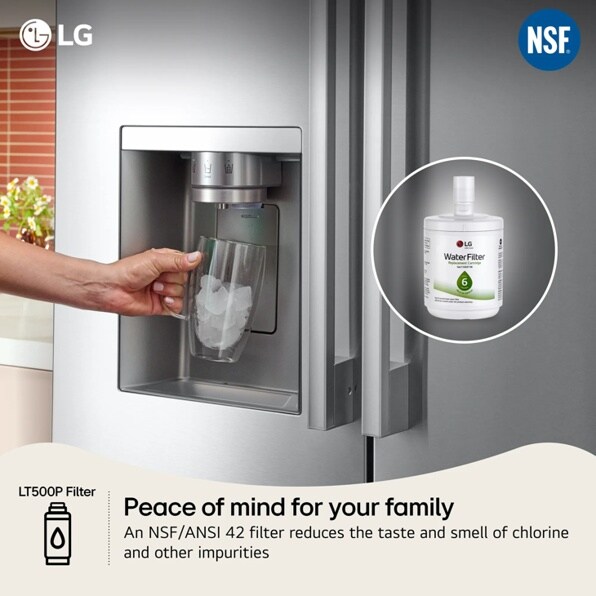
Credit: www.lg.com
Importance Of Refrigerator Filters
Refrigerator filters play a vital role in keeping your water and ice clean. They trap impurities, ensuring what you drink is safe. Changing the filter regularly maintains this protection. A dirty filter can cause health risks and reduce the quality of water. It also affects how well your refrigerator works.
Role In Water Quality
Filters remove chlorine, sediment, and odors from water. They catch tiny particles that can affect taste and safety. Clean filters help prevent bacteria and contaminants from entering your drinking water. This keeps water fresh and healthy for your family.
Impact On Appliance Performance
A clogged filter makes your refrigerator work harder. It slows water flow and may cause leaks or ice buildup. Clean filters improve water flow and ice production. They help the appliance run efficiently and last longer. Regular filter changes save money on repairs and energy bills.
Signs You Need To Change The Filter
Recognizing the signs that your refrigerator filter needs changing helps maintain clean water and fresh taste. Filters trap impurities and wear out over time. Changing the filter at the right time prevents bad taste, odors, and poor water flow. Pay attention to these common signals.
Taste And Odor Changes
Water may taste flat or strange when the filter is old. Unpleasant odors can develop in water or ice. These changes mean the filter no longer cleans effectively. Fresh, clear water should always taste neutral and smell clean.
Water Flow Reduction
Slow water flow from the dispenser signals a clogged filter. The filter traps particles that build up and block water. Reduced flow can also cause ice maker problems. A new filter restores normal water speed and performance.
Filter Indicator Alerts
Many refrigerators have filter indicator lights or alarms. These alerts turn on after a set time or water volume. They remind users to replace the filter promptly. Ignoring these signals can lead to poor water quality.
Recommended Replacement Frequency
Knowing how often to change your refrigerator filter is key to maintaining clean water and fresh ice. The recommended replacement frequency depends on several factors, including the manufacturer’s advice and your household’s specific conditions. Paying attention to these can save you from unexpected problems and keep your water tasting great.
Manufacturer Guidelines
Most refrigerator brands suggest changing the filter every 6 months. This timeline is based on average water usage and typical filter capacity. However, some models might recommend a shorter or longer interval, so checking your user manual is essential.
Ignoring these guidelines can lead to clogged filters and reduced water flow. Manufacturers design filters to trap contaminants effectively for a limited time, so sticking to their schedule ensures optimal performance. Have you checked your manual recently to see the exact recommendation?
Usage And Water Quality Factors
Your water consumption directly affects how quickly the filter clogs. A larger family or frequent use of water and ice means the filter works harder and needs replacing sooner. It’s a good idea to monitor the filter’s condition if your household uses more water than average.
Water quality also plays a big role. If your tap water contains more impurities, the filter will fill up faster. For example, hard water or water with high sediment levels can shorten filter life. Have you noticed a change in your water taste or flow? That might be a sign to replace the filter earlier than planned.
How To Change Your Refrigerator Filter
Refrigerator filters should be changed every six months to keep water clean and tasting fresh. Check your filter regularly for signs of clogging or reduced water flow. Replacing the filter on time helps maintain your fridge’s performance and your health.
Changing the refrigerator filter is essential for clean water and ice. It ensures your refrigerator works efficiently and keeps your drinks fresh. Regular filter changes help maintain the appliance’s overall performance. Here’s how to change your refrigerator filter effectively.Locating The Filter
The filter is often inside the refrigerator. Look in the upper right corner or behind the grille. Some models have the filter at the bottom front. Check your refrigerator’s manual for exact placement. Knowing where it is saves time and effort.Step-by-step Replacement Process
Follow these simple steps to change the filter: 1. Turn off the water supply. This prevents leaks. 2. Remove the old filter. Twist counterclockwise or pull it out, depending on the model. 3. Install the new filter. Insert it and twist clockwise until it’s secure. 4. Turn the water supply back on. Check for any leaks. 5. Run water through the dispenser for a few minutes. This clears any air or impurities.Disposal Of Old Filters
Dispose of the old filter responsibly. Check if it’s recyclable. Some manufacturers have recycling programs. You might need to check local recycling rules. Proper disposal helps protect the environment.Benefits Of Timely Filter Changes
Changing the filter in your refrigerator on time brings a range of benefits that go beyond just cleaner water. It plays a crucial role in maintaining your health, protecting your appliance, and saving you money. Let’s look at why you shouldn’t ignore this simple task.
Health And Safety
Your refrigerator filter traps contaminants like bacteria, chlorine, and sediment from your water supply. When the filter gets clogged or old, these harmful particles can slip through, affecting your drinking water quality.
Imagine serving your family water that tastes off or worse, contains unseen pollutants. Timely filter changes ensure you always get fresh, safe water, reducing the risk of waterborne illnesses.
Extending Refrigerator Life
A clogged filter forces your refrigerator’s water system to work harder. This extra strain can cause wear and tear on parts like the water pump and ice maker.
Replacing the filter regularly helps your fridge run smoothly and prevents costly repairs. Think of it as giving your appliance a small tune-up that adds years to its lifespan.
Cost Savings
Neglecting filter changes can lead to bigger problems that cost more to fix. Dirty filters may result in poor water flow, ice buildup, or even leaks, which all add up to repair bills.
By changing the filter on schedule, you avoid these expenses and keep your fridge efficient. Plus, clean filters use less energy, which can lower your electricity bill over time.

Credit: www.homedepot.com
Choosing The Right Replacement Filter
Choosing the right replacement filter for your refrigerator is more important than you might think. It directly affects the quality of your water and ice, as well as the lifespan of your appliance. Picking a filter that fits perfectly and meets your specific needs helps avoid costly mistakes and ensures you always enjoy fresh, clean water.
Compatibility With Models
Not all filters fit every refrigerator. You need to check your fridge’s make and model before buying a replacement. Using the wrong filter can cause leaks or poor filtration.
Look for the model number inside your fridge or on the manual. Then, match it exactly with the filter specifications. Some brands offer universal filters, but these don’t always perform as well as the exact match.
Have you ever bought a filter that didn’t fit? It’s frustrating and wastes money. Avoid this by double-checking compatibility first.
Filter Types And Features
Filters come in various types, each designed to remove different contaminants. Some focus on chlorine taste and odor, while others target lead, bacteria, or even pharmaceuticals.
- Carbon filters:Great for improving taste and removing chlorine.
- HEPA filters:Target microscopic particles and bacteria.
- Activated alumina:Effective against fluoride and arsenic.
Think about what matters most to you—taste, health, or specific water quality issues. Also, check if the filter has certifications like NSF/ANSI, which prove it meets industry standards.
Choosing a filter with extra features like longer lifespan or quick installation can save you time and hassle. What features would make your daily life easier?
Maintaining Your Refrigerator Filter
Maintaining your refrigerator filter is key to keeping water fresh and tasting good. A clean filter stops dirt and impurities from entering your water supply. Regular care helps your fridge work better and last longer. It also protects your health by ensuring clean drinking water.
Regular Checks
Check your filter every month. Look for signs like slower water flow or strange taste. Also, check the filter’s expiration date. Replace the filter if it looks dirty or clogged. Keeping a schedule helps avoid surprises.
Cleaning Tips
Clean the area around the filter when you replace it. Use a soft cloth and mild soap. Avoid harsh chemicals that can damage parts. Dry the area well before installing the new filter. This prevents mold and keeps your fridge fresh.

Credit: www.searshomeservices.com
Frequently Asked Questions
How Often Should Refrigerator Filters Be Changed?
Refrigerator filters should be changed every 6 months. This ensures clean water and optimal appliance performance. Check your model’s manual for specific guidance.
What Happens If You Don’t Change The Filter?
Not changing the filter can reduce water quality. It may cause bad taste and odors. Also, it can clog the system and reduce efficiency.
How Do I Know When To Change The Filter?
Most refrigerators have an indicator light that signals filter replacement. You can also track time manually. Replace the filter every six months for best results.
Can I Use Any Filter For My Refrigerator?
No, always use filters compatible with your refrigerator model. Using the wrong filter can cause leaks and damage. Check the manufacturer’s recommendations before purchase.
Conclusion
Changing your refrigerator filter regularly keeps water clean and fresh. Most filters need replacement every six months. Some models may require more or less frequent changes. Check your fridge manual for exact advice. Clean filters help remove bad taste and odors.
They also protect your appliance from damage. Don’t wait for problems to appear. Stay ahead by setting a reminder. Simple care improves health and saves money. Small steps make a big difference in your home. Keep your fridge working well with timely filter changes.