If you’re a parent who uses expressed breast milk, you might wonder, “Can I refrigerate breast milk that has been warmed?” It’s a common question because you want to keep your baby’s milk safe and fresh. Making the right choice can protect your baby’s health and save you time.
You’ll discover the best way to handle warmed breast milk, so you feel confident every time you feed your little one. Keep reading to learn the simple rules that can make a big difference for you and your baby.
Safe Handling Of Breast Milk
Handling breast milk safely ensures your baby gets the best nutrition without risks. Proper storage and warming keep milk fresh and free from harmful bacteria. Understanding these steps helps maintain the milk’s quality and your baby’s health.
Initial Storage Guidelines
Store freshly expressed breast milk in clean containers. Use glass or BPA-free plastic bottles with tight lids. Label each container with the date and time of expression.
Keep milk in the back of the refrigerator or freezer. Avoid storing milk in the door, where temperature changes occur.
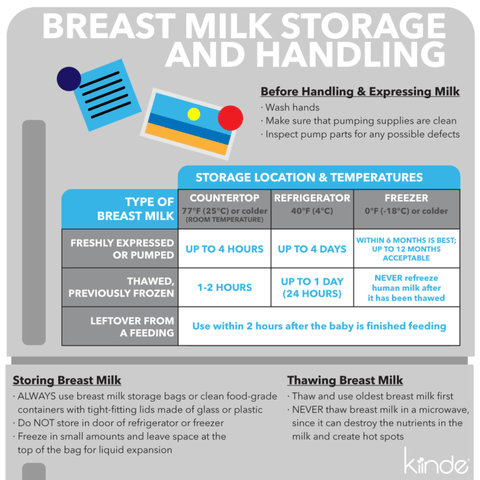
- Room temperature: Use within 4 hours
- Refrigerator (at 4°C or 39°F): Store up to 4 days
- Freezer (at -18°C or 0°F): Store up to 6 months
Warming Methods
Warm breast milk gently to preserve nutrients. Avoid microwaving as it creates hot spots and destroys nutrients.
Use warm water in a bowl or bottle warmer to heat milk slowly. Swirl the bottle gently to mix milk evenly.
Check the temperature by placing a few drops on your wrist. It should feel warm, not hot.
Credit: www.cafeoflifesandiego.com
Refrigerating Warmed Breast Milk
Breast milk that has been warmed should not be refrigerated again. Bacteria can grow if milk is cooled and warmed multiple times. Use warmed milk within two hours to keep your baby safe.
Refrigerating warmed breast milk is a topic that often leaves parents scratching their heads. You’re not alone if you’ve ever wondered if it’s safe to pop that bottle back in the fridge after your baby has had their fill. This question is crucial for ensuring your baby gets the best nutrition and stays safe.Risks Involved
Refrigerating breast milk that has already been warmed can pose certain risks. Once milk is warmed, bacteria can start to grow, which could be harmful if the milk is reused. These risks make it vital to handle and store breast milk with care. How often do you think about the milk’s exposure to room temperature? The more it’s exposed, the higher the risk of contamination. This is why experts suggest being cautious and mindful.Expert Recommendations
Experts generally advise against refrigerating breast milk that has already been warmed. The primary reason is the potential for bacterial growth, which can compromise the milk’s safety. However, if you do need to store it, aim to use it within two hours. This timeframe minimizes the risk while allowing some flexibility. Consider maintaining a supply of smaller milk portions. This strategy helps reduce waste and ensures your baby always has fresh milk ready. Have you thought about portioning milk into smaller bottles? It’s a simple change that can make a big difference.Time Limits For Warmed Milk
Knowing how long you can keep warmed breast milk is crucial for your baby’s safety and health. Once breast milk has been warmed, bacteria can start to grow more quickly, so time limits become stricter. Understanding these limits helps you avoid wasting milk while ensuring your baby gets fresh, safe nourishment.
How Long To Keep
You should use warmed breast milk within 2 hours. After warming, breast milk should never be refrigerated again or rewarmed. This rule helps prevent harmful bacteria from multiplying.
Have you ever wondered why you can’t just pop warmed milk back into the fridge? It’s because cooling and reheating repeatedly create a perfect environment for bacteria growth. So, if your baby doesn’t finish the warmed milk within 2 hours, it’s safer to discard it.
Signs Of Spoilage
Sometimes, you might question if the milk is still good to use. Spoiled breast milk often smells sour or rancid rather than sweet or neutral. You may also notice a change in color or texture, like clumping or separation that doesn’t mix back when shaken.
Trust your senses—if the milk looks or smells off, don’t risk feeding it to your baby. Your baby’s health is worth being cautious about, even if it means wasting a little milk. Have you ever had to toss milk because it smelled strange? It’s a tough but important part of safe feeding.

Credit: www.reddit.com
Best Practices For Breast Milk Storage
Storing breast milk safely keeps it fresh and healthy for your baby. Proper storage helps keep nutrients and prevents bacteria growth. Follow simple rules to store breast milk correctly. These tips help you use milk safely and avoid waste.
Labeling And Tracking
Always label breast milk with the date and time of expression. Use waterproof markers or labels for clarity. Write the child’s name if storing milk in shared spaces. This helps use the oldest milk first. Track how long the milk has been stored. This prevents using expired milk. Keep a log or use storage bags with built-in date fields.
Avoiding Contamination
Wash hands thoroughly before handling breast milk. Use clean bottles and storage containers each time. Avoid touching the inside of lids or containers. Store milk in small portions to reduce waste. Never mix fresh milk with already cooled or frozen milk. Thawed milk should be used within 24 hours. Discard any milk left after feeding to avoid bacteria.
Alternatives To Refrigerating Warmed Milk
If you’ve warmed breast milk and wonder whether to refrigerate it again, you might want to consider some smart alternatives. Refrigerating milk that has been warmed isn’t always safe, as it can promote bacterial growth. So, what other options do you have to keep your baby fed safely and conveniently?
Using Fresh Milk
Using fresh breast milk is often the safest choice. Instead of reheating and refrigerating warmed milk, prepare only what your baby needs at each feeding. This avoids the risks of bacterial growth associated with repeatedly warming and cooling milk.
Have you ever noticed how fresh milk tastes different to your baby? Many moms find their little ones prefer fresh milk because it retains more of the natural nutrients and enzymes. Planning feedings ahead can help reduce waste and keep your baby’s milk fresh.
Safe Milk Thawing Tips
Thawing breast milk safely can make a big difference. Instead of warming milk multiple times, thaw only the amount you intend to use right away. You can thaw milk by placing the bottle in the refrigerator overnight or holding it under warm running water.
Never use a microwave to thaw or warm breast milk—it can create hot spots that burn your baby’s mouth and damage valuable nutrients. Do you keep a bottle warmer at hand? It offers gentle, even warming that helps preserve milk quality.
Remember, once thawed, breast milk should be used within 24 hours and never refrozen. These simple tips help you provide your baby with safe, nutritious milk without the risks of refrigerating warmed milk.

Credit: www.reddit.com
Frequently Asked Questions
Can I Refrigerate Breast Milk After Warming It?
No, it is not recommended to refrigerate breast milk once warmed. Bacteria can grow quickly, risking baby’s health. Use warmed milk within 2 hours and discard any leftovers to ensure safety.
How Long Can Warmed Breast Milk Stay In The Fridge?
Warmed breast milk should not be placed back in the fridge. Use it within 2 hours after warming. Do not store it again to avoid bacterial contamination and preserve milk quality.
Is It Safe To Reheat Refrigerated Breast Milk?
Reheating refrigerated breast milk more than once is unsafe. Only warm the milk once, and discard any unused portion to prevent bacterial growth and protect your baby’s health.
What Happens If I Refrigerate Warmed Breast Milk?
Refrigerating warmed breast milk increases the risk of bacterial growth. This can lead to milk spoilage and potential illness for your baby. Always use warmed milk promptly and avoid re-cooling it.
Conclusion
Warmed breast milk should not be refrigerated again. Doing so can cause bacteria to grow, which may harm your baby. Use the milk soon after warming for best safety. Always warm only the amount you need. This keeps your baby healthy and happy.
Trust simple rules to handle breast milk safely. Your careful steps protect your baby’s health every time.