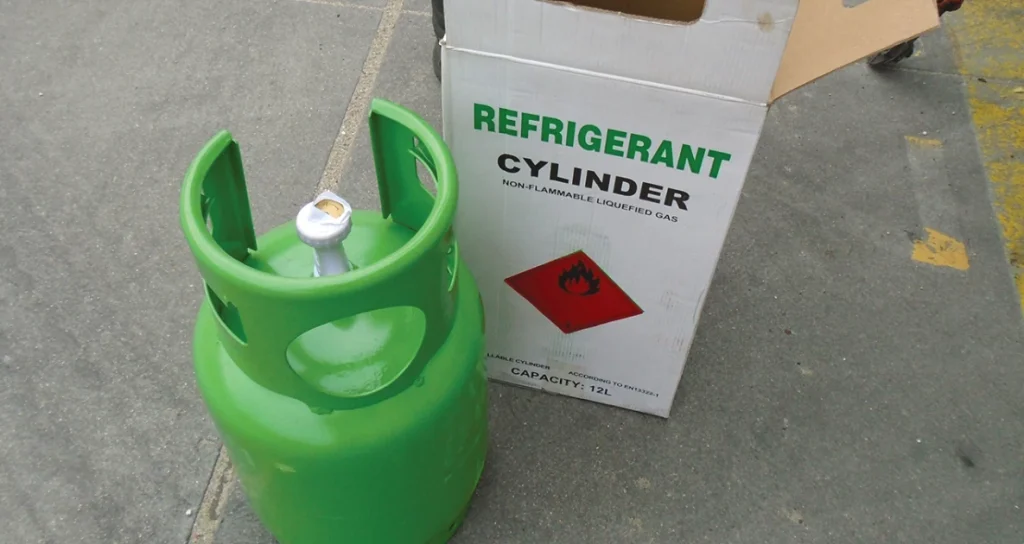
Are you shipping refrigerant cylinders and wondering how to position them correctly? You’ve come to the right place.
The way you position these cylinders during shipping isn’t just a minor detail—it’s a crucial step to ensure safety, efficiency, and compliance with regulations. Imagine preventing costly damages, avoiding dangerous leaks, and ensuring your cargo arrives intact. You hold the power to make all this happen with just a few simple steps.
Ready to unlock the secrets of safe shipping and gain peace of mind? Keep reading to discover the essential guidelines you need to know.

Credit: www.achrnews.com
Safe Positions For Shipping
Proper positioning of refrigerant cylinders during shipping ensures safety and maintains cylinder integrity. Incorrect placement can cause leaks, damage, or accidents. Understanding the safest positions helps protect handlers and the environment. The orientation of cylinders plays a key role in preventing risks.
Vertical Orientation Benefits
Shipping refrigerant cylinders vertically keeps the liquid and gas phases separated. This position allows pressure relief valves to work correctly. It prevents liquid from blocking the valve, avoiding dangerous pressure buildup. Vertical placement reduces the chance of leaks during transport. It also helps secure cylinders firmly, minimizing movement and damage. Overall, vertical shipping supports stability and safety.
Risks Of Horizontal Placement
Horizontal placement can cause liquid refrigerant to cover valve openings. This creates a risk of valve failure or leaks. Pressure relief valves may not function properly if blocked by liquid. Cylinders lying down can roll or shift, increasing damage risk. This position can lead to uneven pressure distribution inside the cylinder. Horizontal shipping increases hazards during handling and transport.

Credit: www.achrnews.com
Handling And Transport Tips
Proper handling and transport of refrigerant cylinders are critical to ensure safety and maintain the integrity of the contents. Mishandling can lead to leaks, damage, or even dangerous accidents. Knowing how to position and secure these cylinders during shipment can save you from costly issues and keep everyone safe.
Securing Cylinders During Transit
Always position refrigerant cylinders upright. This keeps the valve and pressure relief devices in the safest orientation. Lying cylinders down can cause liquid refrigerant to enter the valve, increasing the risk of leaks or damage.
Use sturdy racks or pallets designed to hold cylinders firmly in place. Tight straps or chains prevent movement and reduce the chance of collisions inside the vehicle. Think about the journey ahead—will the road be bumpy? Secure cylinders with extra care if so.
Separate cylinders by type and pressure rating. Avoid stacking heavy cylinders on lighter ones to prevent crushing. Labels should remain visible for easy identification during unloading.
Avoiding Physical Damage
Physical damage can compromise the cylinder’s safety, so avoid any impact or dropping during loading and unloading. Use forklifts or pallet jacks carefully, and never roll cylinders on their sides.
Inspect cylinders before shipment. Look for dents, rust, or valve damage that could worsen during transit. Damaged cylinders should be repaired or replaced before shipping.
Consider environmental factors like temperature changes and exposure to direct sunlight, which can affect cylinder pressure. Cover cylinders or ship them in climate-controlled vehicles if necessary to protect their condition.
Regulations And Standards
Shipping refrigerant cylinders safely requires following strict regulations and standards. These rules ensure the cylinders stay secure and prevent leaks or accidents during transit. Proper positioning is a key part of meeting these requirements. Understanding the guidelines helps companies avoid fines and hazards.
International Shipping Rules
International shipping of refrigerant cylinders follows global safety standards. The United Nations’ Model Regulations guide how cylinders must be packed and positioned. Cylinders should be upright to keep valves safe and prevent leaks. Securing the cylinders prevents movement during transport.
Shipping containers must display hazard labels clearly. Special documentation is required for customs and safety checks. Airlines and shipping companies often have their own rules based on these standards.
Local Compliance Requirements
Each country may add specific rules for refrigerant cylinder shipments. Local authorities set standards to protect people and the environment. Positioning rules can vary but often require cylinders to be upright and stable. Some places demand additional protective caps or seals on valves.
Businesses must check local laws before shipping. Following local rules avoids delays and penalties. Proper training for workers handling cylinders is also commonly required.
Labeling And Documentation
Labeling and documentation play a key role in the safe shipping of refrigerant cylinders. They ensure that handlers and transporters have clear information about the contents. Proper labels and documents reduce risks and help meet legal rules. Clear communication through labeling and paperwork supports safe and smooth transport.
Proper Marking Of Cylinders
Each refrigerant cylinder must have clear and visible markings. Labels should include:
- The type of refrigerant inside
- Hazard warnings and symbols
- Manufacturer details and serial numbers
- Filling date and weight
- Handling instructions
Labels must resist weather and rough handling. This helps keep the information readable during the entire shipping process. Marking also helps emergency responders quickly identify the contents.
Essential Shipping Documents
Accurate documents must accompany each shipment of refrigerant cylinders. Important papers include:
- Material Safety Data Sheet (MSDS) or Safety Data Sheet (SDS)
- Shipping manifest detailing cylinder numbers and contents
- Certificates of compliance and inspection
- Emergency contact information
- Transport permits, if required
These documents provide detailed safety and handling instructions. They are crucial for regulatory compliance and quick response in emergencies. Proper documentation also helps avoid delays during customs or inspections.
Storage Before And After Shipping
Proper storage of refrigerant cylinders before and after shipping is crucial. It ensures safety and maintains the quality of the refrigerant. Incorrect storage can lead to leaks, damage, or reduced efficiency. Follow clear guidelines to keep cylinders secure and stable.
Safe Storage Practices
Store cylinders upright and secure them to prevent tipping. Use racks or chains for stability. Keep cylinders away from heavy traffic areas to avoid accidental knocks. Label cylinders clearly for easy identification. Avoid storing near flammable materials or heat sources.
Temperature And Environment Control
Keep cylinders in a cool, dry place with good ventilation. Avoid direct sunlight or extreme temperatures. High heat can increase pressure inside cylinders, risking leaks. Cold temperatures may cause condensation or damage. Maintain a stable environment to protect the refrigerant and container.
Common Mistakes To Avoid
Shipping refrigerant cylinders might seem straightforward, but many overlook key details that can lead to serious problems. Avoiding common mistakes during shipment can protect the cylinder’s integrity and ensure safety. Let’s look at what often goes wrong and how you can prevent these issues.
Improper Positioning Consequences
Placing refrigerant cylinders incorrectly during shipment can cause leaks or pressure build-up. Cylinders should always be shipped upright to keep the valve and internal pressure stable. Laying cylinders on their side allows liquid refrigerant to block the valve, increasing the risk of dangerous leaks.
Imagine receiving a cylinder that’s been tipped over—it might look fine but could have unseen damage inside. This damage can lead to costly repairs or even accidents when the cylinder is used. Proper positioning helps maintain the cylinder’s safety and performance.
Handling Errors
Rough handling during loading or unloading often causes dents and valve damage. Never roll or drag cylinders; always use appropriate lifting equipment or carts. Dropping a cylinder can compromise its structure and create safety hazards.
Think about the last time you handled a heavy object—did you take care or rush? The same care should be applied with refrigerant cylinders. Proper handling protects both you and the equipment from unnecessary risks.

Credit: www.wilhelmsen.com
Frequently Asked Questions
How Should Refrigerant Cylinders Be Positioned During Shipping?
Refrigerant cylinders must be shipped upright to prevent leaks and ensure safety. This position keeps the valve and internal components secure. Lying cylinders risk liquid refrigerant escaping, causing hazards and damage. Proper positioning also complies with shipping regulations and maintains cylinder integrity.
Why Is Upright Positioning Important For Refrigerant Cylinders?
Upright positioning prevents liquid refrigerant from contacting the valve. This reduces leakage risks and potential accidents. It also maintains pressure balance inside the cylinder. Upright shipping protects the cylinder’s structure and ensures compliance with safety standards.
Can Refrigerant Cylinders Be Shipped Lying Down Safely?
No, refrigerant cylinders should not be shipped lying down. This increases the risk of leaks and valve damage. Shipping upright is mandatory for safety and regulatory compliance. Lying cylinders may cause liquid refrigerant to escape, creating hazards.
What Are The Risks Of Improper Refrigerant Cylinder Positioning?
Improper positioning can cause refrigerant leaks, valve damage, and safety hazards. It may lead to pressure imbalances and regulatory violations. Leaks can harm the environment and pose fire risks. Correct upright positioning minimizes these dangers during transport.
Conclusion
Proper positioning of refrigerant cylinders during shipping keeps them safe and intact. Always place cylinders upright to avoid leaks or damage. Secure them firmly to prevent movement during transport. Check labels clearly to handle hazardous materials carefully. Following these steps reduces risks and ensures smooth delivery.
Safe shipment protects both people and the environment. Remember, careful handling saves time and money later. Simple actions make a big difference in shipping refrigerants safely.