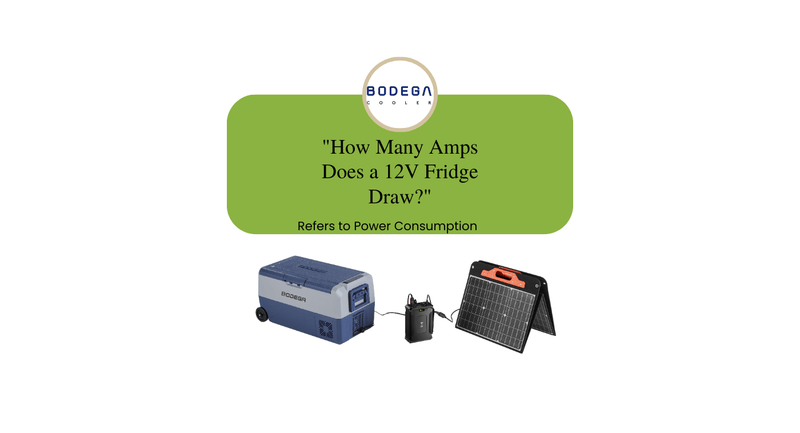
Are you planning a road trip with your RV and wondering how many watts your refrigerator will use? Understanding the energy consumption of your RV refrigerator is crucial for efficient power management on the road.
You don’t want to find yourself in the middle of nowhere with a drained battery, do you? By the end of this article, you’ll know exactly how many watts your RV refrigerator uses, empowering you to make informed decisions and enjoy your travels without unnecessary hiccups.
Dive in to discover the secrets of optimizing your RV’s power usage and ensure your adventure goes smoothly.
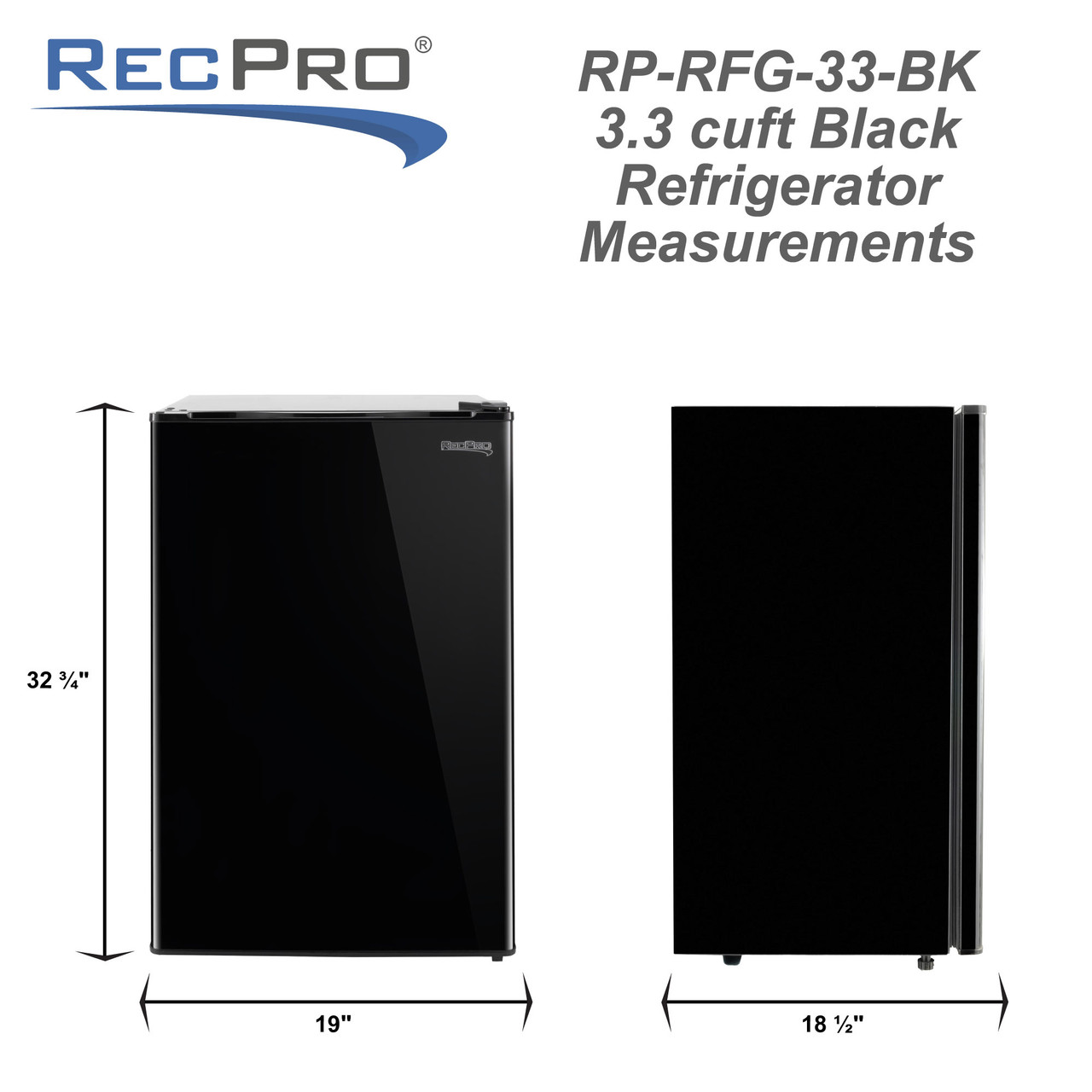
Credit: recpro.com
Rv Refrigerator Power Basics
Understanding RV refrigerator power basics helps save energy and extend battery life. RV refrigerators use different power sources and technology. Knowing how they work assists in planning your RV trips better. Energy consumption varies widely based on the type and usage. This section explains key details about RV refrigerator power.
Types Of Rv Refrigerators
RV refrigerators come in several types. Each type uses power differently:
- Absorption Refrigerators:Use propane gas or 12V/120V electricity. Common in RVs for silent operation.
- Compressor Refrigerators:Work like home fridges using electricity only. They run on 12V or 120V power.
- Thermoelectric Refrigerators:Use electricity to create cooling through heat transfer. Less common and less efficient.
Choosing the right type affects power use and efficiency.
How Rv Refrigerators Consume Power
Power consumption depends on the refrigerator type and size. Absorption models use less electricity but need propane. Compressor fridges use more electricity but cool faster and better.
Energy use also depends on outside temperature and how often the door opens. Keeping the fridge full helps maintain cold temperatures with less power.
Typical power use ranges:
| Refrigerator Type | Average Power Use (Watts) |
|---|---|
| Absorption | 50-150 watts (electric mode) |
| Compressor | 40-100 watts |
| Thermoelectric | 30-60 watts |
Power use spikes when the compressor or cooling element starts. After cooling, it cycles off to save energy.
Wattage Range For Rv Refrigerators
Understanding the wattage range for RV refrigerators is key to managing your RV’s power consumption effectively. Different types of RV refrigerators use varying amounts of energy, which can impact your battery life and fuel consumption. Knowing these ranges helps you plan your power needs and avoid unexpected power shortages on the road.
Average Wattage For 12v Models
12V RV refrigerators typically run off your RV’s battery system. Their wattage usually ranges between 40 to 100 wattswhen running. However, they don’t run continuously; their compressors cycle on and off, which means actual power use can be lower.
If you’ve relied on a 12V fridge, you know how crucial it is to monitor your battery levels closely. These models are great for dry camping but might drain your batteries quickly if you don’t have a solar setup or generator to recharge.
Wattage For Propane And Absorption Units
Propane or absorption refrigerators don’t primarily run on electricity but still use some power for controls and fans. Their electric consumption is minimal, often less than 100 wattsduring startup and much less while maintaining temperature.
These units are perfect for long stays without hookups since they mainly use propane for cooling. Have you noticed how quiet and efficient your propane fridge is compared to electric models during extended trips?
Energy Use Of 110v Electric Models
110V electric RV refrigerators draw more power, generally between 150 to 300 wattswhile running. These models are similar to household refrigerators and usually require a shore power connection or a powerful inverter.
They offer excellent cooling performance but can quickly drain your battery if you rely solely on inverter power. Have you ever had your inverter shut down because of your electric fridge’s high startup surge?
Factors Affecting Power Consumption
Understanding the factors that affect your RV refrigerator’s power consumption helps you manage your energy use better. Power needs can vary widely depending on several key elements. Knowing these can help you choose the right refrigerator and optimize its efficiency on the road.
Size And Capacity
Larger RV refrigerators naturally use more watts because they have more space to cool. A 6-cubic-foot fridge will consume less power than a 12-cubic-foot model. But think about your actual storage needs—buying bigger than necessary means wasting energy and possibly your battery life.
Have you noticed how packing your fridge affects its power use? A well-packed fridge retains cold better, so it cycles less. Empty spaces make the fridge work harder to maintain temperature, increasing wattage use.
Insulation And Ambient Temperature
The quality of insulation around your fridge directly impacts energy consumption. Good insulation keeps cold air in and hot air out, reducing the workload on the compressor or cooling elements. Poor insulation, especially in older RVs, means your fridge runs more often and uses more power.
Ambient temperature plays a huge role too. Hot weather forces the fridge to run longer to stay cool. If you park in the shade or use reflective covers, you can lower the ambient heat and reduce power use significantly.
Usage Patterns And Frequency
How often you open the fridge door affects power consumption more than many realize. Frequent door openings let cold air escape, causing the fridge to run longer to cool back down. Being mindful of this simple behavior can save you noticeable energy.
Also, consider how often the fridge cycles on and off. If you use features like quick-cool or energy-saving modes, these will change your watt consumption. Are you using your fridge mostly during the day when solar power is available, or relying on batteries at night? This timing impacts how you should manage your power use.
Measuring And Calculating Power Usage
Understanding how much power your RV refrigerator uses is key to managing your energy supply efficiently. Measuring and calculating power usage helps you avoid running out of battery and keeps your appliances running smoothly. Let’s look at practical ways to track and estimate this power consumption so you can plan better on the road.
Using A Watt Meter
A watt meter is a handy device that directly measures the power your RV fridge uses in real time. You simply plug the fridge into the meter, and it displays the watts being drawn at that moment.
This method gives you precise information about the fridge’s consumption during different operating modes—like when the compressor is running versus when it’s idle. Knowing these numbers helps you understand peak power needs and average draw.
Have you ever guessed your fridge’s power use and been surprised by the actual figure? A watt meter removes that guesswork completely.
Estimating Daily Energy Consumption
To estimate how much energy your fridge uses in a day, multiply the wattage by the number of hours it runs. For example, if your fridge uses 100 watts and runs for 8 hours, that’s 800 watt-hours or 0.8 kilowatt-hours (kWh) per day.
Remember, RV refrigerators cycle on and off, so the running time can vary. Tracking this over a few days gives a clearer picture of daily energy needs.
Are you tracking your usage over time to see how different conditions affect power consumption? This insight can help you adjust your setup for better efficiency.
Converting Watts To Amp Hours
Understanding power in amp hours (Ah) is crucial because RV batteries are rated this way. To convert watts to amp hours, use this formula:
| Formula | Explanation |
|---|---|
| Amp Hours (Ah) = Watts ÷ Volts | Divide the wattage by your system voltage (usually 12V in RVs). |
If your fridge uses 120 watts, dividing by 12 volts means it draws 10 amps per hour. Multiply by the number of hours it runs to find total amp hours used daily.
Do you know how much capacity your battery bank has in amp hours? Comparing that to your fridge’s daily amp hour use helps you avoid overloading your system.
Optimizing Rv Refrigerator Energy Use
Optimizing your RV refrigerator’s energy use can make a big difference in your overall power consumption. Small adjustments to how you use and care for your fridge help it run more efficiently, saving your battery and reducing the need for frequent recharges. Let’s look at some practical ways you can keep your RV refrigerator working smarter, not harder.
Proper Ventilation And Placement
Your RV refrigerator needs good airflow to cool properly and avoid overworking. Make sure the vents around the fridge are clear of dust, debris, and any objects blocking airflow. Even a small obstruction can cause the fridge to use more power because it struggles to release heat.
Think about where your fridge sits in the RV. Placing it near a heat source like a stove or direct sunlight can make it work overtime. Move it away from heat or add shading if possible, so it doesn’t have to fight external warmth.
Maintaining Temperature Settings
Setting your fridge too cold wastes energy. You don’t need to freeze everything; usually, a temperature around 37°F (3°C) for the fridge and 0°F (-18°C) for the freezer is enough. Check your fridge’s manual for the ideal settings.
Have you noticed your fridge cycling on and off frequently? That’s a sign the temperature might be set too low or the door isn’t sealing properly. Adjusting the thermostat by even a few degrees can significantly reduce power use.
Regular Maintenance Tips
Cleaning the coils and vents regularly keeps your fridge running efficiently. Dust buildup makes the compressor work harder, which drains your battery faster. Use a soft brush or vacuum to keep these areas clean.
Also, inspect door seals for cracks or gaps. A leaky seal lets cold air escape, causing the fridge to consume more watts. Replacing worn seals is a small fix that pays off with steady energy savings.
Power Sources For Rv Refrigerators
Choosing the right power source for your RV refrigerator can make a big difference in your travel experience. The wattage your refrigerator uses depends largely on how you power it. Knowing your options helps you manage energy efficiently and keeps your food fresh during your adventures.
Battery Capacity And Inverter Use
Your RV’s battery bank is often the first place to draw power for the refrigerator. The capacity of your battery, measured in amp-hours (Ah), determines how long you can run the fridge without recharging.
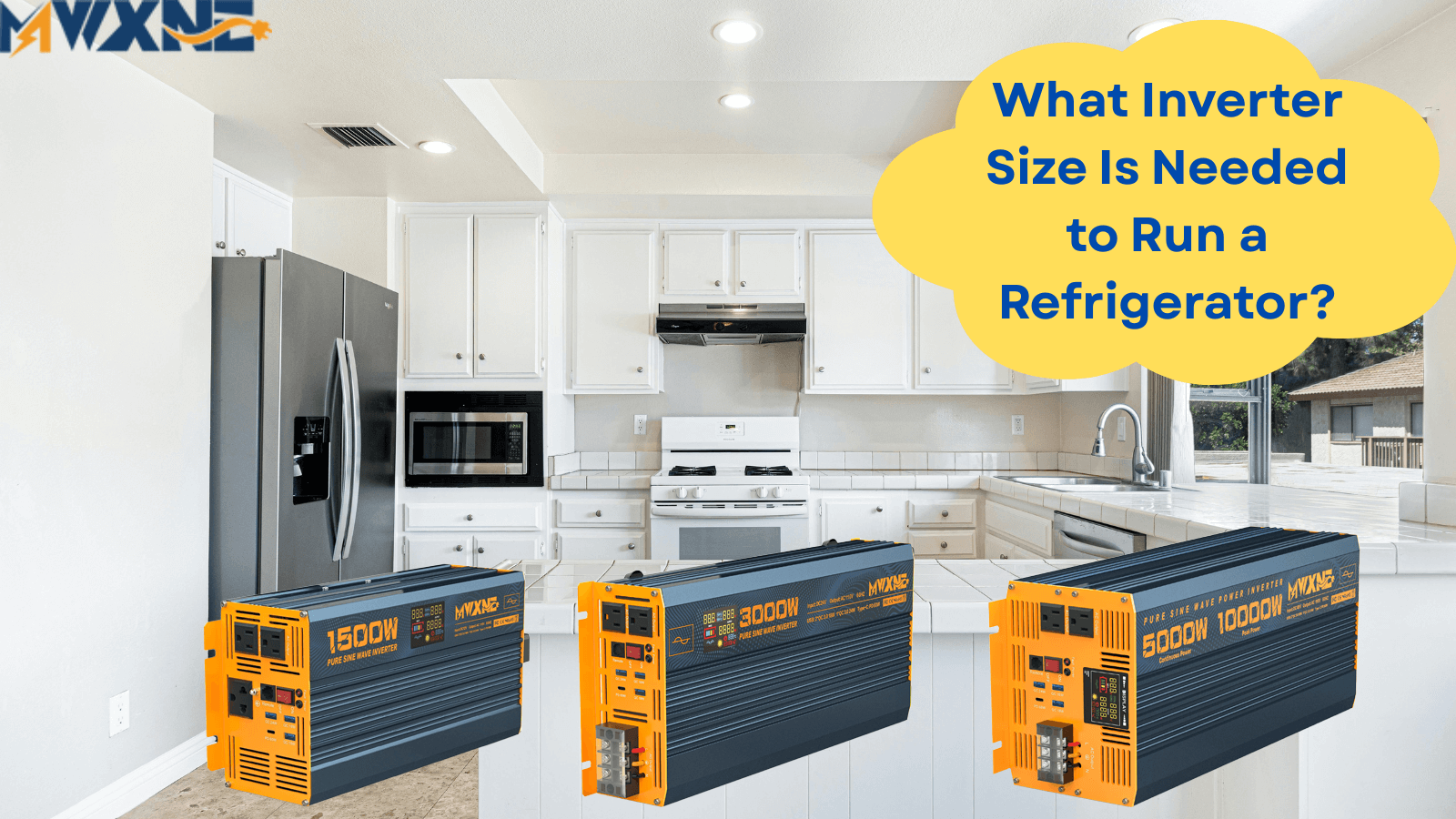
Using an inverter converts the battery’s DC power into AC power that many refrigerators require. But remember, inverters themselves consume energy, so factor in their efficiency when calculating your total wattage use.
Ask yourself: How long do you plan to run the fridge on battery alone? This will guide how large your battery bank and inverter should be.
Solar Power Integration
Solar panels offer a sustainable way to power your RV fridge. They can recharge your batteries during the day, extending your off-grid capability.
Integrating solar means considering panel wattage, battery storage, and charge controller efficiency. A typical setup might include 200 to 400 watts of solar panels paired with a 100Ah battery bank.
Have you checked if your solar setup can handle peak refrigerator loads? This ensures you don’t run out of juice when you need it most.
Generator Options
Generators provide reliable power, especially when solar or battery capacity falls short. They can supply the higher wattage your refrigerator needs during startup and continuous operation.
Portable generators range from 1000 to 3000 watts, which is usually sufficient for most RV refrigerators. Keep in mind, running a generator uses fuel and creates noise, which might affect your camping experience.
Consider how often you’ll use a generator and weigh that against fuel costs and noise tolerance. What’s your balance between convenience and quiet?
Choosing The Right Refrigerator For Your Rv
Choosing the right refrigerator for your RV is more than just picking a size or style. It’s about understanding how much power your RV can provide and how efficiently the fridge operates within that limit. Your choice affects your comfort on the road and the convenience of keeping food fresh during your travels.
Matching Power Needs To Rv Setup
Start by assessing your RV’s electrical system. How many amps or watts can your setup handle without tripping breakers? This helps you pick a refrigerator that won’t overload your power supply.
If your RV runs mostly on battery power, a fridge with lower wattage usage is crucial. On the other hand, if you have shore power hookups often, you might afford a fridge that consumes more energy but cools faster or has more features.
Balancing Efficiency And Cooling Performance
Look for a refrigerator that offers a good balance between energy efficiency and cooling ability. A highly efficient fridge saves battery life, but it shouldn’t compromise on keeping your food fresh.
Consider models with adjustable thermostats and good insulation. These features can reduce power consumption by maintaining steady temperatures without overworking the compressor.
Popular Brands And Models
Some brands are known for making reliable and energy-efficient RV refrigerators. Dometic and Norcold are popular choices among RVers due to their range of sizes and power options.
Models like the Dometic RM1350 or Norcold N4F offer a mix of low wattage use and solid cooling performance. Reading reviews from fellow travelers who have tested these fridges in real-life conditions can help you make a confident decision.
Credit: www.mwxnepower.com

Credit: www.reddit.com
Frequently Asked Questions
How Many Watts Does A Typical Rv Refrigerator Use?
A typical RV refrigerator uses between 100 to 300 watts while running. Energy consumption varies by size and model, especially between absorption and compressor types.
What Affects The Wattage Of An Rv Refrigerator?
Wattage depends on refrigerator size, type, and cooling method. Absorption models use less power but run longer. Compressor models use more watts but cycle less frequently.
Can I Run An Rv Refrigerator On Solar Power?
Yes, many RV refrigerators can run on solar power with a proper battery system. You need enough solar panels and batteries to handle the fridge’s wattage needs.
How Much Power Does An Rv Fridge Consume Daily?
An RV fridge typically consumes 1 to 2 kWh per day depending on usage, ambient temperature, and insulation quality. Efficient models use less energy overall.
Conclusion
Knowing how many watts an RV refrigerator uses helps you plan power needs well. Most RV refrigerators use between 100 and 300 watts while running. This range varies by size and type. Monitoring watt use saves battery life and avoids surprises on the road.
Choose a fridge that fits your power source and travel style. Small steps in energy use make a big difference over time. Staying aware keeps your RV trips smooth and comfortable.