
Have you ever stood in your kitchen, bottle of fish sauce in hand, and wondered if it needs to be refrigerated? You’re not alone.
This common kitchen conundrum leaves many home cooks puzzled. Fish sauce is a staple in many delicious dishes, but its storage can be confusing. Do you just put it back in the pantry, or does it need a spot in the fridge?
Understanding how to store fish sauce properly can save your next culinary masterpiece from disaster. You’ll discover the secrets to keeping your fish sauce fresh and flavorful, ensuring every dish you make is a success. Stick around to learn more—you might be surprised by what you find!

Credit: www.thirdcoastsuperior.com
Fish Sauce Basics
Understanding the basics of fish sauce helps you use it better and store it correctly. This pungent, salty liquid is a staple in many kitchens around the world. Knowing what it is and how you use it can change the way you cook and preserve it.
What Is Fish Sauce
Fish sauce is a liquid condiment made from fermented fish and salt. It has a strong, salty aroma that might surprise you at first. The fermentation process can take months, which develops its unique, complex flavor.
Because it’s made from natural ingredients, fish sauce contains no artificial preservatives. This means its quality depends on how you store it after opening. Have you ever wondered if leaving it out affects its taste or safety?
Common Uses In Cooking
Fish sauce adds depth and umami to many dishes. You’ll find it in marinades, soups, stir-fries, and dipping sauces. It’s especially popular in Southeast Asian recipes like Thai pad thai and Vietnamese pho.
You don’t need to add much—just a few drops can transform a dish. Have you tried using it instead of salt or soy sauce? It can give a fresh twist to your everyday meals.
Credit: www.hungryhuy.com
Storage Requirements
Fish sauce is a popular ingredient in many dishes. Proper storage keeps its flavor fresh and safe. Understanding how to store fish sauce helps maintain its quality and extends its usability. The storage needs vary based on temperature and bottle condition.
Shelf Life At Room Temperature
Unopened fish sauce can last long at room temperature. It stays good for up to two years in a cool, dark place. Once opened, the sauce can still last several months without spoiling.
Keep the bottle tightly closed to avoid air and moisture. Direct sunlight or heat can reduce its shelf life. Watch for changes in smell or color as signs of spoilage.
Effect Of Refrigeration
Refrigerating fish sauce after opening slows down changes in flavor and color. It helps keep the taste fresh for up to a year or more. Cold storage reduces the risk of mold or bacteria growth.
Always use a clean spoon to avoid contamination. Place the bottle in the fridge door for easy access. Refrigeration is the best choice for long-term storage.
Signs Of Spoilage
Knowing the signs of spoilage in fish sauce is key to keeping your dishes safe and tasty. Spoiled fish sauce not only loses its flavor but can also pose health risks. Pay attention to subtle changes that signal when it’s time to toss that bottle.
Changes In Color And Smell
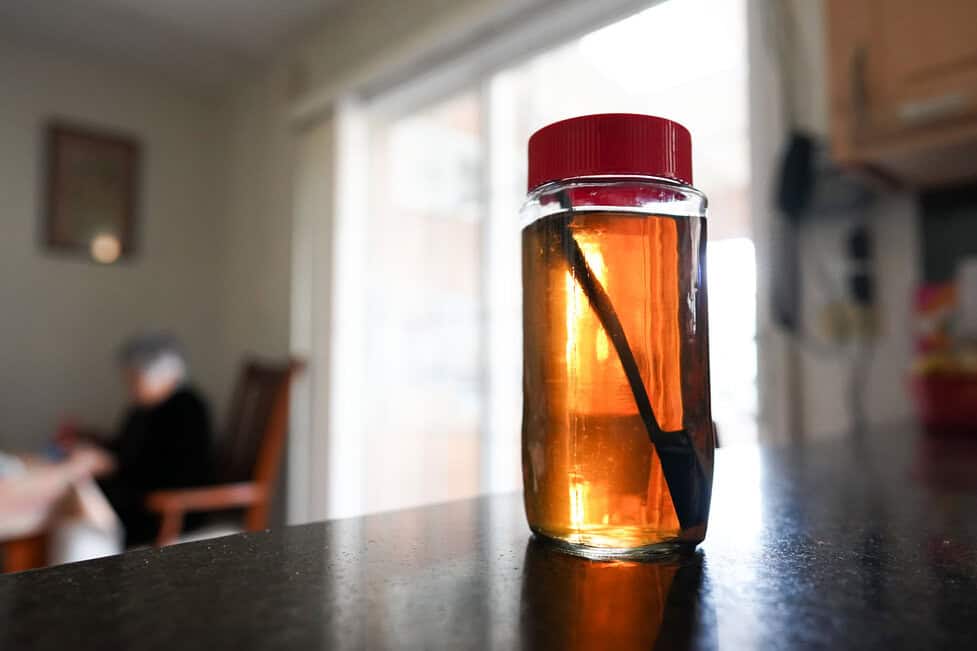
Fish sauce naturally has a deep amber or reddish-brown hue. If you notice it turning darker than usual or developing cloudy patches, it’s a red flag.
The smell is even more telling. Fresh fish sauce has a strong, salty, and pungent aroma. But if it starts to smell sour, rancid, or unusually sharp, your sauce has likely gone bad. Have you ever caught a whiff and instantly felt something was off? That’s your best warning.
Texture And Taste Alterations
Texture changes can be subtle but important. Fish sauce should be smooth and liquid. If it becomes thick, syrupy, or develops sediment that won’t dissolve, it might be spoiling.
Taste is the ultimate test. A small taste can confirm suspicion. If the sauce tastes bitter, overly sour, or just “off,” don’t use it. Why risk ruining your meal or your health for a bottle past its prime?

Credit: www.thirdcoastsuperior.com
Best Practices For Storing
Storing fish sauce properly is key to keeping its flavor fresh and vibrant. You want to avoid any changes in taste or spoilage that can happen if it’s not kept right. Let’s look at the best ways to store fish sauce to make sure you get the most out of every bottle.
Ideal Container Types
Glass bottles are your best friend when storing fish sauce. They don’t react with the sauce, so the flavor stays pure. If your fish sauce comes in plastic, consider transferring it to a glass jar once opened.
Look for containers with airtight lids. This prevents air from sneaking in and altering the sauce’s quality. I once kept fish sauce in a loosely closed plastic bottle, and it quickly lost its rich aroma. Airtight glass containers solved that problem immediately.
- Avoid metal containers unless they are stainless steel, as corrosion can affect the sauce.
- Dark or opaque containers help protect the sauce from light damage.
- Make sure the container is clean and dry before adding the sauce.
Temperature Recommendations
Think about where you store the fish sauce after opening. Room temperature might be okay for a short time, but refrigeration is best for long-term use. Cooler temperatures slow down any unwanted chemical changes.
Keep your fish sauce in the refrigerator once opened. It may thicken slightly, but shaking the bottle will mix it back perfectly. Do you want your sauce to last months without losing its punch? The fridge is the place to keep it.
| Storage Location | Recommended Duration | Effect on Flavor |
|---|---|---|
| Pantry (cool, dark place) | Up to 1 month | Flavor can weaken over time |
| Refrigerator | 6 months or more | Flavor stays stable and fresh |
Have you noticed any difference in taste when fish sauce sits out for a while? Try refrigerating next time and compare. You might find your dishes taste sharper and more authentic.
Myths About Refrigeration
Many people believe fish sauce must always be refrigerated. This idea comes from general food safety habits. Yet, fish sauce is different. It is made through fermentation, which naturally preserves it. This section clears up common myths about storing fish sauce and shows the truth behind refrigeration.
Does Refrigeration Improve Flavor
Some think refrigeration makes fish sauce taste better. Actually, fish sauce develops its flavor during fermentation. Storing it in a cool, dark place keeps it stable. Refrigeration might slow down changes but does not improve taste. The sauce remains good at room temperature for months.
Common Misconceptions
- Fish sauce spoils quickly without refrigeration. It is naturally preserved by salt and fermentation.
- Refrigeration is necessary to prevent bacteria. The high salt content prevents harmful bacteria growth.
- Fish sauce changes color or smell if not refrigerated. These changes happen slowly and do not mean spoilage.
- Unopened bottles must be refrigerated. Unopened bottles store well at room temperature.
Special Cases
Some types of fish sauce need special care for storage. Different recipes and packaging affect how you keep it fresh. Understanding these special cases helps keep the sauce tasty and safe.
Homemade Fish Sauce Storage
Homemade fish sauce lacks preservatives found in store-bought versions. It spoils faster and needs careful storage. Keep it in a clean, airtight container. Store it in the refrigerator to slow down bacteria growth.
Use it within a few weeks for best flavor. Check for changes in smell or color before use. Discard if it smells off or looks cloudy.
Storing Opened Vs Unopened Bottles
Unopened fish sauce bottles stay stable at room temperature. Keep them in a cool, dark place away from heat. Once opened, exposure to air changes the shelf life.
Opened bottles benefit from refrigeration. It helps maintain flavor and prevents spoilage. Always close the cap tightly after use. Use opened fish sauce within six months for best quality.
Tips To Extend Shelf Life
Extending the shelf life of fish sauce helps maintain its rich flavor and quality. Simple habits can keep your bottle fresh for longer. Proper care prevents spoilage and waste. Follow these tips to store fish sauce safely and effectively.
Avoiding Contamination
Contamination can spoil fish sauce quickly. Use clean utensils every time you scoop or pour. Never dip food directly into the bottle. Always pour the sauce instead. Keep the bottle away from dirty surfaces or hands. This practice stops bacteria and mold growth.
Proper Sealing Techniques
Seal the bottle tightly after each use. Air exposure reduces the sauce’s freshness. Use the original cap or a tight-fitting lid. Store fish sauce in a cool, dark place if unrefrigerated. Refrigerate after opening to slow down spoilage. Label the bottle with the opening date to track freshness.
Frequently Asked Questions
Do You Need To Refrigerate Fish Sauce After Opening?
Yes, refrigerating fish sauce after opening helps preserve its flavor and quality. It slows down oxidation and prevents spoilage. Storing it in a cool, dark place is essential for long-term freshness. Refrigeration is recommended but not always mandatory depending on usage frequency.
How Long Does Fish Sauce Last Without Refrigeration?
Fish sauce can last several months unopened at room temperature. After opening, it may stay good for 1-3 months unrefrigerated. However, refrigeration extends its shelf life up to a year. Properly sealed bottles help maintain freshness and prevent contamination.
Can Fish Sauce Spoil If Not Refrigerated?
Fish sauce rarely spoils due to high salt content. But without refrigeration, it may lose flavor and develop off-odors. Signs of spoilage include cloudiness, sediment, or unpleasant smell. Refrigeration helps maintain taste and safety for longer periods.
Does Refrigeration Affect Fish Sauce Taste Or Quality?
Refrigeration preserves the original flavor and aroma of fish sauce. It prevents fermentation changes that occur at room temperature. Cold storage keeps the sauce fresh and consistent in quality. Some chefs prefer refrigerated fish sauce for optimal taste.
Conclusion
Fish sauce stays safe longer when kept in a cool place. Refrigeration helps keep its flavor fresh. You can store it in the pantry if you use it fast. Always check the bottle for changes in smell or color. A sealed bottle lasts much longer than an opened one.
Keeping fish sauce properly avoids waste and saves money. Remember, simple care makes your fish sauce taste better. Use these tips to enjoy your cooking every time.