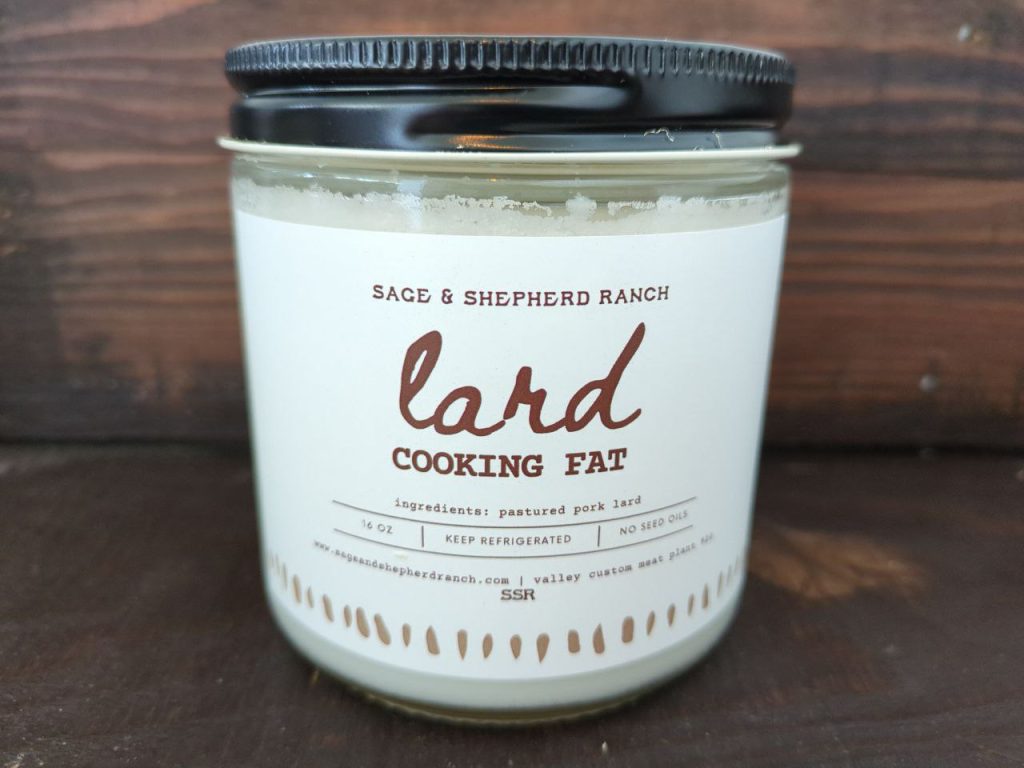
Have you ever found yourself standing in your kitchen, holding a tub of lard, and wondering, “Does this need to go in the fridge?” You’re not alone.
Many people are unsure about the best way to store lard to keep it fresh and safe for use. We’ll unravel the mystery of lard storage and clear up any confusion you might have. Whether you’re a seasoned cook or a culinary newbie, knowing the right storage techniques can make a big difference in your cooking adventures.
By the end of this post, you’ll have all the information you need to confidently store lard and maximize its shelf life. Keep reading to discover the secrets of lard preservation that will save you time, money, and hassle in the kitchen.

Credit: www.amazon.com
What Is Lard
Lard is a traditional cooking fat that has been used for centuries in kitchens around the world. It’s made from the rendered fat of pigs and offers a unique flavor and texture that many home cooks and chefs appreciate. But what exactly is lard, and how does it differ from other fats you might use every day?
What Is Lard Made Of?
Lard is primarily composed of pig fat that has been slowly melted down to separate the pure fat from the solids and impurities. This process is called rendering. The result is a smooth, creamy fat that can be used in both cooking and baking.
Types Of Lard
- Leaf lard:The highest grade, taken from around the pig’s kidneys. It’s prized for its mild flavor and smooth texture, making it perfect for pastries.
- Regular lard:Rendered from other fat parts of the pig, often with a stronger flavor.
- Hydrogenated lard:Sometimes found in stores, this type is processed to be solid at room temperature but may contain trans fats.
How Does Lard Compare To Other Fats?
Lard contains a balance of saturated and unsaturated fats, giving it a unique cooking profile. It has a higher smoke point than butter, which makes it excellent for frying. Unlike vegetable oils, lard adds a rich flavor to your dishes that can’t be easily replicated.
Why Choose Lard?
Many people are surprised at how versatile lard can be. From flaky pie crusts to crispy fried chicken, lard enhances texture and taste. Have you ever wondered why some recipes just taste better when made with lard instead of oil or butter?
Shelf Stability Of Lard
Lard is a type of fat used in cooking and baking. Its shelf stability depends on how it is processed and stored. Understanding lard’s shelf life helps keep it fresh and safe to use.
Lard made from rendered pork fat has natural preservatives. These help it stay stable at room temperature for some time. The absence of water in lard reduces the chance for bacteria growth.
Shelf Life Of Rendered Lard
Rendered lard can last several months without refrigeration. Keep it in a cool, dark place away from heat and sunlight. Exposure to air can cause oxidation and spoilage.
Difference Between Rendered And Unrendered Lard
Rendered lard is clean and smooth. It contains fewer impurities and water. Unrendered lard has more moisture and can spoil faster. It needs refrigeration to stay fresh.
Signs Of Spoiled Lard
- Rancid or sour smell
- Discoloration or dark spots
- Off taste or bitterness
- Sticky or slimy texture
Storage Tips For Shelf Stability
- Use airtight containers to limit air exposure
- Store in a cool, dark cupboard or pantry
- Avoid direct sunlight and heat sources
- Label with date to track freshness
Room Temperature Storage
Storing lard at room temperature can be a convenient option, but it depends heavily on the type of lard you have. Not all lard is created equal, and some varieties handle ambient conditions better than others. Understanding which lard can stay out and how to spot if it’s gone bad will save you from unpleasant surprises in your cooking.
Types Of Lard Suitable For Room Storage
Rendered lard, especially the kind that’s been properly strained and sealed, often stays stable at room temperature. This type is usually pure fat without any added water or impurities, which helps prevent spoilage.
- Rendered Leaf Lard:This is the highest grade of lard, known for its purity and mild flavor. It can be safely stored outside the fridge for a few weeks if kept in an airtight container away from heat and light.
- Pure Lard Without Additives:If your lard doesn’t contain preservatives or water, it’s less likely to spoil quickly. It’s best kept in a cool, dark place like a pantry.
On the other hand, homemade or unrendered lard with bits of meat or water content should always be refrigerated. Have you ever noticed how some lard jars come with instructions to refrigerate? That’s usually a hint about its stability.
Signs Of Spoilage At Room Temperature
Even lard suitable for room temperature storage can go bad if neglected. Keep an eye out for these warning signs:
- Off Smell:A sour or rancid odor means the lard has started to spoil. Trust your nose here—it’s often the first indicator.
- Color Changes:If the lard develops a yellowish or darker tint, it might be oxidizing and losing quality.
- Texture Variations:Grainy or sticky textures can signal spoilage or contamination.
- Mold Growth:Any visible mold means it’s time to toss the lard immediately.
Have you ever left lard out and wondered if it was still safe? Checking these signs regularly helps you avoid any risk in your kitchen. Your best bet is to store lard in a sealed container away from direct sunlight and heat sources to prolong freshness.

Credit: www.instacart.com
Refrigerating Lard
Refrigerating lard is a simple practice that can extend its shelf life and maintain its quality. While lard can be stored at room temperature, placing it in the fridge slows down the risk of spoilage and keeps it fresh for longer. If you’re wondering whether you should refrigerate your lard, understanding the benefits and best storage methods can help you make the right choice.
Benefits Of Refrigeration
Keeping lard in the fridge helps prevent it from becoming rancid. Cold temperatures slow down the oxidation process, which causes unpleasant smells and off-flavors. You’ll notice that refrigerated lard stays creamy and smooth, ready to use whenever you need it.
Refrigeration also protects lard from contamination by bacteria or mold, especially if you use it frequently and open the container often. This is particularly important if you live in a warm or humid climate, where spoilage happens faster. Have you ever found lard that smells sour or looks discolored? That’s a sign it wasn’t stored properly.
How To Store Lard In The Fridge
To store lard properly in the fridge, use an airtight container. This stops moisture and other fridge odors from affecting its taste. A glass jar with a tight lid or a plastic container with a good seal works well.
- Label the container with the date you opened or made the lard.
- Keep the container in a consistent, cool spot inside the fridge, not near the door where temperature fluctuates.
- Use a clean spoon every time to avoid introducing bacteria.
Do you notice your lard hardening too much in the fridge? Let it sit at room temperature for a few minutes before using. This makes it easier to scoop or spread without affecting its freshness.
Freezing Lard For Long-term Storage
Freezing lard is an excellent way to keep it fresh for a long time without worrying about spoilage. It maintains the flavor and texture while extending the shelf life beyond what refrigeration can offer. If you have a large batch or don’t use lard frequently, freezing can be a game changer for your kitchen.
Best Practices For Freezing
Start by dividing your lard into smaller, usable portions. Use airtight containers or heavy-duty freezer bags to prevent moisture and odors from seeping in.
Label the containers with the date you froze them. Lard can last up to six months in the freezer without losing quality.
- Wrap the lard tightly in plastic wrap before placing it in a freezer bag for extra protection.
- Remove as much air as possible from the bag to avoid freezer burn.
- Keep your freezer temperature consistently at 0°F (-18°C) or below.
Thawing Frozen Lard
Thaw frozen lard slowly in the refrigerator to keep its texture intact. Avoid microwaving or thawing at room temperature, as this can cause uneven softening and potential spoilage.
Once thawed, use the lard within a week for best results. If you notice any off smells or discoloration, it’s safer to discard it.
Have you ever frozen something only to find it lost its original texture? With lard, taking these simple steps can help you avoid that disappointment and keep your cooking quality high.

Credit: www.numberanalytics.com
Tips To Extend Lard’s Shelf Life
Extending the shelf life of lard is not just about storing it in the fridge or freezer; it involves a few smart habits that help keep it fresh and safe. You can make your lard last longer by paying attention to how you handle and store it every time you use it. These tips will help you avoid spoilage and maintain the quality of your lard for months.
Avoiding Contamination
Contamination is the main reason lard goes bad quickly. Always use a clean, dry spoon or utensil to scoop out lard—never dip food directly into the container. This simple habit prevents introducing moisture or bacteria, which can spoil the fat.
Have you ever noticed how a little water or food particles can ruin a batch of homemade lard? Keeping your hands and tools clean every time you handle lard reduces this risk significantly.
Choosing The Right Container
The container you store your lard in matters a lot. Opt for airtight containers made of glass or food-safe plastic to keep air and moisture out. Air exposure leads to oxidation, which causes rancidity and off-flavors.
Clear containers might seem convenient, but dark or opaque ones protect lard from light, which can speed up spoilage. If you use a clear container, store it in a cool, dark place to extend freshness.
Frequently Asked Questions
Does Lard Need Refrigeration After Opening?
Lard should be refrigerated after opening to maintain freshness. Refrigeration slows down spoilage and prevents rancidity. Storing it in an airtight container in the fridge extends its shelf life significantly. This keeps lard safe for cooking and baking longer.
How Long Can Lard Be Stored Unrefrigerated?
Unrefrigerated lard can last about one to two weeks. Room temperature storage may cause it to spoil faster, especially in warm climates. For longer storage, refrigeration is recommended to preserve quality and prevent bacterial growth.
Can Lard Go Bad If Not Refrigerated?
Yes, lard can go bad if left unrefrigerated for too long. Exposure to air and heat causes it to turn rancid. Rancid lard smells unpleasant and tastes off. Refrigeration helps avoid spoilage and maintains its cooking quality.
Is Refrigerated Lard Safe To Use After Months?
Refrigerated lard remains safe for several months when stored properly. Keep it sealed in an airtight container to prevent moisture and odors. Always check for changes in smell or color before use to ensure freshness.
Conclusion
Lard can stay fresh longer when kept in the fridge. Room temperature may cause it to spoil faster. Store lard in a clean, airtight container. Check for any changes in smell or color before use. Proper storage keeps lard safe and tasty.
This helps you get the best from your cooking. Simple care makes a big difference in lard’s shelf life. Keep it cool to enjoy its full flavor.