Are you a fan of port wine but unsure about the best way to store it? You’re not alone.
Many wine enthusiasts ponder whether this rich, sweet wine needs to be refrigerated. Picture this: you’ve just opened a lovely bottle of port, and you’re eager to savor each sip. But wait, should you place it in the fridge or leave it on the counter?
This small yet crucial decision could affect its taste and longevity. We’ll unravel the mystery of port wine storage, ensuring your next glass is as delightful as the first. Keep reading to discover how to keep your port wine at its best, and elevate your wine experience to new heights.

Credit: wineshippingboxes1.wordpress.com
Port Wine Basics
Understanding the basics of port wine helps you appreciate why storage matters so much. Port is a fortified wine with a rich history and unique characteristics. Knowing its types and alcohol content will guide you on how best to preserve its flavor and quality.
Types Of Port Wine
Port wine comes in several styles, each with distinct flavors and aging needs. The main types include:
- Ruby Port: Bright, fruity, and best enjoyed young. It doesn’t improve much with age.
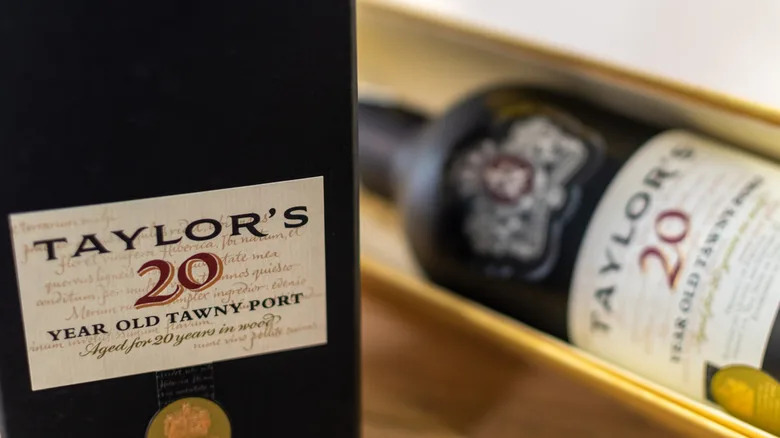
- Tawny Port: Aged in wooden barrels, it has nutty and caramel flavors. It can be stored longer after opening.
- White Port: Made from white grapes, it’s lighter and often served chilled.
- Vintage Port: Made from grapes of a single exceptional year, it requires careful aging and storage.
Your choice of port influences how you store it after opening. Have you noticed how a tawny port seems more forgiving after a bottle is opened compared to a ruby?
Alcohol Content And Preservation
Port wine typically has an alcohol content between 19% and 22%, higher than regular wine. This higher alcohol level helps preserve it longer once opened.
Still, the way you store port affects how well it keeps its taste and aroma. For example, a bottle left at room temperature might lose its freshness faster, even with high alcohol.
Consider your storage options carefully. Do you leave your port in a cool, dark place or in the fridge? The answer depends on the type of port and how soon you plan to drink it.
Storage Temperature
Understanding the right storage temperature for port wine can significantly impact its flavor and longevity. Whether you keep it chilled or at room temperature affects not only how it tastes when you pour your glass but also how well it preserves over time. Let’s break down what temperature works best for serving and storing port wine.
Ideal Serving Temperature
Port wine is best enjoyed at a temperature that highlights its rich flavors and aromas. Typically, a serving temperature between 55°F to 65°F (13°C to 18°C)is ideal for most styles of port.
Ruby and basic Tawny ports lean toward the cooler side of that range, around 55°F, which keeps their vibrant fruitiness fresh. Vintage and older Tawnies benefit from slightly warmer temperatures, closer to 65°F, allowing their complex notes to unfold fully.
Have you ever noticed how a glass of port tastes different when served too cold or too warm? Finding that sweet spot can elevate your tasting experience dramatically.
Room Temperature Vs Refrigeration
Storing port wine at room temperature is common, especially for unopened bottles. However, “room temperature” can vary widely and often exceeds the ideal range for preserving port’s quality over time.
Refrigeration slows down oxidation and bacterial growth, helping opened bottles maintain their character for longer periods. For example, once opened, a bottle of port kept in the fridge can last up to a few weeks without losing its flavor.
But what about unopened bottles? If your storage area stays consistently cool and dark—around 55°F to 65°F—room temperature storage works fine. If it’s warmer than that, refrigeration can be a safer bet, especially in hot climates.
- Unopened bottles:Store in a cool, dark place; refrigeration optional depending on ambient temperature.
- Opened bottles:Refrigerate to extend freshness and slow flavor loss.
So, what’s your current port storage situation like? Adjusting your wine’s environment might be the simple step that transforms your next tasting session.
Refrigeration Benefits
Refrigerating port wine after opening offers several benefits that can enhance your drinking experience. It helps maintain the wine’s flavor and aroma by slowing down processes that cause spoilage. Knowing these benefits can guide you on how to store your port for longer enjoyment.
Slowing Oxidation
Oxidation is the enemy of any opened wine. Once exposed to air, port wine starts to lose its freshness and complex flavors. Refrigeration slows down this process by reducing the chemical reactions that cause oxidation.
When I left an opened bottle of port at room temperature, it quickly tasted flat and dull the next day. But chilling the bottle in the fridge kept the rich, fruity notes intact for several days. This simple step can prevent wasting a good bottle.
Extending Freshness
Refrigeration helps keep your port fresh for longer periods. Cooler temperatures slow bacterial growth and reduce the risk of spoilage. This means you can enjoy your wine over several days without losing its character.
If you’re someone who sips port slowly, refrigeration is a practical choice. It lets you savor the taste without rushing to finish the bottle. Have you noticed how some wines lose their charm quickly? Keeping port chilled can change that experience.

Credit: winerscircle.com
When Not To Refrigerate
Not all Port wines require refrigeration after opening. Knowing when to keep Port at room temperature can help preserve its quality. Some types of Port benefit from being stored in a cool, dark place instead of the fridge. This section explains which Ports should avoid refrigeration and why.
Vintage Port Specifics
Vintage Port is a special type of Port made from grapes of a single year. It ages in the bottle for many years before opening. After opening, Vintage Port should not be refrigerated. The cold temperature can halt its natural aging process.
Store Vintage Port in a cool, dark spot with a stable temperature. Avoid exposing it to sudden temperature changes. Keep the bottle standing upright to prevent cork dryness. This helps maintain its unique character and quality.
Effect On Flavor And Aroma
Refrigeration can dull the flavor and aroma of certain Ports. Cold temperatures slow down the release of the wine’s complex scents and tastes. Some Ports need warmer temperatures to show their full flavor profile.
When Port is too cold, it may taste flat or muted. This is especially true for Vintage Ports and other rich, full-bodied styles. Allow the wine to warm slightly before serving for the best experience.
Best Storage Practices
Storing port wine correctly preserves its rich flavors and aromas longer. Knowing how to handle an opened or unopened bottle can make a big difference in your tasting experience. Here are some practical tips to keep your port wine in the best condition.
Sealing Bottles Properly
After opening, always reseal your port bottle tightly. Using the original cork or screw cap helps prevent air from spoiling the wine. If the cork is damaged or lost, a wine stopper works just as well to keep the bottle airtight.
I once left a port bottle loosely sealed after a dinner party, and the next day the flavors were dull and flat. That taught me how important a tight seal is for preserving taste. Have you ever noticed a sudden change in your wine’s flavor after leaving it open?
Avoiding Light And Heat
Port wine reacts badly to light and heat, which can break down its delicate compounds. Store your bottles in a cool, dark place to maintain their quality. A wine cellar, a cupboard away from direct sunlight, or even a wine fridge can work well.
Think about the last time you kept a bottle near a kitchen window or on top of the fridge—did the wine taste as good as expected? Avoid those warm spots to keep your port fresh longer.
Using Wine Stoppers
Wine stoppers are a simple but effective tool for keeping port fresh. They create a tight seal that slows oxidation better than just replacing the cork. Some stoppers even offer vacuum options to suck out air, which extends the life of your wine even more.
If you’re not ready to finish the bottle in one sitting, invest in a good stopper. It can make the difference between a glass that tastes fresh and one that feels like leftovers. Do you have a favorite stopper that always works for you?
Shelf Life After Opening
Understanding the shelf life of port wine after opening helps maintain its flavor and quality. Once opened, port wine starts to oxidize, which changes its taste. Proper storage slows down this process and keeps the wine enjoyable for longer. It is important to know how long port lasts and how to spot when it goes bad.
How Long Port Lasts Opened
Port wine lasts longer than regular wine after opening. The exact time depends on the type of port and storage conditions.
- Ruby and basic ports keep well for about 4 to 6 weeks.
- Tawny ports can last 6 to 8 weeks due to aging before bottling.
- Vintage ports are more delicate and best consumed within a few days.
Always seal the bottle tightly and store it in a cool, dark place or refrigerator. This helps extend the port’s life and preserve its flavors.
Signs Of Spoilage
Knowing the signs of spoilage helps avoid drinking bad port. Look for these changes:
- A sharp, sour smell or vinegar-like aroma.
- Unusual cloudiness or sediment that was not there before.
- A dull or flat taste, losing the wine’s rich flavors.
- Color changes, such as darkening beyond normal.
If the port shows any of these signs, it is best to discard it. Drinking spoiled port can ruin your experience and taste.

Credit: www.taylor.pt
Frequently Asked Questions
Does Port Wine Need Refrigeration After Opening?
Yes, port wine should be refrigerated after opening. This slows oxidation and preserves flavor for up to a few weeks.
How Long Can Port Wine Stay Unrefrigerated?
Unopened port wine can stay unrefrigerated for years. After opening, it lasts only a few days without refrigeration.
Is Refrigeration Necessary For All Types Of Port Wine?
Refrigeration is recommended for all port types after opening. It helps maintain taste and prevents spoilage regardless of the style.
Can Port Wine Spoil If Not Refrigerated?
Yes, port wine can spoil if left unrefrigerated after opening. Exposure to air causes it to lose flavor and quality.
Conclusion
Port wine stays fresh longer when stored properly. Keep unopened bottles in a cool, dark place. Once opened, refrigerate to slow down spoilage. This helps keep the flavors rich and enjoyable. Serve chilled or at room temperature, based on your preference.
Remember, proper storage extends the life of your port wine. Enjoy every sip without worry. Simple care makes a big difference.