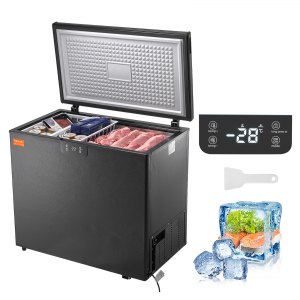
Are you planning a road trip or camping adventure and wondering how to pack your chest type 12V refrigerator efficiently? You’re in the right place.
Packing your portable fridge isn’t just about cramming in your favorite snacks and drinks; it’s an art that can make or break your outdoor experience. Imagine reaching for a cold beverage only to find it warm, or worse, discovering your food spoiled because of poor packing.
You don’t want that, right? In this guide, we’ll reveal the secrets to maximizing space, preserving food quality, and ensuring everything stays perfectly chilled. Get ready to transform your packing game and make your next adventure smooth and worry-free. Let’s dive in and explore the best strategies for packing your 12V fridge like a pro!
Choosing The Right Chest Refrigerator
Choosing the right chest type 12V refrigerator is key to a smooth packing experience. This decision affects how well your items stay cold and how easy it is to transport the fridge. Consider your specific needs carefully before buying one. Size, energy use, and portability all play a role.
Size And Capacity Options
Chest refrigerators come in various sizes to fit different needs. Small models hold enough for a weekend trip. Larger ones suit longer journeys or bigger groups. Think about what you usually pack. Avoid buying a fridge too big or too small for your needs.
- Compact sizes for small loads
- Medium sizes for family trips
- Large sizes for extended use
Energy Efficiency Considerations
Energy efficiency saves battery power and extends fridge use. Check the fridge’s power rating before choosing. Models with low power consumption work best for 12V systems. Look for refrigerators with good insulation and efficient compressors. This helps keep food cold longer with less energy.
Portability Features
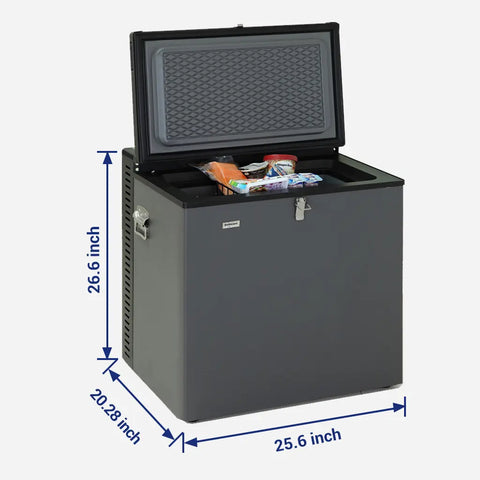
Portability matters if you move the fridge often. Choose lightweight models for easy carrying. Handles and wheels add convenience. Also, check the shape and size to fit your vehicle. A portable fridge makes packing and unpacking faster and less stressful.
Preparing For Packing
Preparing your chest type 12V refrigerator for packing is essential. It helps keep the fridge clean and prevents damage during transport. Proper preparation also makes unpacking easier and faster. This section covers key steps to get your fridge ready for packing.
Cleaning And Defrosting
Start by emptying all food and drinks. Remove shelves and drawers if possible. Wipe the interior with a mild soap solution. Use a soft cloth to avoid scratches. Defrost the freezer completely to stop water leaks. Leave the door open to dry the inside fully. This prevents mold and bad odors during storage.
Gathering Packing Supplies
Collect materials to protect your fridge during the move. Use bubble wrap or foam sheets to cover the exterior. Cardboard or thick blankets can cushion the fridge. Secure loose parts with tape or plastic wrap. Prepare a sturdy box or crate if needed. Have packing tape and markers ready for sealing and labeling.
Planning Storage Layout
Choose a dry, cool place for storing the fridge. Avoid direct sunlight and damp areas. Measure the space to ensure a good fit. Keep the fridge upright to protect its compressor. Plan enough room to open the door later. Arrange packing materials around the fridge to prevent scratches. This layout helps maintain the fridge’s condition.
Maximizing Space Inside The Refrigerator
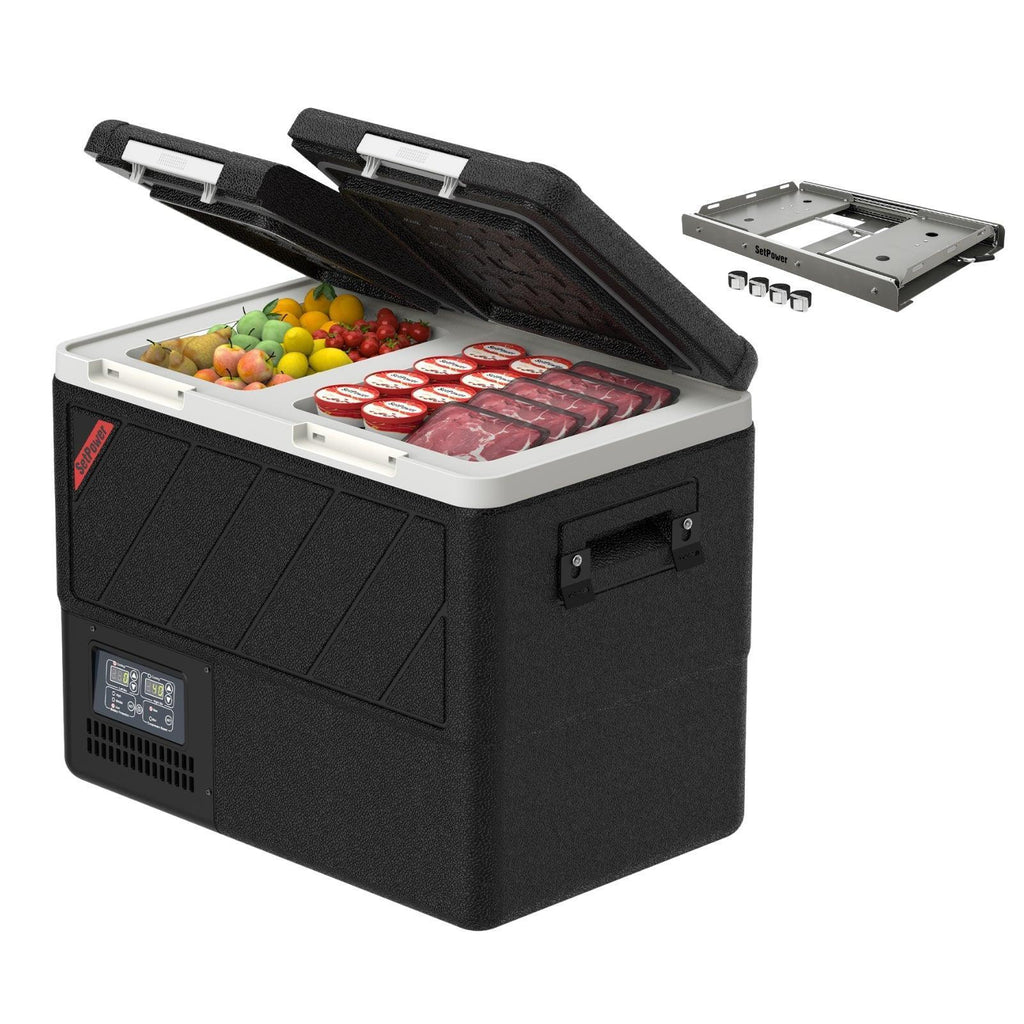
Maximizing space inside your chest type 12V refrigerator is essential for keeping your food fresh and your fridge organized. A well-packed fridge not only saves space but also makes it easier to find what you need quickly. Let’s look at some practical ways to make the most of every inch inside your refrigerator.
Using Stackable Containers
Stackable containers are a game changer for saving space. They allow you to build upward instead of spreading items out, which is perfect for the limited height inside a chest refrigerator.
Choose containers that fit snugly inside your fridge and have secure lids to prevent spills. Clear containers help you see what’s inside without opening them, saving you time and keeping the cold air in.
Think about packing meals or snacks in these containers. It keeps things neat and makes it easier to grab what you need without disturbing other items.
Organizing By Food Type
Separating items by food type helps keep your fridge tidy and reduces the time spent searching. Group similar items like dairy, meats, fruits, and vegetables together.
You could designate one corner for drinks and another for leftovers. This arrangement lets you open the fridge with purpose and avoid unnecessary air loss.
Have you noticed how mixing raw and cooked foods can cause cross-contamination? Keeping these apart inside your fridge also helps maintain hygiene.
Utilizing Door And Side Compartments
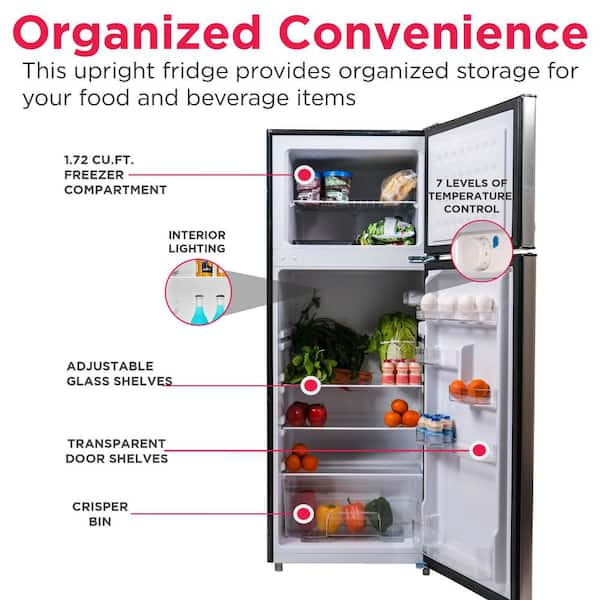
Don’t forget the door and side compartments—they are perfect spots for smaller or frequently used items. Store sauces, condiments, and small bottles here to free up main space.
Use these compartments for items that can tolerate slight temperature changes, as the door area is warmer than the fridge’s interior.
By using every compartment wisely, you create a fridge that works for you, not against you. What small items do you think could fit perfectly in these spaces?
Credit: www.setpowerusa.com
Packing Tips For Different Food Items
Packing your chest type 12V refrigerator efficiently can make a big difference in how well your food stays fresh and how easy it is to access. Different food items need different care and arrangement to keep their best quality and avoid cross-contamination. Let’s look at practical tips for packing frozen foods, fresh produce, and your favorite beverages and snacks.
Packing Frozen Foods
Frozen foods need to stay as cold as possible to avoid thawing and refreezing, which can ruin texture and taste. Place heavier frozen items at the bottom to keep them stable and prevent crushing. Use airtight bags or containers to stop freezer burn and keep odors from mixing.
Have you noticed how some frozen foods thaw faster than others? Separate items like ice cream or berries from meats by using insulated bags or wrapping them well. This way, you protect delicate frozen goods and keep everything evenly chilled.
Storing Fresh Produce
Fresh fruits and vegetables should be packed in a way that allows air circulation to prevent moisture buildup and spoilage. Use mesh bags or perforated containers to keep produce fresh longer. Avoid placing heavy items on top of soft fruits like tomatoes or berries to prevent bruising.
Think about how you buy produce at the market: leafy greens stay crisp in breathable bags, and apples keep better when not crowded. Try to group similar items together—citrus fruits in one section, leafy greens in another—to make them easy to find and reduce waste.
Arranging Beverages And Snacks
Keep beverages upright and secure to avoid spills and leaks. Use bottle holders or dividers if your chest fridge has them, or create barriers with small boxes or containers. Place snacks in clear, resealable bags so you can quickly spot what you want without digging through everything.
Have you ever opened a fridge and spilled a soda all over your snacks? Prevent that by storing drinks on one side and snacks on the other. This simple habit saves time and keeps your fridge clean.
Securing The Refrigerator For Transport
Securing your chest type 12V refrigerator properly during transport is crucial to prevent damage and ensure it works perfectly once you arrive. You want to keep it safe from physical impacts and avoid any power issues that could cause malfunctions. Let’s break down how to protect your fridge effectively.
Sealing The Lid Properly
Make sure the lid is tightly closed before moving the refrigerator. A loose lid can swing open during transport, causing damage inside or spilling contents. Use strong tape or straps to hold the lid firmly shut without damaging the seal.
Check the seal for any dirt or debris that could prevent a tight closure. Cleaning the rubber gasket before sealing helps maintain the fridge’s efficiency and protects it from wear. Have you ever had a fridge lid pop open in the middle of a trip? Avoid that hassle by double-checking your seal.
Protecting Against Shocks And Vibrations
Chest type refrigerators are sensitive to shocks and vibrations, which can harm the compressor and internal parts. Wrap the fridge in moving blankets or bubble wrap to cushion it. Place it on a flat surface in your vehicle to minimize shifting during travel.
Use foam padding or sturdy boxes around it to absorb bumps. Securing the fridge with straps prevents it from sliding around, which is often the cause of internal damage. Think about how rough your route might be—does your packing provide enough protection?
Handling Power Connections
Disconnect the power supply before moving the fridge to avoid electrical hazards. Make sure all cables are safely tucked away or coiled to prevent tripping or damage. If your fridge has a detachable power cord, remove it completely for safer transport.
Once you reach your destination, wait a few hours before plugging the fridge back in. This pause lets the refrigerant settle, protecting the compressor from damage. Have you ever powered on a fridge immediately after transport and faced issues? This simple step can save you from that problem.
Credit: www.homedepot.com
Maintaining Efficiency On The Road
Keeping your chest type 12V refrigerator efficient on the road is key to ensuring your food stays fresh and your power lasts longer. Small habits and smart monitoring can save you from unexpected spoilage or battery drain. Think about how you use your fridge daily—could a few adjustments make a big difference?
Temperature Monitoring
Regularly checking the temperature inside your fridge helps keep it at the right level without overworking the compressor. Aim for around 37-40°F (3-4°C) for fresh food and 0°F (-18°C) for frozen items.
Use a small digital thermometer to get accurate readings. If your fridge doesn’t have one built-in, placing a thermometer inside is a smart move. Noticing temperature spikes early lets you adjust settings before food spoils.
Minimizing Door Openings
Every time you open the fridge door, cold air escapes and warm air rushes in, forcing the fridge to work harder. Try to plan what you need before opening the door to keep it open for the shortest time possible.
Organize your fridge so frequently used items are easy to reach. This reduces how long the door stays open. Have you noticed how quickly the temperature rises after just a few seconds of opening the door?
Power Source Management
Your chest refrigerator runs on a 12V power source, usually from your vehicle’s battery or a dedicated battery system. It’s important to monitor your power supply to avoid draining the battery completely.
Consider using a battery monitor or voltage alarm to keep track. When camping or on long trips, pairing your fridge with a solar panel or portable generator can help maintain power. Have you tested your setup to see how long your fridge can run before needing a recharge?
Credit: www.smadappliances.com
Frequently Asked Questions
How Do I Prepare A 12v Chest Fridge For Packing?
Clean the fridge and remove all food items. Defrost if needed, then dry completely. Secure the door to prevent opening during transport.
What Items Should I Pack Inside A Chest Type 12v Fridge?
Pack only sealed, non-perishable items to avoid spills. Use small containers and avoid overfilling to ensure proper cooling.
How To Safely Transport A 12v Chest Refrigerator?
Keep the fridge upright during transport to protect the compressor. Use straps to secure it and avoid sudden movements.
Can I Pack A Running 12v Chest Refrigerator?
It’s best to turn off and unplug the fridge before packing. This prevents damage and conserves battery power during transport.
Conclusion
Packing a chest type 12V refrigerator is simple with the right steps. Keep items organized and secure to avoid damage during travel. Use soft padding to protect the fridge and its contents. Ensure the fridge stays upright and stable while moving.
Follow these tips to make packing quick and safe. Enjoy fresh food and drinks wherever you go. A well-packed fridge helps keep everything cold and fresh. Stay prepared and travel with confidence.