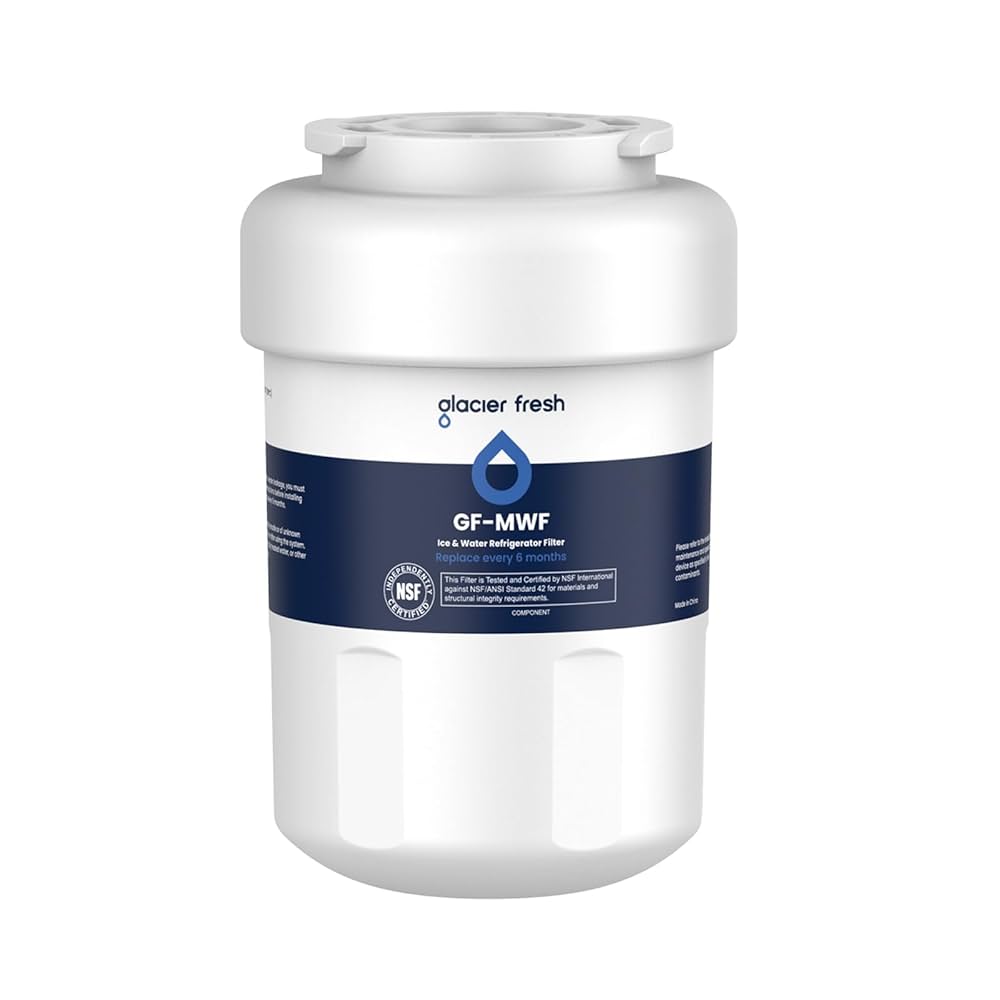
Are you considering whether to invest in a refrigerator water filter? It’s a common question that many people ponder.
You might wonder if these filters are really worth it, or if they actually make a difference in the quality of your drinking water. Let’s face it, water is essential for your health, and ensuring its purity is crucial. Imagine the peace of mind knowing that every sip you take is cleaner, fresher, and better for you and your family.
We will explore the ins and outs of refrigerator water filters, uncovering their benefits, potential drawbacks, and whether they’re a smart choice for your home. Keep reading to discover if this small investment could lead to a healthier lifestyle for you and those you care about.

Credit: www.amazon.ca
Benefits Of Refrigerator Water Filters
Refrigerator water filters offer several clear advantages that can improve your daily water experience. They not only enhance the quality of water but also add a layer of convenience that many of us often overlook. Understanding these benefits can help you decide if a refrigerator water filter is the right choice for your home.
Improved Taste And Odor
Have you ever noticed a strange taste or smell in your tap water? Refrigerator water filters can significantly reduce chlorine and other chemicals that cause unpleasant tastes and odors. This means the water you drink and use for cooking tastes fresher and cleaner, making hydration more enjoyable.
Improved taste can encourage you and your family to drink more water, which is essential for good health. It’s a simple upgrade that transforms everyday water into a refreshing experience.
Removal Of Contaminants
Water from the tap can contain various contaminants such as lead, mercury, and pesticides. Refrigerator water filters are designed to remove many of these harmful substances, providing safer water for your household. This is especially important if you live in an area with questionable water quality or older plumbing.
Filtering out contaminants protects your health and gives you peace of mind. Would you feel safer knowing your water is cleaner with just a small investment?
Convenience And Accessibility
Having a water filter built into your refrigerator means clean water is always within easy reach. You don’t have to buy bottled water or use separate filtration pitchers that need refilling. This convenience saves time and reduces plastic waste.
With just a push of a button, you get chilled, filtered water without any hassle. How much easier would your daily routine be with instant access to filtered water?
Types Of Refrigerator Water Filters
Choosing the right refrigerator water filter can make a big difference in the taste and safety of your drinking water. Different types of filters work in various ways to remove impurities. Understanding these types helps you pick the best option for your needs and ensures your water stays fresh and clean.
Carbon Filters
Carbon filters are the most common type used in refrigerators. They work by trapping chlorine, bad odors, and some chemicals that affect taste. If you’ve ever noticed a strange smell or taste in your water, a carbon filter can fix that quickly.
These filters are affordable and easy to replace. However, they may not remove all contaminants, such as heavy metals or bacteria. So, if you want basic purification and improved flavor, carbon filters are a solid choice.
Reverse Osmosis Filters
Reverse osmosis (RO) filters go deeper by pushing water through a semi-permeable membrane. This process removes a wide range of impurities, including heavy metals, fluoride, and even some viruses. If you’re concerned about serious contaminants, RO filters offer strong protection.
One thing to note is that RO systems can waste some water during filtration and usually cost more. They also take up more space, which might be a challenge in smaller refrigerators. Still, if purity is your priority, RO filters deliver excellent results.
Other Common Filter Types
Besides carbon and RO, you might find filters using UV light or ion exchange technology. UV filters kill bacteria and viruses by exposing them to ultraviolet light, adding another safety layer. Ion exchange filters target hard water minerals, reducing scale buildup and improving taste.
These options often complement carbon or RO systems rather than replace them. Think about your specific water issues—do you need bacteria control, mineral reduction, or just better taste? Matching the filter type to your water quality makes all the difference in satisfaction.
Effectiveness In Removing Contaminants
Understanding how well refrigerator water filters remove contaminants is key to deciding if they’re worth the investment. These filters aim to improve water taste and safety by targeting various impurities. But how effective are they against the common pollutants found in tap water? Let’s break down their performance in three critical areas.
Chlorine And Chemicals
Most refrigerator filters use activated carbon to reduce chlorine and certain chemicals. Chlorine often causes that unpleasant taste and smell in tap water. A good filter can remove up to 99% of chlorine, making your water taste fresher almost immediately.
Besides chlorine, these filters also reduce volatile organic compounds (VOCs) and some pesticides. However, their efficiency varies by brand and filter type. Have you noticed a big difference in taste after changing your filter? That’s a good sign it’s working well against chemicals.
Heavy Metals
Heavy metals like lead, mercury, and copper pose serious health risks even at low levels. Many refrigerator filters include components designed to catch these metals before they reach your glass. Filters certified by organizations like NSF can cut lead levels by over 90%.
Still, not all filters handle heavy metals equally. Some might reduce copper but do less against mercury. Checking the filter’s certification and test results is the best way to know what it removes. Do you know what metals are common in your local water supply?
Microorganisms
Microorganisms such as bacteria and viruses are tough to filter out. Most refrigerator water filters are not designed to remove these pathogens effectively. If your water source risks microbial contamination, you may need additional treatment like UV purification or boiling.
Still, some filters include bacteriostatic media that inhibit bacterial growth within the filter itself. This helps keep the filter cleaner longer but doesn’t guarantee safe drinking water from all microbes. Are you confident your water source is free from biological contaminants?

Credit: www.homedepot.com
Limitations And Drawbacks
Refrigerator water filters offer clear benefits, but they also come with some limitations you should consider. Understanding these drawbacks can help you decide if the convenience and quality improvements are worth the investment. Let’s break down some common issues people face when using these filters.
Filter Lifespan And Replacement
Water filters don’t last forever. Most filters need to be replaced every 3 to 6 months, depending on your water usage and quality.
If you don’t replace the filter on time, it can become less effective or even clog, reducing water flow and taste. Ignoring replacement schedules can also lead to contaminants passing through, defeating the filter’s purpose.
Have you ever forgotten to change a filter and noticed your water tasting off? That’s a clear sign it’s time for a new one.
Cost Considerations
Replacing refrigerator water filters regularly can add up over time. While each filter might not be very expensive, the recurring costs can impact your budget.
Some brands charge more for their filters, and cheaper alternatives might not perform as well. It’s important to balance cost with quality to avoid wasting money on ineffective filters.
- Check if your refrigerator brand offers affordable filter options.
- Consider buying filters in bulk to save money.
- Be cautious of very low-cost filters that may not meet safety standards.
Potential For Bacterial Growth
If the filter isn’t replaced on time or if your water system isn’t properly maintained, bacteria can grow inside the filter or dispenser. This can contaminate your water and pose health risks.
Some users overlook cleaning their water dispenser regularly, which can allow mold or bacteria to develop. This problem is avoidable but requires consistent attention.
Ask yourself: Are you ready to stick to a maintenance schedule to keep your water safe? Neglecting this can turn a helpful filter into a hidden source of contamination.
How To Choose The Right Filter
Choosing the right refrigerator water filter affects water quality and taste. A proper filter removes impurities, ensuring clean drinking water. It also protects your fridge’s internal parts from damage. Focus on key factors for the best choice.
Compatibility With Refrigerator Models
Check the filter model number before buying. Filters fit certain fridge brands and models only. Using an incompatible filter can cause leaks or poor filtration. Consult your fridge manual or manufacturer website for correct filter types.
Certification And Standards
Look for filters certified by recognized organizations. Certifications like NSF or ANSI prove the filter removes harmful contaminants. These standards guarantee safety and performance. Avoid filters without proper certification to ensure water purity.
User Reviews And Brand Reputation
Read customer feedback for real-world filter performance. Reviews highlight pros and cons not listed on packaging. Choose filters from brands with strong reputations for quality and reliability. Trusted brands often offer better customer support and warranties.
Maintenance Tips For Optimal Performance
Keeping your refrigerator water filter in top shape is key to enjoying clean, fresh-tasting water every day. Proper maintenance not only extends the life of the filter but also ensures that contaminants are effectively removed. Neglecting simple upkeep can reduce performance and may even affect your health.
Regular Replacement Schedule
Stick to the replacement schedule recommended by your refrigerator’s manufacturer. Most filters need changing every 6 months, but this can vary based on water quality and usage. Waiting too long can cause buildup that blocks water flow and lowers filter efficiency.
Mark your calendar or set a phone reminder to avoid missing the replacement date. Have you ever noticed a sudden drop in water taste or flow? That’s often a sign the filter is overdue for a change.
Cleaning The Filter Area
Before installing a new filter, take a moment to clean the filter housing. Wipe away any dust, dirt, or mold with a damp cloth to prevent contamination. A clean filter slot helps maintain a good seal and prevents leaks.
Don’t forget to check the water dispenser and ice maker connections too. Flushing the system with water after a filter change can clear out trapped air or loose particles, improving overall performance.
Signs Your Filter Needs Changing
Pay attention to these clear signs that your filter needs replacement:
- Water tastes or smells off, even after cooling
- Water flow slows down noticeably
- Ice cubes appear cloudy or have an unusual odor
- The indicator light on your fridge signals a change
Ignoring these warnings risks drinking contaminated water. How often do you check your filter? Staying proactive keeps your water fresh and your fridge running smoothly.
Alternatives To Refrigerator Water Filters
If you’re questioning whether refrigerator water filters are the best choice, it’s smart to look at other options. Alternatives can offer different benefits, depending on your needs, budget, and water quality. Let’s dive into some popular choices that might fit better with your lifestyle.
Pitcher Filters
Pitcher filters are an easy and affordable way to improve your drinking water. You simply fill the pitcher and wait a few minutes for the filter to do its job. These filters usually target chlorine taste, odors, and some heavy metals.
One thing to keep in mind: pitcher filters need frequent refilling and filter changes. I once switched to a pitcher filter when my fridge filter stopped working, and I found it convenient for small households but less so for larger families. Do you drink enough water to make constant refills a hassle?
Under-sink Filtration Systems
Under-sink filters connect directly to your water line, providing filtered water from a dedicated tap. These systems often remove more contaminants than fridge filters, including lead, pesticides, and sediments.
Installation might require some plumbing skills or professional help, but the long-term payoff can be worth it. I installed one myself and noticed a clear improvement in water taste and clarity. Think about how much filtered water you use daily—could this setup save you time and money?
Whole-house Water Filters
Whole-house filters treat all the water entering your home, not just the drinking water. They protect your pipes and appliances from scale and sediment while improving water quality for showers and laundry.
While these systems are pricier and need professional installation, they offer comprehensive water treatment. If your water has a strong odor or visible particles, this might be the solution you didn’t know you needed. Are you ready to upgrade your entire home’s water quality instead of just your drinking water?

Credit: www.dtappliance.com
Frequently Asked Questions
Are Refrigerator Water Filters Necessary?
Refrigerator water filters improve water taste and remove contaminants. They reduce chlorine, lead, and sediments. Using filters ensures cleaner, safer drinking water and protects your appliance. While not essential, they enhance water quality significantly.
How Often Should I Replace The Filter?
Replace your refrigerator water filter every 6 months or 200 gallons. Frequent changes maintain water purity and prevent clogging. Regular replacement ensures optimal filtration performance and protects your health.
Do Refrigerator Filters Remove Bacteria And Viruses?
Most refrigerator filters remove chlorine and sediments but not all bacteria or viruses. For full microbial protection, use certified filters or additional purification systems. Always check filter specifications for effectiveness against pathogens.
Can Water Filters Save Money Long-term?
Yes, using refrigerator water filters can save money by reducing bottled water purchases. Filters provide clean water at home, lowering plastic waste and costs. Proper maintenance extends filter life and maximizes savings.
Conclusion
Refrigerator water filters help improve water taste and quality. They reduce impurities and make water safer to drink. Changing filters regularly keeps them working well. These filters are easy to use and save money over bottled water. Clean water supports your health every day.
Choosing a good filter adds value to your fridge. Simple steps lead to better hydration and peace of mind. Consider your needs and water source when selecting a filter. Clean, fresh water is always worth it.