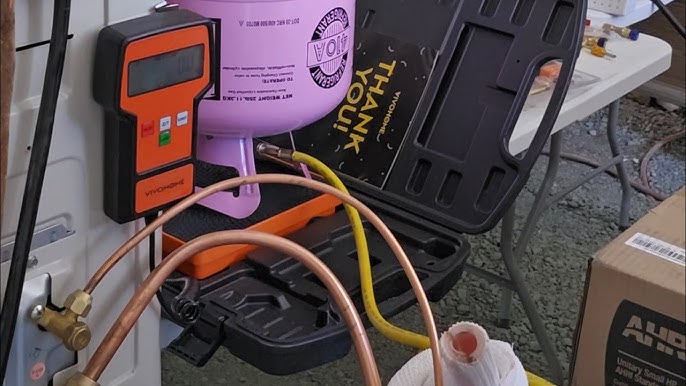
Have you ever thought about the hidden complexities inside your refrigerator? If you’re considering a DIY approach to handling your fridge, knowing how to recover refrigerant safely is crucial.
This process can seem daunting, but don’t worry—you’re not alone in this. With the right guidance, you can learn to manage this task like a pro. Did you know that improper handling of refrigerant not only harms the environment but can also lead to hefty fines?
Stay with us, and you’ll discover simple, effective steps to tackle refrigerant recovery, ensuring both safety and compliance. Your fridge’s health—and your peace of mind—depend on it. Let’s dive into the details that will empower you to take control with confidence.

Credit: www.searshomeservices.com
Tools And Equipment Needed
Recovering refrigerant from a refrigerator requires specific tools and equipment to ensure the process is safe and efficient. Without the right gear, you risk damaging your appliance or exposing yourself to harmful chemicals. Let’s look at what you need to get the job done properly.
Essential Recovery Tools
First, you’ll need the basic tools that help you access and handle the refrigerant. These include:
- Manifold gauge set:Allows you to measure the pressure of the refrigerant and control its flow.
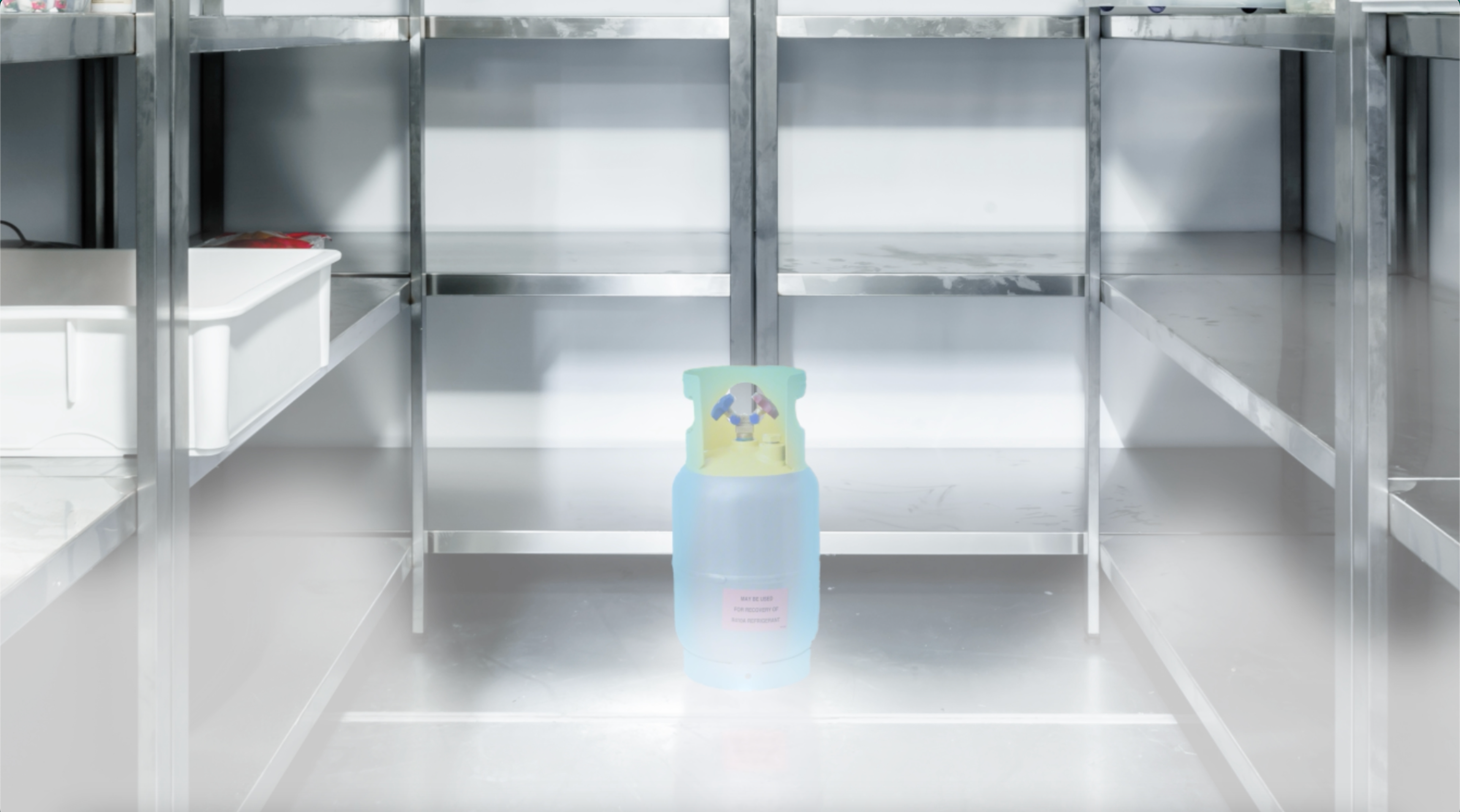
- Refrigerant recovery cylinder:A special container designed to store recovered refrigerant safely.
- Hoses and connectors:To connect the gauges and recovery machine to the refrigerator system securely.
- Wrenches and screwdrivers:For opening service ports and removing panels.
Each tool plays a vital role. Skipping any of these can make the recovery process difficult or unsafe. Have you checked if your tools are compatible with your refrigerator model?
Safety Gear
Handling refrigerants isn’t something to take lightly. You must protect yourself at all times. Your safety gear should include:
- Safety goggles:To shield your eyes from accidental splashes or gas leaks.
- Gloves:Preferably chemical-resistant gloves to avoid skin contact with refrigerants.
- Long sleeves and pants:To minimize skin exposure.
- Respirator mask:If you’re working in an enclosed space or with refrigerants prone to harmful fumes.
Have you ever underestimated safety gear and regretted it? Protecting yourself upfront saves you from serious health risks later.
Refrigerant Recovery Machine
The heart of the recovery operation is the refrigerant recovery machine. This device pulls the refrigerant out of the refrigerator and pumps it into the recovery cylinder. It comes in various sizes and capacities, so choose one based on the volume of refrigerant you expect to recover.
Look for features like automatic shutoff, ease of use, and energy efficiency. These can make your task smoother and safer. If you’ve never used one before, reading the manual carefully or watching a demonstration video can be a game-changer.
Preparing The Work Area
Preparing the work area is essential before recovering refrigerant from a refrigerator. A clean and safe space prevents accidents and helps the process go smoothly. Setting up properly reduces risks and protects both you and the environment.
Choosing A Safe Location
Select a spot away from flames, sparks, and heat sources. Avoid crowded areas or places with heavy foot traffic. The surface should be stable and level to keep tools and equipment steady. A garage or workshop with enough room works well.
Ventilation And Lighting
Good airflow is crucial to avoid harmful gas buildup. Open windows and doors to create cross-ventilation. Use fans if natural ventilation is weak. Bright lighting helps you see clearly and work safely. Portable work lights or overhead lamps are ideal.
Disconnecting Power
Always unplug the refrigerator before starting. This prevents electrical shocks and accidental compressor activation. Double-check that the appliance is fully powered off. Use a circuit breaker if needed to cut power at the source.
Locating The Refrigerant Lines
Locating the refrigerant lines is the first step in recovering refrigerant from a refrigerator. These lines carry the refrigerant through the cooling system. Understanding their position helps avoid damage and ensures safe handling of the refrigerant.
Refrigerant lines are usually found at the back or bottom of the refrigerator. They connect the compressor, condenser, and evaporator. Identifying these lines correctly is crucial before proceeding with recovery.
Identifying High And Low-pressure Lines
The refrigerant system has two main lines: high-pressure and low-pressure. The high-pressure line is smaller in diameter and hotter to the touch. The low-pressure line is thicker and cooler.
- High-pressure line carries refrigerant from compressor to condenser.
- Low-pressure line carries refrigerant from evaporator back to compressor.
Touching the lines carefully helps feel the temperature difference. This simple test helps confirm which line is which.
Accessing The Service Valves
Service valves are located on the refrigerant lines. These valves allow connection to recovery equipment. They often have protective caps that need to be removed first.
- Locate the valves near the compressor or compressor housing.
- Remove the caps carefully without damaging the valves.
- Use proper tools to connect hoses for refrigerant recovery.
Accessing service valves properly ensures safe and effective refrigerant recovery. Avoid forcing or damaging the valves during this process.
Connecting The Recovery Machine
Connecting the recovery machine correctly is crucial before you start pulling refrigerant from your refrigerator. This step ensures the process runs smoothly and safely, preventing any loss of refrigerant or exposure to harmful chemicals. Taking your time here can save you from costly mistakes and environmental hazards.
Attaching Hoses To Valves
Start by identifying the service valves on your refrigerator. These valves are usually located near the compressor or on the refrigerant lines. Make sure the recovery machine is turned off before connecting any hoses.
Attach the hoses firmly to the corresponding valves: the low-pressure hose to the low side valve and the high-pressure hose to the high side valve. A loose connection can cause leaks or inaccurate pressure readings. If you feel resistance or the hose doesn’t fit easily, double-check the size and type of hose.
Personal tip: I once rushed this step and ended up with refrigerant escaping into the air. It’s better to double-check each connection than to deal with the cleanup later. Have you ever experienced a leak that could have been prevented by a simple check?
Checking For Leaks
After attaching the hoses, the next crucial step is to check for leaks. Even a small leak can reduce the efficiency of the recovery process and harm the environment.
Use a leak detector or a soap solution to inspect all connection points. Apply the soap solution around the hose ends and valves and watch for bubbles. If bubbles appear, it means there’s a leak that needs tightening or replacing the hose.
Don’t ignore minor leaks thinking they’re harmless. They add up and can cause serious issues over time. Have you noticed any hissing sounds or unusual smells during your last recovery attempt? These signs often point to leaks that need attention.
Recovering The Refrigerant
Recovering the refrigerant is a crucial task in refrigerator maintenance and repair. It helps protect the environment by preventing harmful gases from escaping. The process requires care, proper tools, and attention to safety. Follow these steps to recover refrigerant correctly and efficiently.
Starting The Recovery Process
Begin by turning off the refrigerator and unplugging it. Wear protective gloves and goggles to stay safe. Connect the recovery machine to the service port on the refrigerator. Open the valves slowly to let refrigerant flow into the recovery tank. Make sure all connections are tight to avoid leaks.
Monitoring Pressure Levels
Watch the pressure gauges on the recovery machine closely. The pressure shows how much refrigerant remains in the system. Keep the pressure within safe limits as recommended by the machine’s manual. Stop the recovery if pressure drops too low or if the tank is full. This prevents damage to equipment and ensures safety.
Completing The Recovery
Once the refrigerant is fully recovered, close all valves carefully. Turn off the recovery machine and disconnect the hoses. Check for any refrigerant leaks around the connections. Store the recovered refrigerant properly in a certified tank. Label the tank clearly and handle it with care for future use or disposal.
Handling And Storing Recovered Refrigerant
Handling and storing recovered refrigerant requires care and attention. Proper methods prevent leaks and ensure safety. Following guidelines helps protect the environment and maintain system efficiency.
Proper Storage Containers
Use containers designed for refrigerant storage. These containers must be clean and free of rust. They should have tight seals to avoid leaks. Always choose containers made from materials compatible with refrigerants.
Store containers upright in a cool, dry place. Avoid exposing them to heat or direct sunlight. Keep containers away from sharp objects or areas where they can fall.
Labeling And Documentation
Label each container clearly with the refrigerant type. Include the date of recovery and the source appliance. Proper labels help track refrigerant and avoid mix-ups.
Maintain records of all recovered refrigerants. Document the amount recovered and storage location. This information supports safe handling and regulatory compliance.
Disposing Of Refrigerant Safely
Disposing of refrigerant safely is crucial for protecting the environment and complying with legal requirements. Refrigerants can harm the ozone layer and contribute to global warming if released improperly. Handling them responsibly ensures you avoid fines and environmental damage.
Environmental Regulations
Refrigerants are regulated under strict laws to prevent environmental damage. These regulations control how refrigerants must be captured, stored, and disposed of. For instance, in many countries, releasing refrigerants into the atmosphere is illegal and can result in hefty penalties.
Understanding these regulations helps you stay compliant and avoid legal trouble. Agencies like the EPA in the United States or equivalent bodies worldwide set clear guidelines. Are you aware of the specific rules in your area?
Finding Certified Disposal Services
Certified disposal services specialize in safely recovering and recycling refrigerants. These professionals use approved equipment to capture and handle refrigerants without releasing them. They also ensure the refrigerant is either recycled or destroyed properly.
You can find certified services through local environmental agencies or HVAC industry associations. Choosing a certified service protects you from liability and guarantees eco-friendly disposal. Have you checked if your service provider holds the necessary certifications?
Common Mistakes To Avoid
Recovering refrigerant from a refrigerator requires care and attention. Mistakes can cause harm to you, the environment, or the appliance. Recognizing common errors helps prevent accidents and ensures effective recovery. Avoiding these pitfalls saves time and protects your health.
Improper Handling Risks
Refrigerants are chemicals that can be harmful if handled incorrectly. Avoid direct skin or eye contact. Always wear protective gloves and goggles. Never inhale the gas; it can cause dizziness or breathing problems. Store recovered refrigerant in approved containers only. Avoid releasing refrigerant into the air; it damages the environment. Handle cylinders carefully to prevent leaks or bursts. Do not expose refrigerant containers to heat or open flames.
Equipment Misuse
Using the wrong tools causes leaks and poor recovery. Always use recovery machines designed for your refrigerant type. Check hoses and connections for cracks or wear before starting. Avoid mixing refrigerants in the same container to prevent contamination. Do not overfill recovery tanks; this can cause pressure issues. Calibrate your equipment regularly to ensure accurate readings. Follow manufacturer instructions strictly to avoid equipment damage or failure.
Tips For Efficient Recovery
Efficient refrigerant recovery saves time and reduces waste. It protects the environment and ensures safety. Proper techniques make the process smoother and more effective. Keep the right tools and habits for the best results.
Maintaining Equipment
Check recovery machines before each use. Clean filters and valves regularly. Replace worn hoses to prevent leaks. Store tools in a dry, safe place. Calibration ensures accurate pressure readings. Well-maintained equipment works faster and lasts longer.
Best Practices
- Work in a well-ventilated area to avoid gas buildup.
- Wear safety gloves and goggles to protect yourself.
- Connect hoses tightly to avoid leaks during recovery.
- Use the correct recovery method for the refrigerant type.
- Avoid overfilling recovery tanks to maintain safety.
- Follow local regulations for refrigerant handling and disposal.
- Label recovered refrigerant tanks clearly for future use.
Credit: appiontools.com

Credit: www.ebay.com
Frequently Asked Questions
How Do You Safely Recover Refrigerant From A Refrigerator?
To recover refrigerant safely, wear protective gear and use proper recovery equipment. Follow EPA guidelines to avoid releasing gases. Ensure the refrigerator is unplugged and work in a well-ventilated area. Capture refrigerant in a recovery tank to prevent environmental harm.
What Tools Are Needed To Recover Refrigerator Refrigerant?
Essential tools include a refrigerant recovery machine, recovery tank, manifold gauge set, and protective gloves. These tools help safely extract and store refrigerant. Using the right equipment ensures compliance with environmental regulations and prevents leaks.
Can I Recover Refrigerant Without Professional Help?
Recovering refrigerant without training is risky and may violate laws. Professionals have certified equipment and knowledge to handle refrigerants safely. DIY recovery can cause injury or environmental damage. It’s best to hire a certified technician for refrigerant recovery.
Why Is Refrigerant Recovery Important For The Environment?
Refrigerants contribute to ozone depletion and global warming if released. Recovering refrigerant prevents harmful gases from entering the atmosphere. Proper recovery reduces environmental impact and complies with legal standards, protecting the planet and public health.
Conclusion
Recovering refrigerant from a refrigerator is a careful process. You need the right tools and safety steps. Avoid releasing refrigerant into the air to protect the environment. Always follow local laws and guidelines. Taking your time helps prevent accidents. Proper handling keeps you and others safe.
Now, you know the basic steps to recover refrigerant safely. This knowledge helps you work responsibly and protect nature. Keep practicing these steps to improve your skills. Safety and care always come first.