Is your refrigerator making strange noises, leaking water, or just not cooling like it used to? You’re not alone.
Many people find themselves in a bind when their trusty kitchen appliance starts acting up. The big question on your mind right now is probably, “How much is refrigerator repair going to cost me? ” This is a common concern, and the answer isn’t always straightforward.
But don’t worry—you’re in the right place. By the end of this article, you’ll have a clear understanding of what factors influence the cost of refrigerator repair. Imagine the peace of mind you’ll have knowing exactly what to expect, and maybe even saving some money in the process. Keep reading to uncover insights that could save you time, stress, and cash on your next refrigerator repair.

Credit: www.searshomeservices.com
Common Refrigerator Issues
Refrigerators often face common problems that need quick attention. Understanding these issues helps in estimating repair costs. Regular signs warn you about underlying faults. Early detection can save money and food spoilage.
Cooling Problems
Refrigerators may stop cooling properly. This issue causes food to spoil faster. It can result from dirty coils, faulty compressors, or blocked vents. Poor cooling often leads to higher electricity bills.
Leaking Water
Water leaks inside or outside the fridge. This happens due to clogged defrost drains or damaged door seals. Leaks can cause floor damage and mold growth. Timely repair prevents bigger problems.
Strange Noises
Unusual sounds come from the fridge. Noises like buzzing, clicking, or rattling signal mechanical trouble. It may involve the fan, motor, or compressor. Ignoring noises can worsen the damage.
Ice Maker Malfunctions
Ice makers may stop working or produce too little ice. Problems include frozen water lines or faulty sensors. Ice buildup blocks water flow. Fixing these issues restores normal ice production.

Credit: www.wacoappliancerepairs.com
Factors Affecting Repair Costs
Understanding what affects refrigerator repair costs can help you prepare better and avoid surprises. Repair expenses vary widely based on several key factors. Knowing these can guide you in deciding whether to repair or replace your appliance.
Type Of Refrigerator
The kind of refrigerator you have significantly impacts repair costs. Basic models usually cost less to fix, while high-end or specialty refrigerators, like French door or smart fridges, often require pricier parts and specialized service.
Have you ever noticed how some repairs for compact fridges are surprisingly affordable compared to the complex systems in side-by-side models? This difference stems from their design and technology.
Age And Model
Older refrigerators may be harder to repair because parts become scarce or obsolete. Newer models, especially those with advanced features, might need technicians with specific training, adding to the cost.
If your fridge is over 10 years old, consider if the repair cost approaches the price of a new unit. Sometimes, investing in a new fridge is more practical.
Parts Replacement
The type and number of parts needing replacement directly affect the repair bill. Small components like thermostats are cheaper, but major parts such as compressors or evaporators can be costly.
Think about your last repair: was it a quick fix or did it involve swapping out expensive parts? This can be the difference between a minor expense and a major one.
Labor Charges
Labor costs vary based on the technician’s experience and the complexity of the repair. Some repairs take an hour; others require multiple visits and hours of work.
Ask your repair service if they charge a flat fee or by the hour. Knowing this upfront can help you avoid unexpected charges.
Location Variations
Where you live plays a role in repair pricing. Urban areas with higher living costs often have higher labor rates than rural regions.
Additionally, availability of certified technicians in your area can impact how quickly and affordably your fridge gets fixed. Have you checked local rates lately?
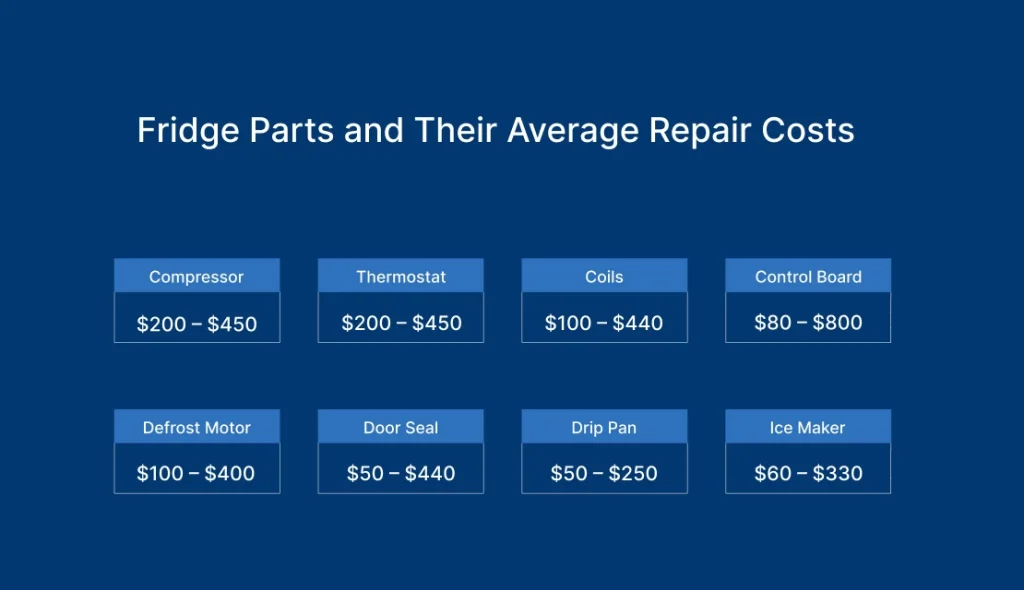
Typical Repair Cost Breakdown
Understanding the typical repair cost breakdown helps you prepare for potential expenses and avoid surprises. Each refrigerator issue comes with its own price tag, influenced by parts and labor. Knowing what to expect lets you make smarter choices about fixing your appliance.
Compressor Repair Or Replacement
The compressor is the heart of your refrigerator. Repairing it can cost between $200 and $400, but replacing it often ranges from $500 to $1,200. This wide range depends on the model and whether the technician needs to remove the entire unit.
Have you noticed your fridge running nonstop or making strange noises? These signs often point to compressor problems, which can quickly drain your energy bills if left unchecked.
Thermostat Fixes
Thermostat issues usually cost less to repair, typically between $100 and $250. The thermostat controls the temperature, so if your fridge is too warm or too cold, this part might be to blame. Fixing it can save you from food spoilage and higher energy costs.
Think about how often you adjust your fridge’s temperature—could this be a sign it’s not working properly?
Condenser Coil Cleaning
Cleaning condenser coils is one of the simplest and cheapest fixes, usually costing $50 to $150. Dirty coils force your fridge to work harder, increasing energy use and wear. Regular cleaning can extend your refrigerator’s life and improve efficiency.
Are you aware of when your coils were last cleaned? Skipping this maintenance could cost you more in the long run.
Seal And Gasket Repairs
Damaged seals or gaskets let cold air escape, causing your fridge to overwork. Repair or replacement typically costs between $100 and $300. Fixing these can drastically improve cooling and reduce energy waste.
Have you checked if the door seals are tight? Simple fixes here can save you money and keep your food fresher.
Fan Motor Issues
The fan motor moves air across the coils and inside the fridge. Repair costs range from $150 to $300, depending on the motor type. If your fridge sounds louder than usual or doesn’t cool evenly, the fan motor might be the culprit.
Ignoring fan problems can lead to bigger repairs. What’s the last sound your fridge made?
Diy Vs Professional Repairs
Deciding between fixing your refrigerator yourself or hiring a professional can be tricky. Both options have their place depending on the problem, your skills, and your budget. Let’s break down when you should try DIY repairs, the risks involved, and the clear benefits of calling in an expert.
When To Attempt Diy
Simple issues like replacing a water filter, cleaning condenser coils, or changing door seals are perfect for DIY. These tasks require minimal tools and basic knowledge, making them accessible for most people.
If you notice your fridge isn’t cooling properly, checking the thermostat settings or defrosting the freezer might solve the problem without professional help. Have you ever successfully fixed a minor appliance issue on your own? That confidence can save you money and time.
Risks Of Diy Repairs
More complex problems like refrigerant leaks, compressor failure, or electrical faults carry real risks. Attempting these repairs without the right tools or expertise can lead to further damage or even personal injury.
For example, handling refrigerants improperly can be hazardous, and some repairs might void your warranty. Have you considered how much additional damage an incorrect fix might cause to your fridge?
Benefits Of Hiring Experts
Professional technicians bring experience, specialized tools, and safety knowledge to the table. They can quickly diagnose issues and perform repairs correctly the first time.
Hiring an expert often means your refrigerator will run more efficiently, potentially saving you money on energy bills. Plus, many repair services offer guarantees, giving you peace of mind. Isn’t it worth investing a little more to avoid repeated problems?
Ways To Save On Refrigerator Repairs
Refrigerator repairs can quickly become expensive, but there are smart ways to reduce the cost without compromising the quality of the fix. Saving money on repairs starts with being proactive and informed about your appliance’s needs. Are you ready to learn how simple actions can protect your fridge and your wallet?
Regular Maintenance Tips
Keeping your refrigerator in good shape prevents many common problems. Clean the coils every few months to improve efficiency and reduce strain on the compressor. Check door seals for cracks or gaps; a tight seal keeps cold air in and energy costs down.
Don’t ignore odd noises or temperature changes—they’re early warning signs. A quick fix now can save you from a costly repair later. Have you checked your fridge’s drip pan and drain hole recently? Clearing any blockages helps avoid water leaks and mold growth.
Warranty And Service Plans
Before paying for any repair, review your refrigerator’s warranty. Many models come with a one-year warranty that covers parts and labor. Some extended warranties or service plans purchased at the time of sale offer additional protection for years.
These plans can be a money saver if your fridge needs multiple repairs. However, check what each plan covers and compare it to potential repair costs. Have you explored whether your credit card or home warranty offers appliance repair benefits?
Choosing Reliable Repair Services
Choosing the right repair service can make a big difference in cost and quality. Look for certified technicians with good reviews and transparent pricing. Avoid companies that quote unusually low prices upfront—they might add hidden fees later.
Ask for an estimate before any work begins and request a warranty on repairs. Reliable services often provide clear communication and stand behind their work. Have you ever experienced a repair job that didn’t last? Finding a trustworthy technician prevents repeating costly mistakes.
When To Replace Instead Of Repair
Deciding whether to repair or replace your refrigerator can be tricky. Sometimes a simple fix is all you need, but there are moments when replacing the entire unit makes more sense. Knowing the right time to switch can save you money, stress, and energy in the long run.
Cost Comparison
Repairs often seem cheaper upfront, but they can add up quickly if the fridge is old or has multiple issues. If the repair cost exceeds 50% of what a new refrigerator would cost, it’s a clear sign to consider replacement.
Think about how many times you’ve fixed the same problem before. Constant repairs not only drain your wallet but also your patience.
Signs Of Irreparable Damage
Some damages are warning flags that a refrigerator may be beyond repair. Look out for:
- Frequent breakdowns despite repairs
- Leaks that cause water damage
- Loud, unusual noises signaling failing components
- Inconsistent cooling or temperature fluctuations
If you notice these signs, ask yourself: Is fixing this fridge worth the effort, or is it time to move on?
Energy Efficiency Considerations
Older refrigerators consume significantly more electricity than newer models. Upgrading to an energy-efficient fridge can lower your utility bills and reduce your environmental footprint.
Imagine saving enough on electricity to cover part of the new fridge cost each year. This makes replacing an inefficient fridge a smart financial choice.

Credit: www.selecthomewarranty.com
Frequently Asked Questions
How Much Does Refrigerator Repair Usually Cost?
Refrigerator repair costs vary between $100 and $400 on average. The price depends on the issue, parts, and labor. Minor fixes like thermostat replacement are cheaper. Major repairs like compressor replacement are costlier. Always get a detailed estimate before approving service.
What Factors Affect Refrigerator Repair Prices?
Repair prices depend on the refrigerator brand, model, and problem severity. Labor rates and part availability also impact costs. Emergency services or after-hours repairs tend to be more expensive. Regular maintenance can reduce the chance of costly repairs.
Is Refrigerator Repair Worth The Cost?
Repair is worth it if the cost is less than half of a new fridge. Consider the appliance’s age and repair history. For old models, replacement may be more economical and energy-efficient. Consult a professional for an honest repair versus replacement advice.
How Long Does Refrigerator Repair Take?
Most refrigerator repairs take 1 to 3 hours depending on the problem complexity. Simple issues like a faulty thermostat are quicker to fix. Complex problems involving compressors or sealed systems may take longer. Scheduling a prompt service can reduce food spoilage risk.
Conclusion
Refrigerator repair costs can vary a lot depending on the problem. Small fixes often cost less than big repairs. Knowing the common prices helps you plan your budget. Regular maintenance can prevent expensive repairs later. Always choose a trusted repair service for safety.
Taking care of your fridge saves money and time. Remember, fixing your refrigerator quickly keeps your food fresh. Don’t wait until the problem gets worse. Simple steps can help your fridge last longer. Stay informed and ready for any repair needs.