Picture this: you open your refrigerator, expecting to grab a cool drink or a tasty snack, but instead, you’re greeted with a puddle of water. It’s frustrating, right?
That pesky puddle could be a sign of a clogged refrigerator drain. But don’t worry—you’re not alone, and more importantly, you can fix it! Imagine the relief of knowing exactly how to tackle this common issue and keep your fridge running smoothly.
In this guide, you’ll discover simple steps to unclog your refrigerator drain, ensuring your appliance stays in top shape and your kitchen remains stress-free. Let’s dive in, so you can get back to enjoying a perfectly functioning fridge.
Signs Of A Clogged Refrigerator Drain
Recognizing the signs of a clogged refrigerator drain early can save you from a messy and costly repair. Your fridge’s drain keeps condensation and defrost water flowing out smoothly. When this drain gets blocked, it causes noticeable problems that you shouldn’t ignore.
Water Pooling Inside
Have you noticed small puddles forming at the bottom of your fridge? Water pooling inside is a clear sign that the drain hole is blocked. Instead of draining away, the water collects and can even damage stored food or packaging.
Check under the vegetable drawers or near the back wall. If you see standing water, your drain probably needs cleaning. Acting fast prevents leaks from worsening and causing bigger issues.
Unpleasant Odors
A clogged drain often traps food particles and moisture, creating a perfect breeding ground for bacteria and mold. That leads to musty or sour smells in your refrigerator. Have you ever opened your fridge and been hit by a strange odor?
Regularly smelling something off? It’s a strong hint that the drain is blocked and needs attention. Cleaning the drain can remove the source of these odors, refreshing your fridge’s air.
Ice Build-up In Freezer
Ice forming where it shouldn’t is another sign of a clogged drain. When water can’t flow out, it freezes in the freezer compartment or around the drain area. You might notice frost or thick ice layers growing unexpectedly.
This ice build-up can affect your freezer’s efficiency. If you find yourself scraping ice frequently, inspect the drain and clear any blockages to restore normal function.
Frequent Defrost Cycles
Is your refrigerator running defrost cycles more often than usual? A clogged drain can cause excess moisture to accumulate, triggering the defrost system to work harder. This not only wastes energy but can shorten your fridge’s lifespan.
Pay attention if your fridge seems to be working overtime. Clearing the drain helps reduce unnecessary defrost cycles, saving you electricity and preventing premature wear.
Credit: www.temu.com
Tools Needed For The Fix
Fixing a clogged refrigerator drain requires the right tools. Having the correct items on hand makes the job easier and faster. Some tools are common in most homes, while others are specialized for this task. Safety is important when working with appliances and water. Prepare all tools before starting the repair to avoid interruptions.
Basic Household Items
- Warm water for flushing the drain
- Baking soda to help clear blockages
- Vinegar for natural cleaning
- Dish soap to break down grease
- Clean cloths or paper towels for wiping
- A small container or cup for pouring liquids
Specialized Tools
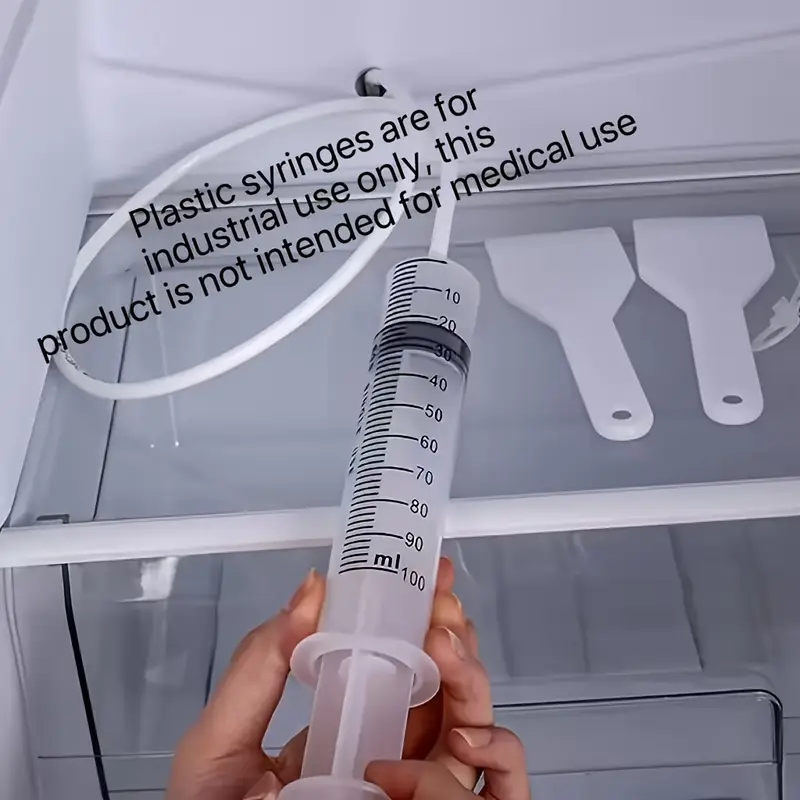
- Plastic tubing or a turkey baster to flush the drain
- A pipe cleaner or flexible brush to remove debris
- A wet/dry vacuum to suck out clogs
- A screwdriver to open panels if needed
- A flashlight to see inside dark areas
Safety Precautions
- Unplug the refrigerator before starting work
- Wear gloves to protect your hands
- Keep electrical parts dry and away from water
- Work in a well-lit area for better visibility
- Have towels ready to catch spills
Locating The Drain Hole
Finding the drain hole is the first step to clear a clogged refrigerator drain. This hole allows water to flow out during defrosting. Dirt, food particles, and ice can block it. Knowing where it is helps you clean it quickly and avoid water leaks inside the fridge.
Common Drain Locations
The drain hole is usually at the back or bottom inside the fridge. It can be hidden under a drip pan or behind a cover. Some common places include:
- Near the back wall inside the fridge compartment
- Under the vegetable or crisper drawers
- At the bottom of the freezer section, close to the back
- On the base of the refrigerator, near the rear
Check these spots carefully. The drain hole often looks like a small round opening or a tiny channel.
Accessing The Drain Area
Remove shelves or drawers blocking the drain area. This gives clear access to the hole. Use a flashlight to see better inside dark corners. Some models have a removable panel covering the drain hole. Gently take off these panels if needed.
Keep a towel nearby to catch any water spills. Make sure the fridge is unplugged for safety before you start cleaning. Accessing the drain area properly makes the unclogging process easier and faster.
Step-by-step Drain Cleaning Methods
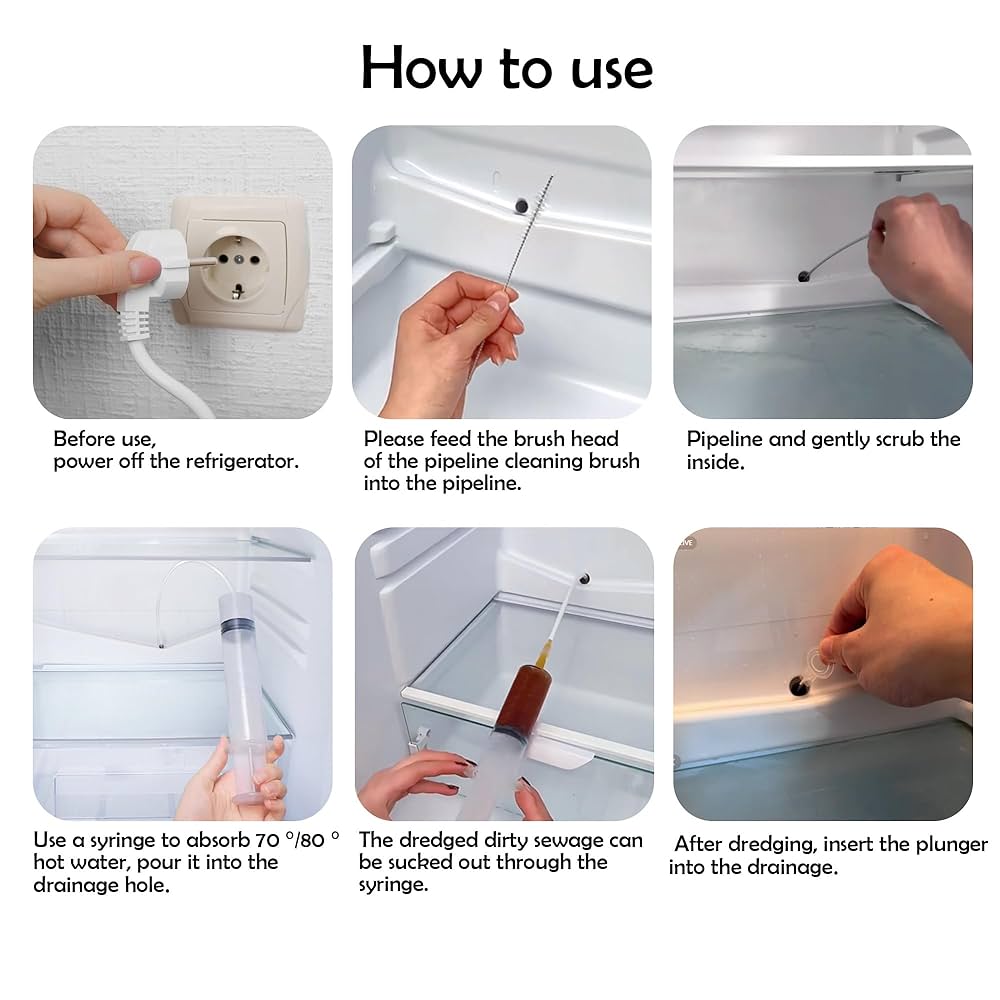
Clogged refrigerator drains cause water buildup and bad odors. Cleaning the drain helps keep your fridge working well. Follow these simple steps to clear the drain safely and effectively. Each method uses common household items and tools.
Using Warm Water And Soap
Start by mixing warm water with mild dish soap. Use a turkey baster or a small funnel to pour the soapy water into the drain hole. Let it sit for a few minutes. The warm water loosens dirt and debris. Flush the drain with clean warm water afterward to rinse out soap and loosened grime.
Applying Baking Soda And Vinegar
Pour half a cup of baking soda into the drain. Follow with half a cup of white vinegar. The mixture will bubble and fizz, breaking down clogs. Wait 10 to 15 minutes for the reaction to work. Flush the drain with hot water to clear any loosened debris. Repeat if the clog persists.
Clearing With A Pipe Cleaner Or Wire
Use a flexible pipe cleaner or thin wire to reach into the drain tube. Gently push and twist to dislodge any blockages. Be careful not to damage the drain pipe. Remove any visible debris on the cleaner or wire. Flush the drain with warm water after clearing it.
Flushing With A Wet-dry Vacuum
Set a wet-dry vacuum to liquid mode. Place the hose over the drain opening. Turn on the vacuum to suck out dirt and water. This method removes stubborn clogs and excess moisture. Clean the vacuum filter after use. Repeat as needed until water flows freely.
Preventing Future Clogs
Preventing clogs in your refrigerator drain keeps your fridge working well. It stops water buildup and bad smells. Simple steps help avoid the hassle of cleaning clogs often.
Regular Maintenance Tips
- Clean the drain hole and drip pan every few months.
- Use warm water to flush the drain line gently.
- Remove food crumbs and debris inside the fridge regularly.
- Check and clean the refrigerator gasket to avoid mold.
- Keep the fridge temperature at the right level to reduce moisture.
Proper Food Storage Practices
- Cover all food items to prevent spills and leaks.
- Store liquids in sealed containers to avoid drips.
- Place fruits and vegetables in drawers with good ventilation.
- Clean spills immediately to stop residue from entering drains.
- Avoid overloading shelves to keep air flowing freely.
Checking Drain Condition Periodically
- Inspect the drain hole for blockages every few months.
- Look for signs of water pooling inside the fridge.
- Ensure the drain tube is free from bends or kinks.
- Test the drain by pouring a small amount of water.
- Call a technician if you notice persistent clogging issues.

Credit: www.amazon.com
When To Call A Professional
Knowing when to call a professional to unclog your refrigerator drain can save you time, money, and frustration. While some blockages are easy to clear yourself, others hint at bigger problems that need expert attention. Recognizing these signs early helps you avoid costly repairs and keeps your fridge running smoothly.
Persistent Drain Issues
If you find yourself repeatedly unclogging the drain without success, it’s a clear sign to get professional help. Sometimes, the blockage is deeper or more complex than it appears. Constant dripping water or recurring puddles inside the fridge mean the problem isn’t fully fixed.
Imagine clearing the drain twice in a week, only to see water pooling again. That’s frustrating and suggests something more serious is happening. Professionals have specialized tools to reach and clear stubborn clogs that DIY methods can’t handle.
Signs Of Deeper Problems
Beyond just a clogged drain, your refrigerator might show other warning signs like unusual noises, excessive frost buildup, or a bad smell. These symptoms often point to issues with the drain pan, evaporator coils, or even the defrost system. Ignoring these can lead to bigger damage and food spoilage.
Ask yourself: Is your fridge leaking water on the floor, or does it struggle to keep food cold? These could be linked to a clogged drain but might also indicate mechanical failures. A professional can properly diagnose and fix these underlying problems.
Cost Considerations
While calling a technician costs money upfront, it can save you from expensive repairs later. Trying to fix complex problems without the right skills or tools might worsen the issue, leading to a full refrigerator replacement. Professionals can also provide warranties on their work, giving you peace of mind.
Think about the value of your time and the risk of damaging your appliance further. Sometimes paying for expert help is the smartest investment you can make to protect your fridge. Would you rather spend a small fee now or face a costly breakdown later?

Credit: www.amazon.com
Frequently Asked Questions
How Do I Know If My Refrigerator Drain Is Clogged?
A clogged refrigerator drain causes water pooling inside or under the fridge. You might see ice buildup or a foul odor. These signs indicate blocked drainage that needs immediate cleaning to prevent damage and maintain efficiency.
What Tools Are Needed To Unclog A Refrigerator Drain?
Common tools include warm water, a turkey baster or pipe cleaner, and mild detergent. You may also need a small brush or flexible wire to clear blockages. These tools help remove debris and restore proper drainage.
Can Vinegar Help Unclog The Refrigerator Drain?
Yes, vinegar is effective for dissolving minor clogs and disinfecting the drain. Pour a mixture of warm water and vinegar into the drain hole. It helps break down buildup and prevents mold or bacteria growth.
How Often Should I Clean My Refrigerator Drain?
Clean the drain every 3 to 6 months to prevent clogs. Regular maintenance avoids water leaks and unpleasant odors. Frequent checks ensure your refrigerator runs efficiently and extends its lifespan.
Conclusion
Keeping your refrigerator drain clear helps avoid leaks and odors. Regular cleaning stops clogs before they start. Use simple tools and gentle care to fix it quickly. A clean drain keeps your fridge working well. Small efforts save you time and money later.
Try these easy steps and enjoy a fresh, dry fridge. Simple maintenance makes a big difference. Keep your fridge running smoothly with regular drain checks.