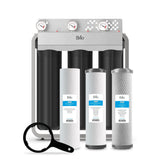
Have you ever wondered if your refrigerator filter is doing more than just making your water taste better? It’s a common question, especially when it comes to removing unwanted substances like fluoride.
Fluoride is often added to drinking water to help fight tooth decay, but many people prefer to control their intake. You might be curious if your fridge’s filter can help with that. Understanding what your refrigerator filter can and cannot do is essential for your health and peace of mind.
Ready to find out whether your trusty kitchen appliance is up to the task? Let’s dive into the details and uncover the truth about refrigerator filters and fluoride.
Fluoride In Tap Water
Fluoride is a common additive in many public water systems around the world. Its presence in tap water often raises questions about safety and effectiveness. Understanding why fluoride is added and its health effects can help you make informed choices about your water consumption.
Why Fluoride Is Added
Fluoride is added to tap water primarily to help prevent tooth decay. It strengthens tooth enamel, making it more resistant to acid attacks from plaque bacteria and sugars in the mouth.
Many communities have seen a drop in cavities after starting water fluoridation. The Centers for Disease Control and Prevention even calls it one of the top public health achievements of the 20th century.
Health Effects Of Fluoride
While fluoride benefits dental health, too much fluoride can cause issues like dental fluorosis, which changes the appearance of teeth in children. Severe overexposure is rare but can lead to more serious health problems.
You might wonder if the fluoride in your tap water could affect you personally. Most water systems carefully control fluoride levels to balance benefits and risks, but it’s good to stay informed about your local water quality.
Credit: www.lg.com
Types Of Refrigerator Filters
Understanding the types of refrigerator filters can help you decide if your fridge can effectively remove fluoride from your water. Not all filters are created equal, and their ability to filter out specific contaminants varies widely. Let’s look closely at the common technologies used in refrigerator filters and how they perform.
Carbon Filters
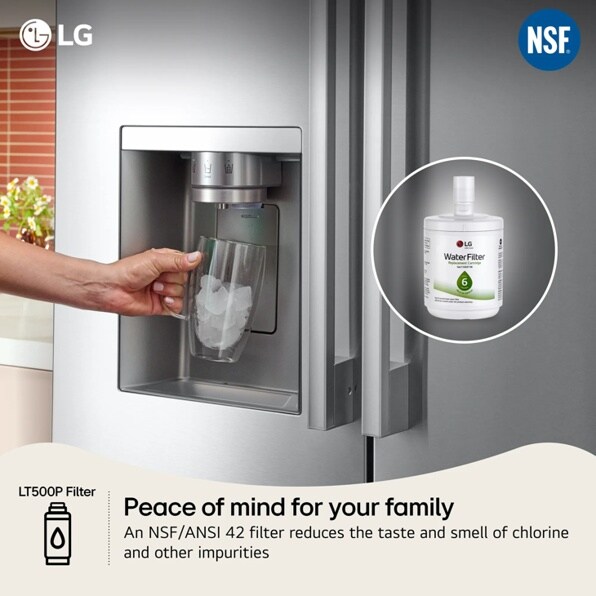
Carbon filters are the most common type found in refrigerators. They work by trapping impurities through a process called adsorption, where contaminants stick to the surface of the carbon. These filters are great for improving taste and reducing chlorine, but they often struggle with removing fluoride, which is a much smaller molecule.
Have you noticed a difference in taste when changing your carbon filter? That’s because these filters excel at removing odors and some chemicals but might leave fluoride untouched. If fluoride removal is your goal, relying solely on carbon filters might not be enough.
Reverse Osmosis Filters
Reverse osmosis (RO) filters use a semi-permeable membrane to remove a wide range of contaminants, including fluoride. This technology forces water through the membrane, leaving behind impurities. RO filters are highly effective but are less common in refrigerator models due to their size and cost.
If fluoride removal is a priority, you might consider adding an RO system to your kitchen setup. While not typically built into fridges, some advanced refrigerator models do offer RO filtration options. Would you be willing to invest in an additional filtration system for cleaner water?
Other Filtration Technologies
Besides carbon and RO, some refrigerators use other technologies like ion exchange or activated alumina to target specific contaminants. Ion exchange can reduce certain minerals but usually doesn’t remove fluoride effectively. Activated alumina is better at fluoride removal but is rarely found in standard fridge filters.
It’s worth checking the specifications of your refrigerator’s filter. Does it mention fluoride reduction? If not, you may need a separate filter or system designed specifically for that purpose. What contaminants matter most to you when choosing a water filter?
Effectiveness Against Fluoride
Understanding whether refrigerator filters remove fluoride is key for anyone concerned about the quality of their drinking water. Fluoride is a small ion, making it harder to filter out compared to larger contaminants. Let’s look closely at how effective different filtering methods are against fluoride.
Carbon Filter Limitations
Most refrigerator filters use activated carbon to improve water taste and reduce chlorine, sediment, and odors. However, these carbon filters have limited ability to remove fluoride. The fluoride ion is too small and doesn’t bind well to the carbon material.
If you rely solely on a standard carbon filter, you might still be consuming fluoride in your water. Have you checked the specifications of your refrigerator filter? Many don’t list fluoride removal as a feature.
Reverse Osmosis And Fluoride Removal
Reverse osmosis (RO) systems offer a more reliable way to reduce fluoride. RO forces water through a semipermeable membrane that blocks most dissolved solids, including fluoride ions. This method can remove up to 95% or more of fluoride from your water.
While RO systems aren’t common in most refrigerators, some advanced models or separate units provide this feature. If fluoride removal is your priority, consider installing an RO system alongside or instead of your fridge filter.
Comparison With Other Filters
| Filter Type | Fluoride Removal Effectiveness | Common Use |
|---|---|---|
| Activated Carbon | Low | Most refrigerator filters |
| Reverse Osmosis | High (up to 95%+) | Specialized home systems, some fridge units |
| Distillation | High | Home distillers |
| Ion Exchange | Moderate | Some water softeners |
Think about what matters most in your water filter: fluoride removal or general taste and odor improvement? This table shows that not all filters are equal in tackling fluoride. Knowing this can help you make better decisions for your health and taste preferences.
Testing Filter Performance
Testing the performance of refrigerator filters is crucial to understanding their ability to remove fluoride. Accurate testing reveals whether these filters effectively reduce fluoride levels in drinking water. This section explains how fluoride levels are measured and shares real-world testing results for refrigerator filters.
How Fluoride Levels Are Measured
Fluoride concentration is measured using specialized instruments. Ion-selective electrodes and spectrophotometers are common tools. These devices detect fluoride by measuring electrical signals or light absorption changes caused by fluoride ions.
Water samples are collected before and after filtration. Testing labs follow strict procedures to ensure accuracy. Results show fluoride levels in parts per million (ppm) or milligrams per liter (mg/L).
Real-world Filter Testing Results
Studies show many refrigerator filters do not remove fluoride effectively. Some filters reduce fluoride only slightly, while others have no impact. The materials used in most filters focus on chlorine and sediment removal, not fluoride.
Testing often reveals that fluoride levels remain nearly the same after filtration. Users expecting fluoride removal may need to consider alternative filtration systems. Reverse osmosis and activated alumina filters perform better in fluoride reduction.
Alternative Fluoride Removal Methods
If you’re concerned about fluoride in your drinking water, you might wonder if there are effective ways to remove it beyond standard refrigerator filters. While many fridge filters do a great job with chlorine and sediment, fluoride removal requires more specialized approaches. Fortunately, several alternatives can help you reduce fluoride levels at home, each suited for different needs and budgets.
Water Pitchers With Fluoride Filters
Water pitchers equipped with fluoride filters offer a convenient and affordable solution. These pitchers often use activated alumina or bone char media, which are proven to reduce fluoride effectively. They fit easily in your fridge and are perfect if you want filtered water on demand without complex installation.
However, keep in mind that pitcher filters need regular replacement to maintain their effectiveness. Have you ever noticed a change in taste or clarity when your filter gets old? That’s a good sign it’s time to swap it out.
Under-sink Filtration Systems
If you want a more permanent solution, under-sink filtration systems are worth considering. These units use reverse osmosis or activated alumina filters to remove fluoride along with other contaminants. Installed directly under your kitchen sink, they deliver filtered water through a dedicated tap.
One benefit is that these systems often provide higher water output compared to pitchers. But they do require some space and professional installation. Would you prefer a system that blends seamlessly into your kitchen setup while offering thorough filtration?
Whole-house Filtration Options
For comprehensive protection, whole-house filtration systems treat all water entering your home. These systems can integrate filters designed to reduce fluoride, so every tap and shower delivers cleaner water. This option is ideal if fluoride exposure is a concern throughout your household.
Installation is more involved and costs more upfront, but many find peace of mind in knowing their entire water supply is filtered. Are you ready to invest in a system that benefits your whole family’s water quality?
Credit: www.lg.com
Choosing The Right Filter
Choosing the right refrigerator filter affects water quality and safety. Not all filters remove fluoride effectively. Selecting a filter that matches your needs ensures cleaner water. Understanding key factors helps make a smart choice.
Factors To Consider
- Filtration technology: Look for filters with activated alumina or reverse osmosis features.
- Water contaminants: Check if the filter targets fluoride along with other impurities.
- Filter lifespan: Choose filters that last longer to reduce replacement frequency.
- Compatibility: Ensure the filter fits your refrigerator model correctly.
- Cost: Balance between price and performance for best value.
Certifications To Look For
- NSF/ANSI Standard 53: Certifies reduction of specific contaminants including fluoride.
- NSF/ANSI Standard 42: Focuses on improving taste and odor but may not remove fluoride.
- Water Quality Association (WQA): Indicates reliable testing and performance standards.
- Manufacturer test reports: Review for fluoride removal claims and verified results.
Maintaining Refrigerator Filters
Maintaining your refrigerator’s water filter is crucial for ensuring clean, safe drinking water. A well-kept filter not only improves taste but also supports the filter’s ability to reduce contaminants effectively. Neglecting maintenance can lead to clogged filters, reduced water flow, and potentially allow impurities like fluoride to pass through.
Filter Replacement Frequency
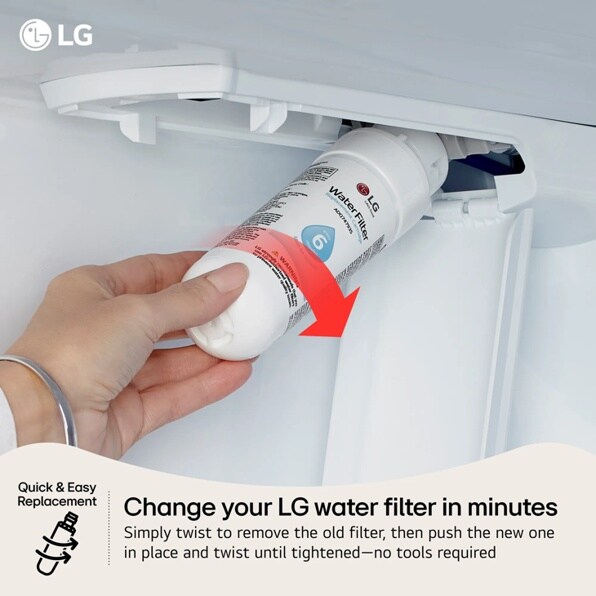
Most refrigerator filters should be replaced every six months. However, this can vary based on your water quality and usage. If you notice a change in water taste or flow, it might be time to replace the filter sooner.
Check your refrigerator’s manual or the filter packaging for recommended replacement intervals. Some smart refrigerators even alert you when it’s time to change the filter. Don’t ignore these reminders—changing filters regularly keeps your water fresh and safe.
Signs Of Filter Wear
How can you tell if your filter is wearing out? Common signs include slower water flow, cloudy ice, or an unusual taste or odor. These changes often mean the filter is clogged or no longer effective.
Another sign is water leaking inside the fridge or around the filter area. If you spot any leaks, inspect the filter for cracks or improper installation. Keeping an eye on these signs helps you avoid bigger issues and keeps your water quality high.

Credit: www.acewatershop.com.au
Frequently Asked Questions
Do Refrigerator Filters Remove Fluoride From Water?
Most standard refrigerator filters do not effectively remove fluoride. Fluoride requires specialized filters like activated alumina or reverse osmosis systems to reduce its presence in water.
Which Filters Are Best For Fluoride Removal?
Activated alumina filters and reverse osmosis systems are the most efficient at removing fluoride from drinking water. They can reduce fluoride levels significantly compared to regular carbon filters.
Can I Trust My Fridge Filter For Safe Drinking Water?
While fridge filters improve taste and remove chlorine, they are generally not designed to remove fluoride or heavy metals. For fluoride-free water, consider specialized filtration systems.
How Does Fluoride Removal Impact Water Taste?
Removing fluoride may slightly alter water taste. Specialized filters focus on fluoride, while preserving minerals, so the water remains fresh without chemical aftertaste.
Conclusion
Refrigerator filters help clean water but usually do not remove fluoride. Fluoride is a small mineral and hard to filter out. Special filters are needed to reduce fluoride effectively. Always check the filter’s specifications before buying. Clean water matters for health and taste.
Choosing the right filter keeps your water safe. Keep learning about water filters to make smart choices. Clean water starts with good information.